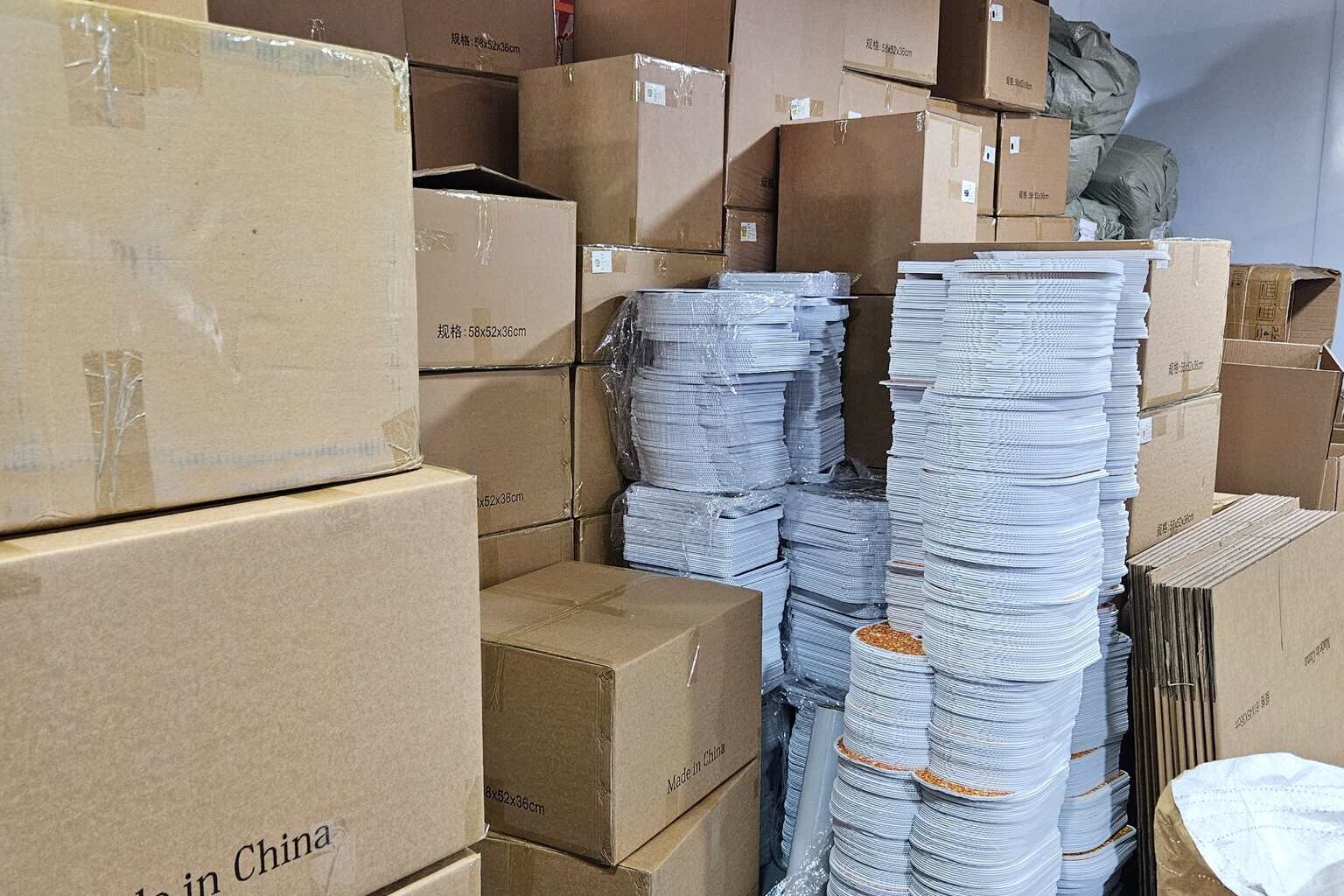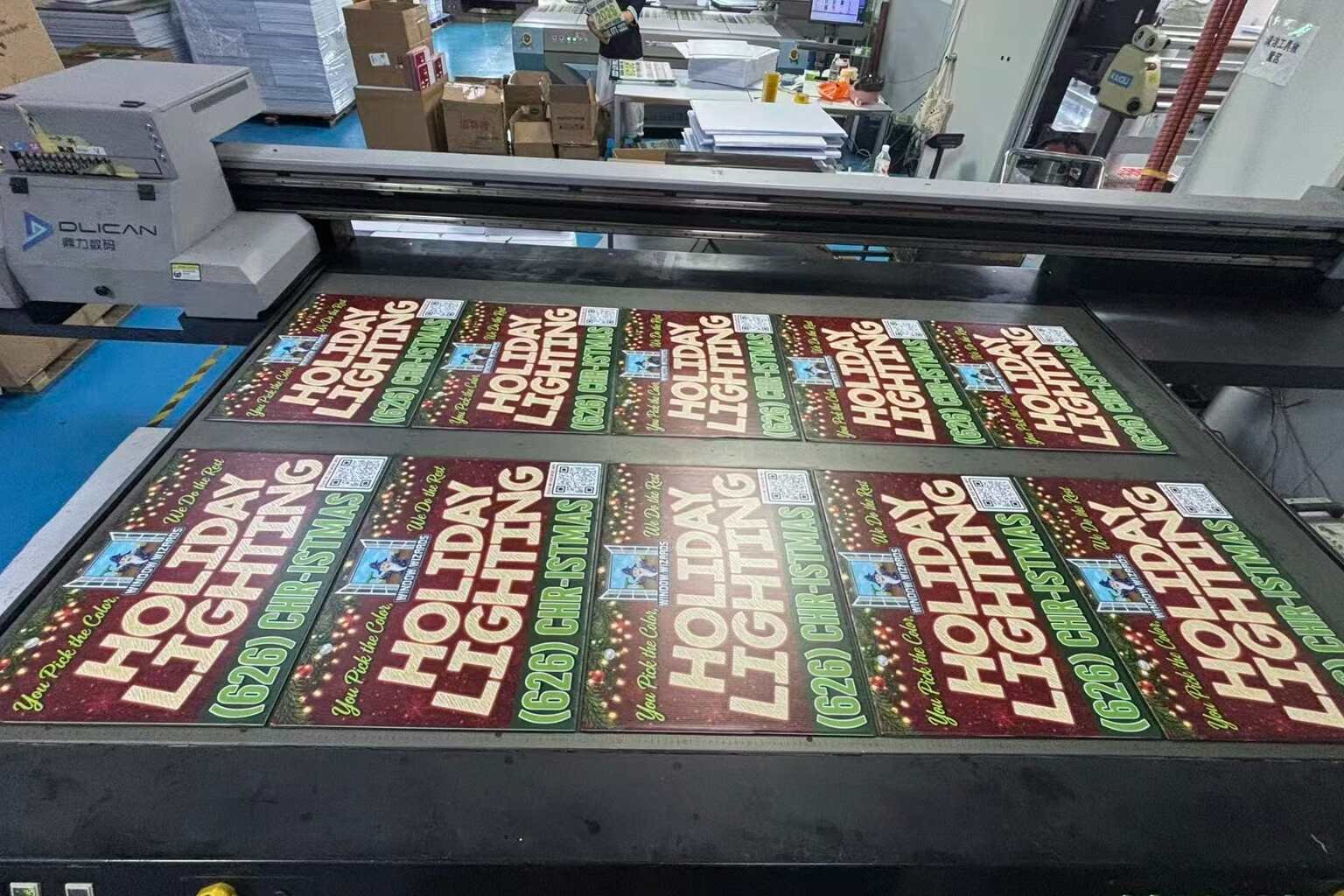
Blind Shipping Custom Yard Signs for Distributors and Resellers

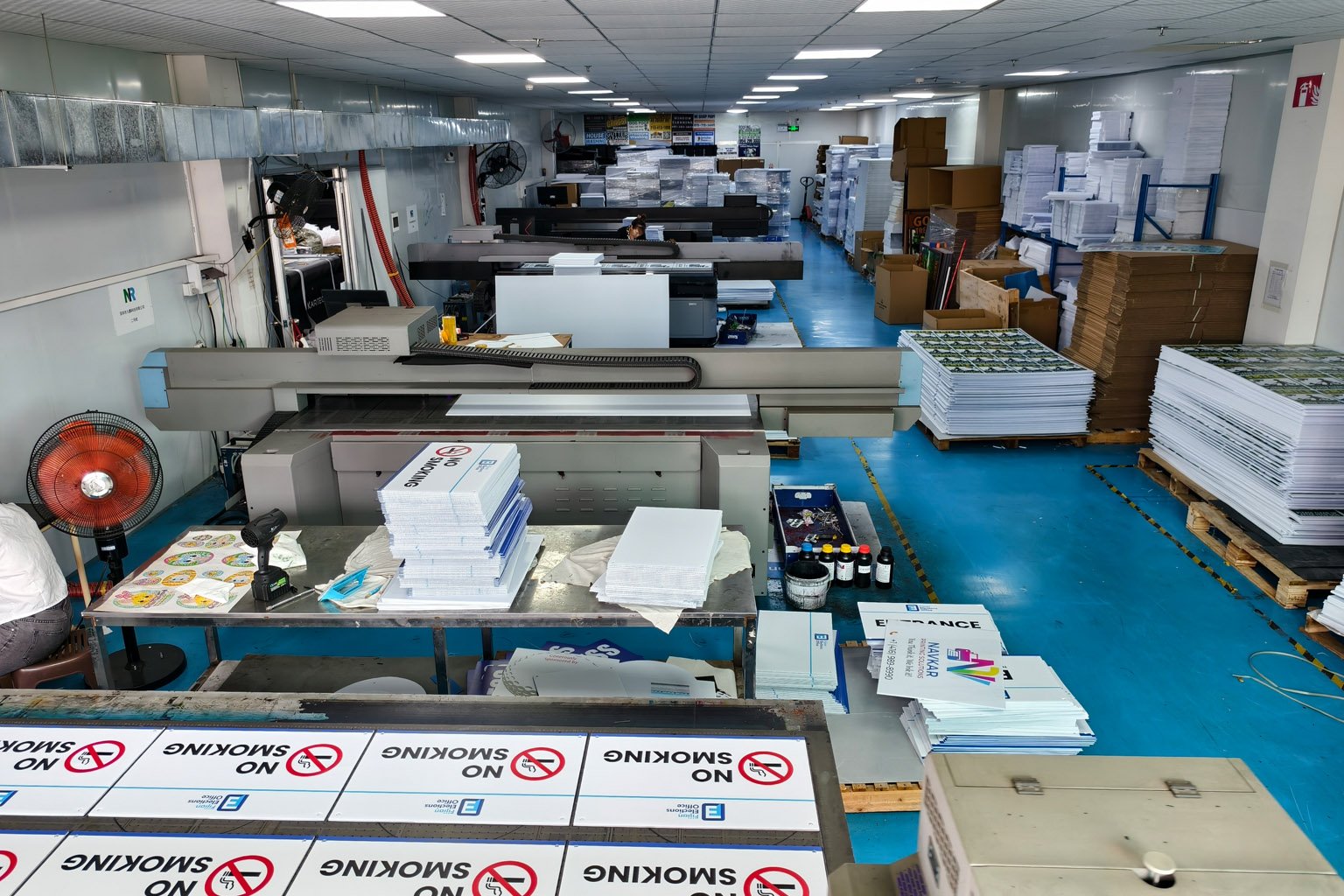
A successful blind shipment requires written instructions covering neutral packaging, packing slips, carton labels, customer branding, shipping documents, customs records, delivery notifications, returns, and damage claims.
iYardSign supports custom yard sign manufacturing and packaging solutions for qualified distributors, print resellers, agencies, promotional product companies, and other bulk buyers.
Quick Answer: What Is Blind Shipping?
Blind shipping is a fulfillment arrangement in which the manufacturer sends products directly to the reseller’s customer while removing unnecessary supplier marketing, factory brochures, promotional inserts, and visible commercial branding from customer-facing packaging.
The commercial customer may see the reseller’s name, neutral information, or another approved presentation. Legally required transportation and customs information must still remain accurate.
Who Uses Blind Shipping for Yard Signs?
Blind shipping is commonly requested by businesses that sell signs without holding every order in their own warehouse.
Potential users include:
- Sign distributors
- Print brokers
- Promotional product companies
- Marketing agencies
- Online sign sellers
- Event production companies
- Real estate marketing suppliers
- Franchise support companies
- Local print shops outsourcing overflow production
- Businesses managing several customer locations
Direct delivery can reduce an additional transportation step, but only when manufacturing, inspection, packaging, and documentation are controlled correctly.
Blind Shipping vs Standard Wholesale Shipping
| Shipping arrangement | Delivery destination | Packaging presentation |
|---|---|---|
| Standard wholesale shipment | Distributor’s warehouse or business address | Standard factory export packaging |
| Blind shipment | Distributor’s customer or approved third-party address | Neutral or reseller-approved customer-facing presentation |
| Private-label shipment | Distributor, retailer, or end customer | Reseller branding applied according to an approved specification |
Blind shipping and private labeling can be combined, but they are not identical. Blind shipping controls supplier visibility, while private labeling adds the reseller’s approved branding.
What Neutral Packaging Should Mean
Neutral packaging should be defined in writing. Different buyers may interpret the phrase differently.
A neutral packaging instruction may require:
- No factory brochure inside the cartons
- No supplier sales card
- No supplier promotional sticker
- No factory-branded tape when practical
- No supplier contact details on customer-facing inserts
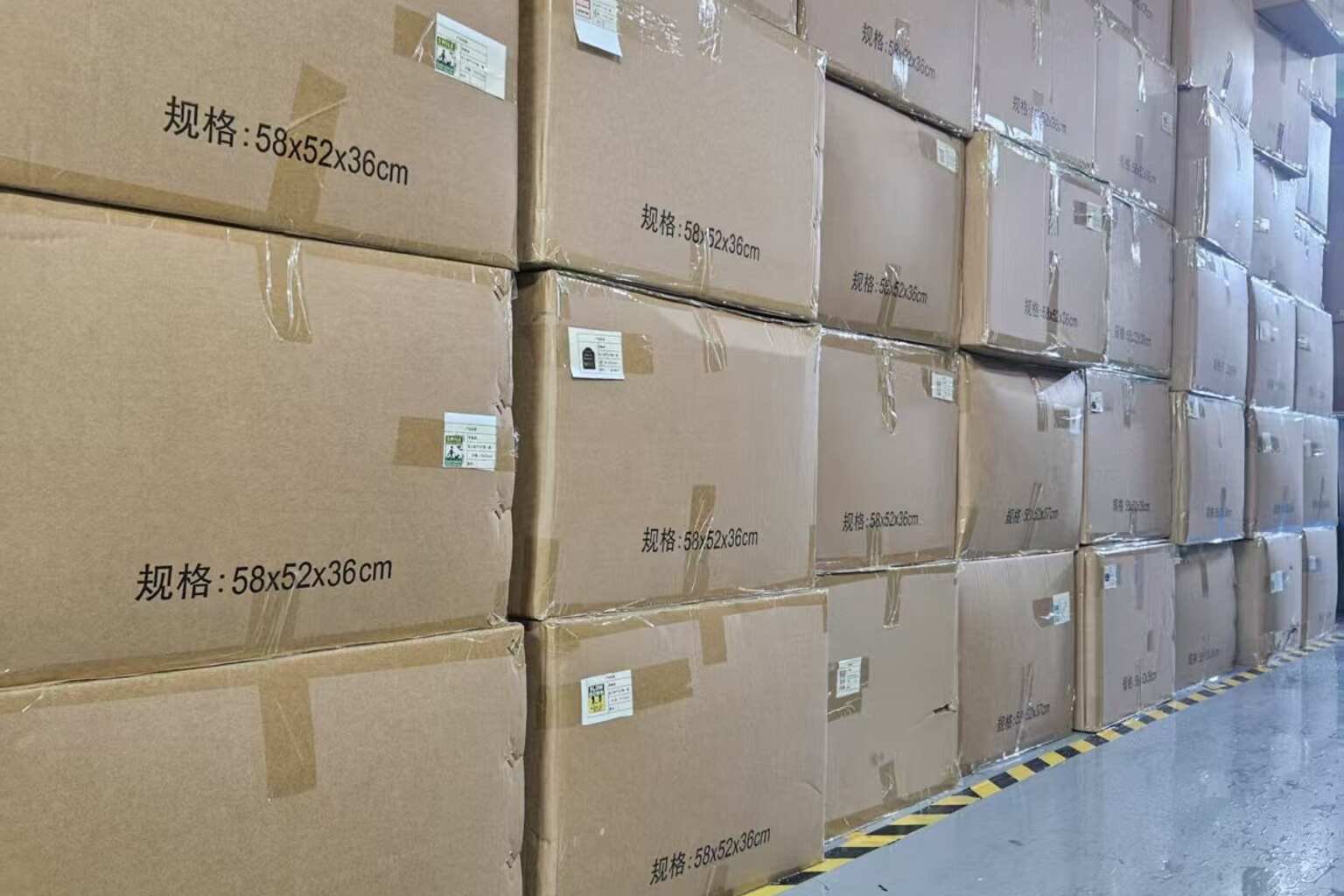
- Plain outer cartons when practical
- Only approved product and carton labels
- An approved packing slip
Neutral packaging does not override legal shipping, customs, product identification, country-of-origin, carrier, or safety requirements.
Important: Never ask a supplier or freight provider to place false company names, false values, false product descriptions, or inaccurate origin information on customs and transportation documents.
Information That May Still Appear
Depending on the transportation method, destination, and applicable regulations, a shipment may still need to display or document:
- Exporter or shipper information
- Manufacturer information
- Country of origin
- Product description
- Carton quantity
- Gross and net weight
- Customs value
- Importer or consignee information
- Carrier tracking labels
- Handling and safety marks
These records support legal transportation and customs clearance. Blind shipping should focus on removing unnecessary marketing exposure rather than hiding required commercial information.
1. Define All Parties in the Order
A blind shipment may involve several different parties:
- Manufacturer
- Reseller or distributor
- Freight forwarder
- Customs broker
- Importer of record
- Consignee
- End customer
- Final delivery contact
The purchase specification should identify each party and explain which information may appear on customer-facing documents.
Do not assume that the reseller, importer, consignee, and end customer are always the same company.
2. Prepare a Blind Shipping Instruction Sheet
Do not rely on a short chat message saying “Please blind ship.” Provide written instructions for every customer-facing element.
The instruction sheet should include:
- Purchase order number
- End-customer order reference
- Complete delivery address
- Delivery contact name and telephone number
- Approved sender name when permitted
- Approved packing slip
- Carton label format
- Branding to include
- Branding to exclude
- Documents permitted inside cartons
- Documents prohibited inside cartons
- Required tracking notification process
Combine these instructions with a complete yard sign specification sheet for bulk production.
3. Confirm the Packing Slip
The packing slip is one of the most common places where unwanted supplier information appears.
A reseller-approved packing slip may show:
- Reseller company name
- Reseller logo
- Customer purchase order
- Product description
- Quantity shipped
- Carton count
- Customer service contact
- Return or damage-reporting instructions
Confirm whether prices should appear. Many blind shipments use a packing slip without unit prices or factory cost information.
4. Control Carton Labels
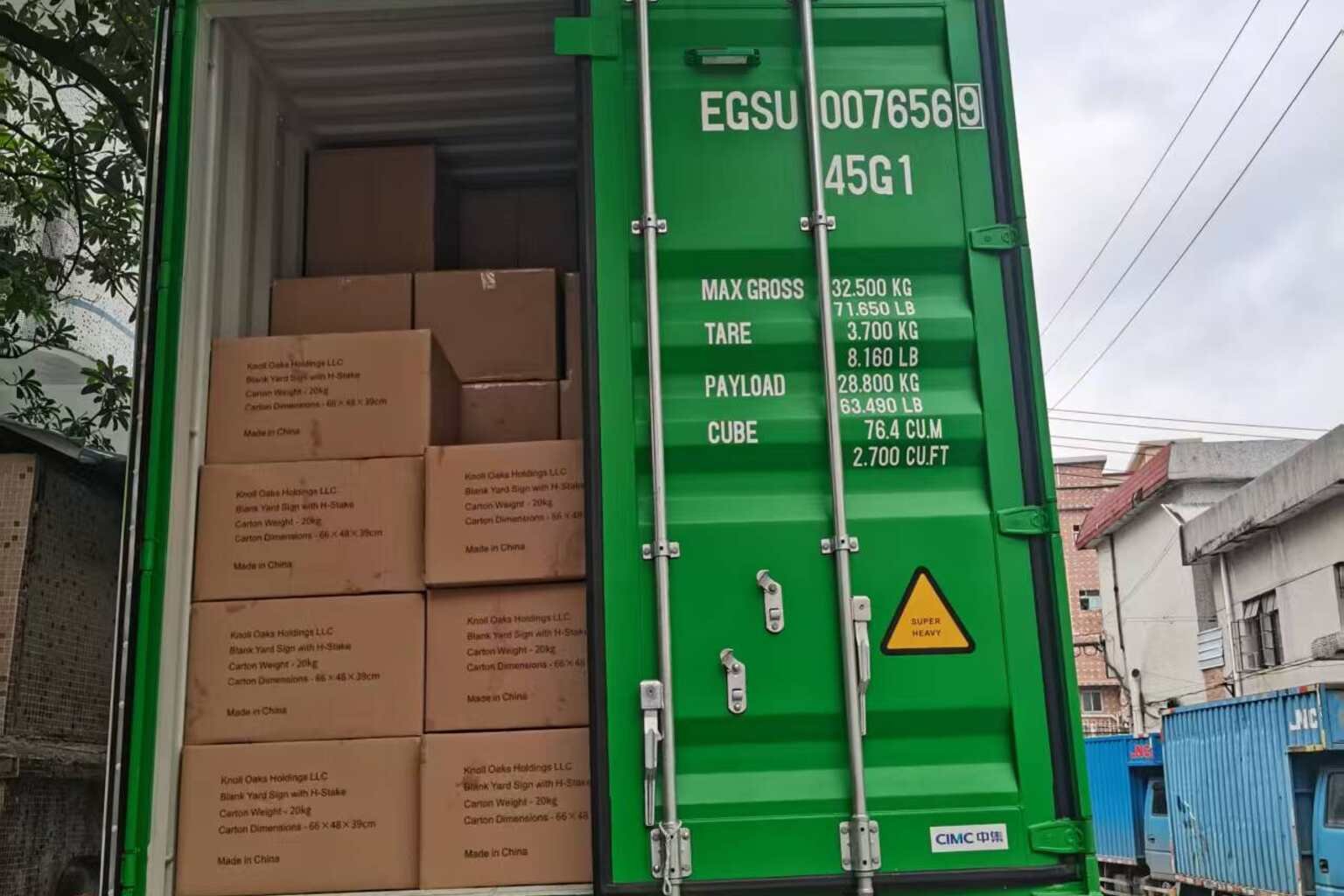
Carton labels should help the customer receive and sort the order without exposing unnecessary supplier marketing.
Useful carton information includes:
- Customer purchase order number
- Design or location name
- Carton number
- Total number of cartons
- Quantity inside the carton
- Sign dimensions
- Hardware quantity
- Handling instructions
A practical format is:
PO 8254 | Design: North Branch | Carton 2 of 8 | 50 Signs | 50 H-Stakes
This helps the end customer identify missing cartons or mixed designs immediately.
5. Decide Whether Reseller Branding Is Required
Some buyers want plain cartons. Others want branded carton labels, instruction sheets, product stickers, or retail packaging.
If reseller branding is required, provide:
- Approved logo files
- Brand color references
- Label dimensions
- Placement instructions
- Approved wording
- Barcode information
- Customer service details
- Required quantities
Custom labels, printed cartons, bags, and inserts may have separate setup charges or minimum quantities. Confirm these before approving the order.
6. Keep Commercial Documents Separate
Customer-facing documents and customs documents serve different purposes.
| Document type | Purpose | Main requirement |
|---|---|---|
| Packing slip | Helps the customer verify received products | Can use reseller-approved presentation |
| Commercial invoice | Supports customs and commercial processing | Must contain accurate required transaction information |
| Shipping label | Allows the carrier to route and deliver cartons | Must meet carrier requirements |
| Customs declaration | Supports import and export compliance | Must remain truthful and complete |
Blind shipping does not permit falsifying transaction values, product descriptions, origin, or responsible parties.
7. Confirm Product Quality Before Direct Delivery
When a shipment goes directly to the end customer, the reseller loses the opportunity to inspect the goods in its own warehouse.
Pre-shipment quality control becomes more important. Check:
- Correct artwork version
- Quantity for each design
- Finished dimensions
- Material specification
- Print clarity and orientation
- QR code readability
- Flute direction
- H-stake compatibility
- Cutting and finishing
- Packaging and carton labels
For new projects, use the yard sign sample approval process before mass production.
8. Request Pre-Shipment Evidence
Before dispatch, the reseller can request:
- Photographs of finished signs
- Close-up photographs of print quality
- Photographs showing H-stake fit
- Photographs of carton labels
- Photographs of open cartons
- Photographs of sealed cartons
- Final carton count
- Gross weight and dimensions
- Final packing list
This does not replace a professional inspection when one is required, but it can identify obvious order or packaging mistakes before shipment.
9. Protect Signs from H-Stakes
Metal H-stakes should not move freely against printed signs during transportation. The wire ends can scratch ink, crush flutes, puncture cartons, or damage corners.
Packaging should provide:
- Physical separation between signs and stakes
- Secure bundles of metal hardware
- Protection around sharp wire ends
- Reinforced cartons when necessary
- Accurate stake quantities
- Labels showing the hardware inside each carton
Review the wholesale yard sign packaging and H-stake guide before approving direct shipment.
10. Confirm Delivery Notifications
The shipment should not arrive unexpectedly at the end customer’s location.
Decide who will receive:
- Tracking information
- Customs or broker requests
- Delivery appointment calls
- Delay notifications
- Proof of delivery
- Damage reports
If the reseller wants to control customer communication, the supplier and carrier should know which contact details to use at each stage.
11. Identify the Final Delivery Conditions
Provide more than a street address. Confirm whether the destination is:
- A commercial warehouse
- A retail store
- An office
- A residence
- A school or church
- An event venue
- A limited-access location
- A construction site
Also confirm:
- Receiving hours
- Loading dock availability
- Forklift availability
- Liftgate requirement
- Appointment requirement
- Inside delivery requirement
Missing delivery information can create additional charges or failed delivery attempts.
12. Clarify the Shipping Term
The reseller should know whether the shipment is arranged under DDP, DAP, FOB, or another agreed trade term.
The term affects:
- Transportation responsibility
- Import clearance
- Duties and taxes
- Risk transfer
- Importer arrangements
- Final delivery responsibility
Read the DDP shipping guide for bulk yard signs before choosing a delivered shipping option.
13. Create a Damage and Shortage Process
Because the shipment goes directly to the customer, the reseller should provide simple receiving instructions.
Ask the customer to:
- Count cartons before signing
- Inspect cartons for visible damage
- Photograph damaged cartons
- Record damage on the delivery receipt when applicable
- Keep packaging materials
- Count signs and stakes
- Report shortages promptly
- Provide photographs of product damage
The supplier, reseller, carrier, and customer should know who manages claims and what evidence is required.
14. Plan Returns Before Shipping
International returns can be expensive. Before production, define how the following situations will be handled:
- Buyer-approved artwork errors
- Manufacturer production errors
- Shipping damage
- Missing cartons
- Missing stakes
- Incorrect quantities
- Customer address errors
- Failed delivery attempts
Depending on the issue, replacement production, replacement parts, local disposal, a credit, or another solution may be more practical than returning the complete shipment.
15. Protect Customer Information
The manufacturer may receive customer names, addresses, telephone numbers, artwork, and order details to complete the shipment.
Resellers should establish expectations for:
- Use of customer contact information
- Direct marketing restrictions
- Artwork confidentiality
- Storage of shipping information
- Communication with the end customer
- Repeat-order contact procedures
A professional blind shipping arrangement should protect the reseller’s customer relationship.
Blind Shipping Instruction Example
Order reference: RS-2026-108
Delivery: Direct to the approved end-customer commercial address
Outer cartons: Plain cartons with approved customer order labels
Factory marketing: No brochures, promotional cards, sales stickers, or factory contact inserts
Packing slip: Use the reseller-provided packing slip without pricing
Carton labels: Show purchase order, design name, carton number, sign quantity, and stake quantity
Required documents: All customs and transportation documents must remain accurate
Tracking: Send tracking and delivery updates to the reseller
Common Blind Shipping Mistakes
- Using the phrase “blind ship” without detailed instructions
- Leaving a factory sales card inside the carton
- Using an unapproved packing slip
- Including factory prices in customer-facing paperwork
- Failing to label cartons by design
- Sending tracking directly to the wrong contact
- Confusing neutral packaging with false customs documents
- Shipping directly without pre-shipment inspection
- Failing to define damage and shortage reporting
- Not checking whether the delivery address needs a liftgate
Blind Shipping Checklist
- Manufacturer, reseller, importer, consignee, and customer identified
- Neutral packaging requirements documented
- Factory marketing materials prohibited
- Approved packing slip provided
- Carton label format approved
- Reseller branding files approved when required
- Customs and transport documents kept accurate
- Product sample approved
- Pre-shipment quality inspection completed
- Signs and stakes packed safely
- Tracking recipient confirmed
- Delivery conditions confirmed
- Damage and shortage process documented
- Customer information expectations confirmed
Frequently Asked Questions
What does blind shipping mean for yard signs?
It means the manufacturer ships signs directly to the reseller’s customer while removing unnecessary factory branding and promotional materials from customer-facing packaging.
Can all supplier information be removed?
No. Required exporter, shipper, manufacturer, customs, origin, carrier, or safety information may still need to appear on legal documents or labels.
Is blind shipping the same as private labeling?
No. Blind shipping limits supplier visibility, while private labeling applies the reseller’s branding to products or packaging. An order may use either or both arrangements.
Can the reseller’s packing slip be included?
Yes, when supplied and approved before packing. The reseller should specify whether prices, logos, customer service details, and return instructions should appear.
Who handles customer damage claims?
The reseller, manufacturer, carrier, and customer should agree on a process before shipping. The receiving customer should document carton and product damage promptly.
Can iYardSign support neutral packaging?
iYardSign can review neutral packaging, carton labeling, packing slips, reseller branding, and direct-delivery requirements for qualified custom orders.
Discuss Blind Shipping for Your Yard Sign Orders
Send iYardSign your product specifications, packaging instructions, approved packing slip, carton label format, delivery address, and required arrival date.
Contact iYardSign about wholesale yard sign production and blind shipping.