How to Build a Yard Sign Product Catalog for Distributors

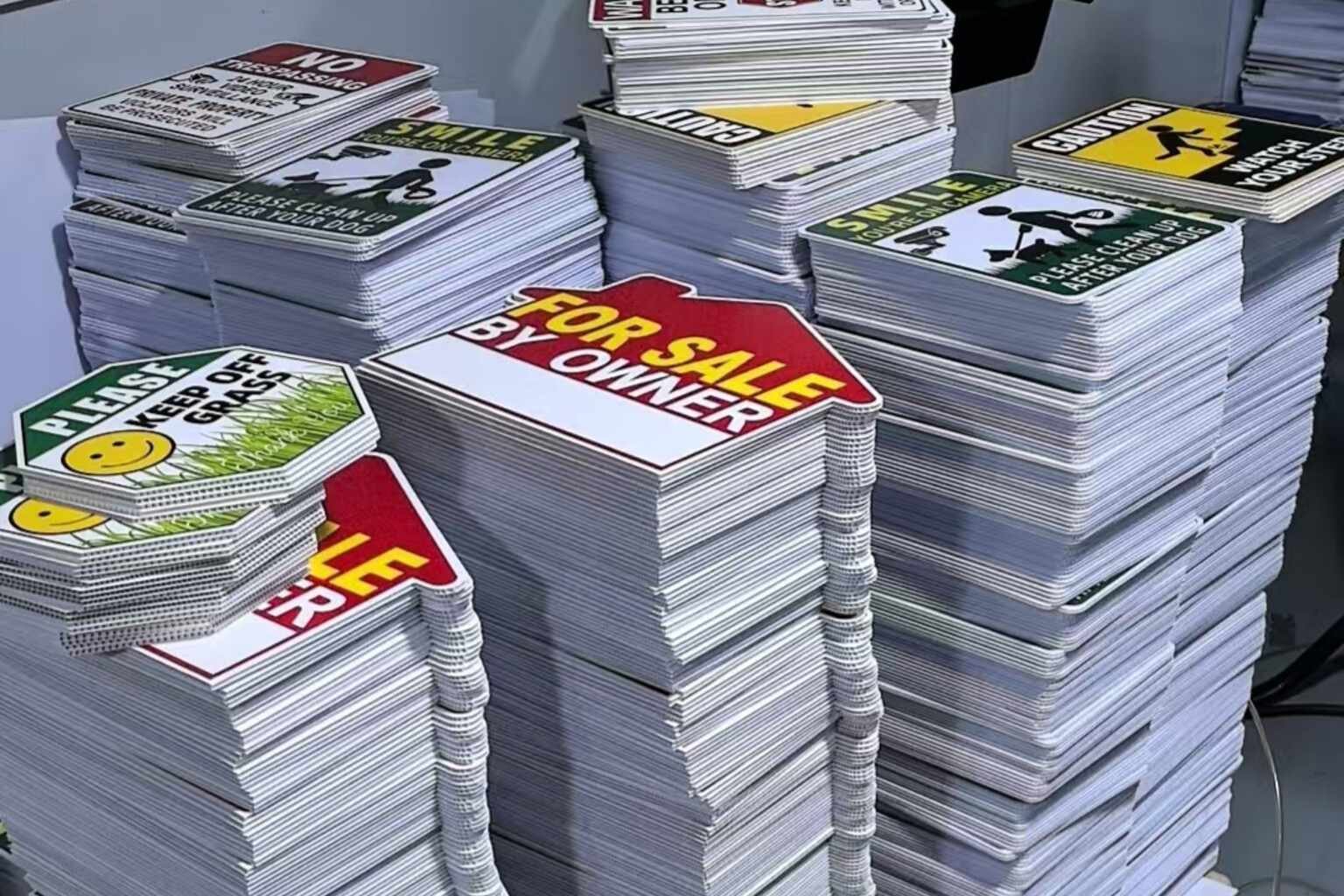
For B2B buyers, a useful catalog must do more than show attractive product photos. It should help customers understand the sign size, material, printing method, stake type, packaging, minimum order quantity, production time, and shipping options before requesting a quote.
Quick Answer: A professional yard sign product catalog should include product categories, real photos, standard specifications, customization options, quantity pricing guidance, packaging details, production lead times, and a clear quotation process. This allows distributors to respond faster and reduce misunderstandings with customers.
Why Distributors Need a Yard Sign Product Catalog
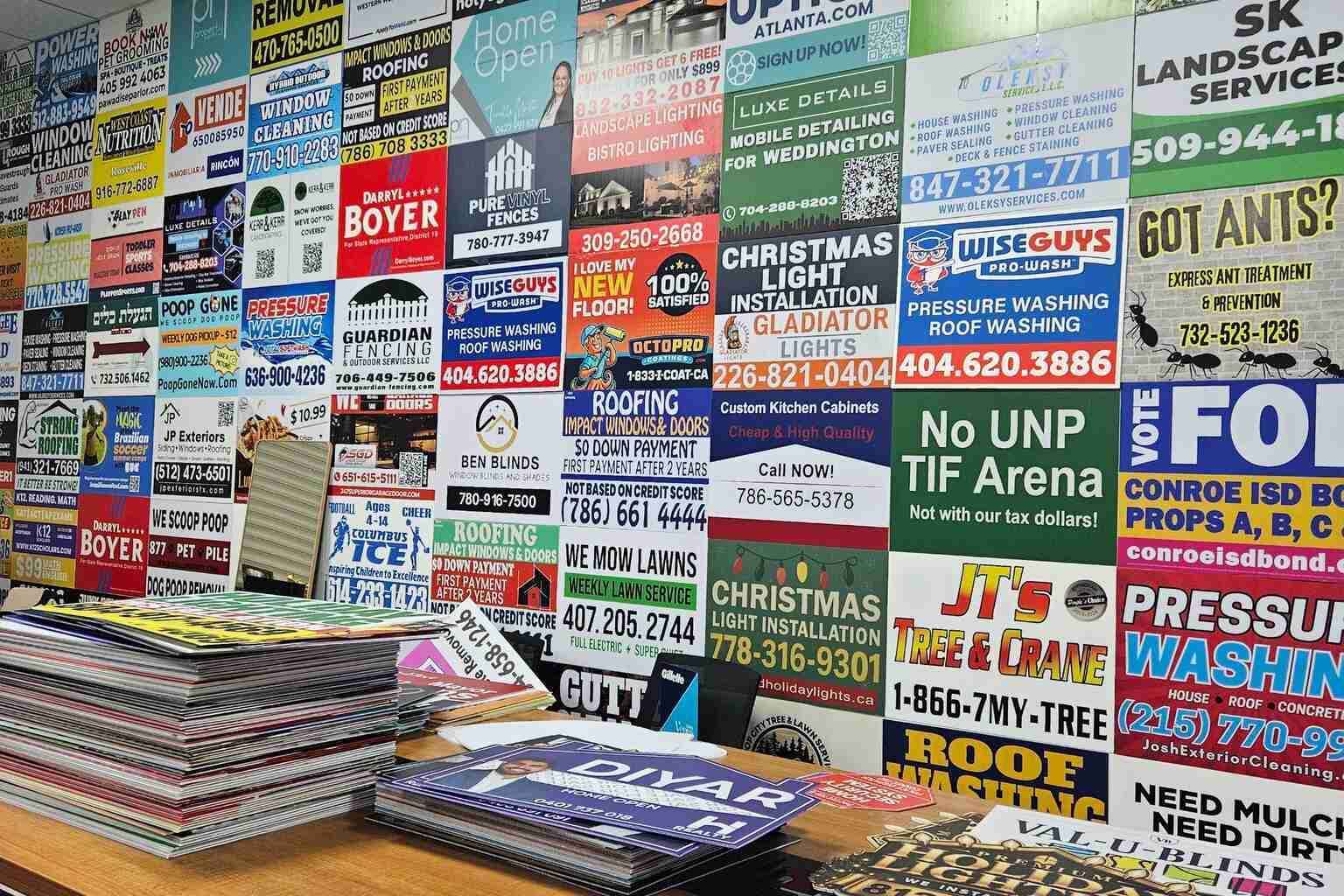
Many distributors sell yard signs to different customer groups, including real estate companies, political campaign suppliers, event companies, local service businesses, franchise brands, and sign shops. Each customer may request different sizes, shapes, colors, artwork, or hardware.
Without a standardized catalog, sales teams may describe the same product differently. One salesperson may quote a sign with an H-stake included, while another may quote the printed board only. This creates confusion and makes it harder to compare prices or protect profit margins.
A complete yard sign product catalog creates a common reference for your sales team and your customers.
- Customers can understand the product range before requesting a quotation.
- Sales staff can use consistent specifications and product names.
- Distributors can promote multiple applications from one catalog.
- Repeat customers can reorder products more easily.
- Quotation errors caused by missing specifications can be reduced.
- New sales representatives can learn the product line faster.
Start with Clear Yard Sign Product Categories
The first step is to organize products according to how customers use them. A catalog that simply lists dozens of similar signs may be difficult to navigate. Category names should match the language used by your target customers.
| Product Category | Typical Buyers and Uses |
|---|---|
| Real Estate Yard Signs | Real estate companies, agents, open houses, and property listings |
| Business Yard Signs | Local services, franchise brands, contractors, and small businesses |
| Political and Campaign Signs | Political campaigns, election suppliers, and advocacy organizations |
| Event and Directional Signs | Event planners, venues, schools, races, festivals, and temporary traffic guidance |
| Custom Shape Yard Signs | Brands and marketing agencies requiring special outlines or visual designs |
Distributors can organize the catalog by industry, product shape, or application. The best structure depends on how customers search for products and how your sales team receives inquiries.
What Specifications Should Be Included?
Every product page or catalog entry should contain enough information for a buyer to understand what is included. Avoid using general descriptions such as “high-quality outdoor sign” without technical details.
Basic Product Information
- Product name and category
- Recommended application
- Standard finished size
- Board material and thickness
- Single-sided or double-sided printing
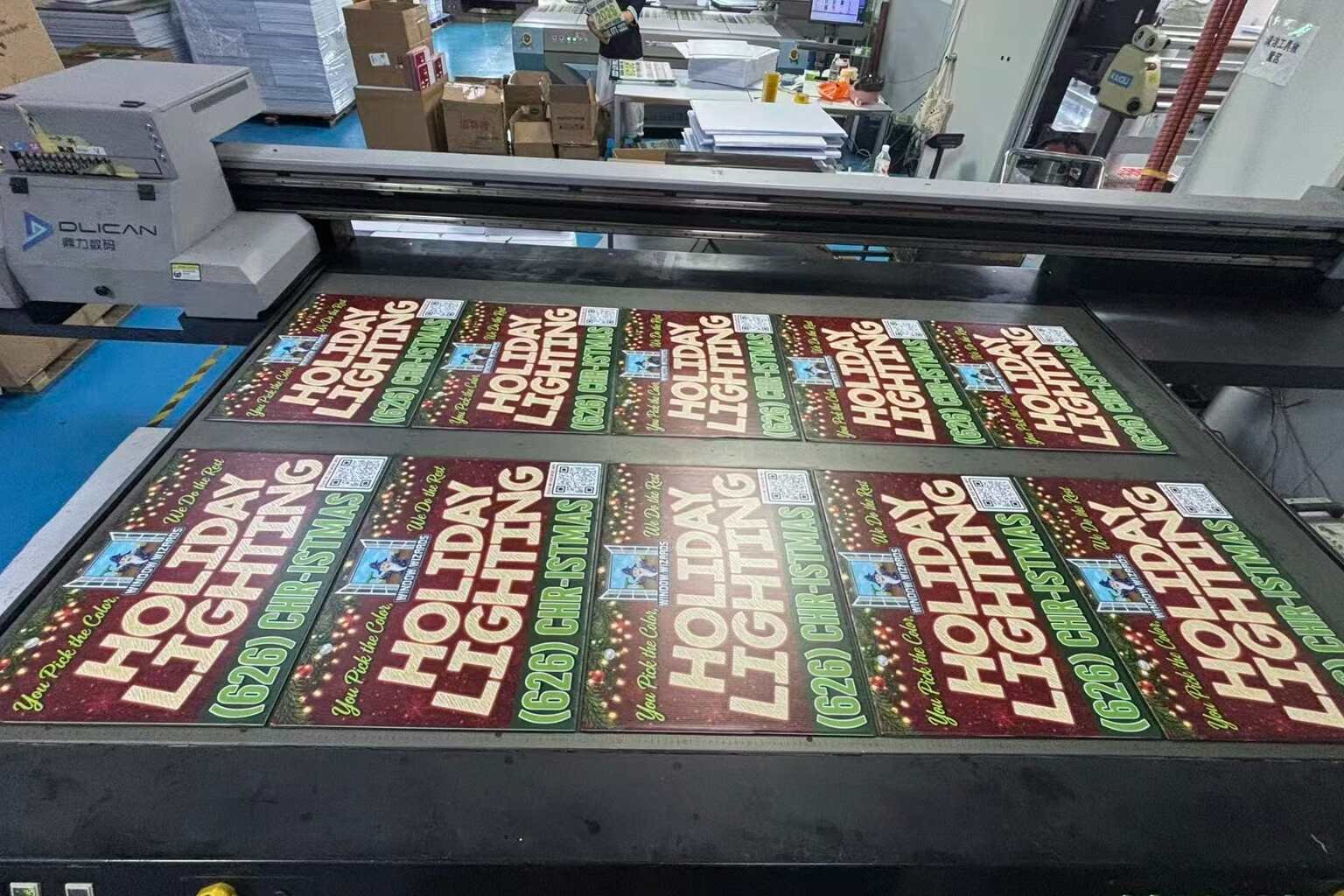
- Printing method and outdoor durability
- Standard colors or custom color options
- Stake type and quantity
- Flat, folded, or assembled condition
- Available custom shapes
A common wholesale specification is an 18 × 24 inch corrugated plastic yard sign with UV printing and an H-stake. However, distributors should also explain which specifications can be customized for different customer requirements.
Ordering and Packaging Information
Distributors should include practical ordering details in the catalog. These details help customers understand the difference between a retail sample and a commercial bulk order.
- Minimum order quantity
- Quantity breaks for wholesale pricing
- Number of designs or SKUs allowed
- Sample availability and sample cost
- Artwork file requirements
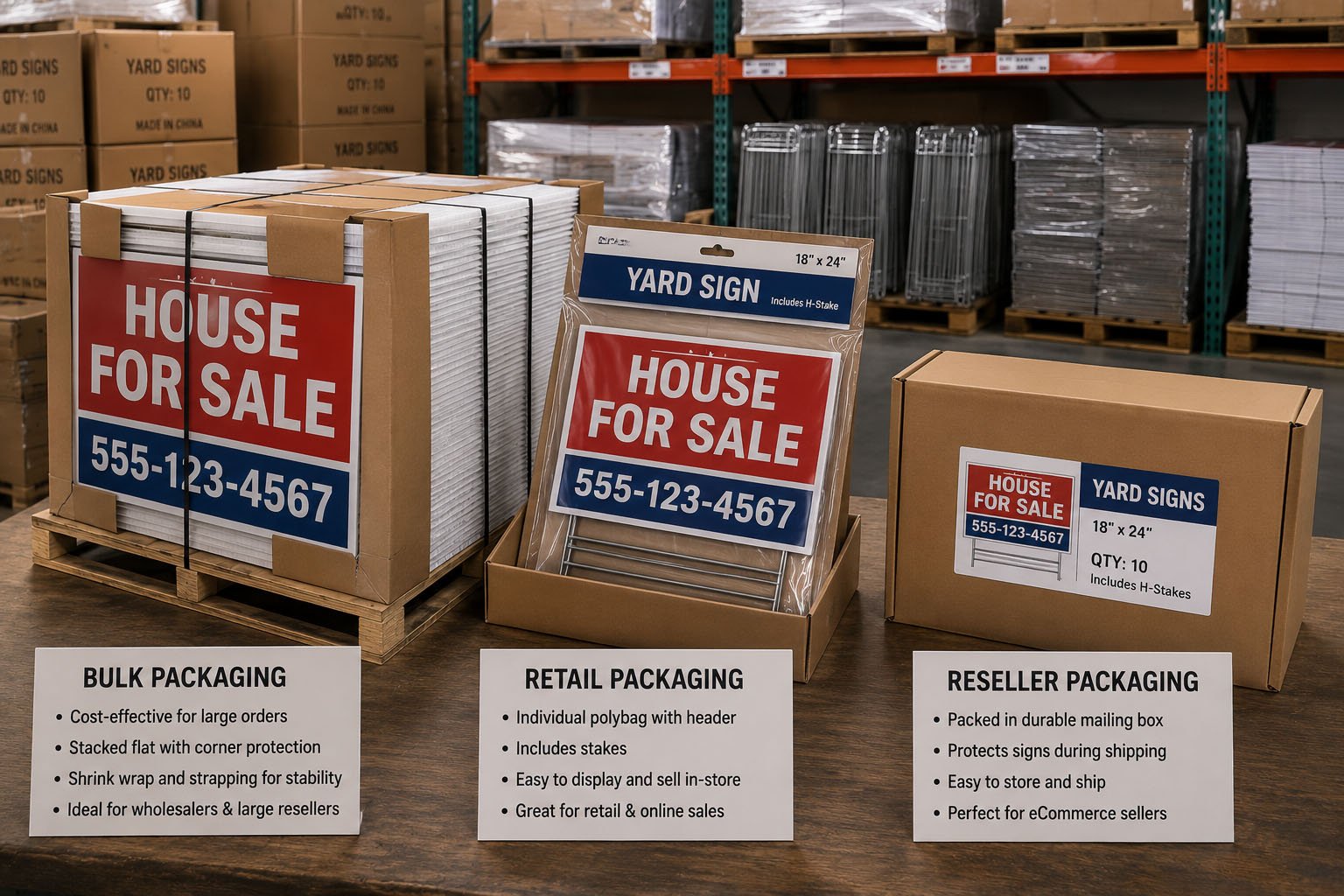
- Carton quantity and packaging method
- Private-label or branded packaging options
- Barcode, carton label, and shipping mark options
- Estimated production lead time
- Available air, sea, or door-to-door shipping options
If your products use barcodes or identification numbers, you can also review the general identification standards provided by GS1. This can be useful for distributors supplying retail, warehouse, or e-commerce customers.
Buyer Tip: Clearly separate “printed sign only” from “complete sign set with stakes.” This is one of the most common causes of quotation misunderstandings.
Use Real Product Photos Instead of Generic Images
Product photos strongly influence whether a distributor’s catalog appears trustworthy. Generic stock images may look attractive, but they do not prove that the supplier can produce the actual product.
Use real images that show:
- The front and back of the yard sign
- The edge and thickness of the corrugated plastic board
- The connection between the sign and H-stake
- Different shapes and finished sizes
- Printed signs in a real outdoor environment
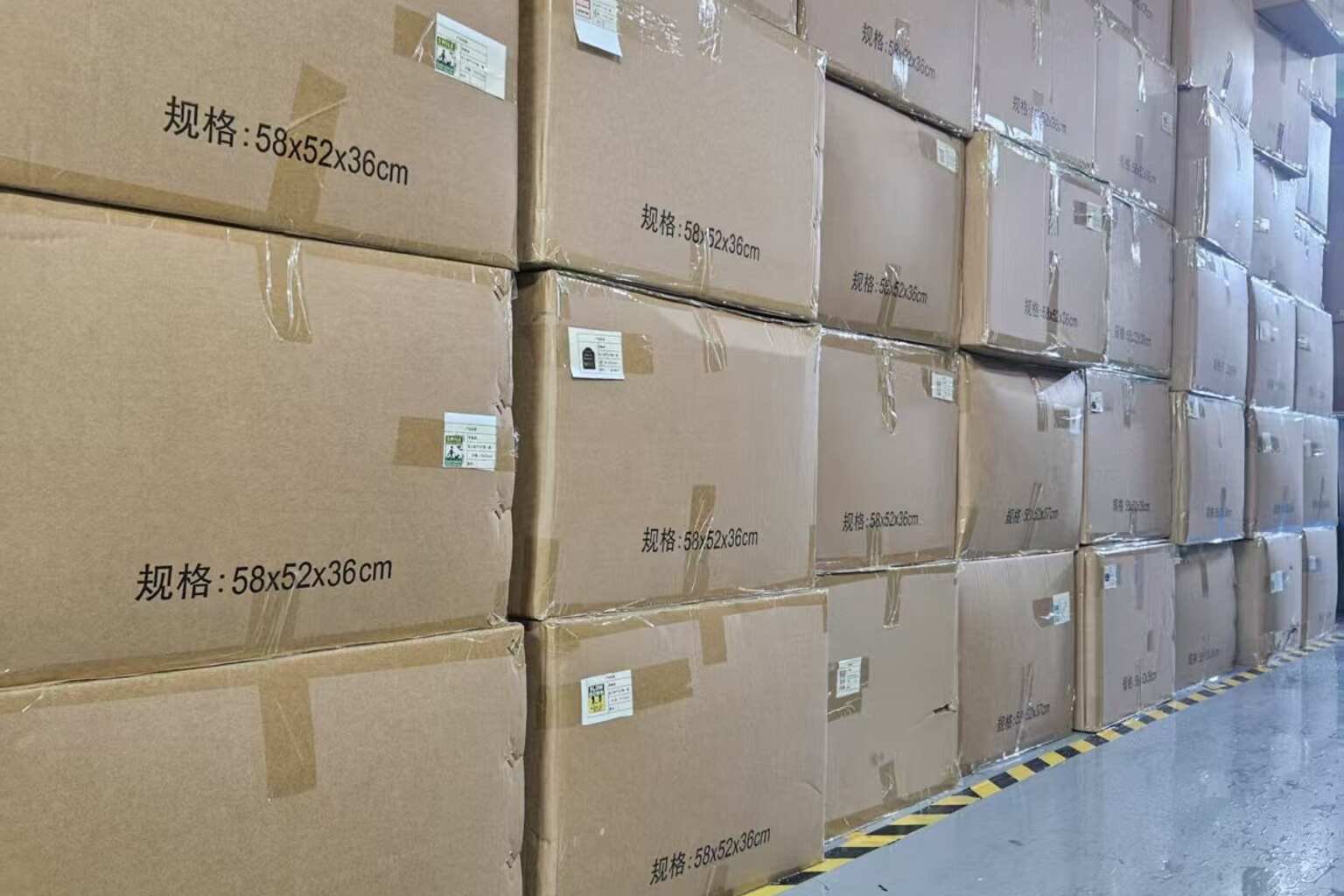
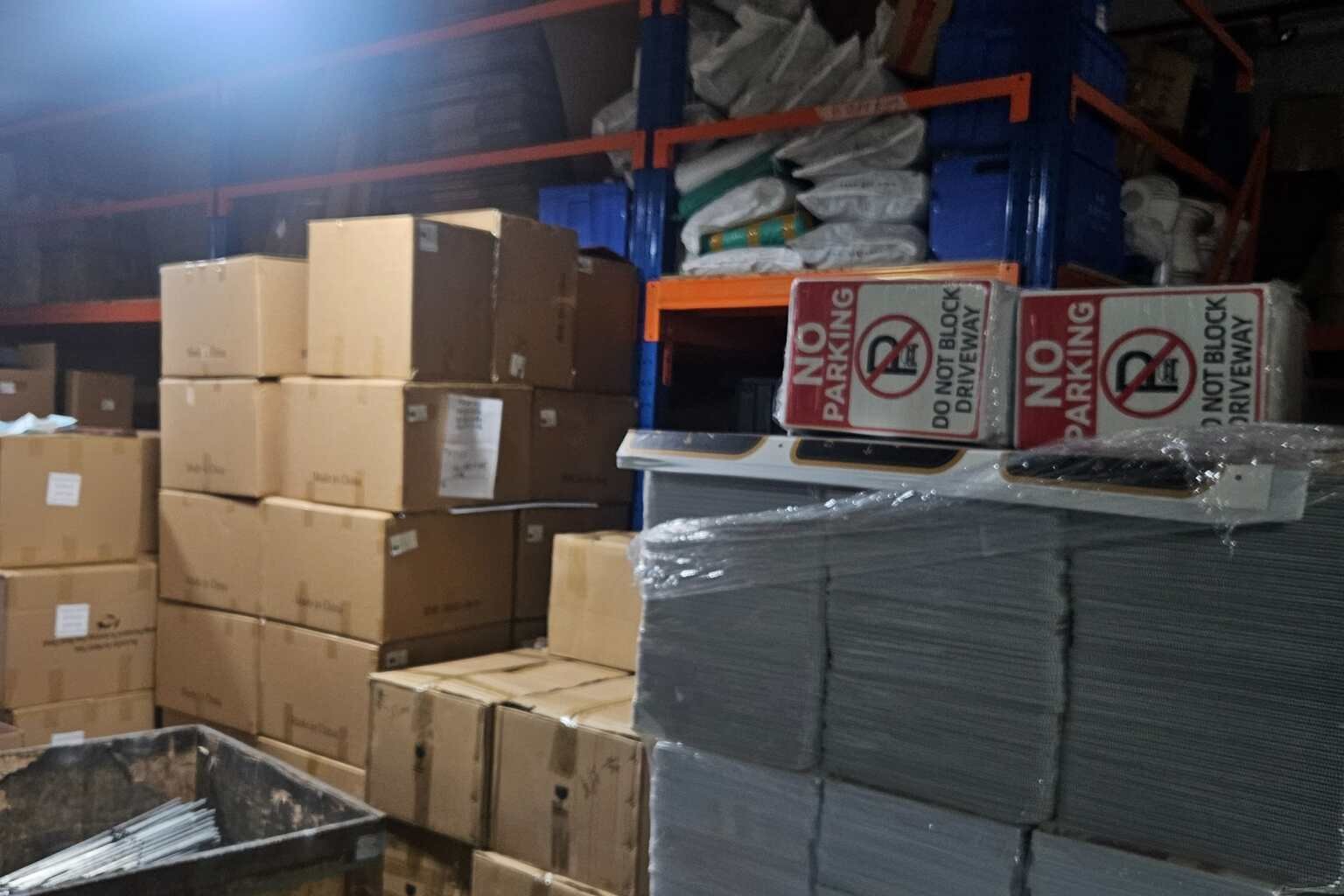
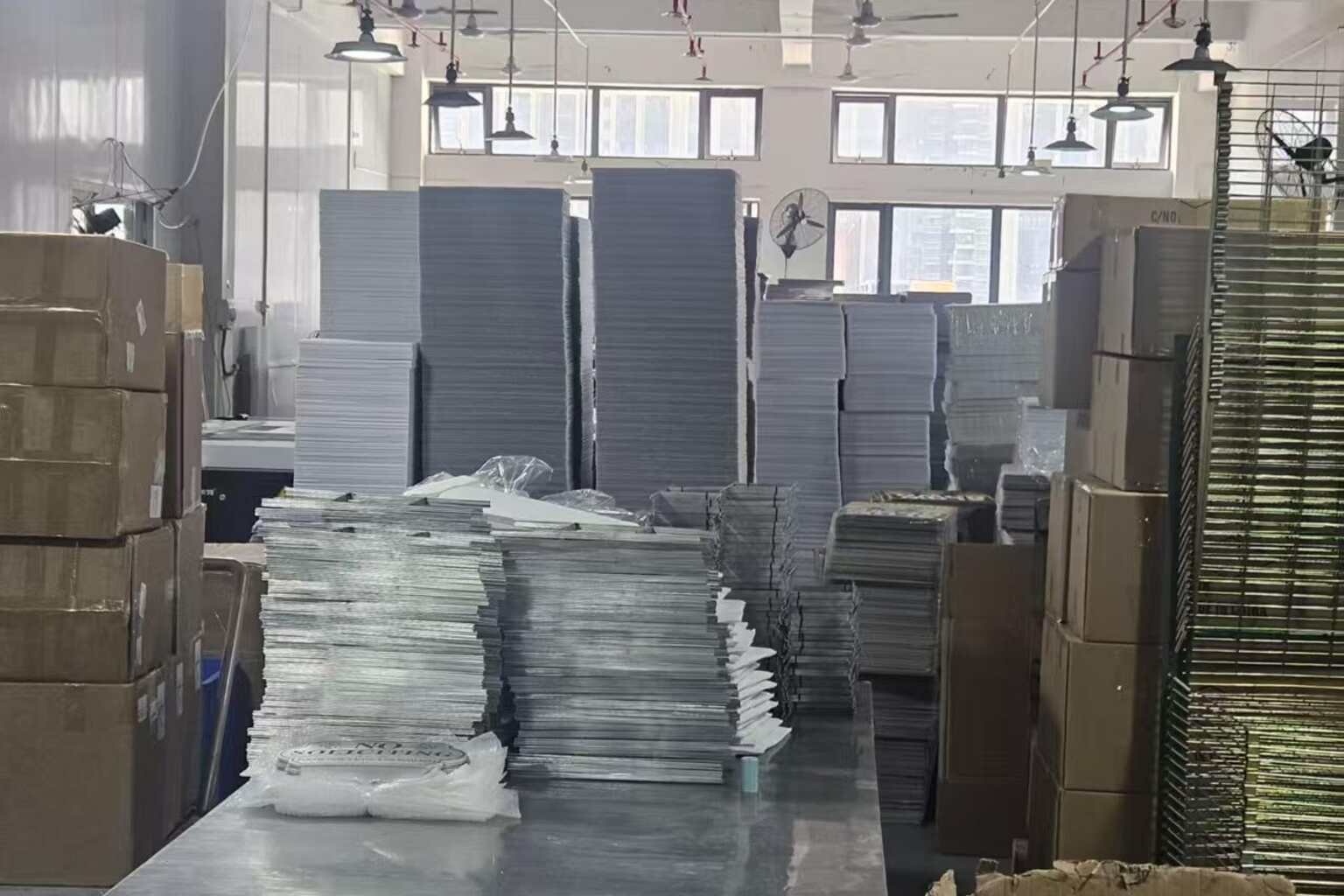
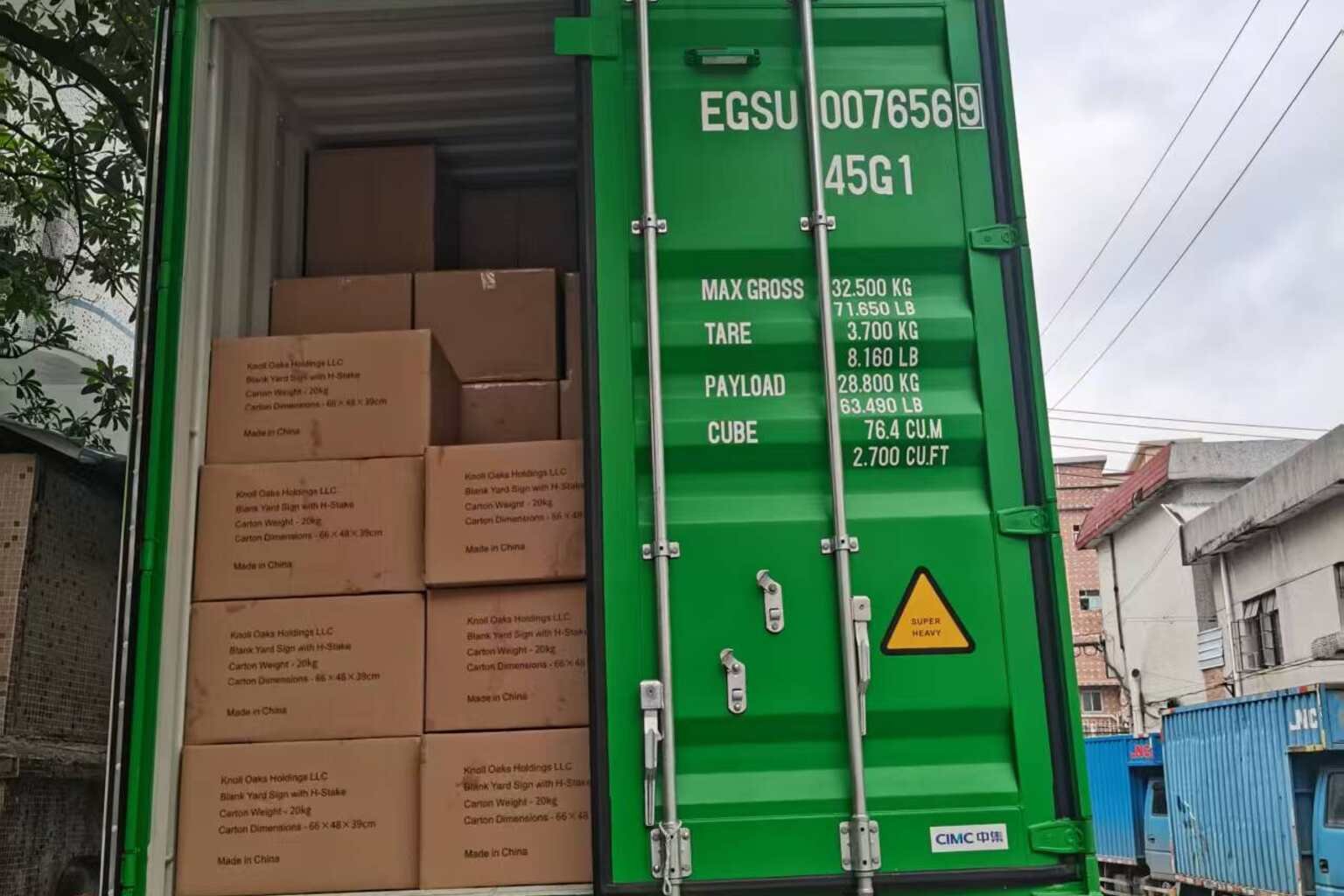
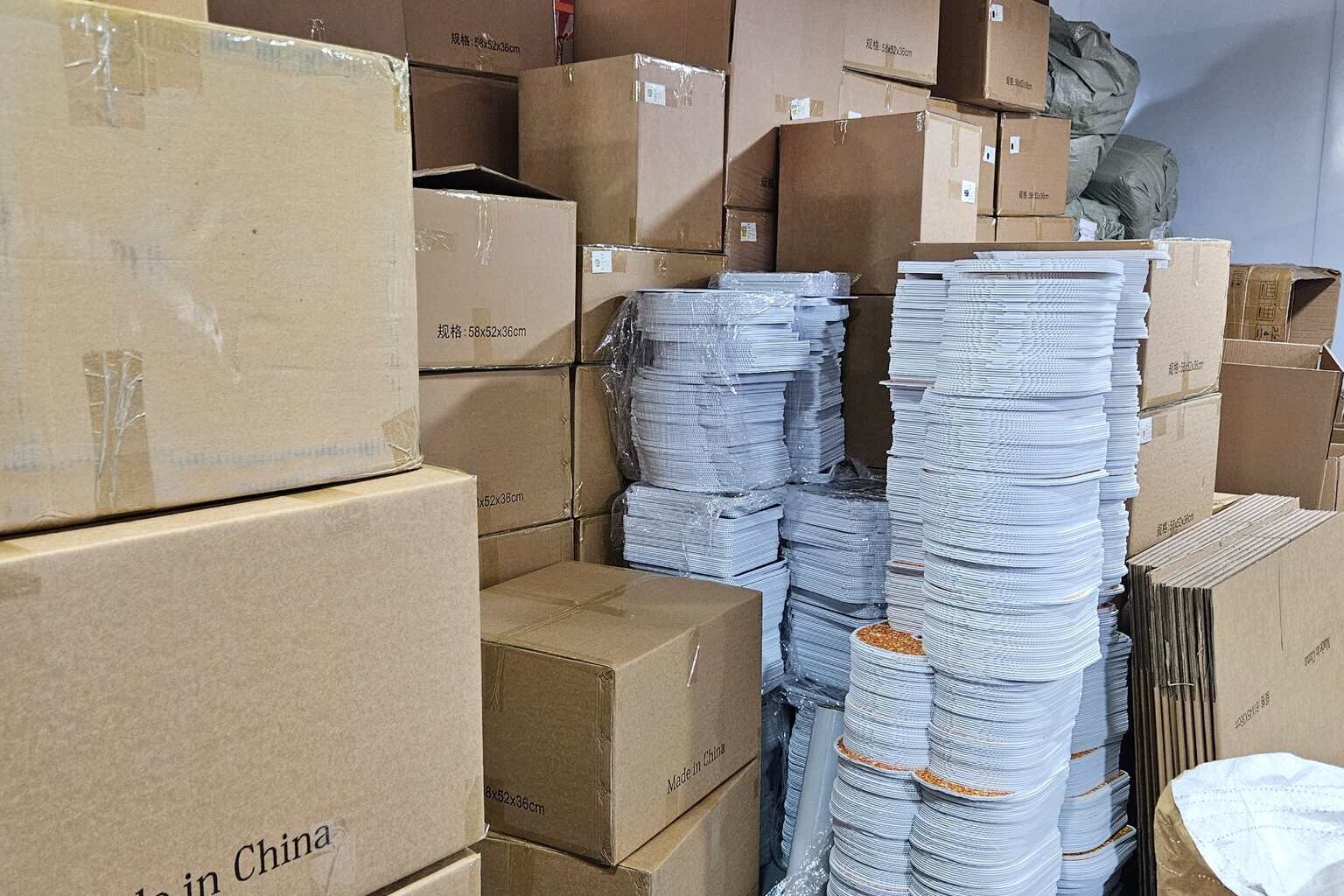
- Bulk inventory, packaging, and factory production
- Cartons prepared for wholesale shipment
Each image should have a descriptive file name and useful ALT text. For example, an ALT text such as “bulk corrugated plastic yard signs with H-stakes” is more informative than “IMG_0025.jpg.”
For the main catalog image, distributors should avoid excessive text and complicated infographics. A real product photo with a short descriptive caption usually provides a better experience for both human visitors and AI search systems.
Create Standard Product Codes for Faster Quoting
When a distributor sells many similar products, product codes make internal communication easier. A product code can identify the size, material, printing side, shape, and stake configuration.
| Example Code | Possible Meaning |
|---|---|
| YS-1824-SS-H | 18 × 24 inch, single-sided, H-stake |
| YS-1824-DS-H | 18 × 24 inch, double-sided, H-stake |
| YS-CUSTOM-SS | Custom shape, single-sided printing |
The exact code system is not important as long as it is logical and consistent. Product codes can be used in quotations, purchase orders, artwork files, cartons, warehouse records, and reorder documents.
Show Price Structure Without Creating Confusion
A distributor does not always need to publish a final selling price for every product. International shipping costs, order quantities, artwork requirements, and delivery locations may change the final quotation.
Instead, the catalog can explain the main pricing factors:
- Quantity ordered
- Board thickness
- Single-sided or double-sided printing
- Standard or custom shape
- Stake type and accessories
- Packaging requirements
- Number of designs or SKUs
- Shipping destination and delivery method
For large orders, distributors can provide quantity tiers such as 500, 1,000, 3,000, and 5,000 sets. The final quotation should clearly state whether the price includes printing, stakes, packaging, transportation, customs clearance, duties, and final delivery.
Design the Catalog for Different B2B Customers
One catalog can serve several customer types, but the product benefits should be adapted to each audience.
For Sign Shops and Print Resellers
Emphasize reliable specifications, print quality, repeatable production, multiple SKUs, and the ability to add yard signs without purchasing additional printing equipment.
For Political Campaign Suppliers
Emphasize campaign quantities, fast artwork confirmation, consistent colors, stake options, carton packing, and clear production and shipping schedules.
For Local Service Brands
Emphasize custom branding, contact information, outdoor durability, simple installation, and the ability to produce signs for multiple branches or service areas.
For Distributors and Resellers
Emphasize product variety, wholesale pricing, private-label packaging, barcode support, repeat ordering, and dependable shipment information.
Keep the Catalog Easy to Update
A product catalog should not become a static document that contains outdated pricing or unavailable specifications. Keep stable product information in the main catalog and provide changing commercial details separately.
Stable information may include:
- Product categories
- Material options
- Standard sizes
- Printing methods
- Stake choices
- Customization capabilities
Information that may change should be confirmed during the quotation process:
- Current unit price
- Shipping cost
- Production schedule
- Raw material availability
- Campaign-season capacity
- Destination-specific delivery time
For DDP sea shipping to North America, transportation may take approximately 30 days. When combined with 3–5 days of production, the total delivery time is commonly around 35–45 days. Air shipping is faster but normally costs more. These details should be confirmed for each order rather than treated as a permanent catalog guarantee.
How iYardSign Supports Distributor Catalog Programs
iYardSign is a China-based custom yard sign manufacturer serving distributors, sign companies, print resellers, campaign suppliers, local service brands, and other international B2B buyers.
We support corrugated plastic yard signs, standard and custom sizes, single- or double-sided UV printing, custom shapes, H-stakes, wire stakes, bulk packaging, and private-label requirements.
Distributors can use supplier information from iYardSign to build a clearer yard sign product catalog, including product specifications, sample photos, quantity-based pricing, packaging details, production timing, and shipping options.
For customers planning 500 or 1,000+ sets, the best starting information includes the expected quantity, product size, artwork status, number of designs, stake requirement, packaging preference, delivery location, and preferred shipping method.
Frequently Asked Questions
What should be included in a yard sign product catalog?
A yard sign product catalog should include product categories, photos, sizes, materials, printing options, stake types, customization options, packaging, minimum order quantities, production lead times, and quotation instructions.
Should distributors publish exact wholesale prices?
They can publish indicative quantity tiers, but the final price should be confirmed according to specifications, artwork, packaging, shipping destination, and delivery method.
Can one catalog serve different industries?
Yes. The product specifications can remain the same, while the catalog explains different applications for real estate, political campaigns, events, local services, and business promotion.
How often should a product catalog be updated?
Review the catalog whenever product specifications, packaging options, supplier capabilities, or ordering procedures change. Prices and shipping costs should be confirmed separately for each quotation.
Can iYardSign provide information for a distributor catalog?
Yes. iYardSign can provide product specifications, real photos, customization options, sample information, packaging details, and bulk quotation support for qualified B2B buyers.
Build a Better Yard Sign Product Catalog
Are you a distributor, sign company, or print reseller looking to expand your yard sign product range? Send us your target products, quantities, specifications, and delivery location. iYardSign can help you prepare accurate product and quotation information for your B2B customers.