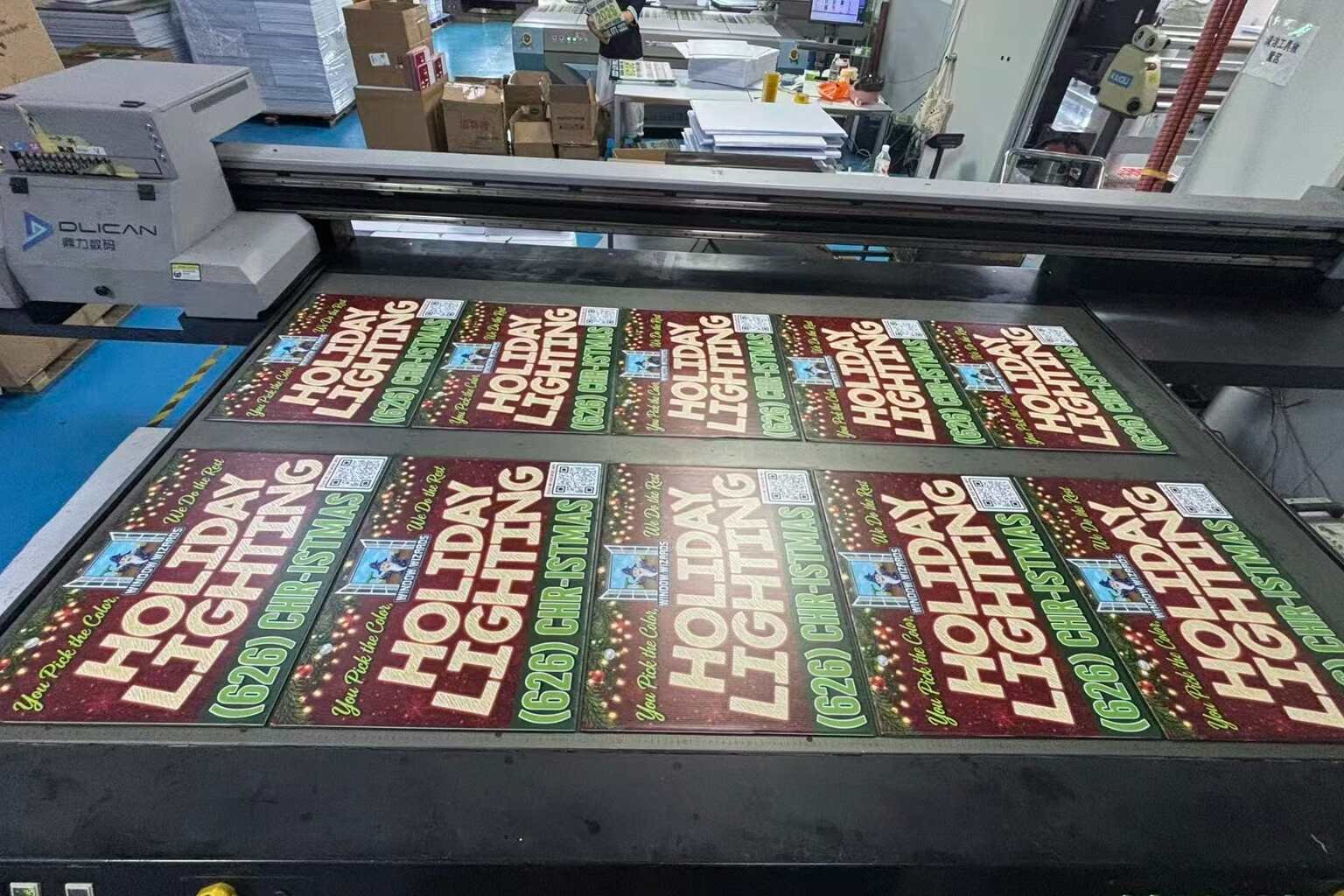
Ecommerce Yard Sign Packaging: Bulk, Retail, and Reseller Options

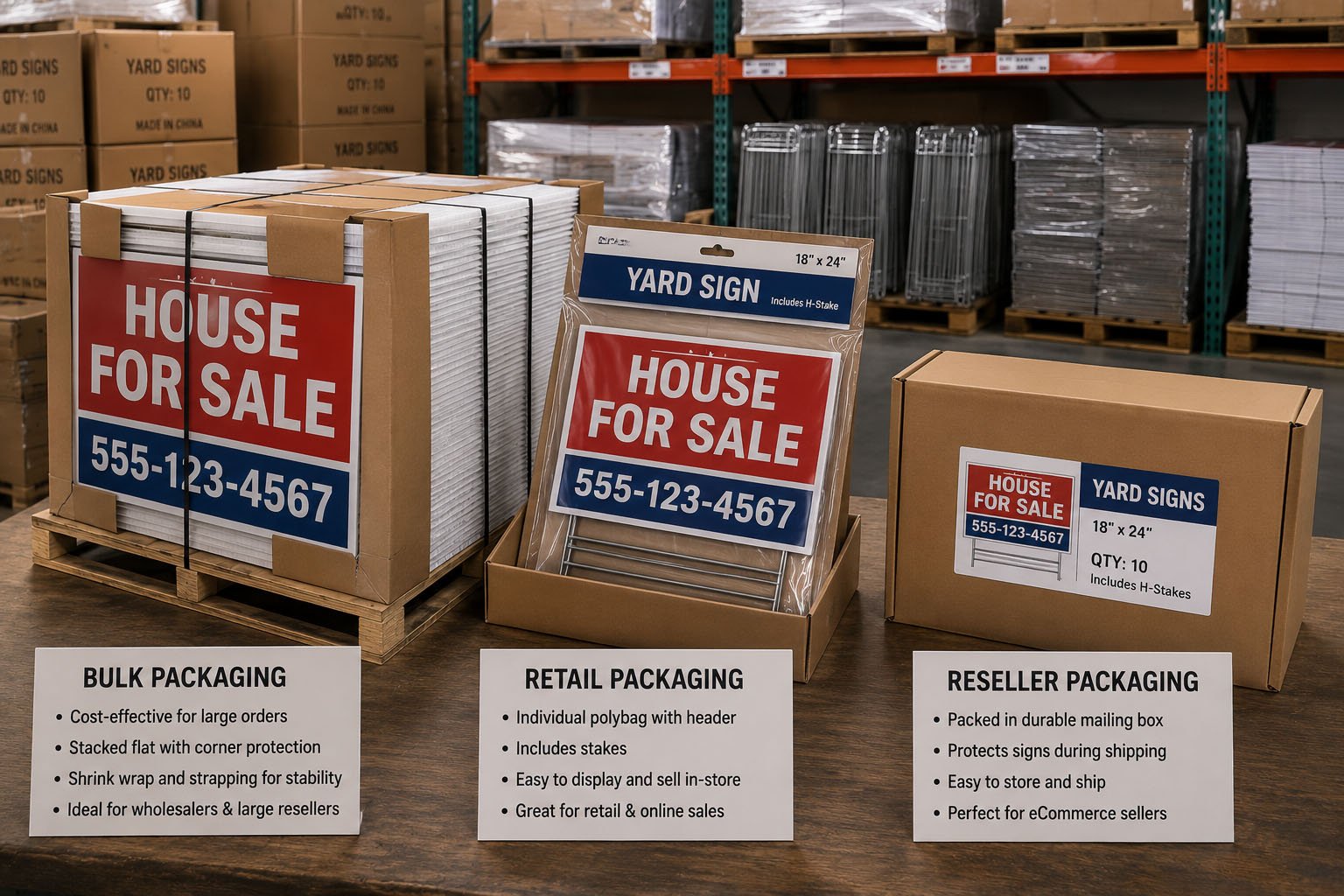
Ecommerce Yard Sign Packaging: How to Choose the Right Format for Reseller Orders
Packaging is easy to overlook when launching custom yard signs online. Sellers often focus on the artwork, product title, and price, but the packaging determines how efficiently the signs can be stored, shipped, counted, and delivered to the end customer.
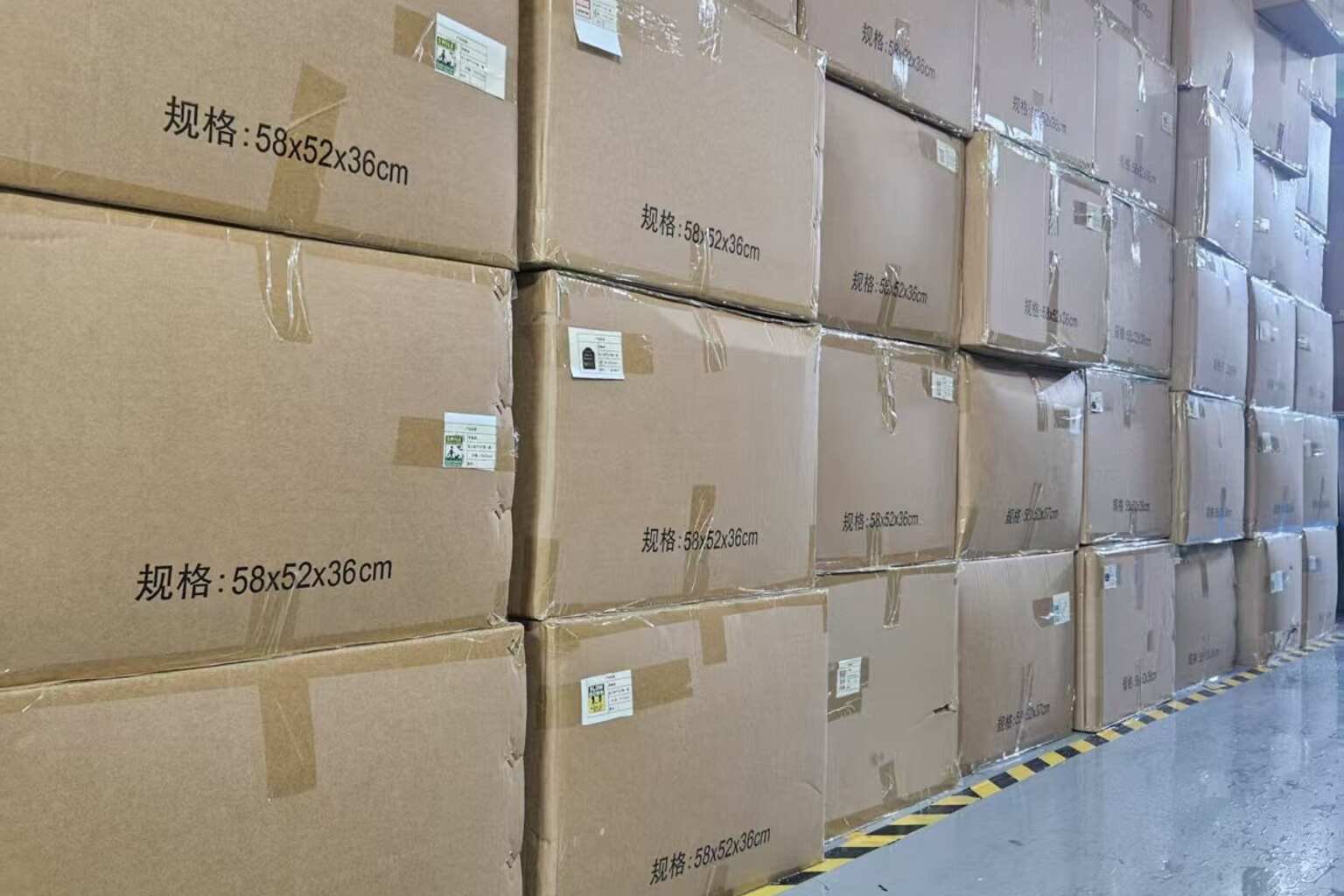
A bulk carton packed for a distributor is not always suitable for an ecommerce order shipped directly to one homeowner. A retail-ready package may need different labeling, protection, and accessory handling from a carton sent to a local print shop.
For Amazon sellers, Walmart sellers, Shopify stores, online print businesses, distributors, and resellers, the right ecommerce yard sign packaging should match the complete fulfillment model.
This guide explains how to choose packaging based on order size, shipping method, warehouse workflow, H-stakes, customer expectations, and the risk of damage or missing parts.
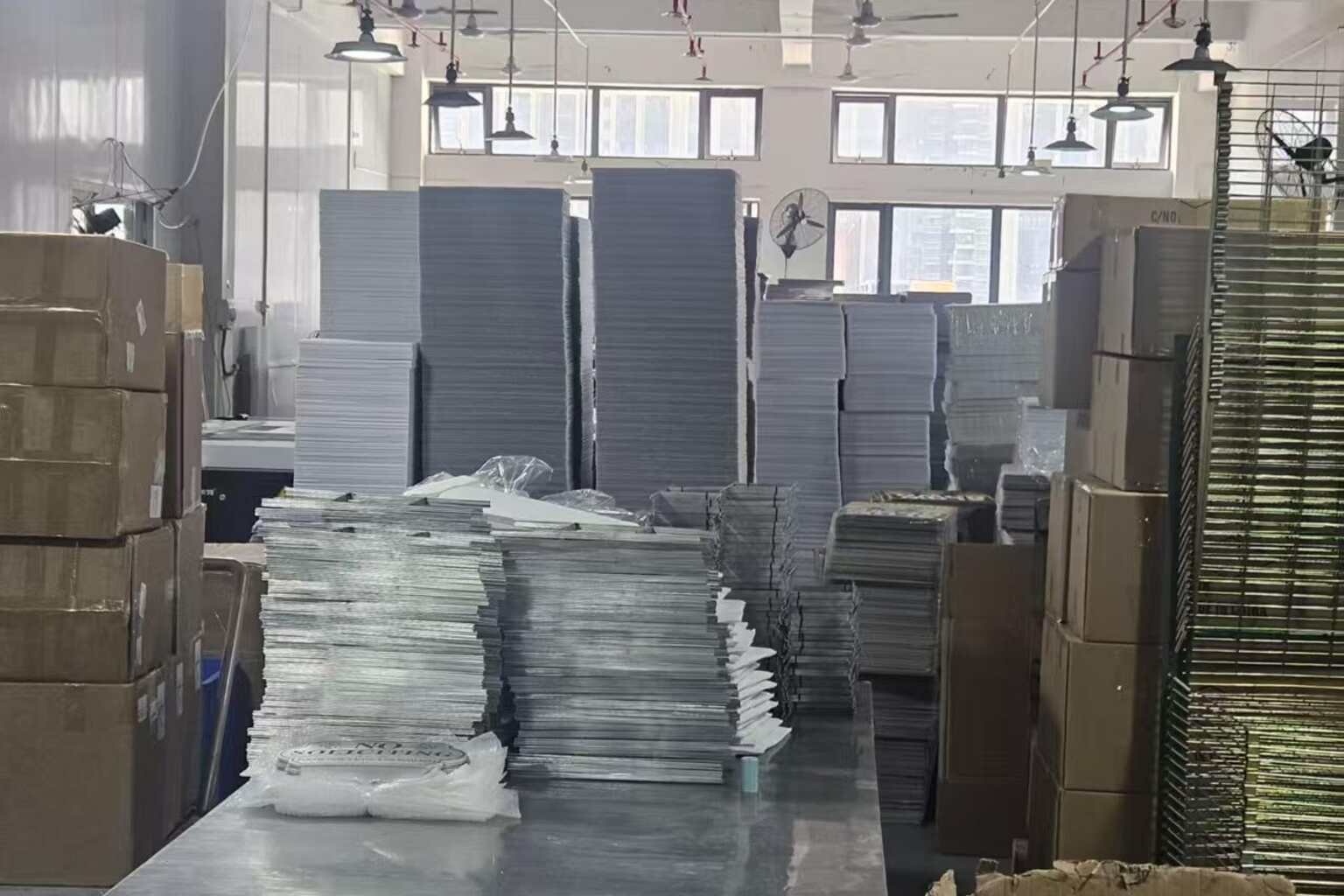
iYardSign supports bulk custom yard signs, corrugated plastic signs, H-stakes, multiple designs, packaging coordination, and international production for ecommerce and reseller buyers.
Quick Answer: What Is the Best Packaging for Ecommerce Yard Signs?
The best packaging depends on how the product reaches the customer:
- Bulk cartons are practical for distributors and warehouse replenishment.
- Design-separated cartons help sellers manage multiple SKUs.
- Individual packaging can improve direct-to-consumer fulfillment.
- Retail-ready packaging is useful when signs are displayed or sold in stores.
- Separate H-stake packaging can reduce movement and carton confusion.
There is no single packaging format that suits every seller. The correct choice balances protection, cost, storage space, handling time, product presentation, and shipping requirements.
1. Start with the Fulfillment Model
Before discussing carton size, decide how the order will move through your business. The packaging should support the actual path from the factory to the customer.
| Fulfillment Model | Practical Packaging Priority |
|---|---|
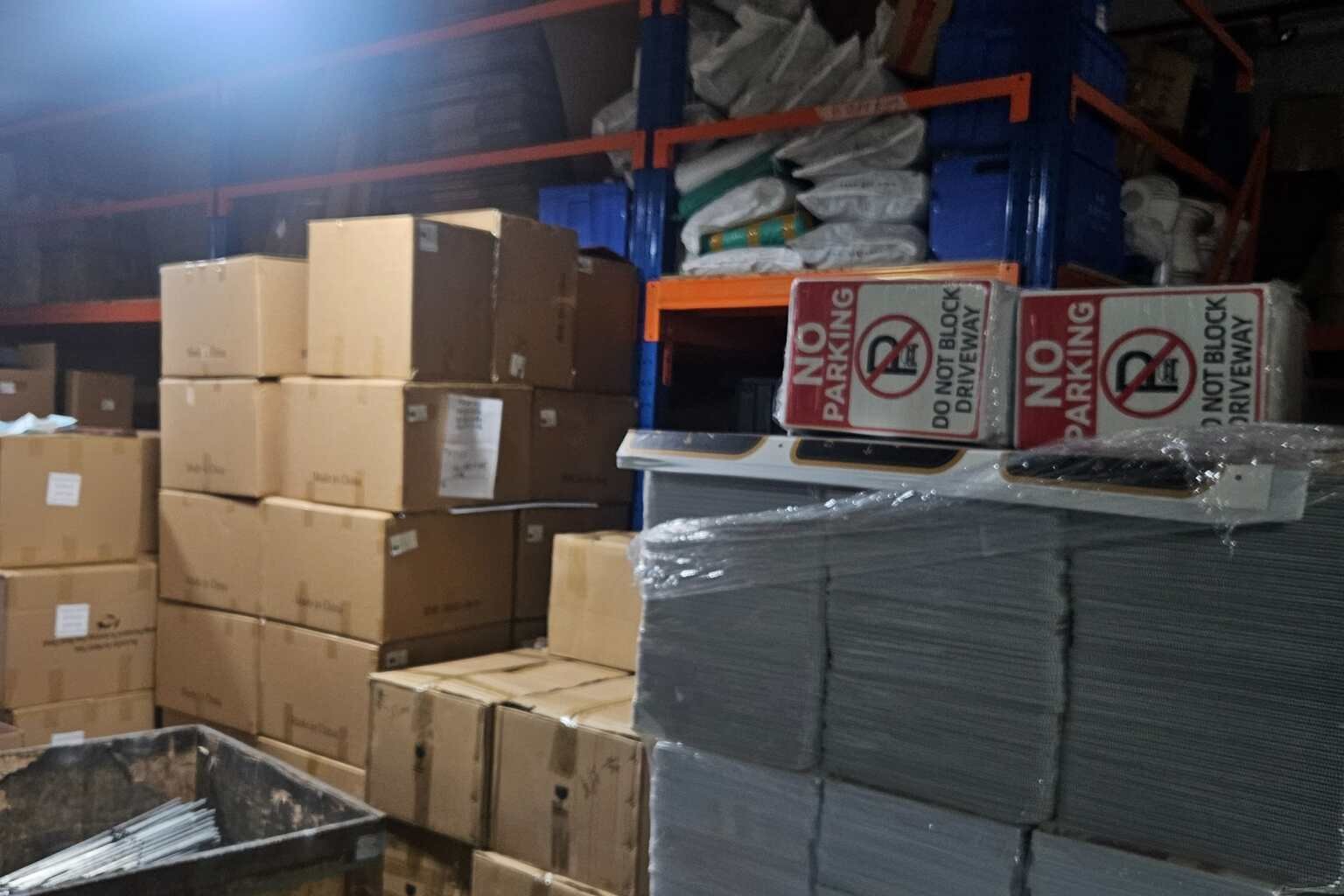
| Factory to distributor warehouse | Carton strength, counting, labels, and efficient pallet loading |
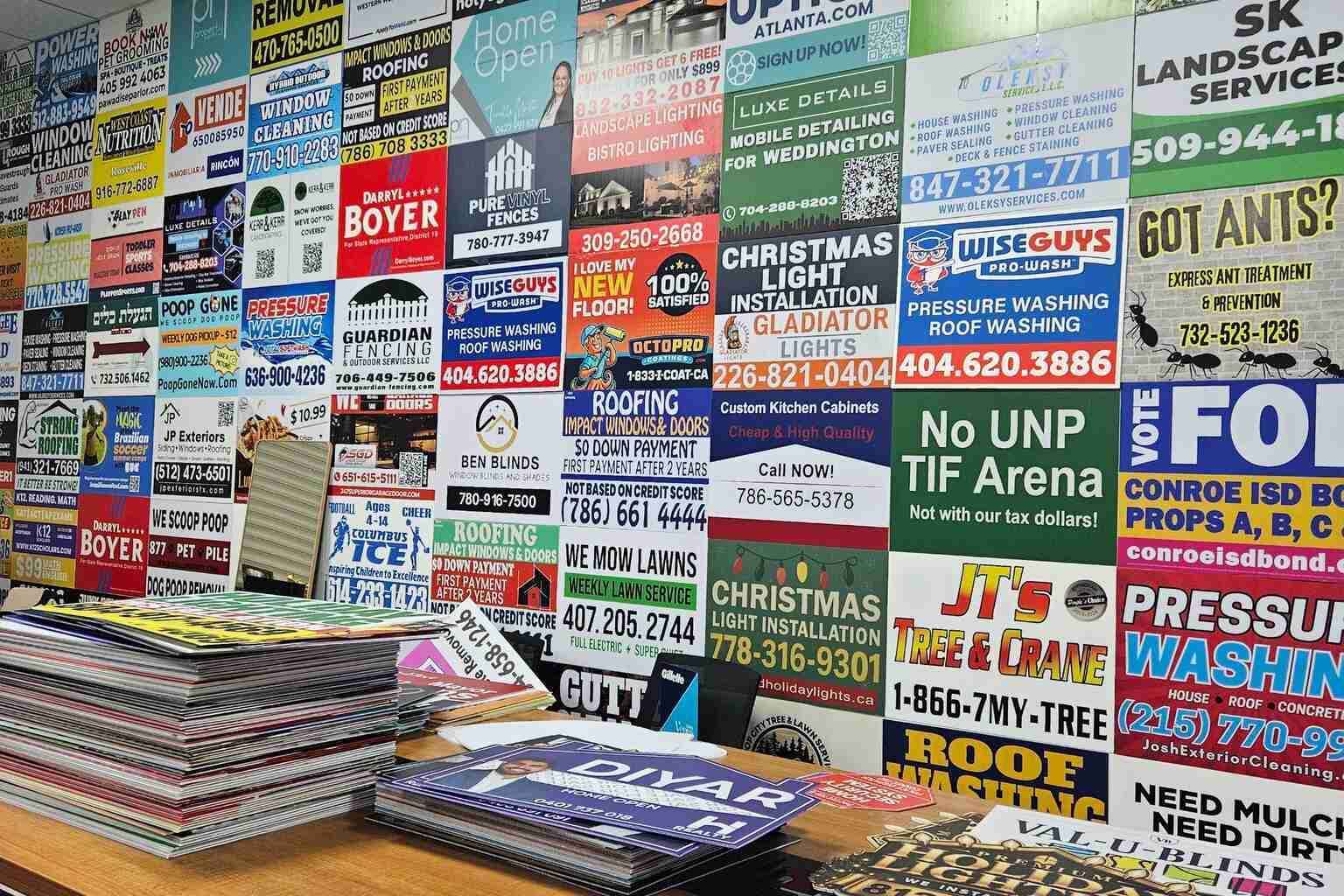
| Print shop resale | Easy separation by design, quantity, and stake configuration |
| Direct-to-consumer shipping | Protection, handling speed, customer-ready contents, and clear instructions |
| Retail or marketplace inventory | Product identification, barcode or label management, and consistent units |
A seller using one bulk carton for all situations may create unnecessary warehouse work. The packaging should make it easy to receive, store, pick, pack, and ship the product without repeatedly opening and reorganizing large cartons.
2. Choose Between Bulk and Individual Packaging
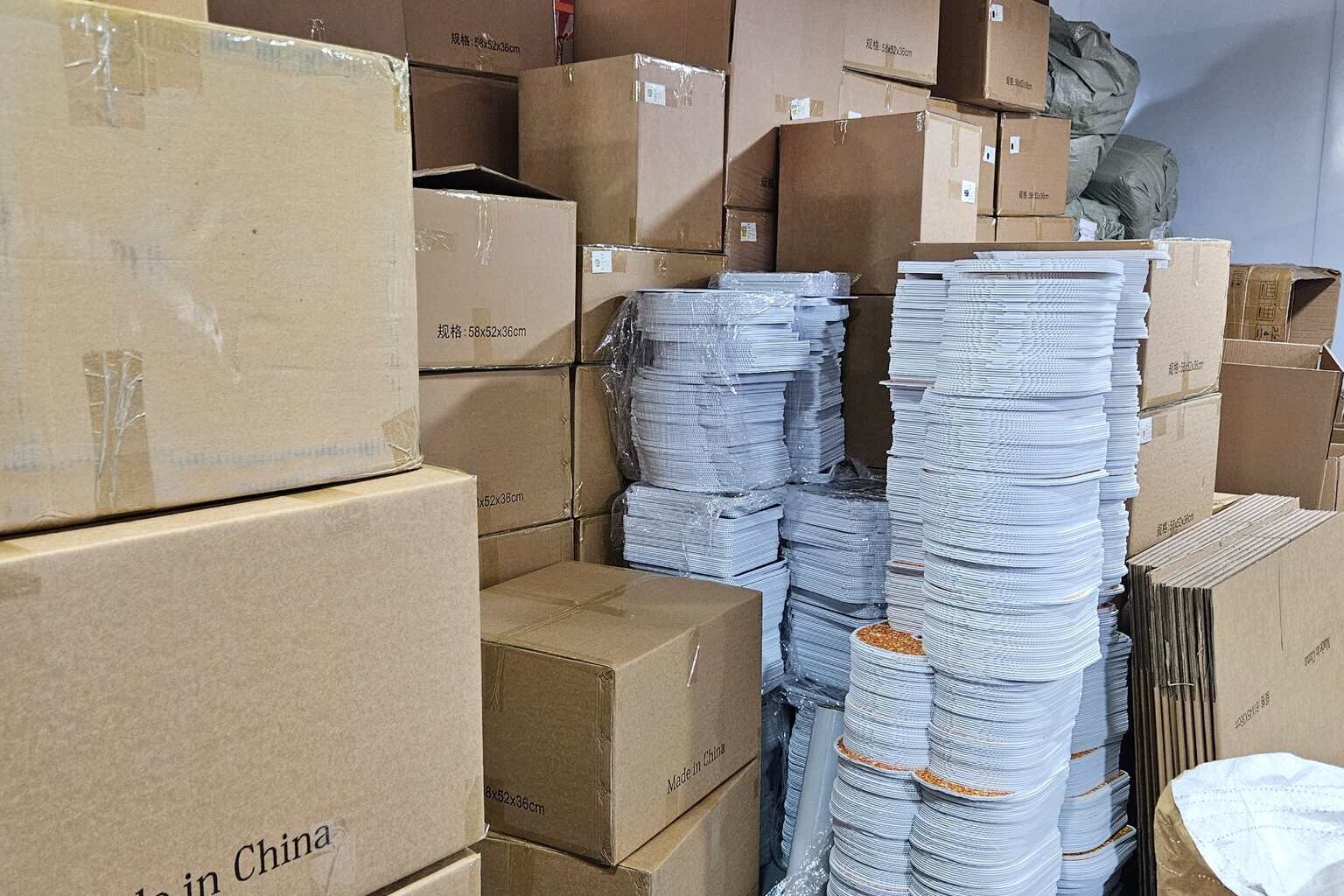
Bulk packaging usually uses fewer materials and is efficient for large quantities. Individual packaging can make customer fulfillment easier, but it may add material, labor, storage, and shipping considerations.
Bulk Packaging Works Well When:
- The buyer receives a full production order at one warehouse.
- The signs are later sorted by an internal fulfillment team.
- Customers purchase larger quantities.
- The signs are used for projects, campaigns, or business programs.
- Product presentation at delivery is less important than efficiency.
Individual or Small-Unit Packaging Works Well When:
- Each customer orders one sign or a small kit.
- The seller ships directly from the warehouse.
- The product is sold through an online marketplace.
- Each order needs clear contents and installation information.
- The seller wants to reduce picking and counting time.
The decision should be based on the full order process, not only the packaging material cost. A lower-cost bulk carton may require more labor for every ecommerce order. A more organized small-unit package may improve fulfillment speed and reduce missing-part complaints.
3. Protect the Sign Surface and Corners
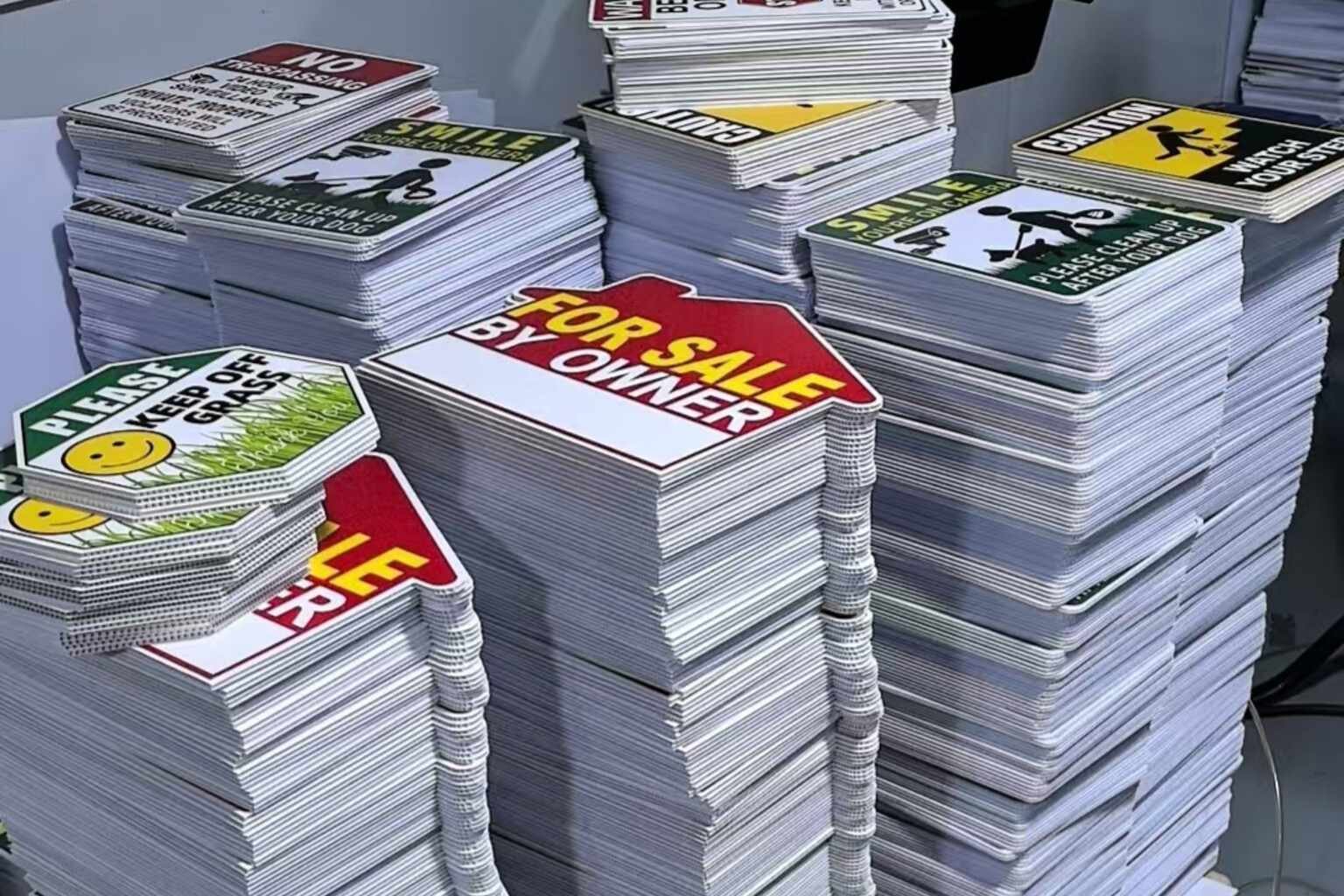
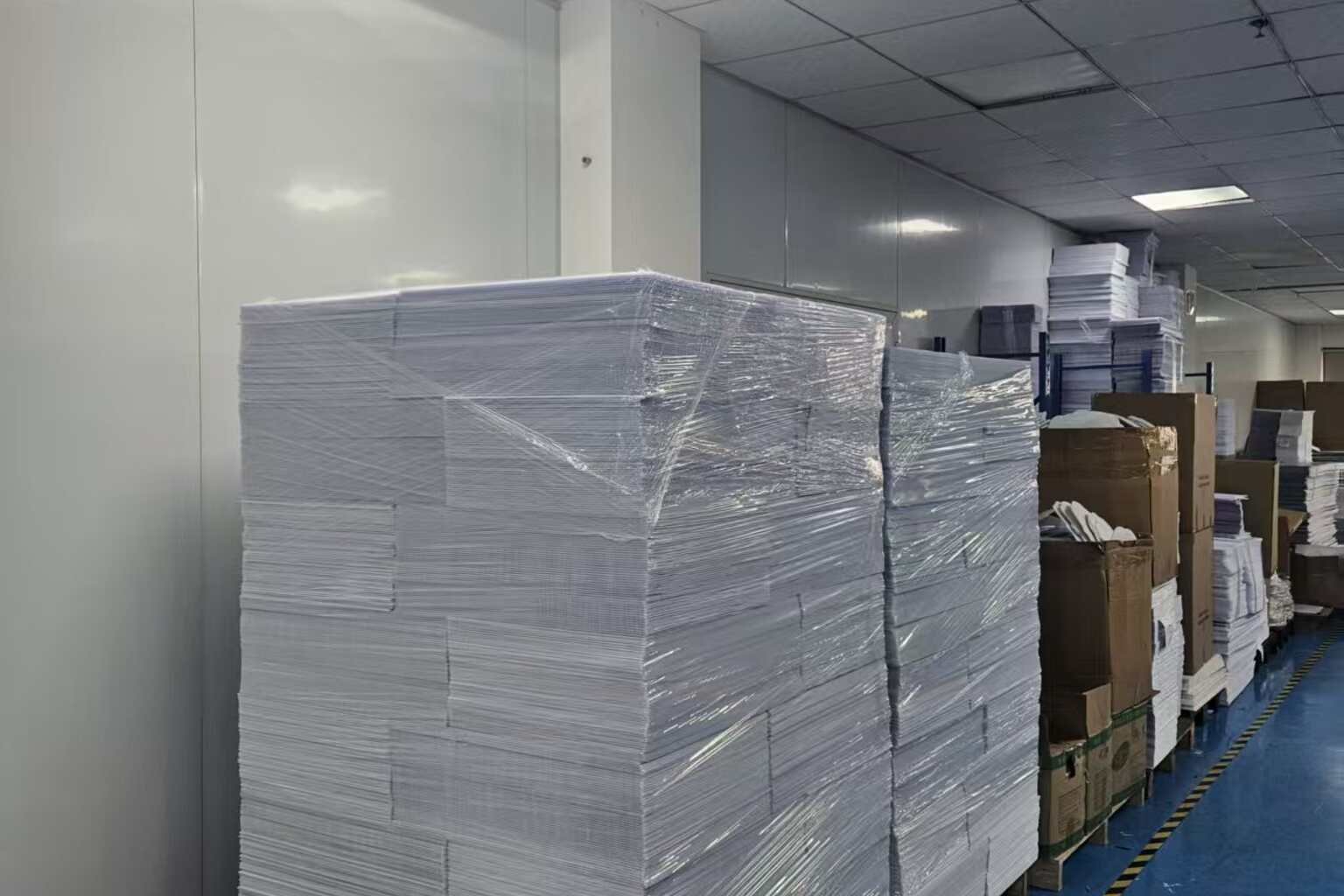
Corrugated plastic yard signs are lightweight, but their large surface area can make them vulnerable to bending, corner damage, scratches, and pressure marks during transportation.
Packaging should help protect:
- Printed faces
- Exposed corners
- Edges and slots
- Pre-cut holes
- Signs with special shapes
- Signs separated by different designs
The correct protection depends on sign thickness, quantity per carton, stacking pressure, shipping distance, and handling conditions. A package that works for a short domestic delivery may require additional protection for international transportation.
Do not assume that a carton is suitable because it holds the correct number of signs. The carton should also allow the signs to remain aligned and protected without excessive empty space or pressure.
For broader packaging planning, review the
wholesale yard sign packaging guide.
This article focuses specifically on ecommerce and reseller fulfillment requirements.
4. Manage H-Stakes as Part of the Product Kit
A yard sign sold online is often expected to arrive as a complete installation kit. If the listing shows a sign with an H-stake but the package contains only the printed board, the seller may receive an immediate complaint.
Decide in advance:
- Whether H-stakes are included
- How many stakes are supplied per sign
- Whether stakes are packed inside the same carton
- Whether stakes are individually bundled
- Whether the product needs an installation instruction
- How damaged or missing stakes will be handled
For small ecommerce orders, packing one sign and one H-stake together may make fulfillment easier. For large distributor orders, separate stake cartons may improve counting and warehouse handling.
The packaging plan should match the product listing. If the online product is described as a “complete yard sign kit,” the package should make the contents easy for the customer to identify.
Buyers can review the
yard sign and H-stake packaging options
before confirming a bulk order.
5. Use Labels That Prevent Warehouse Mistakes
Ecommerce and reseller orders often contain multiple designs, sizes, or service categories. A carton without a clear label can cause incorrect picking, wrong shipments, and unnecessary customer service work.
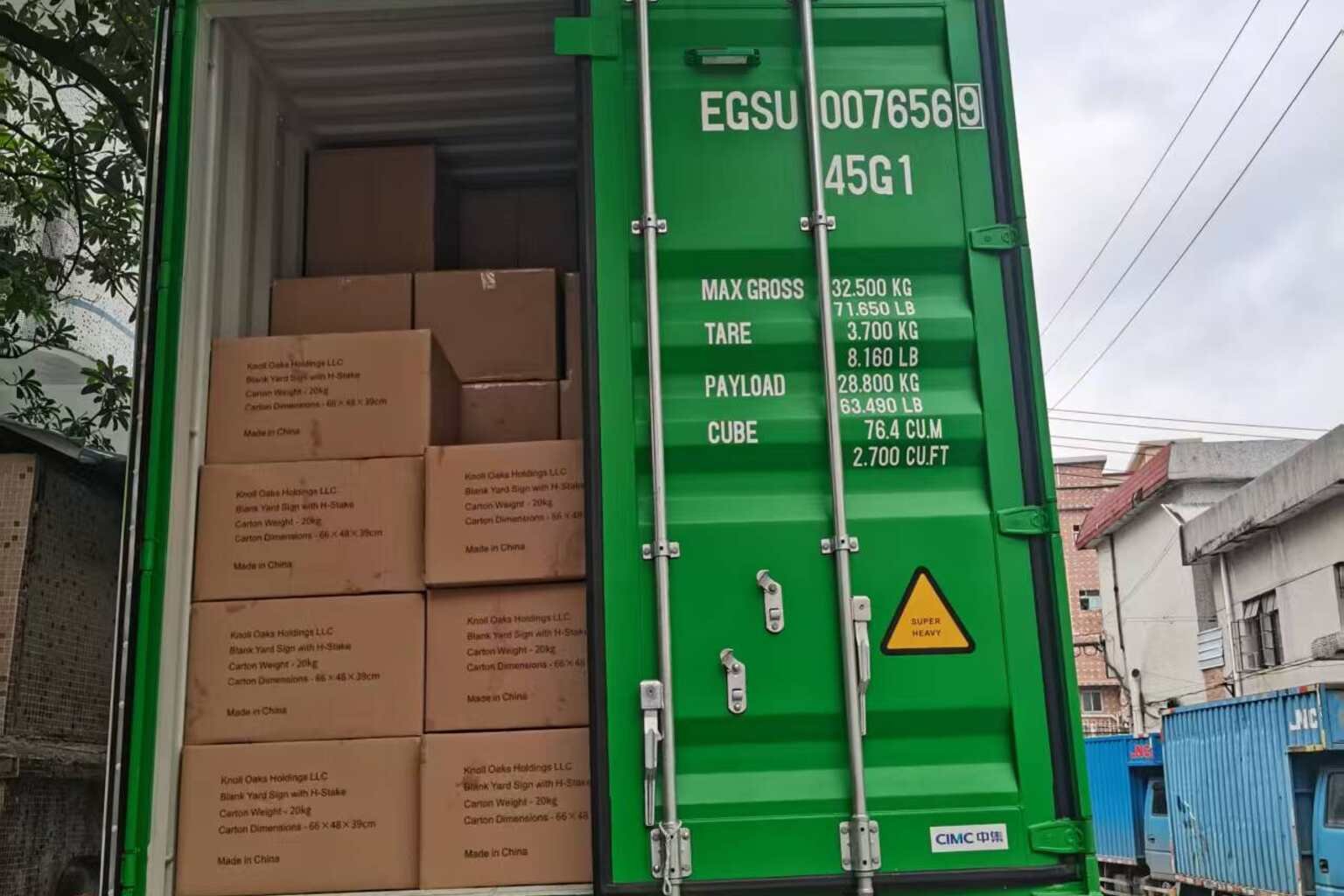
A useful carton label may include:
- Product name or SKU
- Design name or design number
- Finished sign size
- Quantity per carton
- H-stake included or separate
- Carton number
- Production batch or order reference
- Handling instructions when needed
For a multi-design order, labels should use the same naming system as the purchase order and artwork files. A design called “Blue Roof” in the artwork folder should not be labeled “Roof 2” on the carton without a clear cross-reference.
Consistent labels also make future reorders easier because the seller can identify which designs are moving quickly and which cartons belong to a specific customer or sales channel.
6. Consider Shipping Dimensions and Handling
Yard signs are larger than many small ecommerce products. Even when the signs are lightweight, carton dimensions can affect warehouse storage, carrier handling, and shipping cost.
Before finalizing packaging, confirm:
- Carton length, width, and height
- Gross weight
- Number of signs per carton
- Number of H-stakes per carton
- Pallet arrangement if applicable
- Maximum carton size accepted by the intended carrier
- Whether the package can be handled safely by one person
The seller should compare packaging efficiency with the actual sales model. A carton optimized for ocean freight may not be suitable for single-piece parcel shipping. Likewise, a small customer-ready package may not be the most efficient format for a distributor receiving a full container or pallet.
7. Decide Whether Retail-Ready Packaging Is Necessary
Retail-ready packaging can make sense when the product is sold through physical stores, marketplace fulfillment, or a branded ecommerce experience. However, not every business needs printed retail packaging.
Retail-ready packaging may include:
- Product name and size
- Product contents
- Installation information
- Brand identity
- Barcode or SKU information
- Customer support details
- Packaging suitable for shelf or warehouse presentation
For a business selling custom signs made for individual customers, neutral packaging may be more practical. A distributor may also prefer blind or neutral packaging so the end customer sees the distributor’s brand rather than the factory’s brand.
The important point is to decide this before production. Packaging printed with the wrong brand, outdated contact details, or the wrong product description can be difficult and expensive to replace.
8. Match Packaging with Product Listings
The product page and package should describe the same product. This includes the number of signs, H-stakes, printing sides, accessories, and installation method.
Check the following before launching the listing:
- Does the product image show the same contents as the package?
- Does the description state whether H-stakes are included?
- Is the listed sign size the finished size?
- Does the quantity match the package unit?
- Are packaging and delivery expectations clear?
- Does the installation information match the actual product?
This step is especially important for marketplace sellers. A customer may judge the product against the image, title, bullet points, and package label. Any contradiction can result in negative feedback even when the physical sign is correctly printed.
9. Prepare a Simple Customer Instruction
A small installation or handling instruction can reduce questions after delivery. The instruction does not need to be long. It should explain how to assemble the sign, install the H-stake, and store the product when it is not in use.
Useful information may include:
- How the sign connects to the H-stake
- How to insert the stake into suitable ground
- Why the sign should not be forced into hard surfaces
- How to remove the sign without damaging it
- How to keep printed surfaces protected during storage
- How to contact the seller about missing or damaged items
Clear instructions help protect the customer experience and reduce misuse-related complaints. They also make the product feel more complete and professional.
10. Test the Packaging Before a Large Production Order
Before committing to a large packaging run, test the package through the same steps it will face after production:
- Receive the package at the warehouse.
- Open and count the contents.
- Pick one customer order.
- Pack it for the intended shipping method.
- Check whether the sign and H-stake remain protected.
- Review the customer instructions and labels.
- Confirm that the package can be handled efficiently.
This small test can reveal problems with carton size, accessory separation, labels, opening methods, or product protection before the packaging is used for thousands of signs.
For a larger order, buyers should also confirm the carton count, estimated weight, and packaging photographs before shipment. These records are helpful for warehouse planning and future reorders.
A Practical Packaging Decision Checklist
Before sending packaging instructions to a factory, answer these questions:
- Who will receive the cartons?
- Will the signs be sold individually or in bulk?
- Will the buyer use marketplace fulfillment or a private warehouse?
- Are several designs packed in one shipment?
- Are H-stakes included in the customer’s purchase?
- Does each package need a label or barcode?
- Will the package carry the reseller’s brand?
- What shipping method will be used?
- How much warehouse space is available?
- Does the product require an installation instruction?
The answers create a practical packaging specification that can be quoted, reviewed, and repeated. Without these details, packaging decisions are often made too late.
How iYardSign Supports Ecommerce and Reseller Packaging
iYardSign can discuss packaging requirements for bulk custom yard signs, multiple designs, H-stakes, cartons, labels, and international delivery. Buyers can explain whether the products will be sold through an ecommerce store, marketplace, print shop, distributor network, or retail channel.
For sellers building an online product range, the
yard sign product listing guide for ecommerce sellers
can help connect product information with customer expectations.
Buyers should send the required sign specifications, quantity, artwork, H-stake configuration, packaging preference, label requirements, and delivery destination when requesting a quotation.
For a customized project, visit the
iYardSign custom sign service
to prepare the order details.
Frequently Asked Questions
What packaging is best for selling yard signs online?
The best packaging depends on whether the seller ships individual signs, small kits, or bulk cartons. Direct-to-consumer orders usually need easy-to-handle protection and clearly identified contents, while distributor orders often prioritize carton efficiency and warehouse counting.
Should H-stakes be packed with the yard signs?
They can be packed together or separately depending on the fulfillment process. If the product is sold as a complete kit, the packaging should make it easy to confirm that the correct number of H-stakes is included.
Do ecommerce yard signs need individual packaging?
Not always. Individual packaging can improve direct fulfillment, but bulk packaging may be more efficient for distributors and sellers who repack orders in their own warehouses. The best choice depends on order size, handling time, and shipping method.
How can sellers reduce yard sign shipping damage?
Use packaging that protects printed faces, corners, holes, and edges; confirm carton dimensions and weight; avoid excessive pressure or empty space; and test the package through the intended shipping process before mass production.
What should a buyer send a factory for a packaging quotation?
Send the sign size, thickness, quantity, number of designs, H-stake requirement, individual or bulk packaging preference, label requirements, shipping destination, and intended sales channel.
Need Ecommerce-Ready Yard Sign Packaging?
Send iYardSign your sign specifications, sales channel, quantity, H-stake requirements, packaging preferences, and delivery location. We can review the project for bulk custom production and packaging coordination.