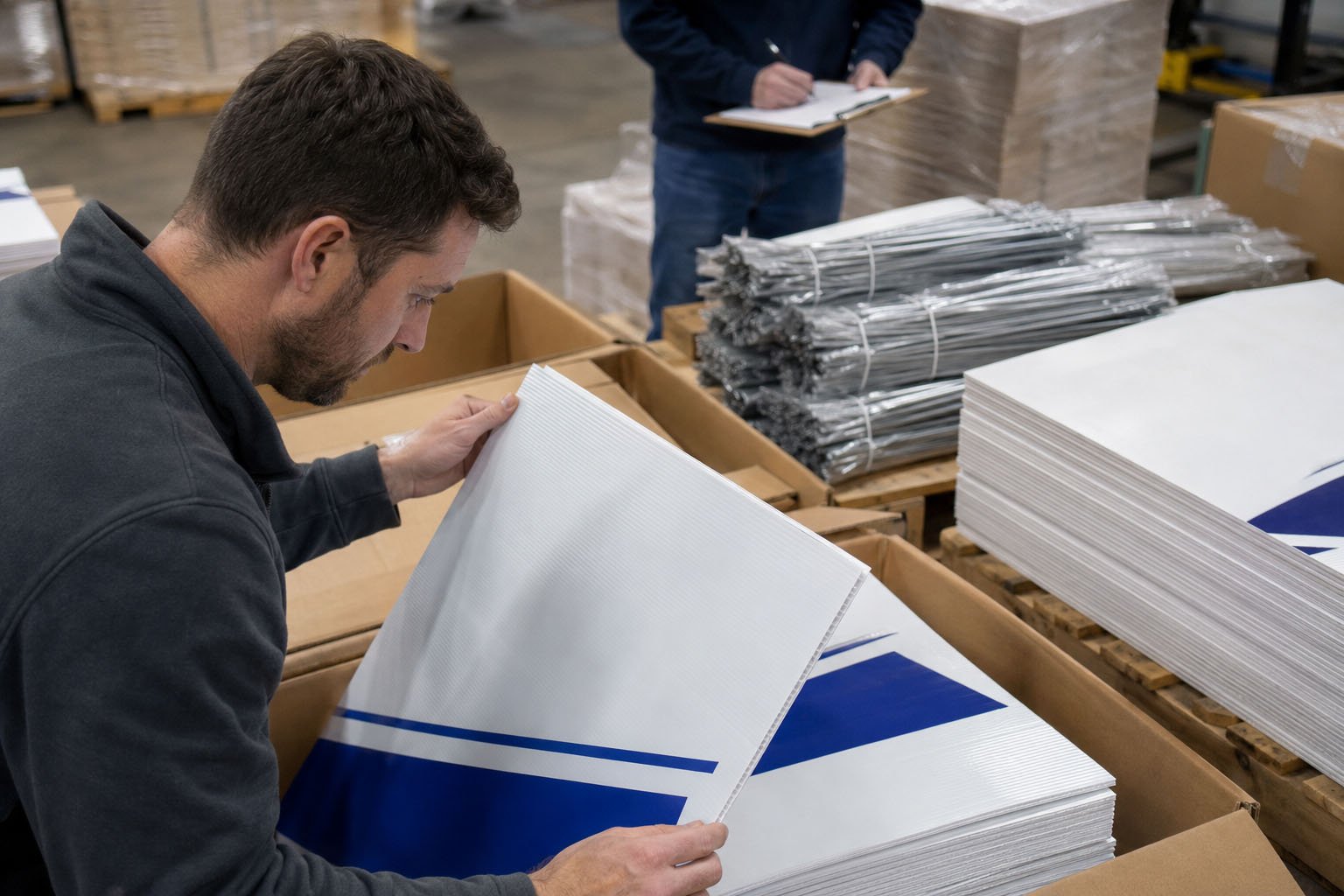
Yard Sign Inventory Planning: A China Sourcing Guide for Print Shops

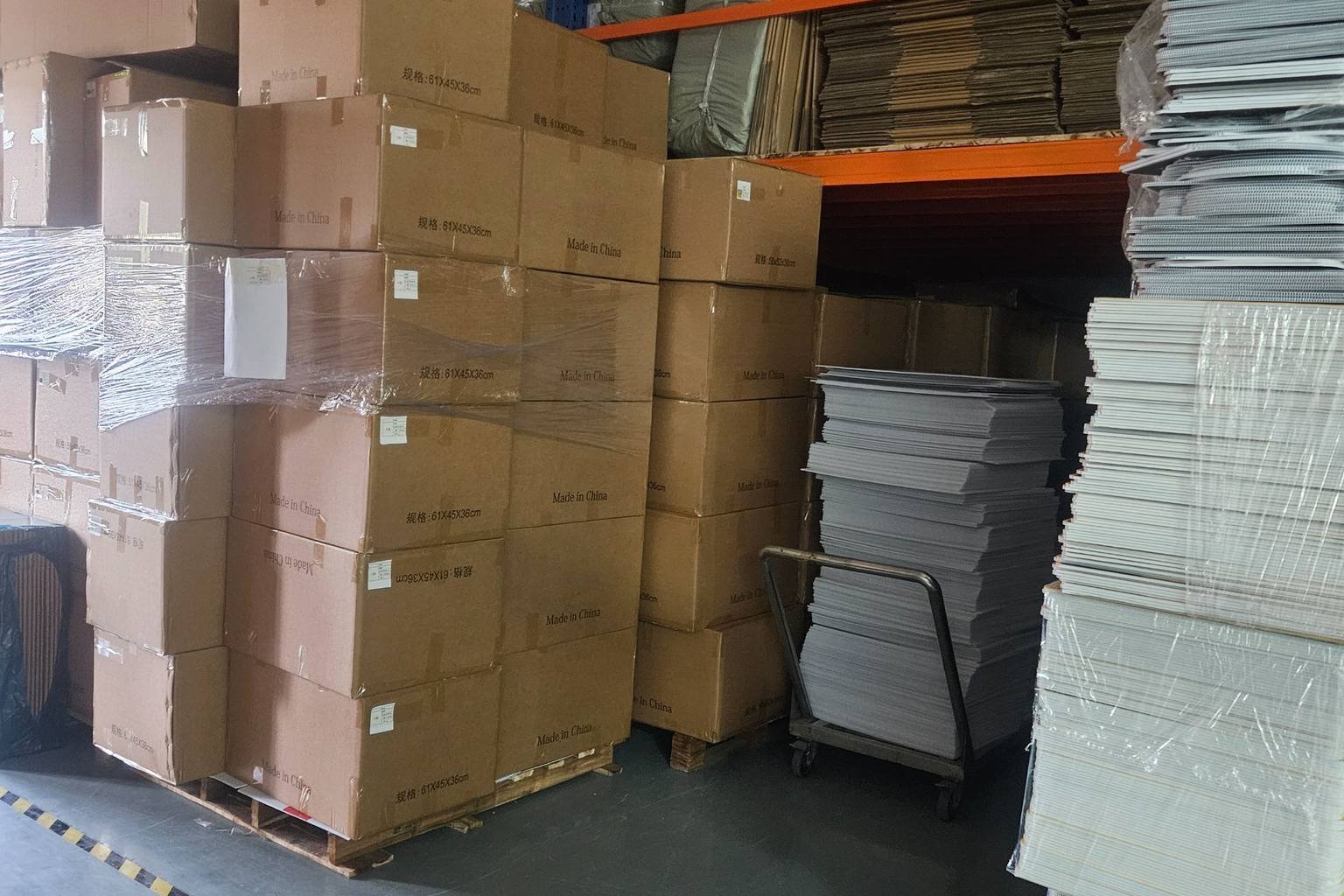
competitive pricing but still face an expensive replenishment
problem if it orders too late. Effective
yard sign inventory planning connects customer
demand, artwork approval, factory production, and international
delivery before stock or available supply runs short.
For print shops, sign companies, distributors, and online printing
businesses sourcing 500, 1,000, 3,000, or 5,000+ signs from China,
the purchasing schedule matters as much as the quoted unit price.
Planning ahead gives your business the opportunity to use
cost-effective ocean shipping instead of depending on
last-minute freight decisions.
Quick answer:
Start with the date your signs must be available for use.
Work backward through receiving, distribution, delivery,
production, and artwork approval, then add an appropriate
buffer. For suitable standard iYardSign orders, the overall
planning estimate is approximately 40–45 days including
production and DDP ocean delivery. For repeat stock,
place the next order before available inventory falls below
expected demand during replenishment plus your chosen
safety stock.
What Does Yard Sign Inventory Planning Actually Cover?
Inventory planning is more than deciding how many finished signs
to keep in a warehouse. It also covers confirmed customer orders,
goods already in production, incoming shipments, artwork readiness,
and the time required to make the next batch available.
Different yard sign businesses need different purchasing methods.
A distributor selling a repeat design may replenish finished stock.
A print shop producing customer-specific graphics may instead
schedule confirmed bulk projects without holding those signs
as general inventory.
| Demand type | Suitable planning approach | Main issue to control |
|---|---|---|
| Repeat signs with stable artwork | Replenish against expected demand and available stock. | Running out before the next shipment arrives. |
| Customer-specific bulk orders | Purchase against confirmed specifications and quantities. | Producing before the customer approves the final artwork. |
| Seasonal or dated campaigns | Work backward from the required distribution date. | Receiving signs after their useful selling or installation window. |
| Multi-location business programs | Combine branch requirements into a controlled production plan. | Missing quantities, late approvals, or incorrect allocation. |
Keeping these demand types separate helps prevent a common
mistake: treating all printed signs as interchangeable stock.
A panel carrying one customer’s phone number cannot fill
another customer’s order.
Build Your Schedule Around the Complete Lead Time
For suitable standard orders, iYardSign’s usual planning
breakdown is:
- Production:
approximately 3–5 days after final artwork approval and
order confirmation. - DDP ocean shipping:
approximately 35–40 days to the agreed destination. - Overall lead time:
usually approximately 40–45 days including production
and delivery.
The production and delivery estimate is one part of your
purchasing schedule. Time spent collecting customer artwork,
reviewing proofs, approving a sample, or distributing goods
after receipt must also be considered.
Larger orders and complex specifications need their own
production schedule. Do not assume a 10,000-piece multi-design
project will follow the same production window as a standard
1,000-piece order.
Confirm the applicable timeline with your factory before
promising a delivery date to your customer. Estimated arrival
windows are subject to the agreed route and shipping conditions.
How to Work Backward from a Customer’s Required Date
Begin with the date the customer needs usable signs,
rather than the day you hope the shipment reaches your address.
If your team must inspect, sort, repack, or distribute the
order, those activities need space in the schedule.
- Set the use or distribution date.
Identify when the signs must be ready for installation,
customer collection, resale, or branch distribution. - Allow for receiving and local handling.
Include quantity checks, sorting, and any onward delivery. - Add a planning buffer.
Choose it according to the consequences of a delay and
your experience with the route. - Subtract the confirmed production and delivery window.
Use the schedule quoted for your actual order. - Set an earlier artwork approval deadline.
Allow enough time to resolve missing files, revisions,
or sample requirements before production must begin.
An Illustrative Planning Example
Suppose a print shop needs a bulk order available for
distribution on Day 0. It allows five days for receiving
and local handling, plus a ten-day planning buffer.
Using the upper end of a 45-day production and delivery
estimate, the order would need to enter its confirmed
production-and-delivery window approximately 60 days
before Day 0.
This is a scheduling example, not a guaranteed timetable.
The five-day handling allowance and ten-day buffer are
illustrative assumptions. Your actual allowances should
reflect the project, destination, and delivery risk.
Artwork and sample approvals must be completed early
enough to support the agreed production start.
How to Set a Reorder Point for Repeat Yard Signs
Repeat designs need a replenishment trigger.
Waiting until the last carton is opened leaves the entire
manufacturing and delivery window uncovered.
A practical starting formula is:
Reorder point = expected demand during replenishment
lead time + safety stock.
Compare that trigger with your inventory position:
Inventory position = usable stock on hand +
confirmed incoming stock − stock committed to customer orders.
Keep the demand forecast and customer commitments consistent.
If confirmed customer orders are already deducted from inventory
position, avoid counting those same orders again as additional
forecast demand.
A Simple Replenishment Example
Imagine a reseller expects additional demand of 20 signs
per calendar day during a 45-day replenishment window.
Expected demand over that period is 900 signs.
If the business chooses 200 signs of safety stock,
its illustrative reorder point is 1,100 signs.
These figures are hypothetical, not iYardSign sales data
or a recommended stock level. A new business should use
cautious assumptions and review them against actual demand.
A business with seasonal sales should use the expected
demand for the upcoming period rather than a flat annual average.
Only count incoming stock that is relevant to the same design
and specification, with a credible arrival schedule.
An unrelated design or a shipment arriving after the need
date cannot solve the immediate shortage.
How Much Safety Stock Should You Hold?
Safety stock provides cover when demand or replenishment
timing differs from the plan. It should reflect the
uncertainty your business actually faces.
- How much demand changes between ordering periods.
- How variable the actual replenishment time has been.
- How costly a stockout would be for the customer account.
- Whether local production can provide temporary cover.
- How likely the artwork is to become outdated.
A stable repeat design may justify a different stock policy
from a sign carrying an election date or a short promotional
offer. Dated products deserve particular care because surplus
inventory may have little value after the campaign.
Review stock by design and customer program.
A single total for all yard signs can hide a shortage
in one design and excess stock in another.
Can You Combine Customer Orders into a Larger Production Run?
Print shops and distributors can evaluate consolidating
compatible projects into a planned purchasing window.
For example, several customers may need the same panel
size and material but different printed artwork.
Consolidation may improve purchasing and shipment efficiency,
but the factory must quote the actual design mix.
A 3,000-piece order divided across many designs may have
different handling and packing requirements from one
3,000-piece design.
Before combining orders, confirm:
- Which customers have approved artwork and quantities.
- Whether the specifications can share a production plan.
- Quantity and artwork revision for each design.
- Whether designs must be packed separately.
- Carton labels needed for receiving and allocation.
- Whether all projects can use the same delivery window.
Set an approval cutoff. A late customer revision should
trigger a clear decision about that customer’s quantity,
rather than silently delaying every project in the shipment.
Plan Seasonal Orders Around Selling and Installation Windows
Seasonal purchasing should begin with the customer’s commercial
calendar. The holiday or event date may be much later than
the date a reseller needs stock available.
A graduation sign seller needs time to list products and
fulfill purchases before ceremonies. A campaign supplier
may need signs distributed well before an election.
A multi-location service brand may need stock ready
before its regional marketing launch.
For each seasonal program, record the selling or distribution
start date, artwork approval deadline, production schedule,
expected delivery window, and final useful date.
Keep quantities tied to a realistic sales plan.
Planning bulk custom yard signs this way makes the
40–45-day purchasing window part of an organized supply
process instead of a last-minute obstacle.
What If Demand Rises Before the Ocean Shipment Arrives?
Review available options as soon as the shortage becomes
visible. The best response depends on the quantity needed,
deadline, and value of preserving the customer order.
Your options may include using existing stock, scheduling
local production, requesting an air quotation for a limited
quantity, or agreeing on staged delivery with the customer.
Confirm feasibility before making a promise.
Air shipping is available, but ocean shipping is normally
more cost-effective for bulk orders. If you consider a split
shipment, compare the combined freight and handling cost.
Do not assume sending a small portion by air will be economical.
After the immediate issue is resolved, check whether it
resulted from unexpected demand, late approval, an inaccurate
stock record, or a missed reorder trigger.
Each cause requires a different adjustment.
What to Track in Your Yard Sign Purchasing Sheet
A useful planning sheet does not need to be complicated.
It needs to show what is available, what is committed,
what is incoming, and which decision is due next.
| Field | Why it matters |
|---|---|
| Customer, SKU, and artwork revision | Identifies exactly which signs the record covers. |
| Panel and stake specification | Prevents incompatible products from being grouped together. |
| Usable stock and committed quantity | Shows how much is actually available for new demand. |
| Incoming quantity and expected arrival | Connects the replenishment plan to the relevant need date. |
| Forecast demand and safety stock | Supports a documented reorder trigger. |
| Artwork approval and order status | Shows whether production can proceed. |
| Required availability date | Keeps purchasing aligned with the customer’s actual use. |
| Next action and owner | Makes missing approvals or late decisions visible. |
Review the sheet on a regular schedule and whenever a major
customer order changes. Update it after receiving goods
so shortages, damages, or allocation differences do not
carry forward into the next purchasing decision.
How iYardSign Supports Planned Bulk Supply
iYardSign is a China yard sign manufacturer supporting
print shops, sign companies, distributors, resellers,
and online printing businesses with planned bulk production.
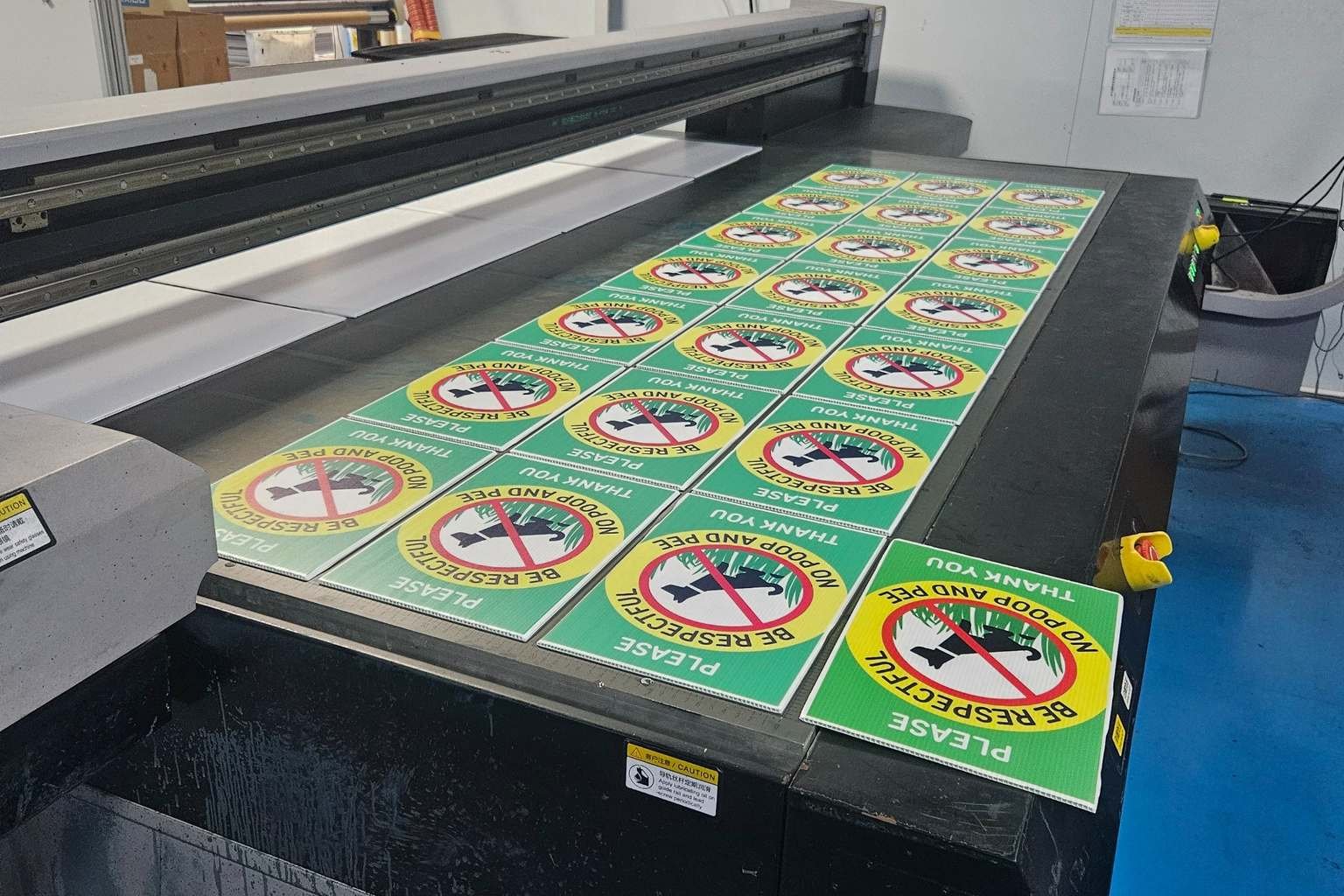
Our factory has 20+ UV printing machines, with production
scheduling confirmed against each project’s requirements.
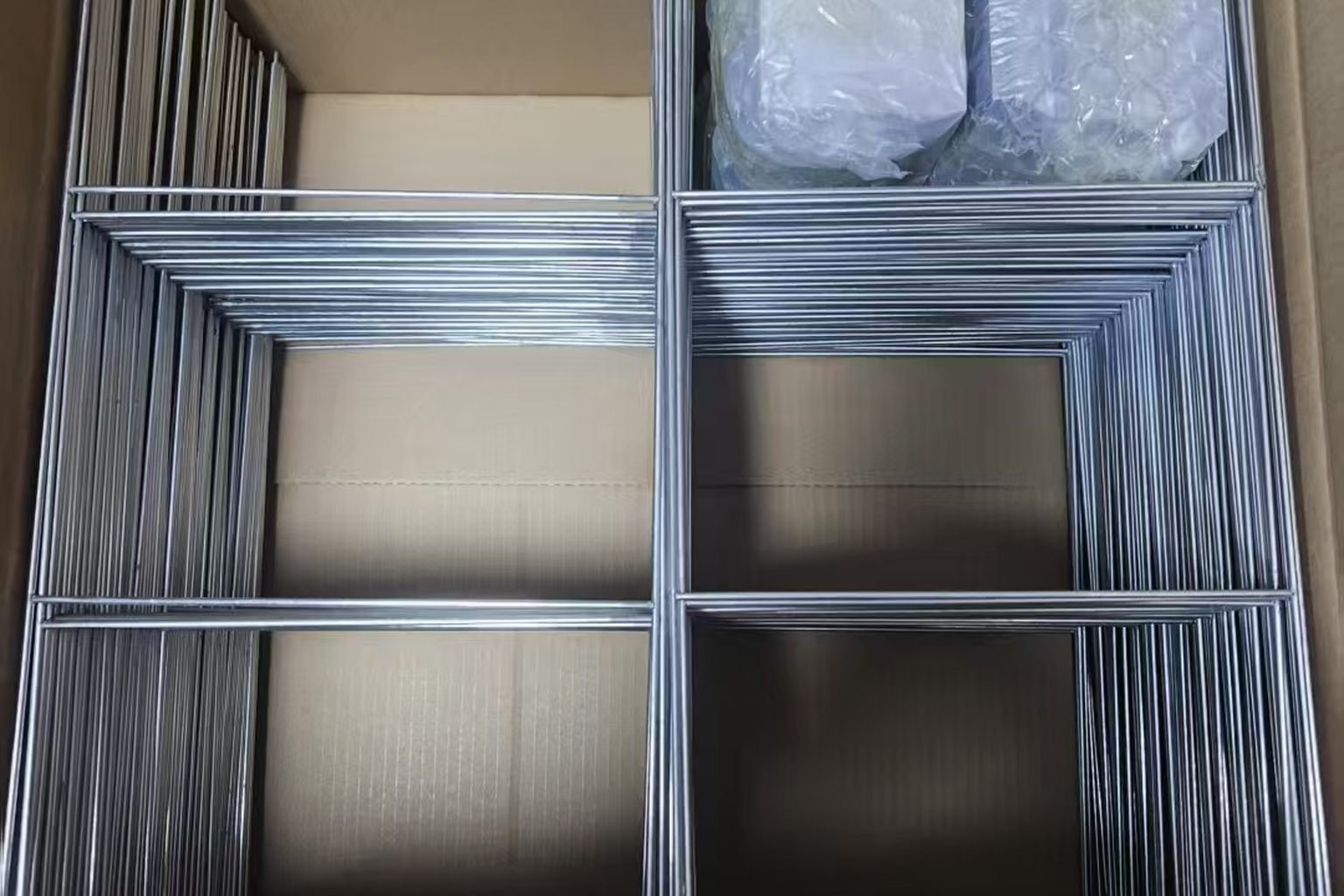
We can coordinate approved artwork, custom corrugated plastic
panels, cutting requirements, H-stake options, inspection,
and agreed packaging as part of the order plan.
For repeat projects, documented specifications help both
teams maintain a clear reference for future production.
Share your expected quantities, design mix, purchasing frequency,
and required availability dates. Discuss neutral packaging,
private-label requirements, or destination-specific packing
before quotation so the production and delivery scope
can be reviewed together.
The objective is a workable supply relationship:
your business manages customer demand and approvals,
while iYardSign supports the agreed manufacturing
and shipment plan from China.
For an overview of order coordination, read our guide to
working directly with a China custom yard sign factory
.
Frequently Asked Questions
How early should I start yard sign inventory planning?
Start before the production-and-delivery window begins.
Work backward from the required availability date and
include artwork approval, any sample review, receiving,
local distribution, and a suitable buffer.
The standard 40–45-day estimate does not replace those
additional planning steps.
Do print shops need to stock customer-specific printed signs?
Not necessarily. Customer-specific projects can be purchased
against approved orders. Replenishment stock is more suitable
for repeat designs with predictable demand.
Avoid speculative inventory when artwork or requirements
are likely to change.
Does the 40–45-day estimate include production?
Yes. For suitable standard orders, it includes approximately
3–5 days of production and 35–40 days of DDP ocean shipping.
Confirm the actual schedule for larger quantities,
complex specifications, and the selected destination.
What is a yard sign reorder point?
It is the inventory level that triggers replenishment.
A practical starting point is expected demand during
replenishment lead time plus safety stock.
Compare it with usable stock, relevant incoming quantities,
and customer commitments.
Should I buy 5,000 signs to get a lower unit price?
Only when the quantity fits realistic demand, storage,
and artwork validity. Compare delivered quotations at
several suitable quantities, then evaluate the total
commitment and risk of unused stock.
Can several designs share one bulk order?
Ask iYardSign to review the quantity and specification
for each design. Production, sorting, packaging, and
approval requirements affect the quotation.
Confirm how the designs will be identified and packed.
Can air shipping cover an unexpected shortage?
It may be an option, subject to production readiness,
freight cost, and the required arrival date.
Request a confirmed quotation before relying on it.
Planned ocean purchasing is normally more economical
for bulk replenishment.
Plan Your Bulk Yard Sign Order
Preparing a 500-, 1,000-, 3,000-, or 5,000+ piece project?
Send iYardSign your company name, sign specifications,
quantities by design, H-stake requirements, packing needs,
delivery ZIP code, and required availability date.
We can review the production requirements and provide
a quotation with an agreed delivery scope, helping
your team plan the next purchase around actual demand.
Best suited for planned B2B bulk orders.
Standard DDP ocean orders normally require approximately
40–45 days including production and delivery, subject
to the confirmed quantity, specifications, destination,
and schedule.