Why US Print Shops Source Bulk Yard Signs from China

It can also tie up printing equipment, finishing time, packing space,
and staff needed for other profitable work. Finding the right
yard sign supplier for print shops gives your business
another way to fulfill those orders without handling every production
step in-house.
For US print shops with planned orders of 500, 1,000, 3,000, or 5,000+
custom signs, sourcing from a China factory is worth evaluating.
The decision should compare the complete delivered cost, production
requirements, available lead time, and the value of keeping your own
equipment available.
Quick answer:
US print shops consider China yard sign manufacturing to access
bulk production capacity, evaluate factory-direct pricing, and
outsource repeatable production work. The strongest fit is a
planned B2B order with clear specifications and enough time for
ocean delivery. iYardSign’s standard planning estimate is
approximately 40–45 days including production and DDP ocean
delivery, subject to the confirmed order and destination.
Compare landed cost before deciding whether sourcing from China
improves your margin.
Why Would a Print Shop Outsource Yard Sign Production?
Owning printing equipment does not mean every order must be produced
internally. A print shop may be able to manufacture yard signs but
still benefit from an outside production partner when the order
occupies resources needed elsewhere.
Consider a shop that receives a 3,000-piece order while its team is
also handling banners, vehicle graphics, retail displays, and
short-deadline commercial work. The yard sign project requires
more than printing. Someone must organize the materials, check
artwork versions, cut panels, count quantities, prepare stakes,
pack cartons, and arrange delivery.
Yard sign outsourcing lets the shop evaluate whether an external
manufacturer can handle that defined production scope while its
own team focuses on customer service, design, sales, installation,
or other production work.
Your company continues to manage the customer account. The factory
becomes part of the production system behind your business.
When Does a China Yard Sign Supplier for Print Shops Make Sense?
China sourcing deserves the closest attention when demand is
predictable, specifications are stable, and the delivery date
allows planned purchasing.
| Order situation | What to evaluate |
|---|---|
| 500 custom signs for a scheduled project | Check whether delivered savings justify freight and the purchasing lead time. |
| 1,000–3,000 signs with confirmed artwork | Request a factory quote with ocean delivery and compare it with equivalent local production. |
| 5,000–10,000+ signs for a planned program | Review production scheduling, packing efficiency, storage, and delivery arrangements together. |
| Recurring orders for established business accounts | Build a repeat-order specification and replenishment plan. |
| A small order needed within a few days | Local production may provide a better operational fit. Air freight requires a separate cost and deadline review. |
Quantity alone does not determine the best supplier. A 1,000-piece
order with one approved design is different from 1,000 signs split
across many designs, individual packs, and delivery addresses.
Request pricing for the actual project rather than relying on
a headline unit price.
Is Buying Bulk Custom Yard Signs from China Actually Cheaper?
It can be, but the useful comparison is
cost per usable sign delivered to your business.
A low factory price does not establish the final saving.
Larger production runs can spread setup, artwork preparation,
production handling, and packing work across more units.
Consolidated ocean shipments can also make freight more economical
per sign. These factors make bulk orders worth quoting, especially
when the same specifications are reordered.
The advantage still depends on sign size, material, printing sides,
number of designs, stakes, packaging, destination, and current
freight costs. A competitive local quote may remain the better
option for some projects.
Compare the Same Product and Delivery Scope
- Finished dimensions and corrugated plastic specification.
- Single-sided or double-sided printing.
- Quantity for each artwork version.
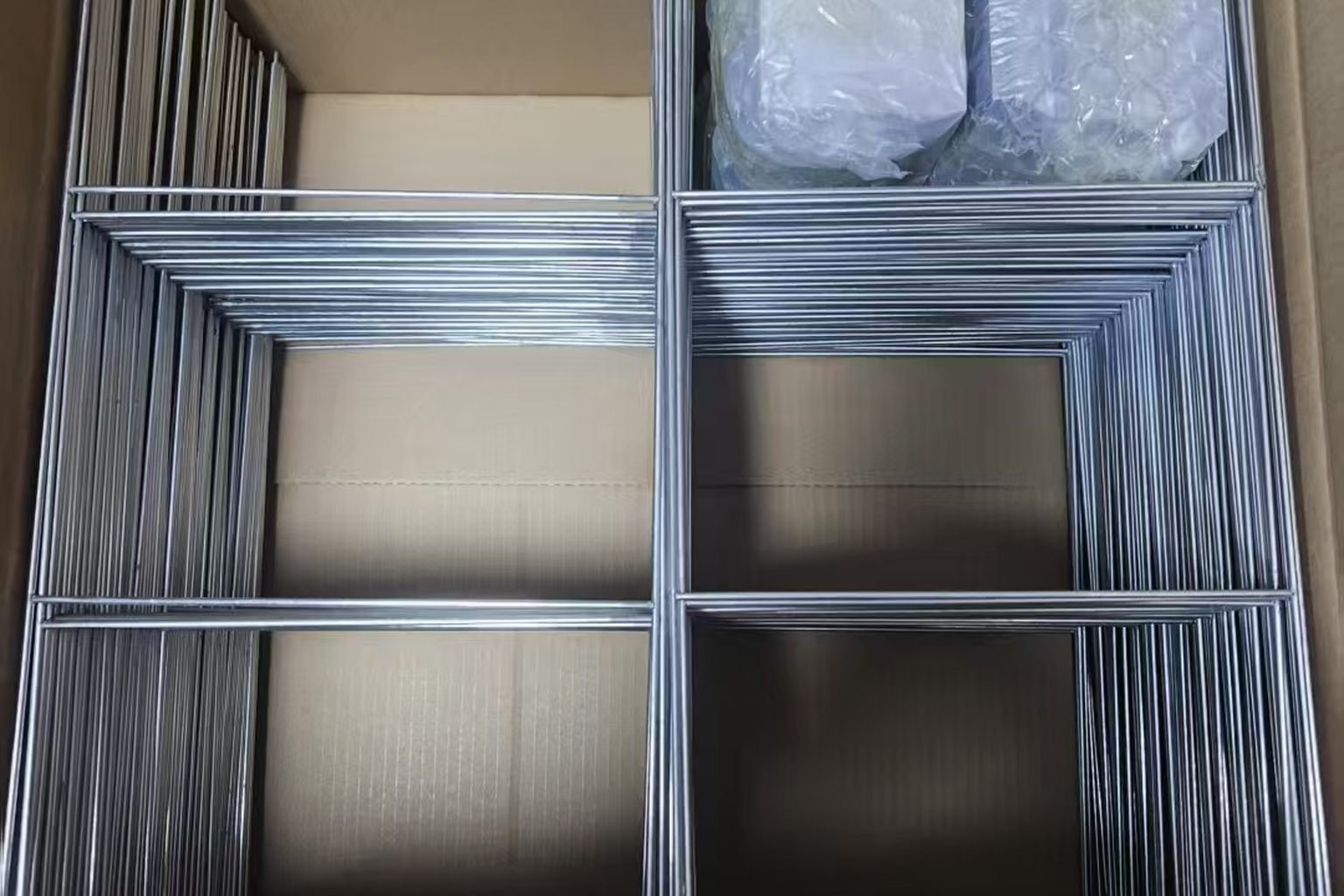
- H-stake specification and quantity.
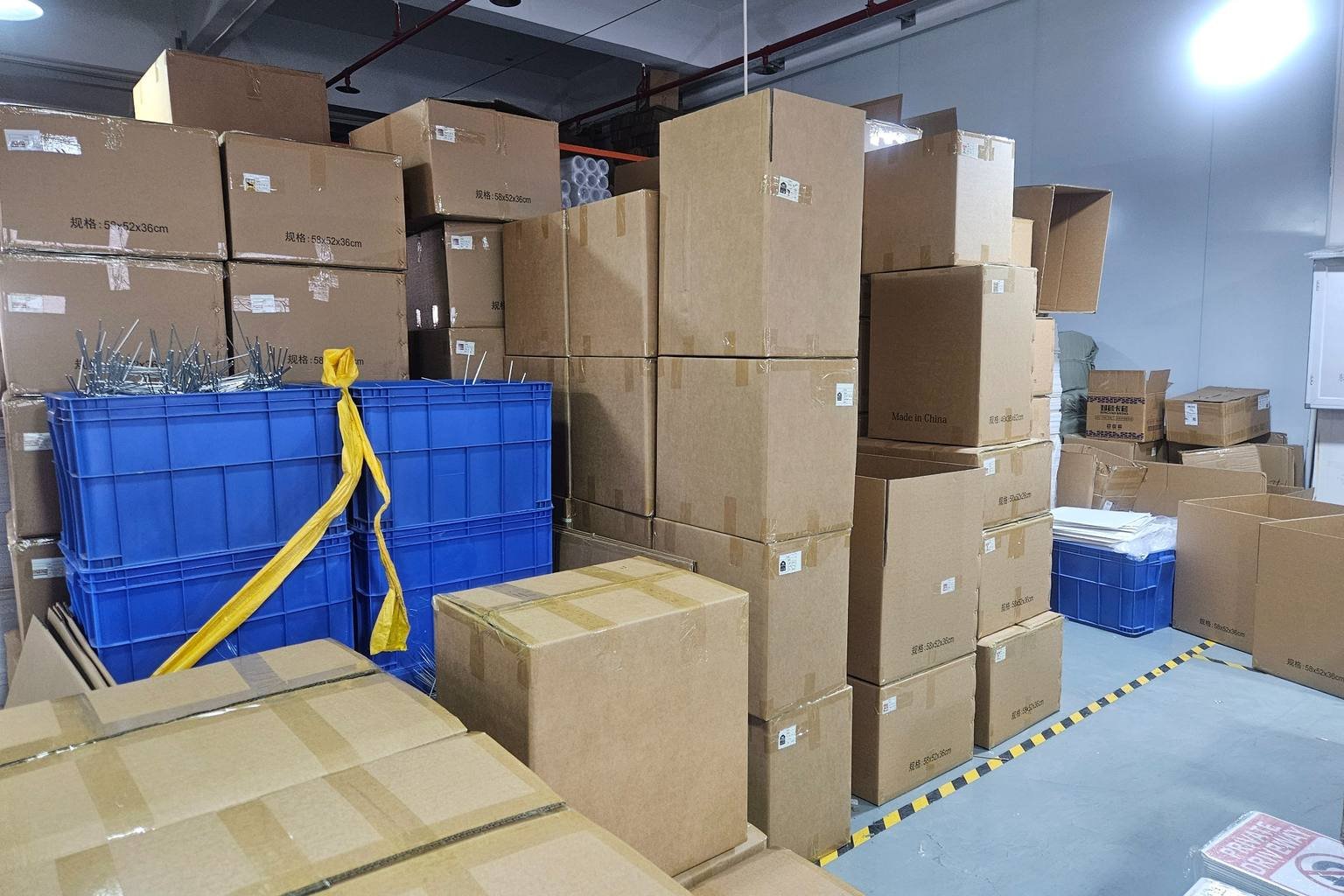
- Carton packing, labels, and any private-label requirements.
- Delivery to the same address under a clearly defined scope.
For a comparable calculation:
Delivered cost per usable sign =
total purchasing and delivery cost ÷ usable signs received.
Include any costs outside the supplier’s quotation, such as
separately charged samples, receiving, storage, or special delivery
services. If a DDP quote already includes freight, import clearance,
duties, taxes, and final delivery, do not add those items again.
Confirm the included scope and any exceptions in writing.
Why Request Prices at More Than One Quantity?
Ask for the same specification at 500, 1,000, 3,000, and 5,000 pieces
when those quantities match realistic demand. This shows how
production and freight affect your delivered unit cost.
Buying more only helps when the additional signs have a likely use.
Avoid increasing quantities solely to obtain a lower unit price
if customer artwork, campaign dates, or demand may change.
How Should Print Shops Plan for 40–45 Days?
Treat the lead time as a purchasing window. Confirm demand early,
approve artwork, schedule production, and allow the goods to travel
by a cost-effective ocean route before they are needed.
For suitable standard orders, the typical planning breakdown is:
- Production:
approximately 3–5 days after artwork approval and order confirmation. - DDP ocean shipping:
approximately 35–40 days to the agreed delivery destination. - Overall lead time:
usually approximately 40–45 days, including production and delivery.
This is an estimate for planning, rather than a guaranteed arrival
date. Larger quantities, complex finishing, sampling, artwork
revisions, holidays, and shipping conditions can require additional
time. Confirm the production schedule separately for 5,000- or
10,000-piece projects.
For a fixed campaign or installation date, work backward from the
date the signs must be available for use. Allow time for receiving,
checking quantities, and distributing the signs after delivery.
Add an appropriate buffer instead of treating the final day of
the estimated delivery window as the event deadline.
Plan earlier. Buy in bulk. Ship by ocean. Reduce landed cost.
Should You Choose Ocean Shipping or Air Freight?
For 500, 1,000, 3,000, or more yard signs, ocean shipping is normally
the first option to evaluate when the schedule allows. Panels and
metal stakes can create a substantial shipment, making freight
an important part of the delivered cost.
Air shipping is available, but ocean shipping is normally more
cost-effective for bulk orders. Request an air quotation when an
earlier delivery has enough business value to justify the added
expense.
A split shipment can be considered when a small initial quantity
is needed ahead of the main order. However, two shipments may
introduce extra freight minimums, handling, and packing costs.
Compare the combined total before approving that arrangement.
How Can You Control Print Quality from Another Country?
Distance makes a documented approval process more valuable.
Before production, establish what the factory must make and how
the finished order will be checked.
Approve a Repeatable Product Specification
Record the panel size, material specification, printing sides,
flute direction, cutting requirements, and stake compatibility.
Connect each artwork file to its approved revision and quantity.
This gives both teams a clear reference for the initial order
and future reorders.
Set a Practical Color Reference
A screen preview is useful for checking layout and content, but
it is not a reliable physical color standard. For brand-sensitive
projects, agree on a suitable sample or physical reference and
define how color will be reviewed before the full run.
Agree on Checks Before Dispatch
Define the inspection scope before manufacturing starts. Relevant
checks include print readability, panel dimensions, cutting,
quantity by design, stake fit, and carton identification.
Agree on the evidence required and the process for resolving a
discrepancy before the shipment leaves.
Retain the approved specification and artwork for repeat orders.
If the material, design, or packing changes, review the change
explicitly rather than assuming the earlier approval covers it.
What About Customer Protection, Neutral Packaging, and Blind Shipping?
Print shops need confidence that a production partner will respect
their customer relationships. Address this before sharing
customer-specific artwork or delivery information.
Ask the factory to confirm the agreed customer-contact restrictions,
permitted use of artwork, confidentiality requirements, and rules
for including promotional material.
Neutral packaging, private-label packaging, and blind shipping
solve different problems:
- Neutral packaging:
packaging without supplier marketing or promotional inserts,
according to the approved packing instructions. - Private-label packaging:
packaging or labels prepared with your approved branding. - Blind shipping:
a delivery arrangement designed to limit supplier visibility
to the recipient, subject to carrier and documentation requirements.
Discuss these requirements with iYardSign during quotation and
confirm what can be provided for the selected shipment. Neutral
cartons do not automatically mean all shipping or import documents
can omit supplier information. Review the documentation and
delivery scope before promising a fully blind service to your customer.
How iYardSign Supports a Print Shop’s Backend Supply Chain
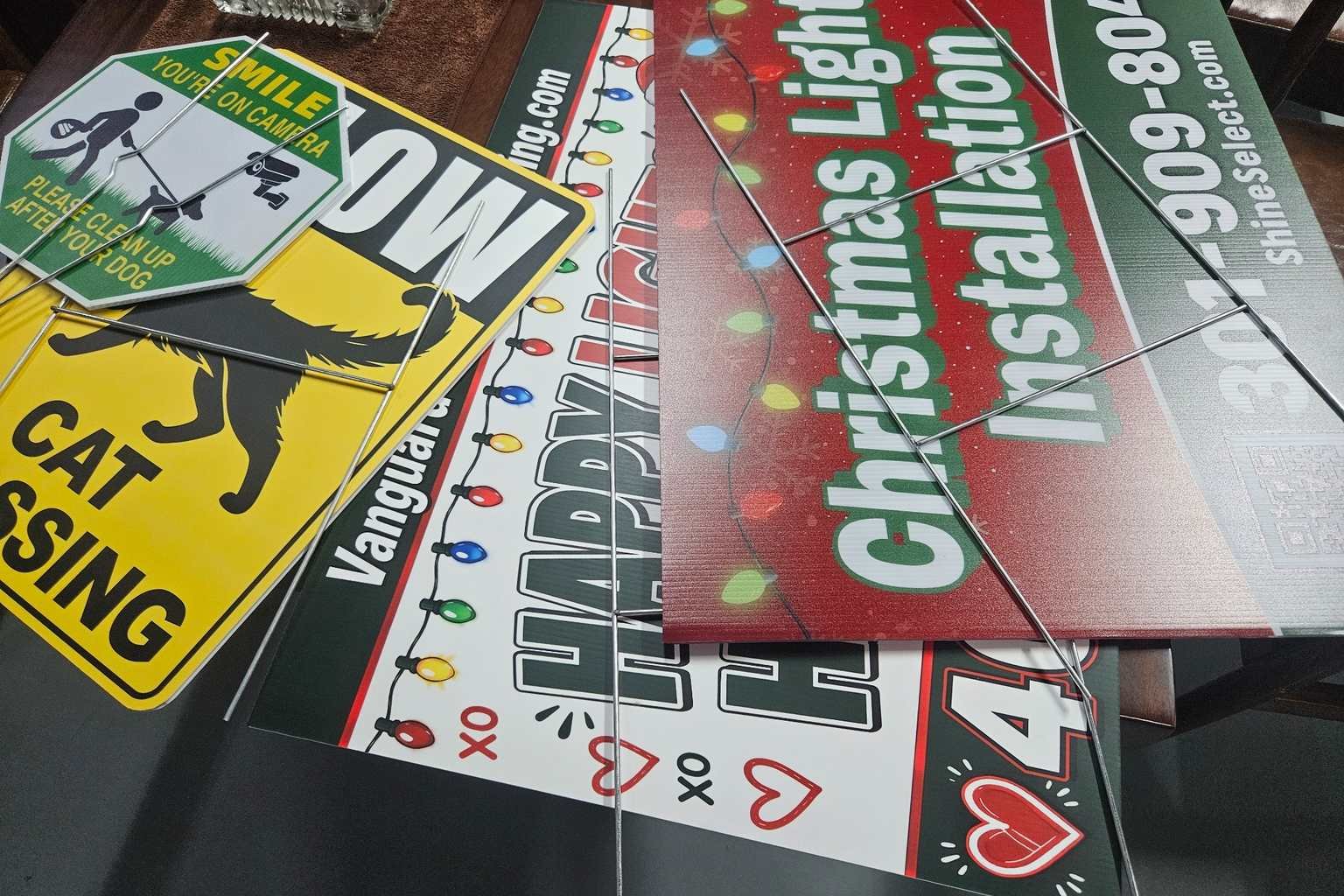
iYardSign is a China-based manufacturer and solution provider for
custom corrugated plastic yard signs. Our B2B focus is planned
bulk production for print shops, sign companies, distributors,
resellers, and online printing businesses.
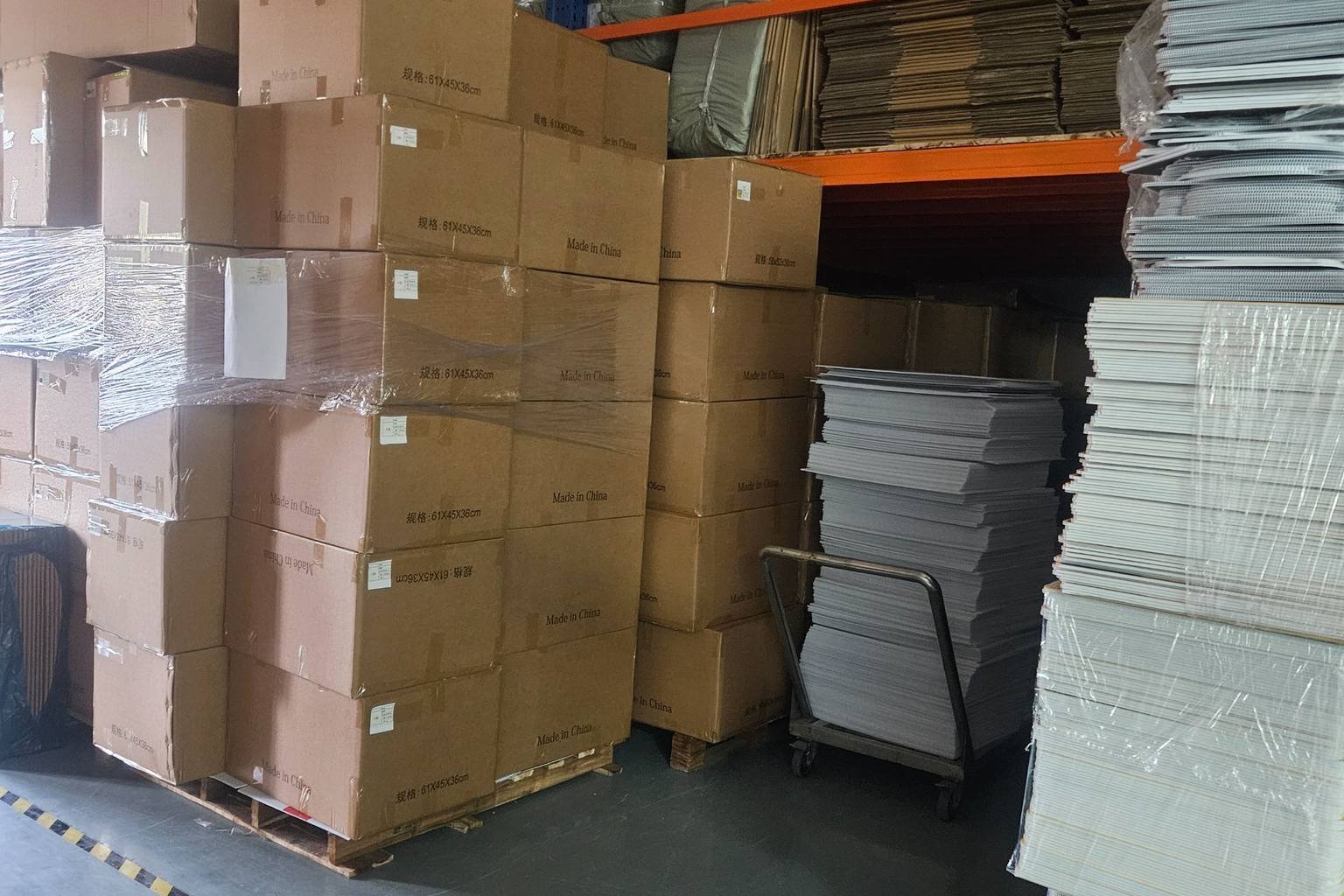
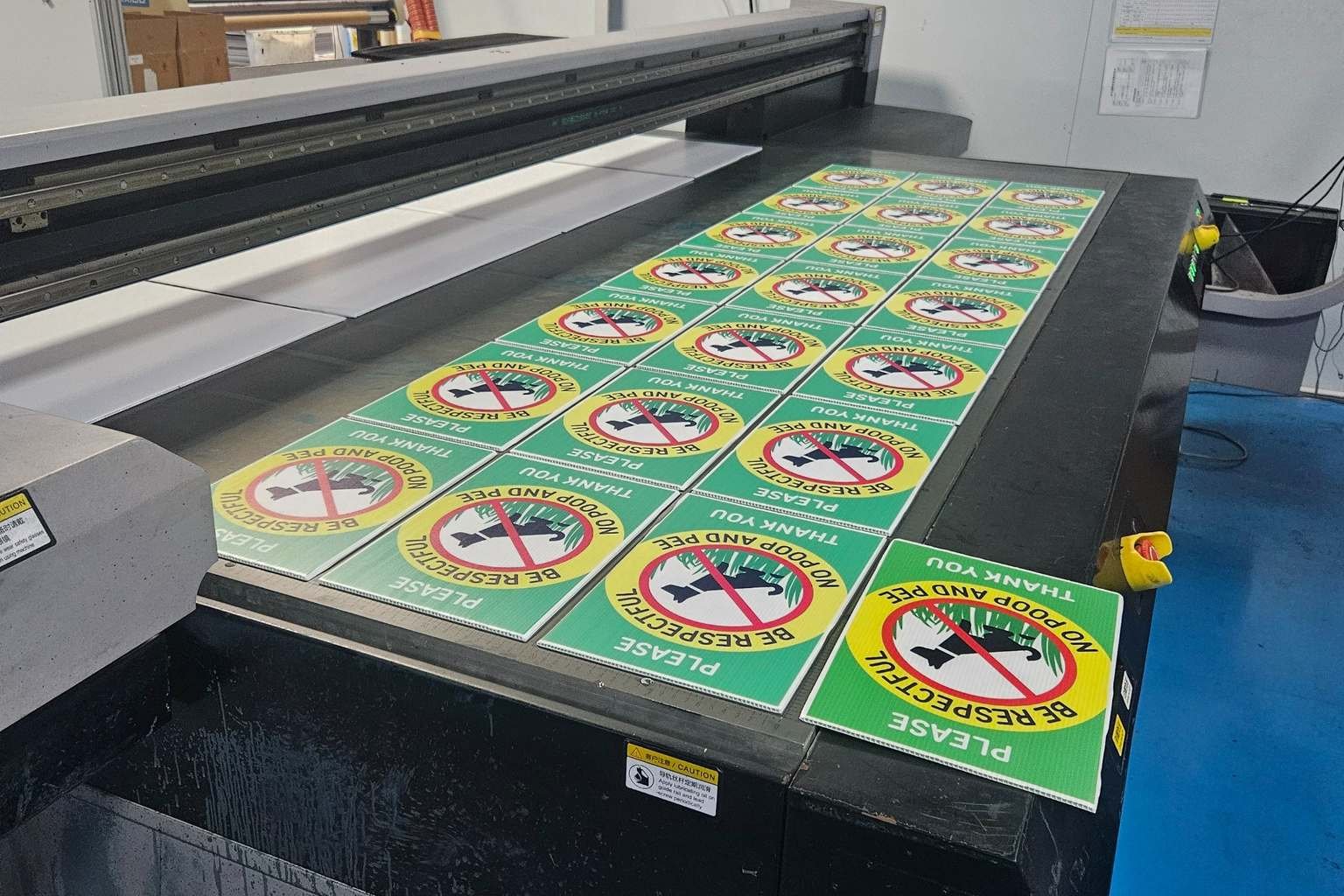
With 20+ UV printing machines, our factory provides a production
base for businesses evaluating outsourced volume. Custom printing,
cutting, H-stake options, inspection, and packing requirements
can be coordinated around the approved order specification.
For a print shop, the practical value is having a manufacturing
contact who understands the complete project: which artwork to
produce, how many signs belong to each design, how cartons should
be identified, and when the goods need to arrive.
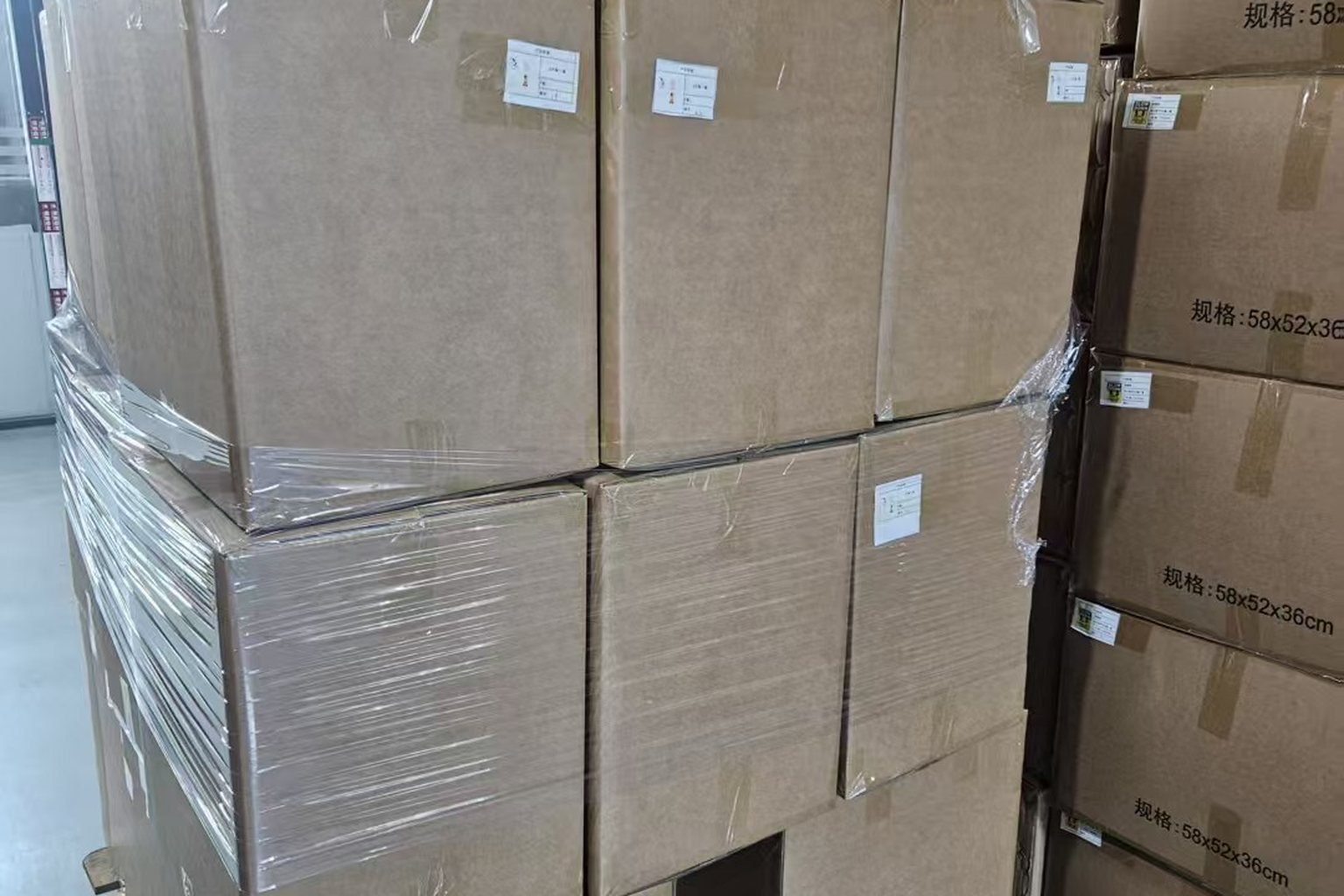
Ask for current workshop, product, inspection, and packing
photographs relevant to your requirements. Use those materials,
together with an approved sample where needed, to evaluate the
proposed production arrangement.
You can also review our
guide to working directly with a China custom yard sign factory
for the order coordination process.
Start with a Defined Bulk Order, Then Build a Repeat Supply Plan
A useful first project has clear artwork, realistic quantities,
and enough scheduling flexibility to evaluate production and
delivery properly.
After receiving the order, review the actual delivered cost,
product quality, packing accuracy, communication, and arrival
timing. Use those results to decide which future projects belong
in your China sourcing plan.
For repeat demand, agree on a specification record and reorder
schedule. Keep dated campaign artwork separate from evergreen
designs, and review stock before placing the next production
order. This helps turn individual purchases into a manageable
supply relationship.
Frequently Asked Questions
What should I look for in a yard sign supplier for print shops?
Look for a supplier that can document specifications, handle your
expected volume, explain the delivered quotation, and follow
artwork, inspection, and packing instructions. Customer protection
and repeat-order coordination should also be discussed.
Is a 500-piece order large enough to consider China sourcing?
Yes, 500 pieces is a useful starting point for a delivered
quotation. Whether it is economical depends on the specification,
destination, freight, and local alternatives. Compare larger
quantities only when they match realistic purchasing needs.
Can I combine several customer designs in one bulk order?
Ask for a quotation showing the quantity of each design. Combining
designs may be possible, but artwork handling, production
quantities, sorting, and packaging can affect the price. Do not
assume a multi-design order will have the same unit cost as a
single-design run.
Does the 40–45-day estimate include production?
Yes. The standard planning estimate includes approximately
3–5 days of production and 35–40 days of DDP ocean shipping.
It applies to suitable orders after approval and confirmation.
Larger or more complex projects require their own schedule.
Can I order by air if I need the signs sooner?
Air shipping is available for quotation. Confirm both the
delivered cost and the feasible arrival window before accepting
a deadline. Ocean shipping is normally more economical for
planned bulk purchases.
Can iYardSign supply signs under my own brand?
Discuss private-label and neutral-packing requirements when
requesting pricing. Confirm the branding, carton labels,
inserts, documentation, and any blind-shipping requirements
in the approved order.
Do I need to outsource every yard sign order?
No. Evaluate outsourcing by project. Planned volume and repeat
programs may suit factory production in China, while your own
equipment or local suppliers may be better suited to small
orders, frequent revisions, and immediate deadlines.
Get a Bulk Yard Sign Quote for Your Print Shop
Planning a 500-, 1,000-, 3,000-, or 5,000+ piece order?
Send iYardSign your company name, sign specifications, quantity
by design, stake requirements, packing needs, delivery ZIP code,
and required arrival date.
Request factory-direct pricing with a clearly defined delivery
scope so you can evaluate the landed cost and production plan
for your business.
Best suited for planned bulk orders.
Standard DDP ocean orders normally require approximately
40–45 days including production and delivery, subject to the
confirmed specifications, quantity, destination, and schedule.