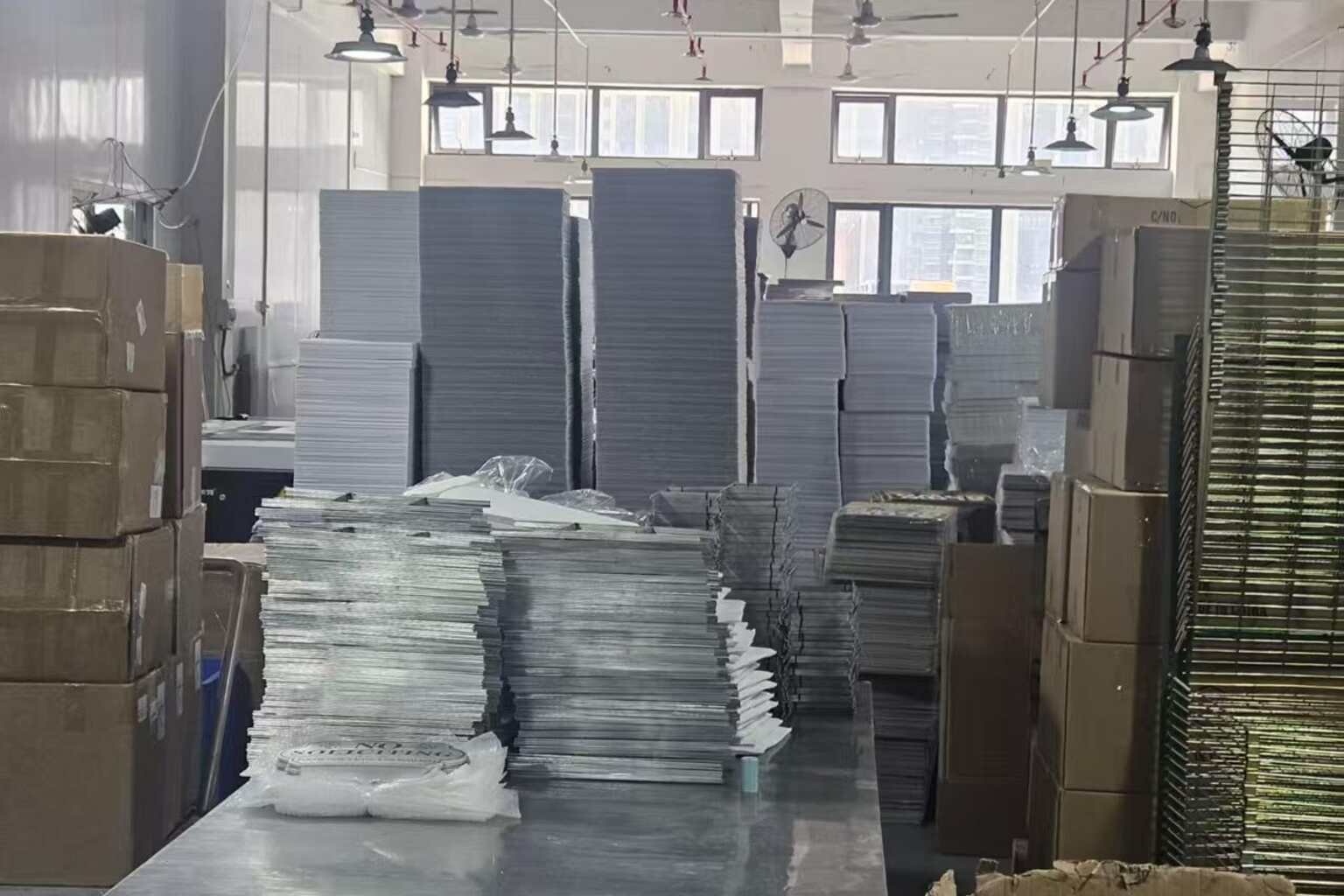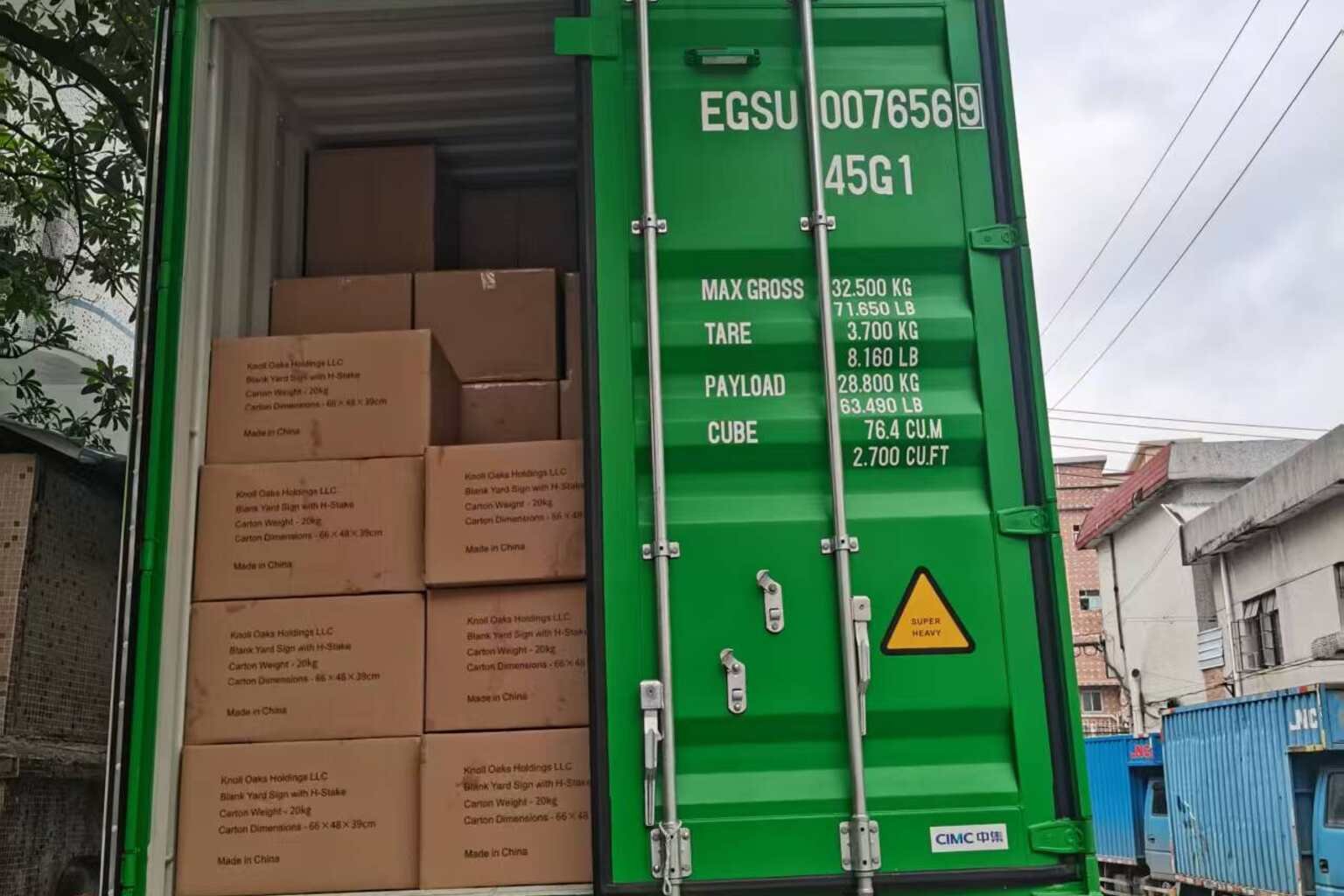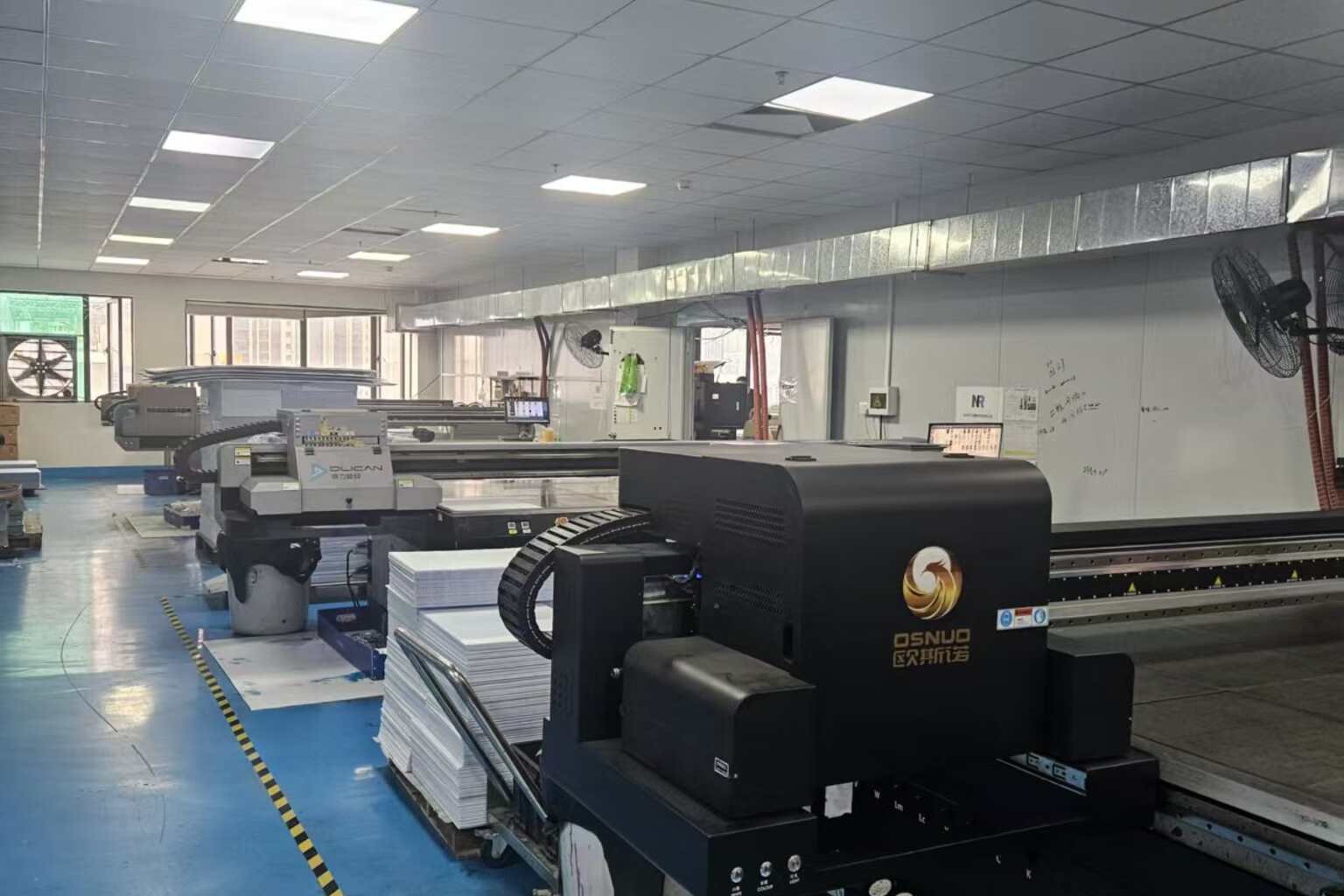
How to Calculate the True Landed Cost of Bulk Yard Signs

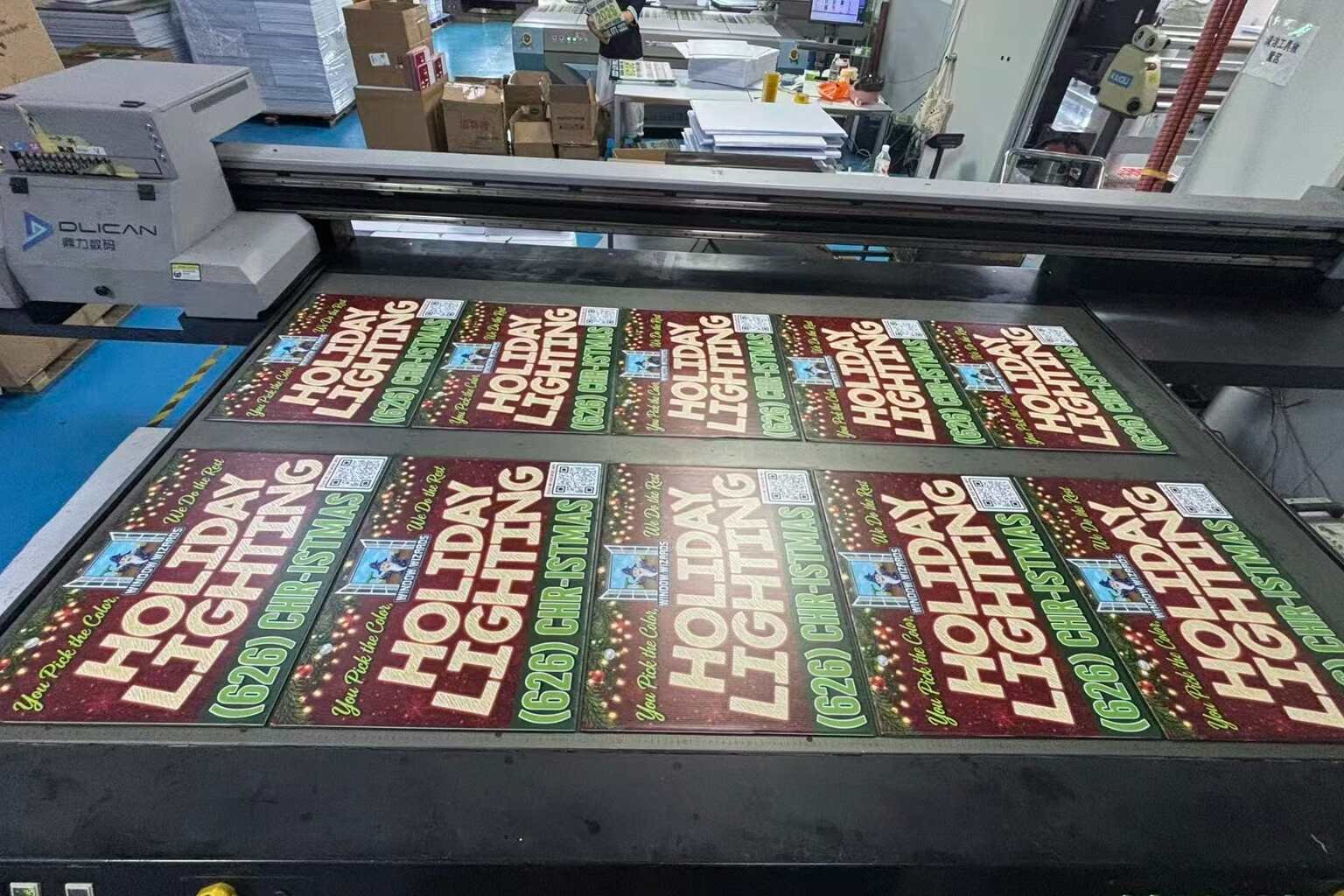
A supplier offering the lowest unit price may not always provide the lowest total cost. Buyers should compare the complete landed cost before placing a large order.
iYardSign helps sign companies, distributors, print resellers, campaigns, and multi-location businesses review product specifications, packaging requirements, shipping options, and factory-direct pricing.
Quick answer: The true landed cost of bulk yard signs is the total amount required to manufacture, pack, ship, clear, receive, and prepare the signs for use or resale. It is more accurate than comparing the product unit price alone.
What Is the True Landed Cost of Bulk Yard Signs?
Landed cost refers to the final cost of receiving the completed yard signs at the buyer’s warehouse, print shop, fulfillment center, or other agreed destination.
For a bulk custom yard sign order, the total cost may include:
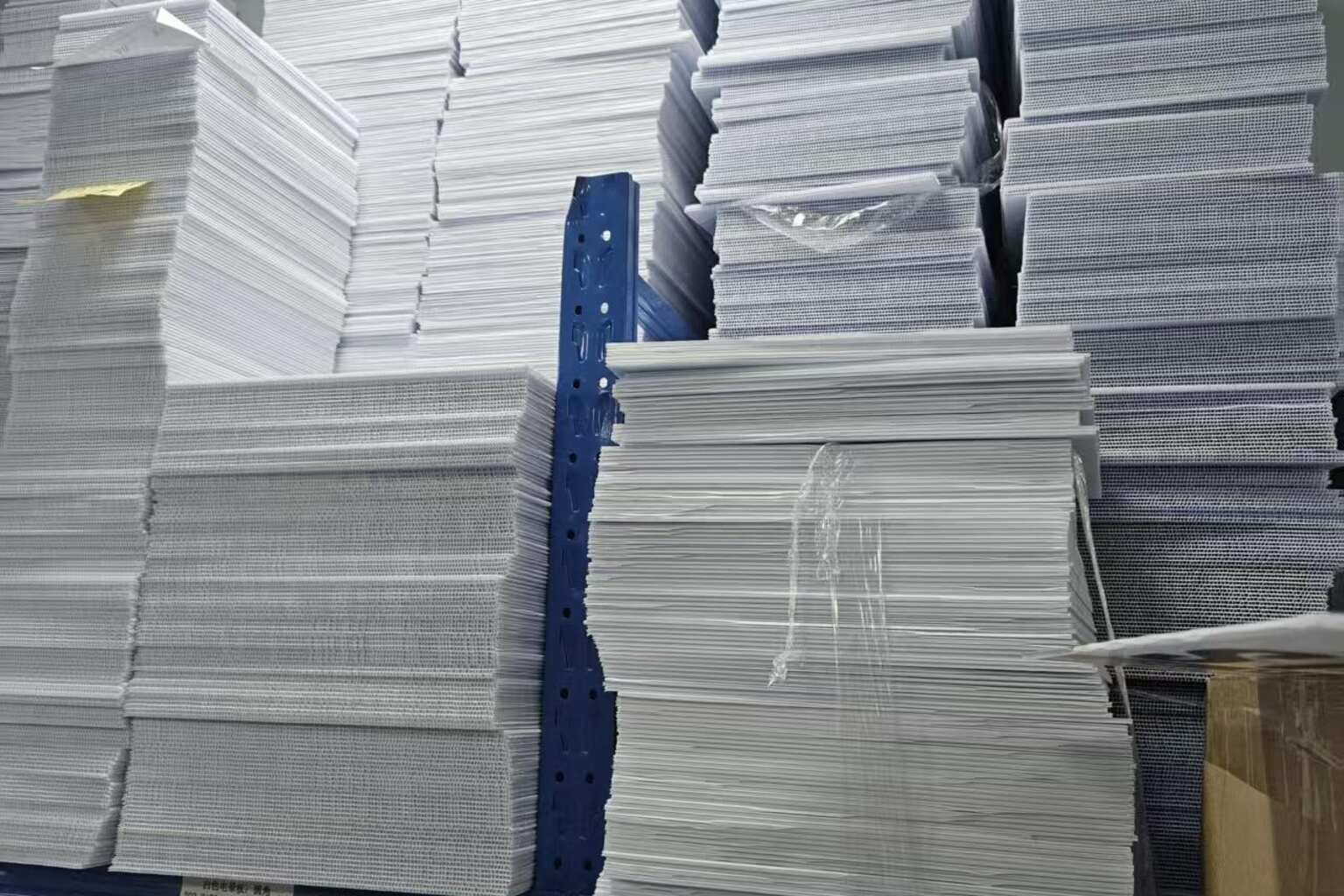
- Corrugated plastic yard sign production
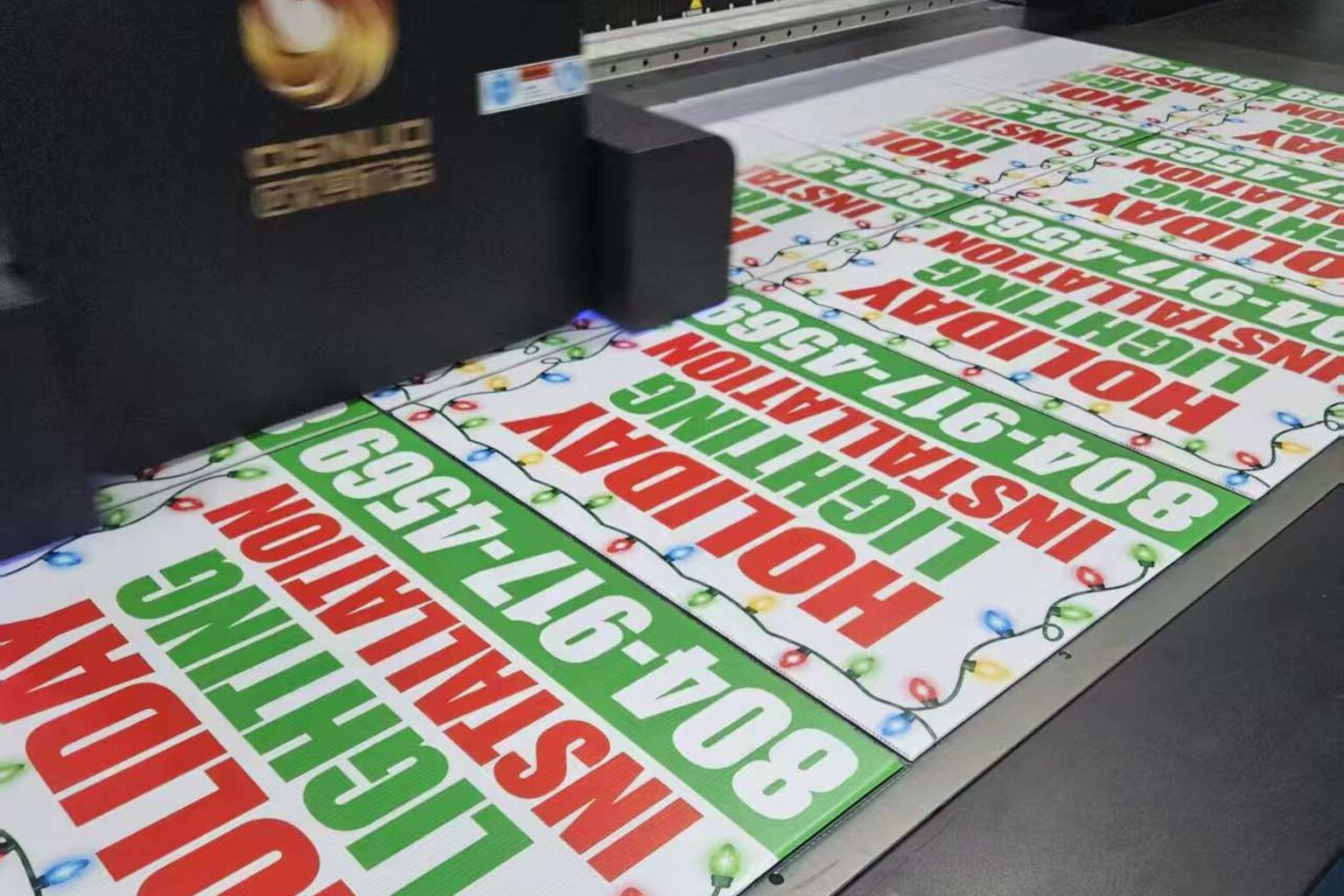
- Single-sided or double-sided printing
- H-stakes or other metal stakes
- Artwork preparation and proofing
- Custom shape cutting or tooling
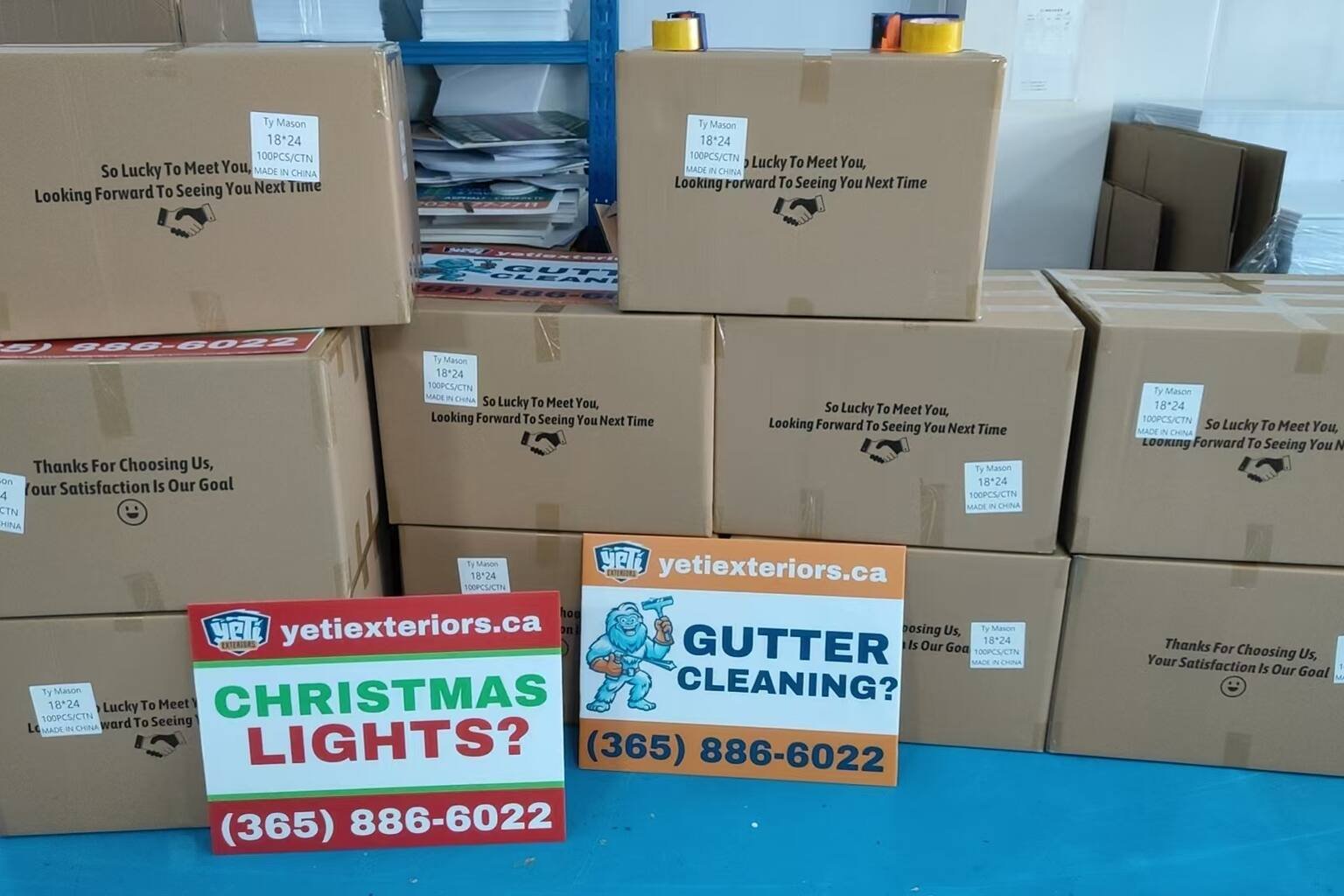
- Individual or carton packaging
- Carton labels, barcodes, or private-label packaging
- International freight
- Customs clearance
- Import duties or taxes when applicable
- Final delivery to the buyer’s location
- Warehouse receiving, sorting, or repacking
The exact cost depends on the sign specification, order quantity, destination, shipping method, packaging requirements, and commercial terms shown on the quotation.
The Basic Landed Cost Formula
Buyers can use the following formula when comparing bulk yard sign quotations:
Total Landed Cost = Product Cost + Packaging Cost + Freight Cost + Import Costs + Final Delivery Cost
The landed cost per sign can then be calculated as:
Landed Cost Per Sign = Total Landed Cost ÷ Total Number of Signs
This calculation helps sign shops, distributors, resellers, and service companies understand their real purchase cost before setting a selling price or profit margin.
1. Confirm What the Product Price Includes
A quotation for “1,000 custom yard signs” may not provide enough information. Before comparing suppliers, confirm the complete product specification.
Check whether the quoted price includes:
- Finished sign size
- Corrugated plastic thickness
- Single-sided or double-sided printing
- Number of artwork designs
- H-stakes or metal stakes
- Standard or custom shape cutting
- Sample production
- Artwork assistance
- Standard export packaging
- Custom carton labels
For example, one supplier may quote the sign panel only, while another supplier may include H-stakes, packing, and inspection in the unit price.
Important: Never compare two quotations only by the unit price. First confirm whether both suppliers are quoting the same size, material, printing sides, stake specification, packaging, and delivery scope.
2. Calculate the Cost of H-Stakes
H-stakes are an important part of a complete yard sign solution. However, some suppliers quote the sign panel and stakes separately.
Buyers should confirm:
- Whether one H-stake is included with each sign
- The material and wire diameter of the stake
- Whether the stake is packed together with the sign
- Whether extra stakes are required
- Whether the stake quantity matches the sign quantity
- Whether the stakes are included in the shipping calculation
If a buyer orders 1,000 sign panels but only 800 stakes, the original quotation may appear inexpensive, but the buyer may later need to pay for additional stakes and another shipment.
3. Include Packaging and Labeling Costs
Packaging can affect the shipping cost, warehouse handling, and labor required after receiving the goods.
This is especially important for distributors, print shops, resellers, and businesses that ship signs to multiple customers.
Ask the supplier to confirm:
- Number of signs per carton
- Number of stakes per carton
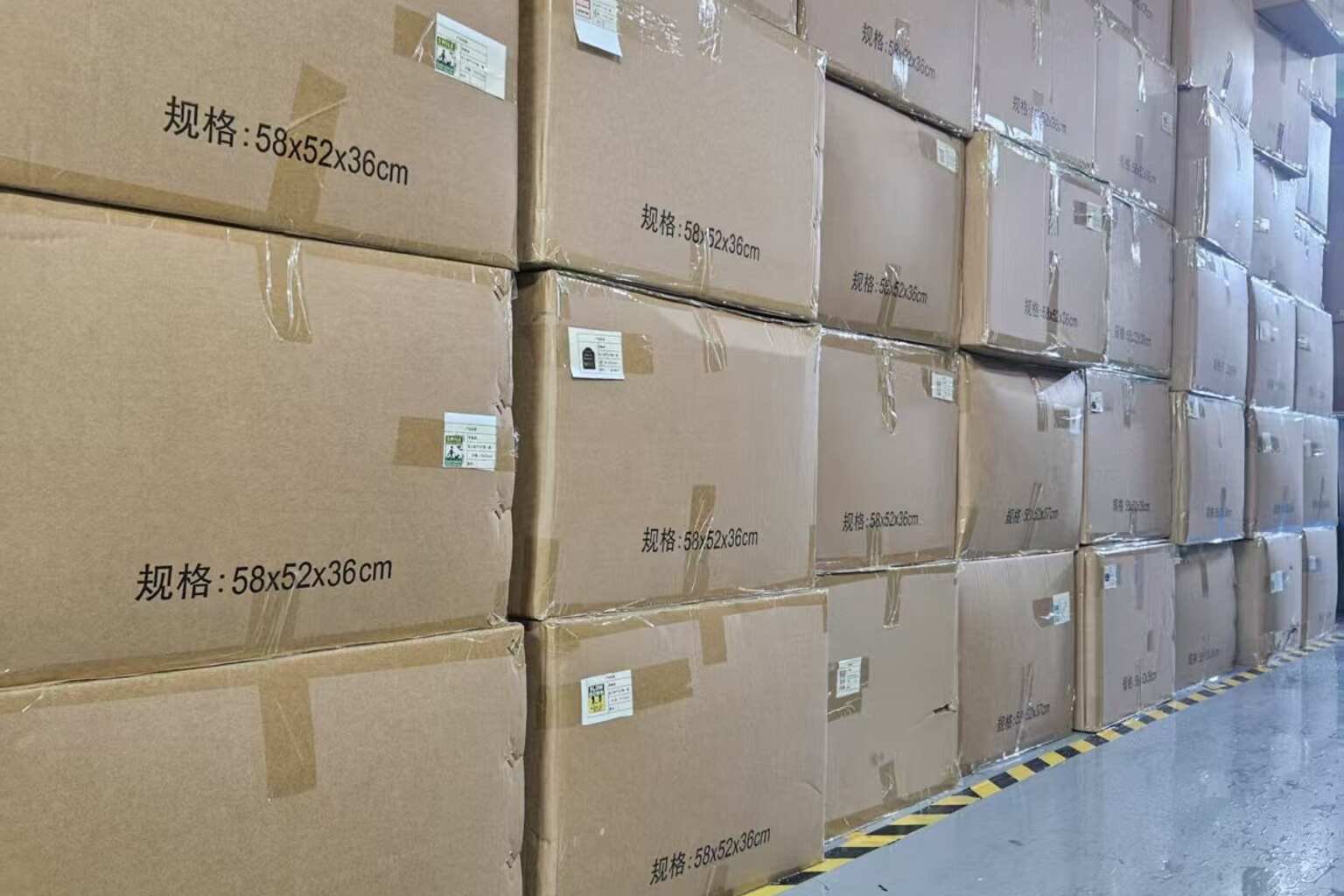
- Carton dimensions
- Carton gross weight
- Total number of cartons
- Pallet requirements
- SKU or design identification
- Barcode or carton-label requirements
- Whether different designs can be packed separately
A slightly higher packaging cost may reduce receiving time, warehouse confusion, picking errors, repacking expenses, and product damage.
4. Compare Ocean Freight and Air Freight
Bulk yard sign buyers commonly compare ocean freight and air freight. The best option depends on the order volume, delivery deadline, destination, and transportation budget.
| Shipping Method | Main Advantage | Main Concern | Suitable For |
|---|---|---|---|
| Ocean Freight | Usually more economical for larger shipments. | Longer transportation time. | Planned bulk orders and replenishment stock. |
| Air Freight | Faster transportation. | Higher transportation cost. | Urgent projects and smaller shipments. |
| Door-to-Door Delivery | Simpler delivery coordination. | The exact service scope must be confirmed. | Buyers who prefer a more complete delivery arrangement. |
Buyers should not compare an EXW or FOB factory price with a delivered DDP quotation without adjusting the scope. These prices may cover completely different services.
5. Confirm What DDP or Door-to-Door Shipping Includes
When a supplier offers DDP or door-to-door delivery, the buyer should confirm the exact scope of the quotation.
Important questions include:
- Is the shipment delivered to the warehouse or only to a port?
- Are customs clearance charges included?
- Are duties and taxes included?
- Is commercial delivery included?
- Are liftgate or unloading services included?
- Are remote-area delivery surcharges possible?
- What happens if the delivery address changes?
- Who is responsible for shipment delays or delivery exceptions?
A clear shipping scope helps buyers avoid unexpected charges after production is complete.
Buyer note: DDP and door-to-door shipping should always be reviewed according to the destination, delivery address, order size, and agreed commercial terms.
6. Calculate the Cost of Each Design
A 1,000-piece order with one design may have a different cost from a 1,000-piece order divided into ten different designs.
Multiple designs may require additional:
- Artwork checking
- Production setup
- Design-based sorting
- Carton identification
- Quantity control
- Warehouse handling
For each design, record:
- Design name or SKU
- Quantity
- Finished size
- Printing side
- H-stake requirement
- Packaging instruction
- Final destination or customer assignment
This is particularly important for print shops, campaign suppliers, franchise networks, and distributors shipping different designs to different customers.
7. Add Warehouse and Repacking Costs
The supplier’s quotation does not always include the buyer’s internal warehouse costs.
After the shipment arrives, the buyer may need to pay for:
- Unloading
- Receiving inspection
- Sorting by design
- Warehouse storage
- Repacking for individual customers
- Replacing damaged cartons
- Applying new labels
- Forwarding goods to multiple locations
When comparing suppliers, well-organized carton packing should be considered part of the total purchasing cost.
Landed Cost Comparison Example
The following example shows why buyers should compare the complete order cost instead of the product price alone.
| Cost Item | Supplier A | Supplier B |
|---|---|---|
| Product price | Lower | Higher |
| H-stakes | Quoted separately | Included |
| Packaging | Basic bulk packing | Design-based carton packing |
| Shipping | Port delivery only | Agreed door-to-door delivery |
| Final landed cost | May be higher than expected | Easier to calculate |
The supplier with the higher factory price may still provide a lower or more predictable total cost when packaging, stakes, freight, and final delivery are included.
Bulk Yard Sign Landed Cost Checklist
Before approving a quotation, buyers should confirm the following items:
- Sign panel price
- Material and thickness
- Printing side
- H-stake price and quantity
- Number of designs
- Artwork or setup charges
- Packaging method
- Carton dimensions and weight
- Carton labels and barcodes
- International freight
- Customs clearance
- Duty and tax responsibility
- Final delivery charge
- Warehouse receiving and repacking costs
- Estimated landed cost per sign
Best practice: Ask every supplier to provide the product cost, packaging cost, shipping cost, delivery scope, and estimated total cost in separate lines. This makes quotations easier to compare.
How iYardSign Helps Buyers Review the Complete Cost
iYardSign is a China-based custom yard sign manufacturer supporting factory-direct orders for US, Canadian, and other international business buyers.
iYardSign can prepare quotations according to:
- Finished sign size
- Corrugated plastic material
- Single-sided or double-sided printing
- Quantity by design
- H-stake requirements
- Custom shapes or cutting requirements
- Carton packing instructions
- Private-label or barcode requirements
- Delivery address
- Preferred shipping method
- Required delivery date
Customers served by iYardSign may include:
- Local sign companies
- Printing companies
- Distributors
- Print resellers
- Political campaign suppliers
- Real estate organizations
- Home service businesses
- Franchise and multi-location brands
iYardSign has supported more than 500 business customers in the United States and Canada.
Frequently Asked Questions
What is the difference between unit price and landed cost?
Unit price usually refers to the product price alone. Landed cost includes the additional costs required to manufacture, pack, transport, clear, receive, and prepare the goods for use or resale.
Are H-stakes included in the yard sign price?
Not always. Buyers should confirm whether H-stakes are included, quoted separately, or excluded from the order.
Is ocean freight cheaper than air freight for bulk yard signs?
Ocean freight is commonly more economical for larger planned shipments, while air freight may be suitable when delivery speed is more important than transportation cost.
Does DDP always include every delivery charge?
Not necessarily. Buyers should confirm the exact DDP or door-to-door scope, including customs clearance, duties, taxes, unloading, and final delivery conditions.
Why do two suppliers quote different prices for the same quantity?
The quotations may use different material thicknesses, printing sides, stake specifications, packaging methods, shipping terms, or delivery scopes.
Should packaging be included when calculating landed cost?
Yes. Packaging affects the number of cartons, shipment volume, receiving labor, warehouse handling, and the risk of product damage.
Can iYardSign provide different shipping options?
iYardSign can discuss available shipping options according to the order quantity, destination, required delivery date, and agreed commercial terms.
How can I calculate the landed cost per yard sign?
Add the product, packaging, freight, import, and final delivery costs together, then divide the total by the number of yard signs received.
Important: The final landed cost may change if the quantity, destination, packaging, shipping method, delivery address, or customs requirements change.
Ready to Calculate Your Bulk Yard Sign Cost?
Send iYardSign your sign size, material, printing requirements, quantity by design, H-stake requirements, packaging instructions, delivery address, and required delivery date.
We can help you review the product specification, compare shipping options, and prepare a factory-direct quotation for your bulk custom yard sign order.