How to Improve Yard Sign Profit Margin with Wholesale Pricing

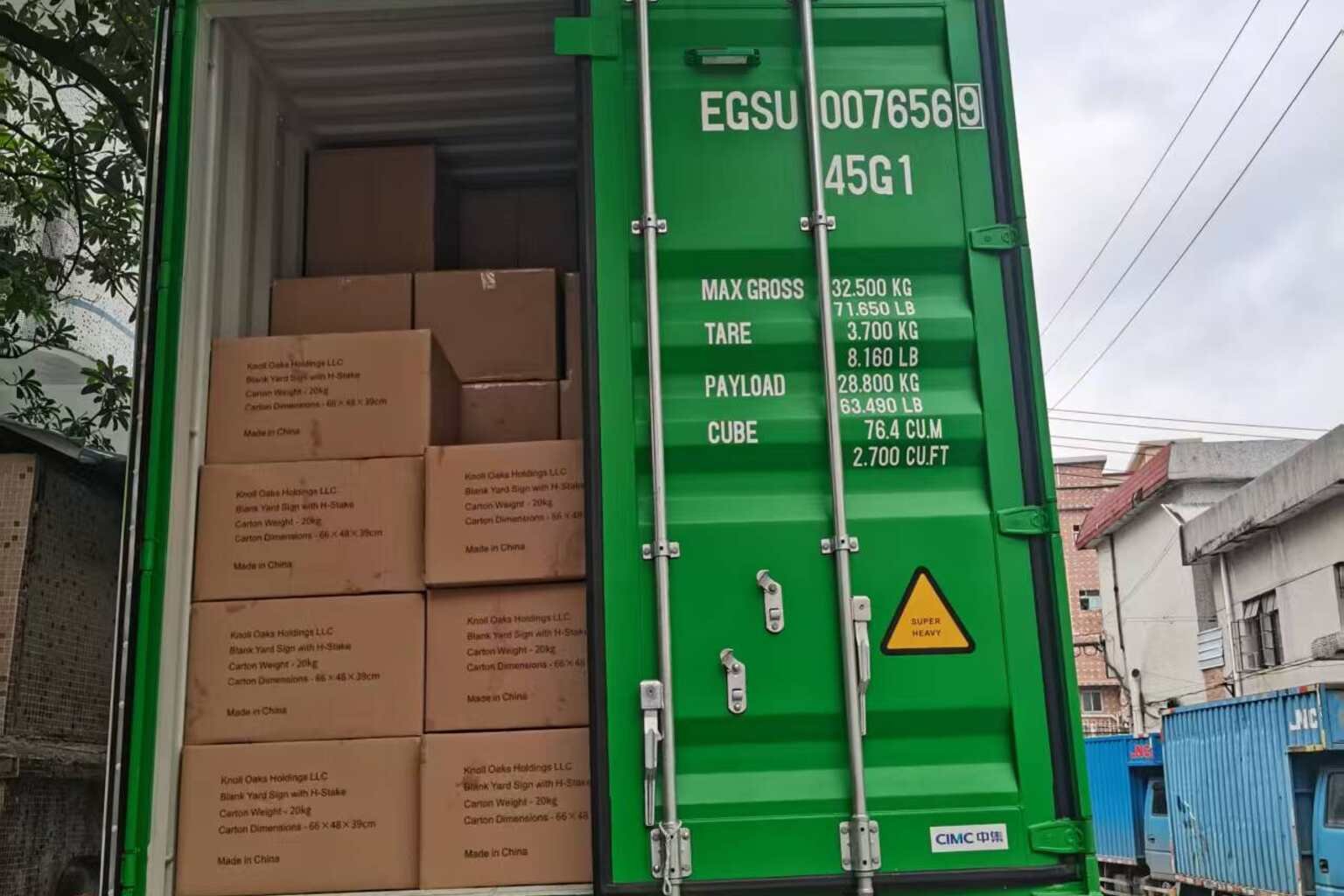
iYardSign supports bulk custom yard sign orders for distributors, printing companies, sign businesses, resellers, political campaign suppliers, and multi-location brands in the United States, Canada, and other international markets.
Quick answer: To calculate yard sign profit margin, subtract the complete cost from the selling price, divide the result by the selling price, and multiply by 100. The complete cost should include the product, stakes, packaging, freight, delivery, labor, payment fees, and other selling expenses.
What Is Yard Sign Profit Margin?
Yard sign profit margin is the percentage of the selling price that remains after deducting the complete cost of supplying the yard signs.
The basic formula is:
Yard Sign Profit Margin = (Selling Price − Total Cost) ÷ Selling Price × 100
For example:
- Selling price: $3.00 per yard sign
- Total cost: $2.00 per yard sign
- Gross profit: $1.00 per yard sign
- Yard sign profit margin: 33.3%
The profit margin is different from markup. According to
Investopedia’s explanation of gross margin,
margin is calculated from the selling price, while markup is calculated from the cost.
Markup and Profit Margin Are Not the Same
Many resellers confuse markup with profit margin.
Markup measures how much is added to the cost:
Markup = (Selling Price − Cost) ÷ Cost × 100
Profit margin measures how much of the selling price remains as profit:
Profit Margin = (Selling Price − Cost) ÷ Selling Price × 100
If the cost is $2.00 and the selling price is $3.00:
- Gross profit: $1.00
- Markup: 50%
- Profit margin: 33.3%
Using the correct formula helps distributors and sign companies avoid overestimating their real yard sign profit margin.
Step 1: Calculate the Complete Cost Per Sign
Before setting a wholesale price, calculate the complete cost of supplying one finished yard sign.
Your total cost may include:
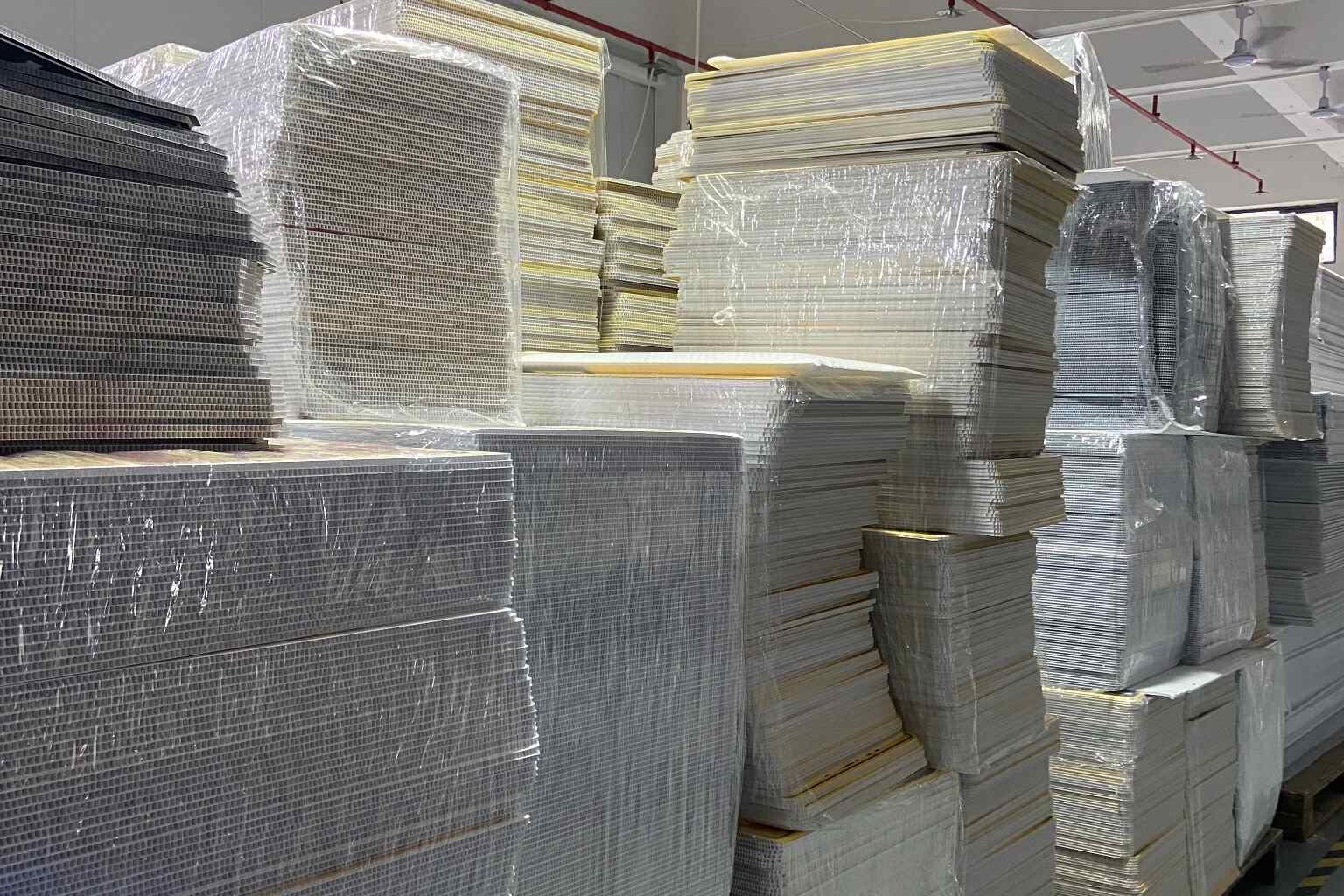
- Corrugated plastic sign production
- Single-sided or double-sided printing
- H-stakes or metal stakes
- Custom shape cutting
- Artwork preparation
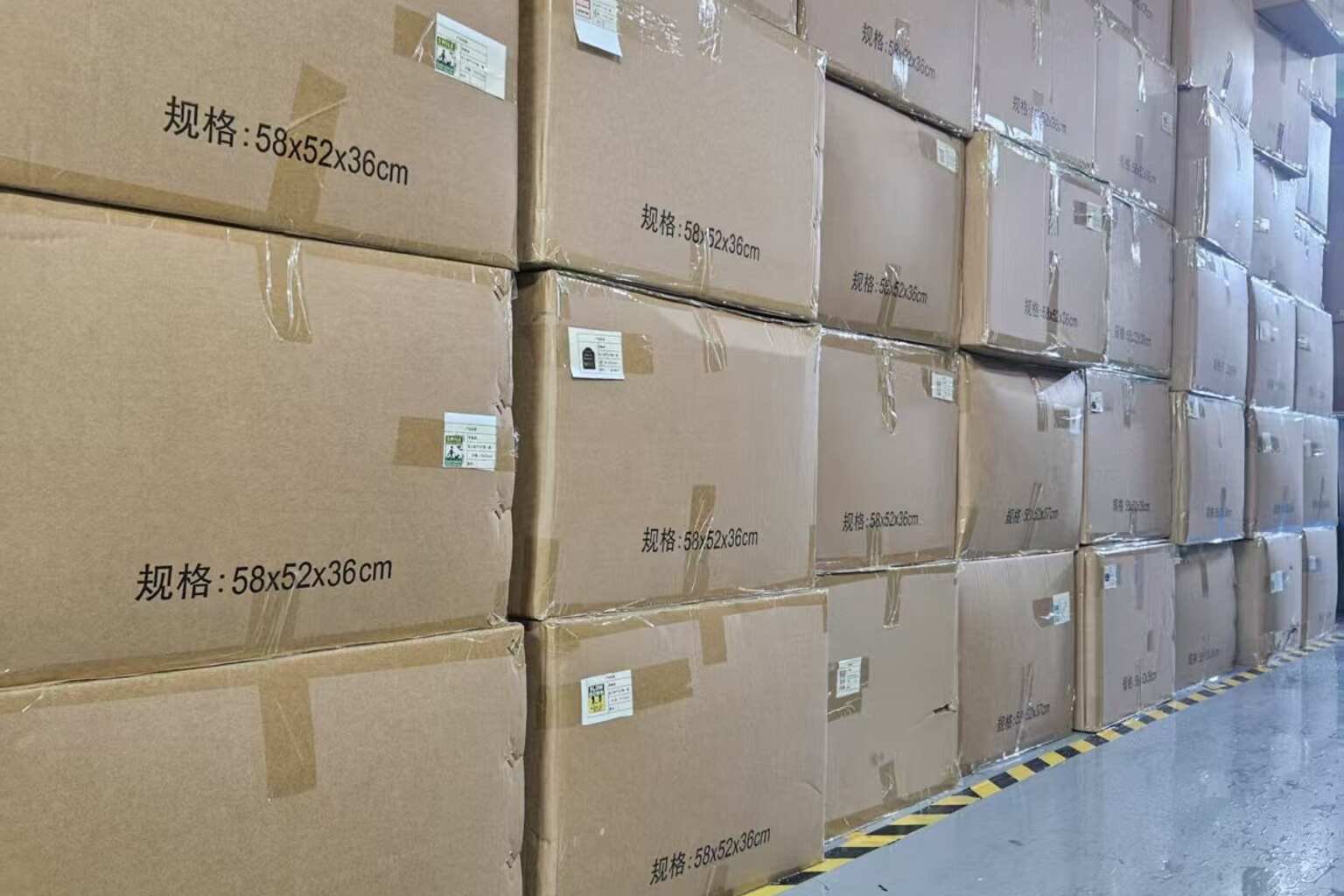
- Packaging and carton materials
- International freight
- Customs-related charges
- Final delivery
- Warehouse receiving and sorting
- Local delivery to customers
- Payment processing fees
- Customer service and sales labor
A buyer should calculate the cost based on the complete delivered order rather than the factory price alone.
Important: A low factory unit price does not automatically create a high yard sign profit margin. Unplanned freight, repacking, delivery, and replacement costs can reduce the final profit.
Step 2: Include H-Stakes and Accessories
If the customer expects a complete yard sign set, the selling price should include the required stakes and accessories.
Confirm:
- Whether one H-stake is included with each sign
- The cost of each stake
- Extra stake requirements
- Packaging for the stakes
- Shipping volume and weight of the stakes
A price based only on the sign panel may make the yard sign profit margin appear higher than it actually is.
Step 3: Add Packaging and Handling Costs
Packaging affects the seller’s cost and the customer’s experience.
Distributors and resellers should consider:
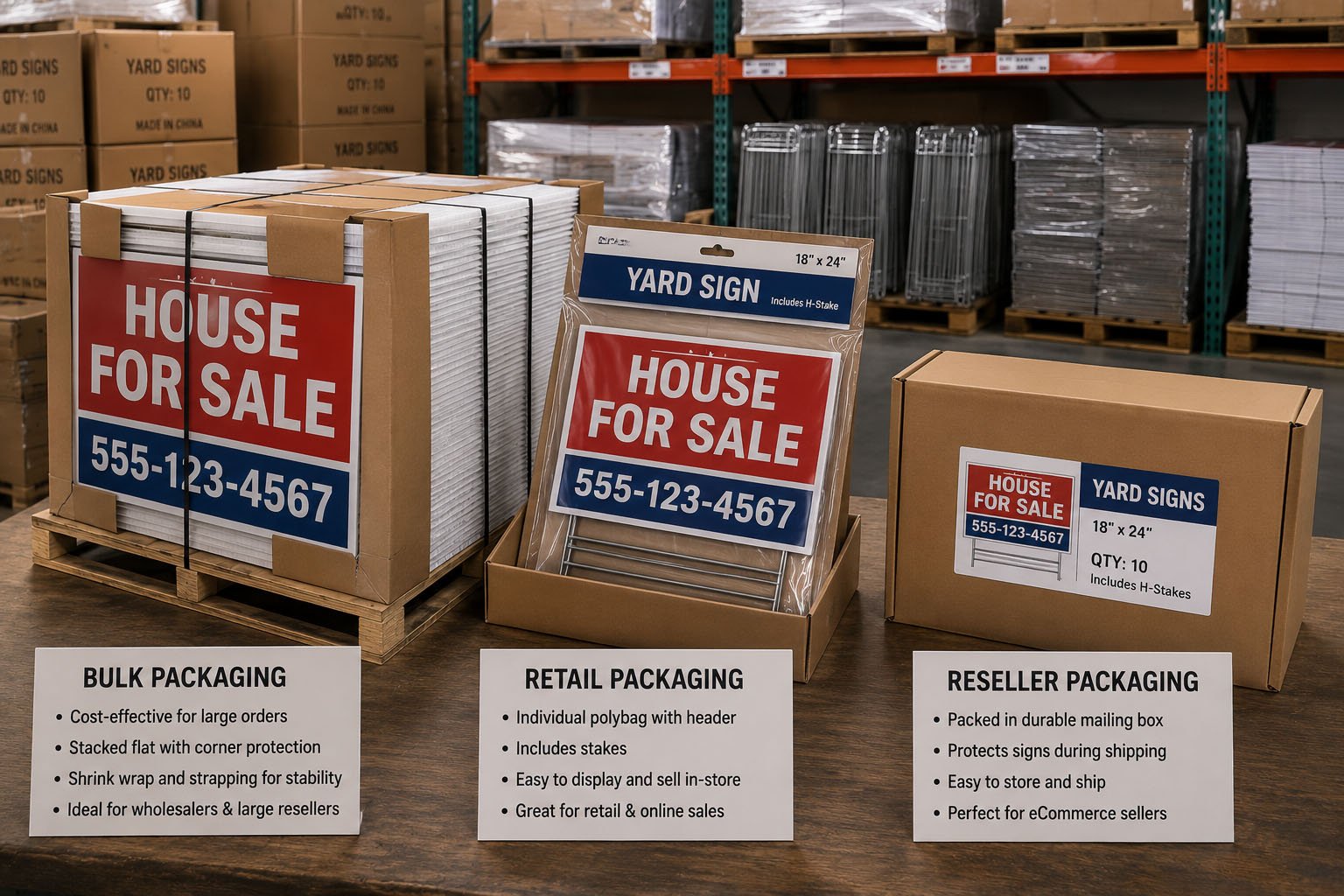
- Signs per carton
- Stakes per carton
- Carton dimensions
- Carton labels
- Barcodes or SKU labels
- Sorting by design
- Pallet handling
- Repacking for individual customers
Design-based packaging may increase the factory packing cost but reduce warehouse labor and order-sorting errors.
Step 4: Add Your Business Operating Expenses
A reseller must cover more than the direct product cost.
Operating expenses may include:
- Warehouse rent
- Inventory management
- Advertising and lead generation
- Sales commissions
- Customer support
- Payment platform fees
- Local delivery
- Returns and replacements
- Administrative labor
These costs may not be assigned to one individual sign, but they should be included in the overall pricing model.
If these expenses are ignored, the reported yard sign profit margin may look attractive while the business produces little net profit.
Step 5: Set the Selling Price from the Target Margin
Once the complete cost is known, calculate the selling price based on the desired margin.
Use this formula:
Selling Price = Total Cost ÷ (1 − Target Profit Margin)
Example:
- Total cost: $2.00 per sign
- Target profit margin: 30%
- Selling price: $2.00 ÷ 0.70 = $2.86
- Gross profit: approximately $0.86 per sign
If the buyer sells 1,000 signs at $2.86 per sign, the estimated gross profit before other business expenses is approximately $860.
Step 6: Create Volume Pricing Tiers
Distributors and print resellers often need to offer different prices for different quantities.
A volume pricing structure may look like this:
| Order Quantity | Pricing Approach | Main Risk |
|---|---|---|
| 100–299 pieces | Higher price to cover setup and handling. | Higher cost per unit. |
| 300–499 pieces | Moderate volume discount. | More customer service per order. |
| 500–999 pieces | Competitive wholesale pricing. | Greater inventory commitment. |
| 1,000+ pieces | Lower unit price with planned volume. | Cash flow and storage requirements. |
Every discount should be checked against the minimum acceptable yard sign profit margin.
Step 7: Price Custom Options Separately
Custom requirements may increase both production costs and the seller’s workload.
Additional pricing may be needed for:
- Custom sizes
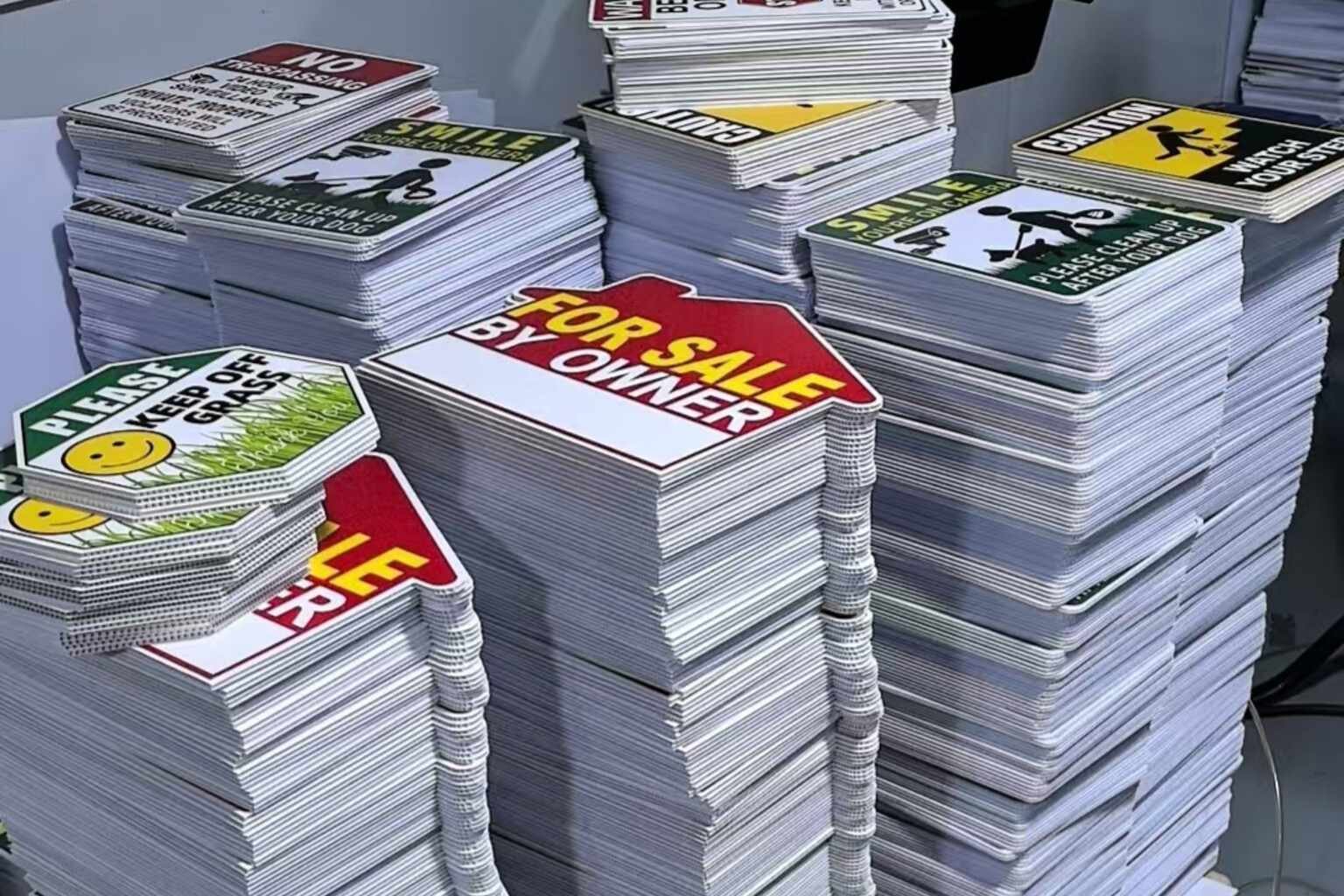
- Custom shapes
- Double-sided printing
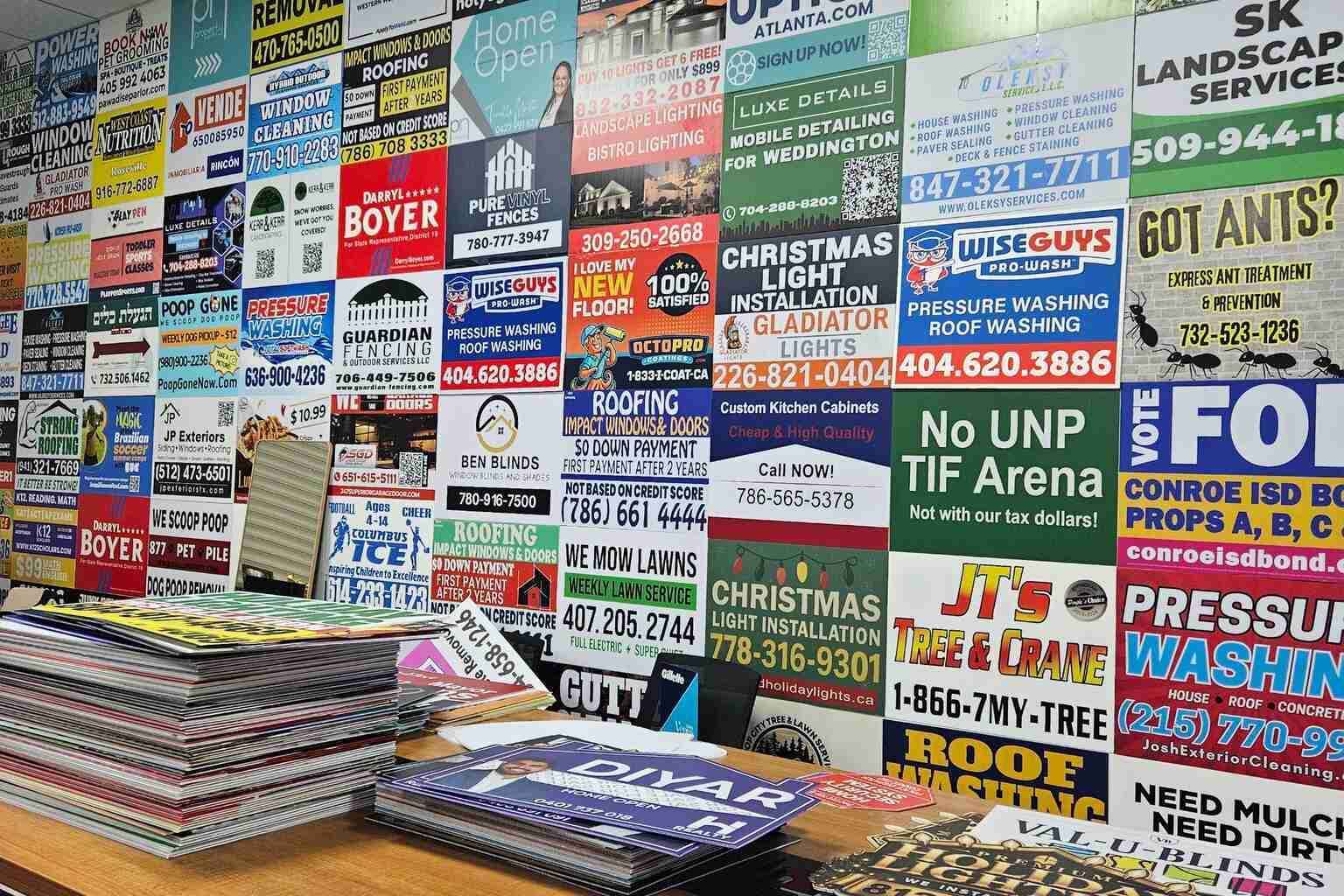
- Multiple artwork designs
- Special packaging
- Private-label packaging
- Individual customer packing
- Multiple delivery locations
- Additional artwork revisions
- Urgent production requirements
If these services are included without adjustment, the yard sign profit margin may fall below the planned level.
Step 8: Keep a Minimum Acceptable Price
Before negotiating with customers, set a minimum selling price.
This price should cover:
- Complete product cost
- Expected delivery cost
- Sales and service labor
- Expected replacement cost
- Customer discount allowance
- Minimum target profit
A minimum price prevents the sales team from offering discounts that make the order unprofitable.
Best practice: Prepare three prices for important customers: the standard price, the volume discount price, and the lowest acceptable price.
Wholesale Yard Sign Profit Margin Checklist
Before sending a quotation to your customer, confirm:
- Complete landed cost
- H-stake cost
- Packaging and labeling cost
- Local delivery cost
- Artwork and service labor
- Payment processing fees
- Replacement and damage allowance
- Target yard sign profit margin
- Volume discount level
- Minimum acceptable selling price
- Expected repeat-order value
How iYardSign Supports Wholesale Buyers
iYardSign is a China-based custom yard sign manufacturer supporting bulk orders for distributors, print resellers, sign companies, political campaign suppliers, and local service businesses.
Buyers can request factory-direct pricing based on:
- Order quantity
- Sign size
- Material thickness
- Single-sided or double-sided printing
- Number of designs
- H-stake requirements
- Packaging instructions
- Delivery destination
- Shipping method
A clear quotation helps buyers estimate their total cost, wholesale selling price, volume discount, and expected yard sign profit margin.
iYardSign has supported more than 500 business customers in the United States and Canada, including distributors, print companies, resellers, service brands, and multi-location businesses.
Frequently Asked Questions
How do I calculate yard sign profit margin?
Subtract the total cost from the selling price, divide the result by the selling price, and multiply by 100.
Yard Sign Profit Margin = (Selling Price − Total Cost) ÷ Selling Price × 100
What costs should be included in yard sign pricing?
Include the sign production cost, H-stakes, packaging, freight, customs-related charges, final delivery, warehouse labor, local delivery, payment fees, and expected replacement costs.
What is the difference between markup and profit margin?
Markup calculates profit as a percentage of cost. Profit margin calculates profit as a percentage of the selling price.
Should freight be included when calculating yard sign profit margin?
Yes. Freight and final delivery can significantly affect the actual profit margin, especially for overseas bulk orders.
Should H-stakes be included in the customer price?
If H-stakes are supplied with the signs, their cost should be included in the total cost or listed separately in the quotation.
Should distributors offer lower prices for larger orders?
Larger orders may justify lower unit pricing because production and handling can be more efficient. The discounted price should still protect the minimum acceptable margin.
How should custom-shaped yard signs be priced?
Custom shapes may require additional cutting, setup, tooling, packaging, and handling. These additional costs should be calculated before setting the selling price.
Can iYardSign provide quantity-based quotations?
Yes. iYardSign can discuss pricing according to quantity, sign size, printing requirements, artwork designs, H-stakes, packaging, destination, and shipping method.
Important: Do not confirm a customer price before reviewing the complete product specification, shipping scope, quantity, destination, and expected yard sign profit margin.
Need a Wholesale Yard Sign Quotation?
Send iYardSign your required quantity, sign size, artwork designs, printing requirements, H-stake needs, packaging instructions, delivery address, and preferred shipping method.
We can help you review the factory-direct cost and prepare a quotation for your wholesale, resale, or bulk custom yard sign project.