How Amazon and Walmart Sellers Can Test Custom Yard Sign Demand Before Scaling Inventory

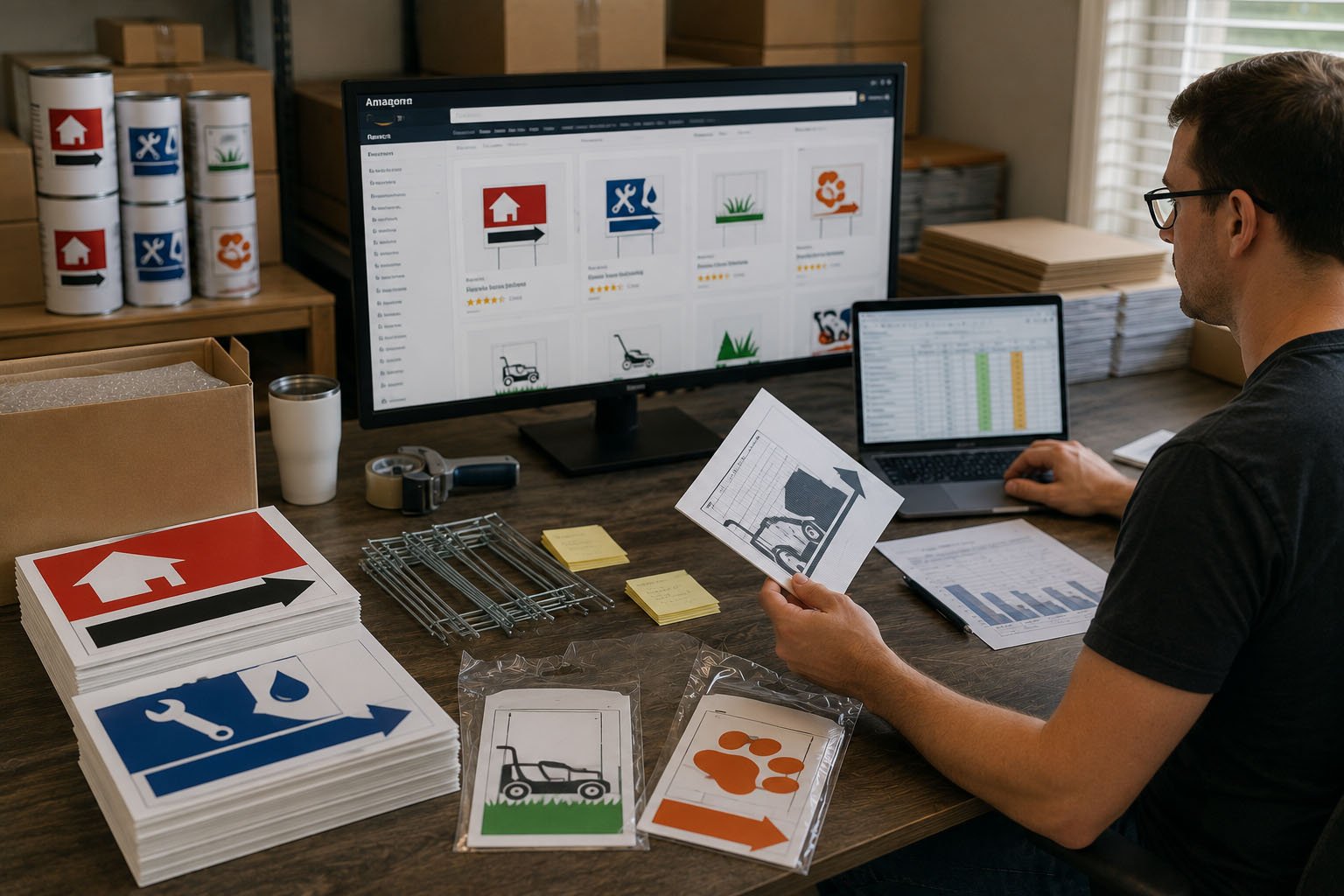
Yard signs can look simple in a product listing, but the business model includes more than the printed panel. Size, material, H-stakes, packaging, shipping dimensions, artwork handling, and customer expectations all affect the result.
Quick answer: Marketplace sellers should begin with a small number of clear yard sign SKUs, order samples, verify the delivered cost, test the listing and packaging, and collect customer feedback before expanding into more sizes, shapes, colors, or custom options.
Why Yard Sign Inventory Needs Careful Testing
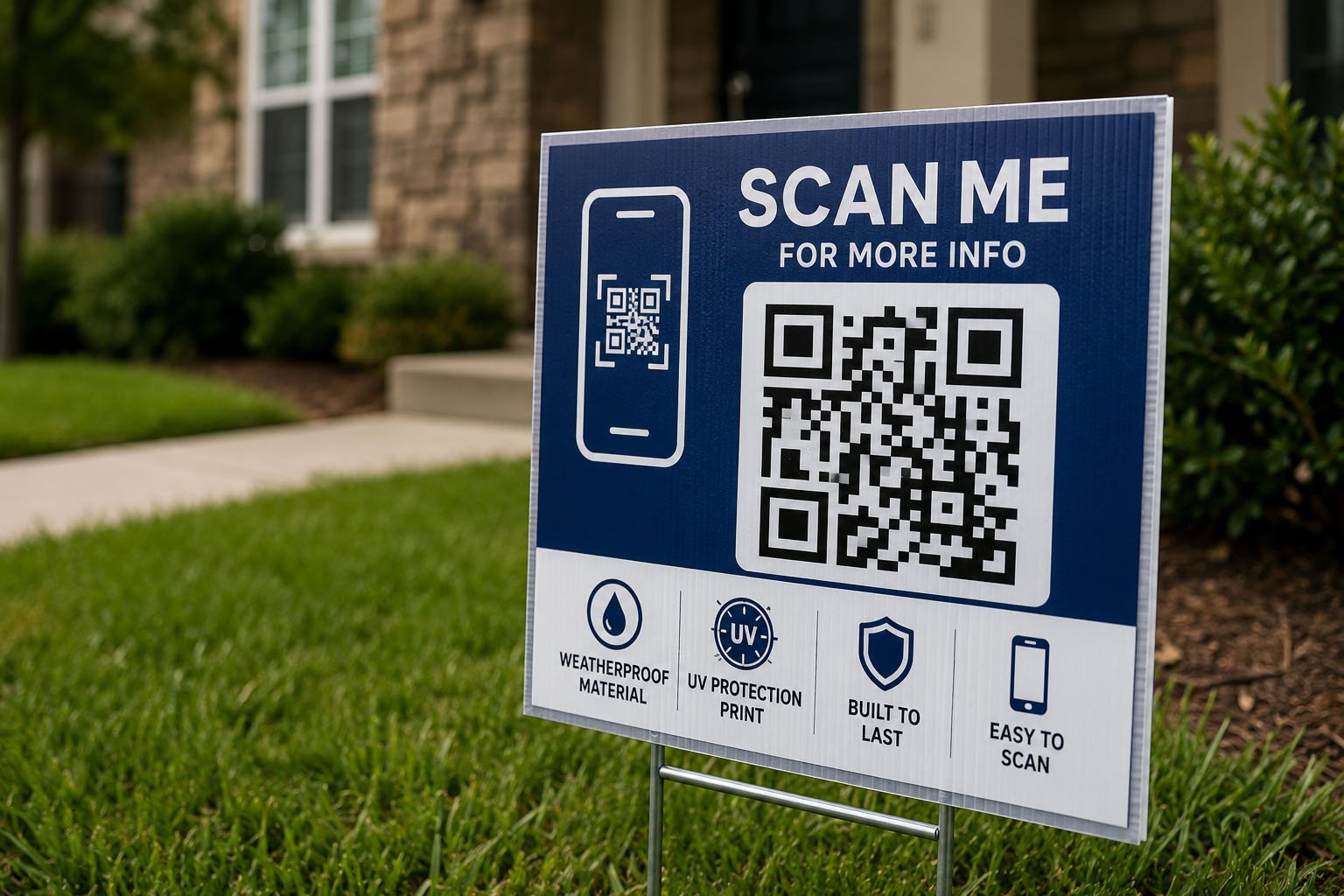
Custom yard signs are different from small, standard products. They can be lightweight but relatively large, which affects carton size and shipping efficiency. They can also contain customer artwork, local phone numbers, QR codes, or business information that must be checked before production.
Marketplace sellers may face several risks:
- Too many sizes create slow-moving inventory
- Large cartons increase shipping and storage costs
- Customers may misunderstand whether stakes are included
- Custom artwork can create proofing and production delays
- Printed colors may not match customer expectations
- Signs may arrive damaged if packing is not suitable
- Different designs may create SKU and fulfillment confusion
A controlled test order helps the seller identify these issues before committing to a wider product line.
Start With One Clear Customer Segment
A general listing called “custom yard sign” may be too broad to test properly. Start with one customer segment and one clear use case.
Possible starting segments include:
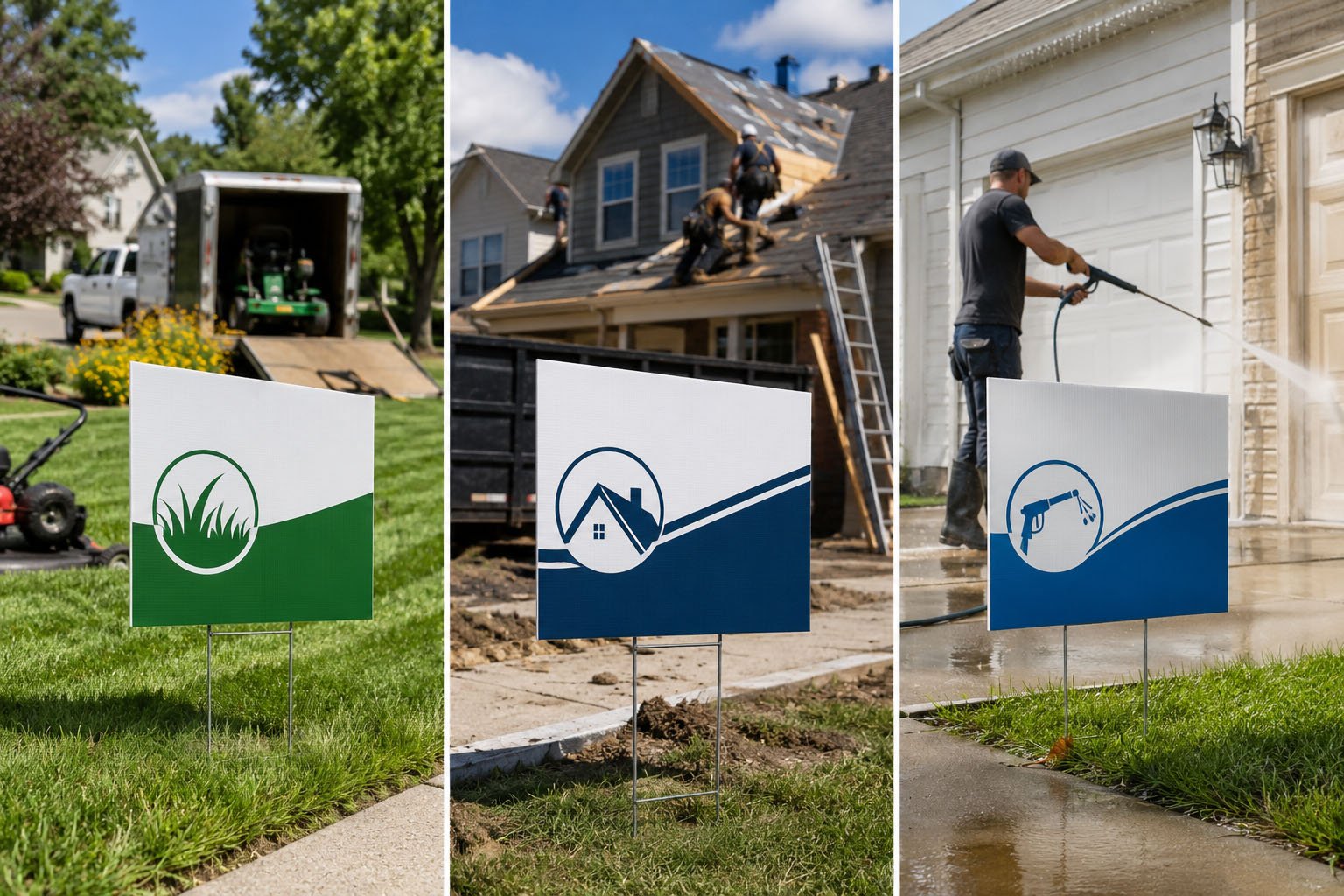
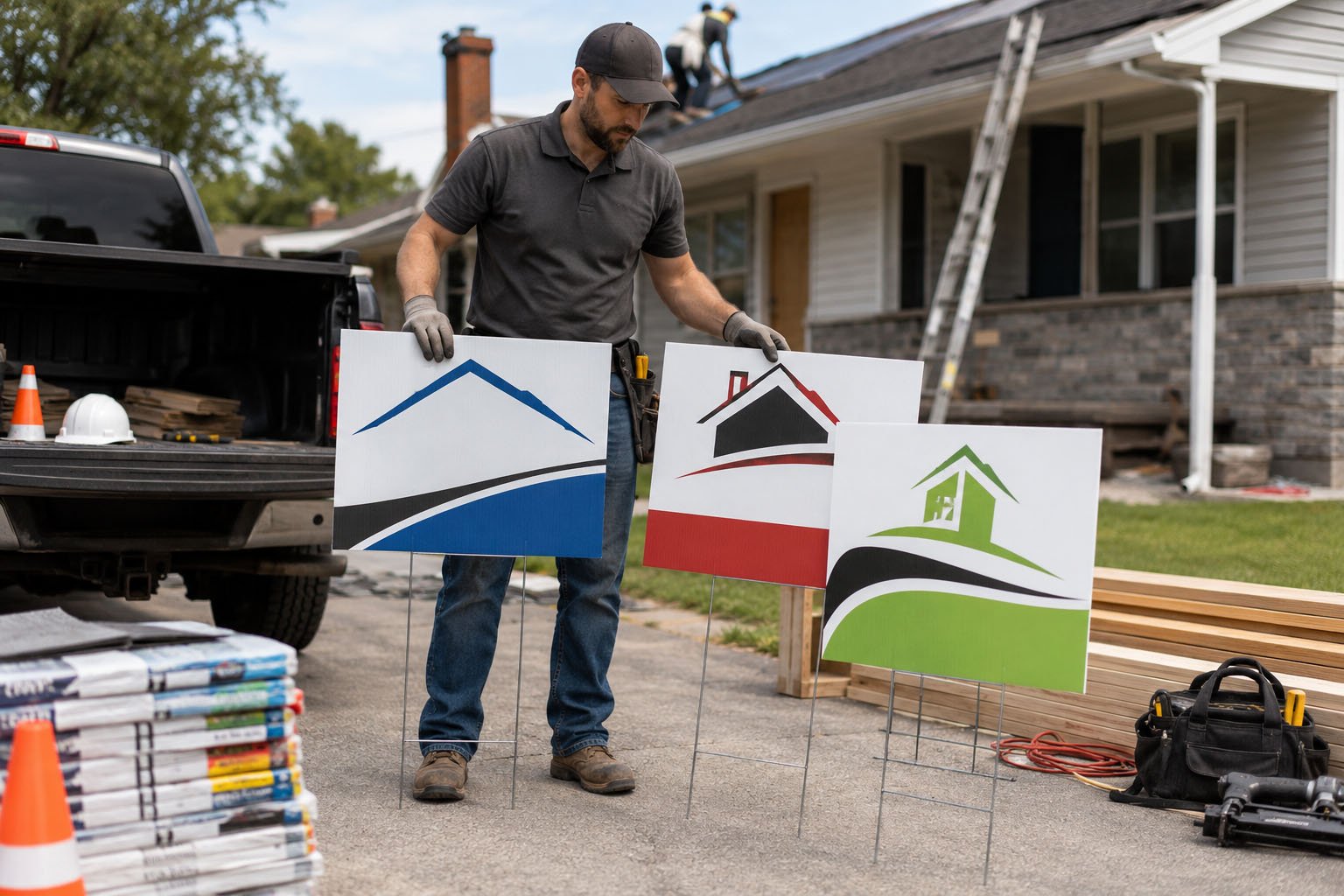
- Real estate agents
- Lawn care companies
- Cleaning businesses
- Roofing contractors
- Pressure washing companies
- Birthday and event organizers
- Local political campaigns
- Small business owners
Each segment may care about different features. A real estate buyer may prioritize a standard size and H-stake. A lawn care company may need repeated job-site use. An event customer may care more about color, shape, and a short delivery schedule.
Testing one clear audience makes it easier to understand which product features actually influence sales.
Limit the First Product Range
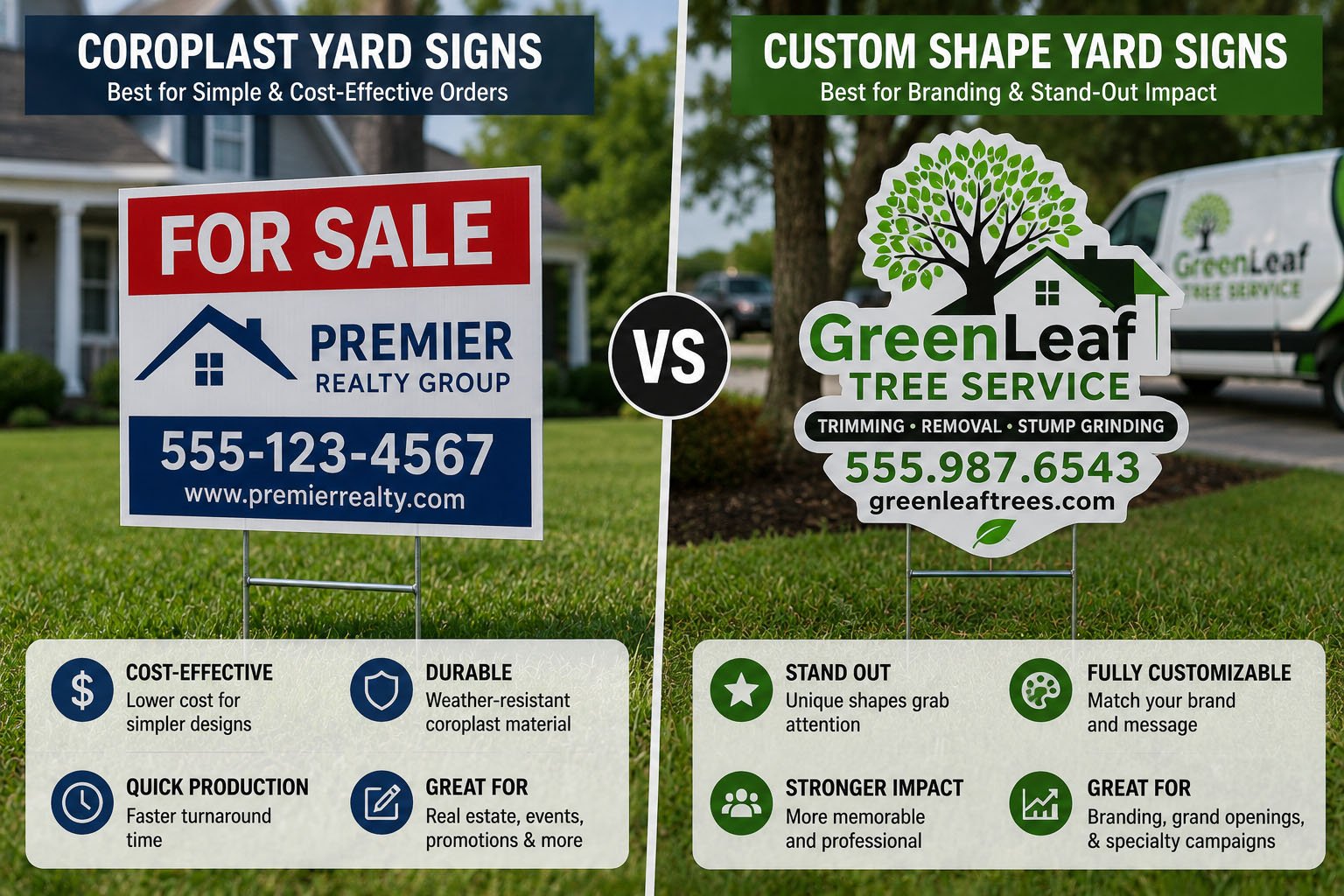
Do not begin with every possible sign size, shape, and accessory. A smaller test range is easier to price, photograph, advertise, pack, and support.
A first test may include:
- One standard rectangular size
- One larger visibility-focused size
- One single-sided option
- One double-sided option
- Signs with H-stakes
- Signs without H-stakes
For many commercial applications, 18×24 is a practical starting size. A larger 24×36 option may be tested separately when customers need more visibility or more design space.
Before choosing the first SKUs, review the yard sign size and dimensions guide.
Order Samples Before Buying Test Inventory
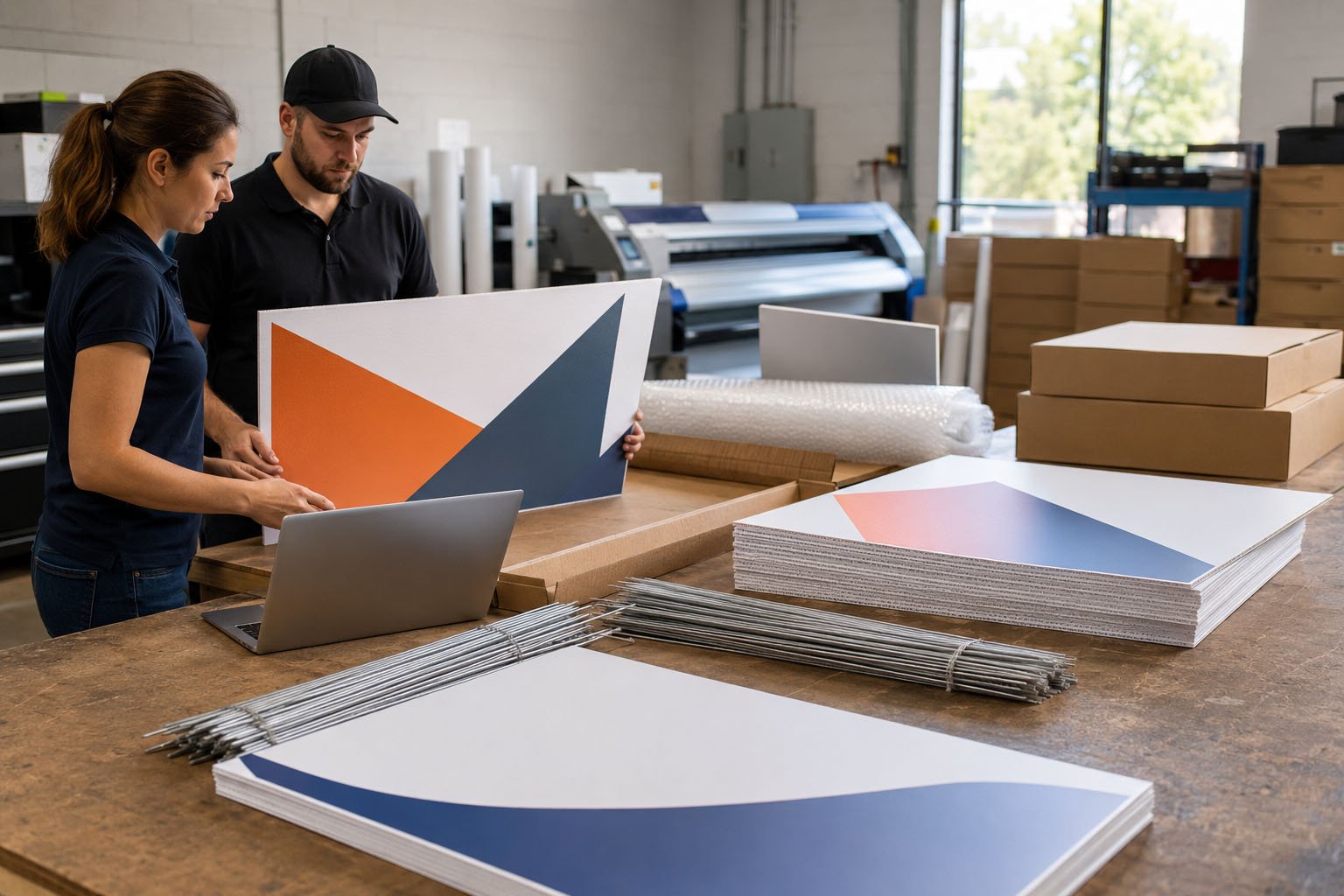
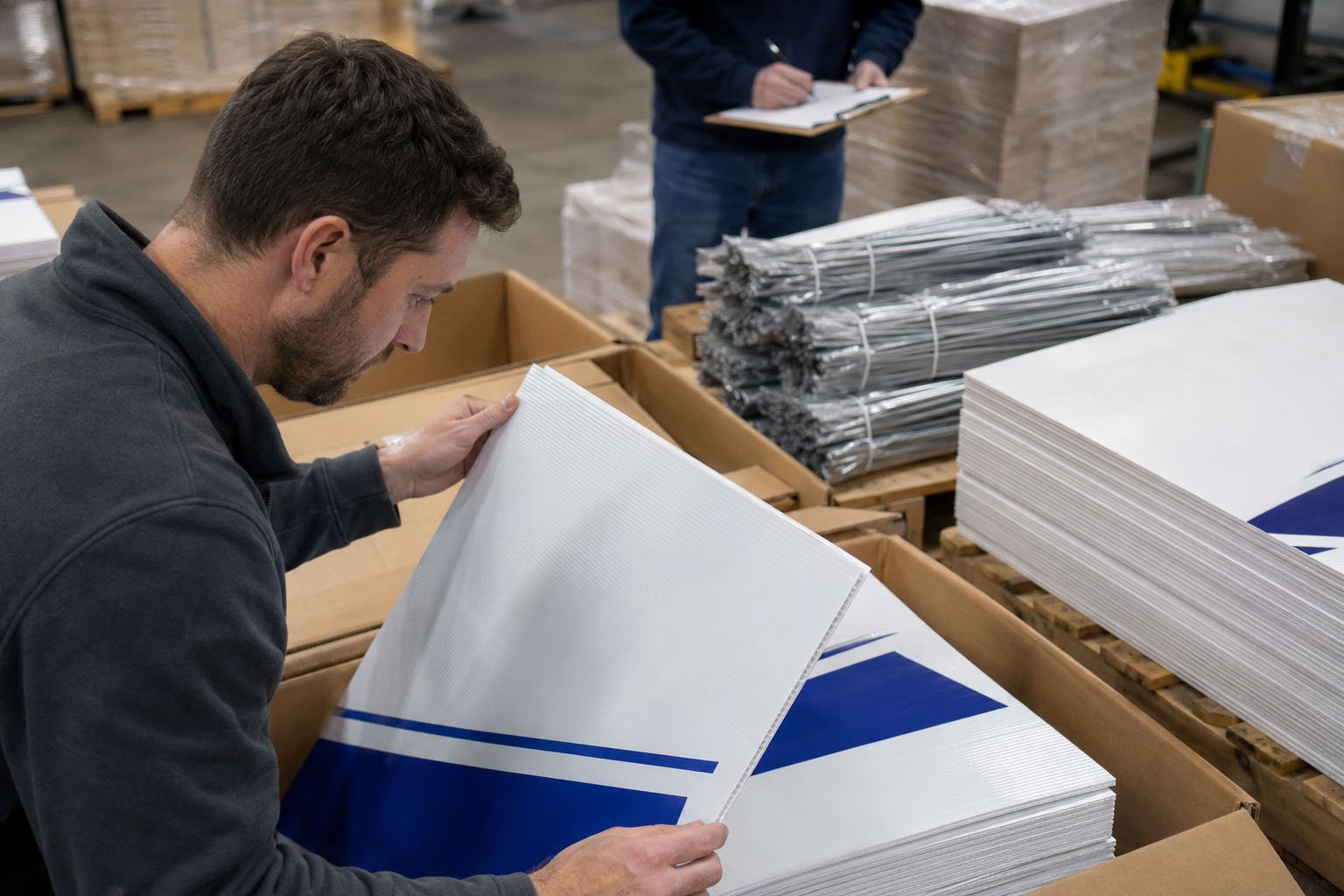
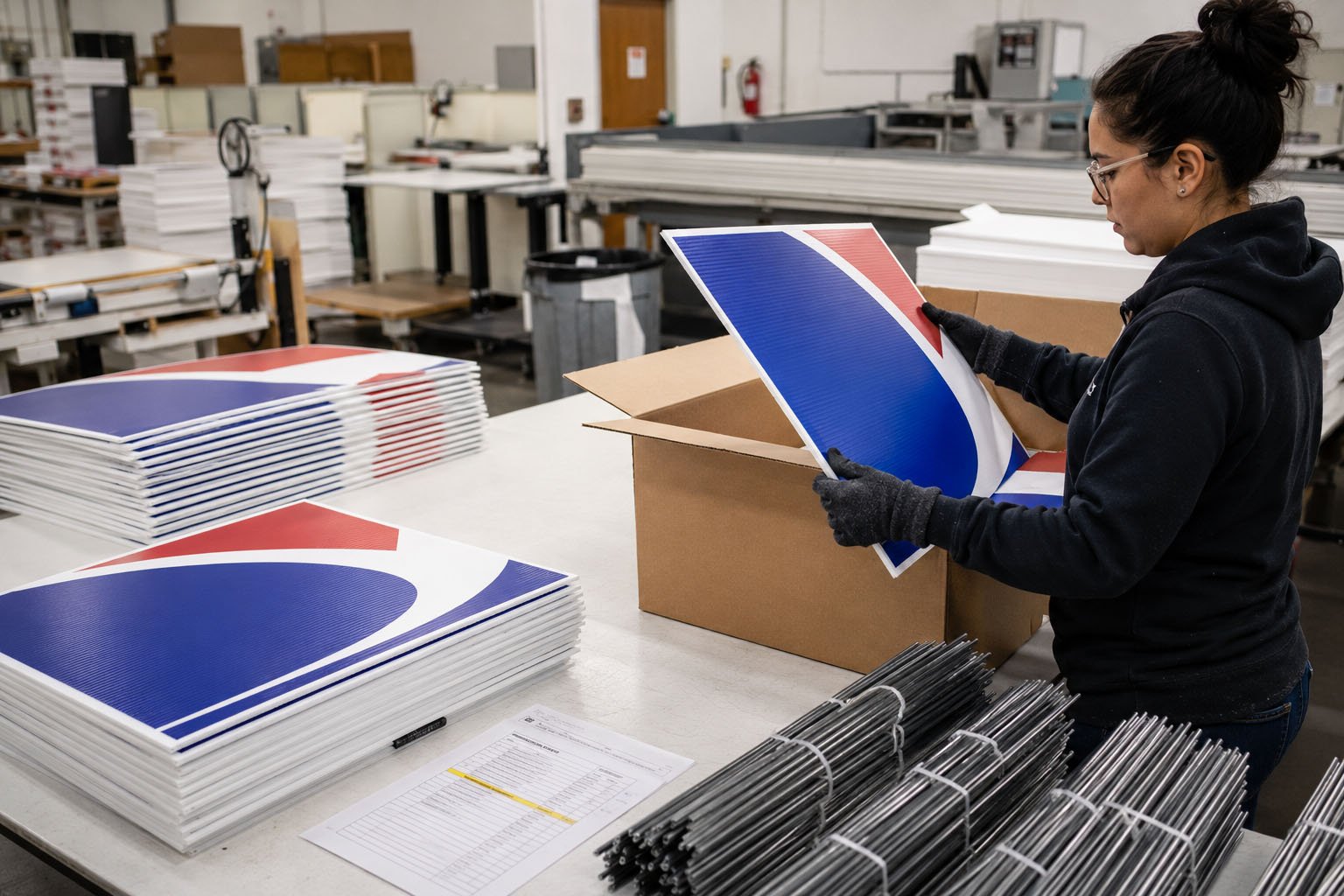
A sample should represent the product that will actually be sold. If the final product includes an H-stake, the sample should include the same or equivalent stake. If the listing promises double-sided printing, the sample should be printed on both sides.
Review the sample for:
- Actual panel dimensions
- Material thickness and stiffness
- Print color and contrast
- Small text readability
- Logo and artwork quality
- H-stake fit
- Edge and corner condition
- Packaging protection
- Carton size and handling
Do not create the final listing from a digital mockup alone. A sample can reveal whether the sign looks too small, whether the stake is suitable, and whether the packaging matches the expected customer experience.
Calculate Landed Cost Instead of Unit Cost
The product cost shown by a factory is only one part of the marketplace business calculation.
Estimate:
- Sign production cost
- Printing cost
- H-stake cost
- Artwork or proofing cost
- Packaging cost
- International freight
- Destination charges
- Warehouse handling
- Marketplace fees
- Customer service and replacement cost
- Advertising and promotion cost
Large-format products can also be affected by dimensional shipping weight. A sign may be lightweight but still require a relatively large carton.
Before choosing a selling price, compare the estimated delivered cost for the complete packed product. The bulk yard sign shipping and packaging guide can help sellers identify the logistics details that should be confirmed.
Make the Listing Clear About Stakes and Customization
Many customer complaints begin with an unclear product description. The listing should state exactly what is included.
Clarify:
- Finished sign size
- Material type
- Single-sided or double-sided printing
- Whether H-stakes are included
- Whether the sign is shipped flat
- Whether the product is reusable
- Whether artwork proofing is required
- Whether the item is made to order
- Expected production and delivery time
Do not assume customers know what “yard sign” includes. Some buyers expect a panel only. Others expect a complete sign with stakes, holes, packaging, and installation instructions.
Test the Artwork and Proofing Process
Custom products need a clear approval process. If the marketplace seller accepts customer artwork, define when production starts and how the customer confirms the final design.
The seller should decide:
- Which file formats are accepted
- Whether artwork checking is included
- Whether a digital proof is sent
- How many revisions are included
- What happens when the customer does not approve the proof
- When the production lead time begins
- Whether customized products can be returned
A clear workflow protects the marketplace seller from producing a sign with an incorrect phone number, spelling mistake, logo, or QR code.
Use the First Order to Test Packaging
Packaging should be tested before inventory is scaled. A product that arrives scratched, bent, wet, or mixed with the wrong stakes can create customer service costs even when the printing itself is correct.
Check:
- Protection around panel edges
- Bundle quantity
- Stake separation
- Carton strength
- Carton labels
- Moisture protection
- Ease of warehouse handling
- Shipping damage after normal carrier handling
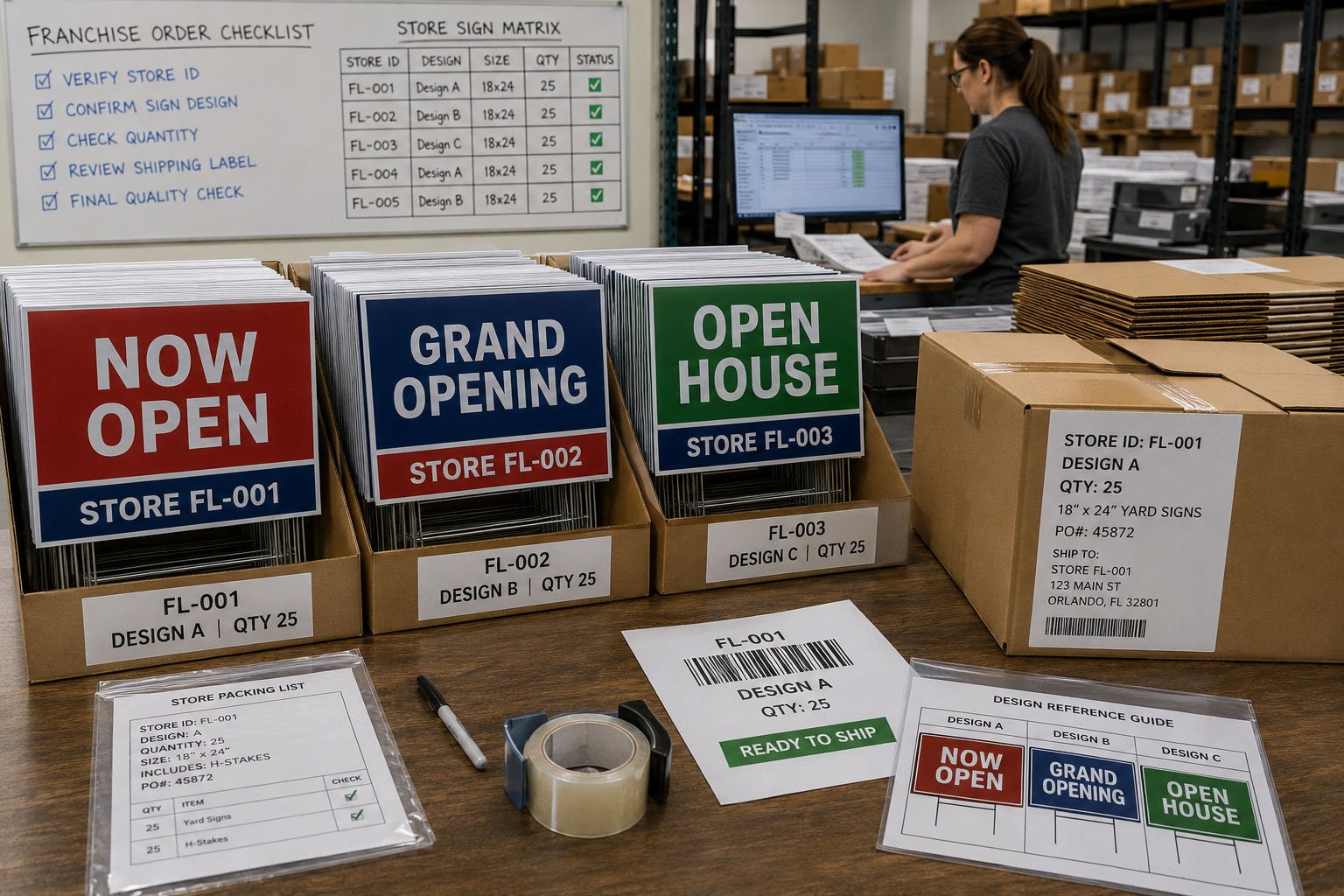
When a seller tests several designs, each design should be clearly labeled. This reduces the risk of sending the wrong design to a customer or mixing different versions in storage.
For more detailed reseller packaging considerations, review the ecommerce yard sign packaging guide.
Measure More Than Sales
The first test should evaluate the complete product business, not just the number of orders.
Track:
- Listing impressions
- Click-through rate
- Conversion rate
- Customer questions
- Artwork rejection rate
- Average production time
- Shipping damage reports
- Returns or replacement requests
- Customer reviews
- Reorder interest
Customer questions can reveal problems in the listing. If many buyers ask whether stakes are included, the product page should make that information more visible. If customers repeatedly ask about size, add a clearer dimensions image or comparison table.
When to Add More Sizes or Designs
Expand the product range only after the initial product can be produced, packed, and supported consistently.
Good reasons to add a new SKU may include:
- Customers repeatedly request a different size
- A specific industry shows strong demand
- The larger size has a clear use case
- The supplier can maintain the same quality standard
- The shipping cost remains commercially workable
- The seller can manage the additional inventory
Do not add a new variation only because it is available from the factory. Every SKU creates another product description, image set, artwork template, inventory record, and customer service responsibility.
Marketplace Fulfillment Requires Extra Planning
Whether the seller uses its own warehouse, a third-party logistics provider, or a marketplace fulfillment service, the product must fit the selected fulfillment workflow.
Confirm:
- Maximum carton dimensions
- Individual unit labeling requirements
- Barcode or SKU requirements
- Whether stakes are packed with the sign
- How custom orders are identified
- Whether products can be shipped directly to the end customer
- How damaged products are replaced
Marketplace requirements may change, so sellers should confirm the current requirements of Amazon, Walmart, or their selected fulfillment provider before shipment.
How iYardSign Can Support Marketplace Sellers
iYardSign is a China-based custom yard sign manufacturer supporting bulk orders for online sellers, Amazon and Walmart businesses, print resellers, local service companies, real estate teams, events, and campaigns.
A marketplace seller can discuss:
- 18×24 and 24×36 corrugated plastic yard signs
- Custom printed panels
- Single-sided and double-sided printing
- Yard signs with H-stakes
- Multiple artwork designs
- Sample orders before scaling
- SKU-based packing
- Neutral or customized packaging
- Carton labeling
- Shipping coordination for US and Canadian customers
The first goal should be a product that can be listed accurately and fulfilled consistently. After that process is stable, the seller can decide whether to add more sizes, colors, shapes, and industry-specific designs.
For direct product options, visit the custom yard signs product category.
A Practical Test-Order Checklist
- Select one target customer group.
- Choose one or two initial sign sizes.
- Decide whether H-stakes are included.
- Request a complete factory quotation.
- Order a physical sample.
- Check material, print quality, and packaging.
- Create a clear product listing.
- Test the artwork and proofing workflow.
- Place a controlled inventory order.
- Track customer questions, returns, and product feedback.
- Expand only after the first product performs consistently.
Frequently Asked Questions
Should Amazon sellers start with many yard sign designs?
Usually, a smaller product range is easier to test and manage. Start with a focused customer segment and a limited number of sizes or design options before expanding.
Are yard signs suitable for marketplace selling?
They can be suitable for marketplace selling when the product specification, packaging, shipping cost, artwork workflow, and customer expectations are clearly managed.
Should H-stakes be included with custom yard signs?
That depends on the target customer. For outdoor installation, many buyers prefer a complete sign with H-stakes. The listing must clearly state whether stakes are included or optional.
How many signs should be ordered for the first test?
The appropriate quantity depends on the product price, expected demand, number of designs, shipping cost, and available storage. The first order should be large enough to evaluate the product but controlled enough to limit excess inventory risk.
Can a factory ship custom yard signs directly to marketplace customers?
Some suppliers may support direct shipping arrangements, but packaging, labels, documents, artwork approval, and customer information handling must be confirmed before using this model.
Test Your Custom Yard Sign Product the Right Way
Share your target market, planned sign size, artwork, quantity, stake requirements, packaging needs, and delivery model. iYardSign can help you prepare a controlled test order before scaling inventory.