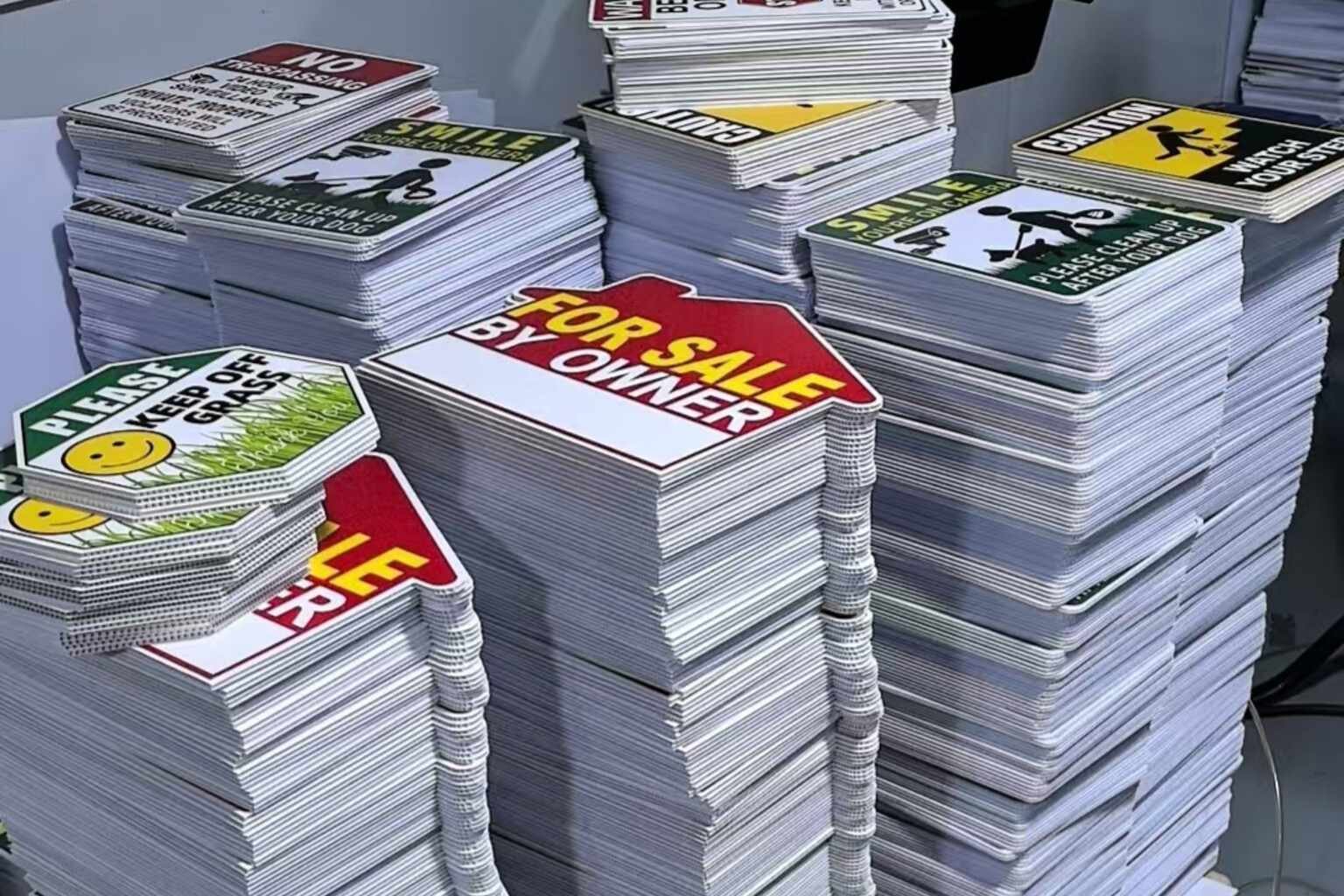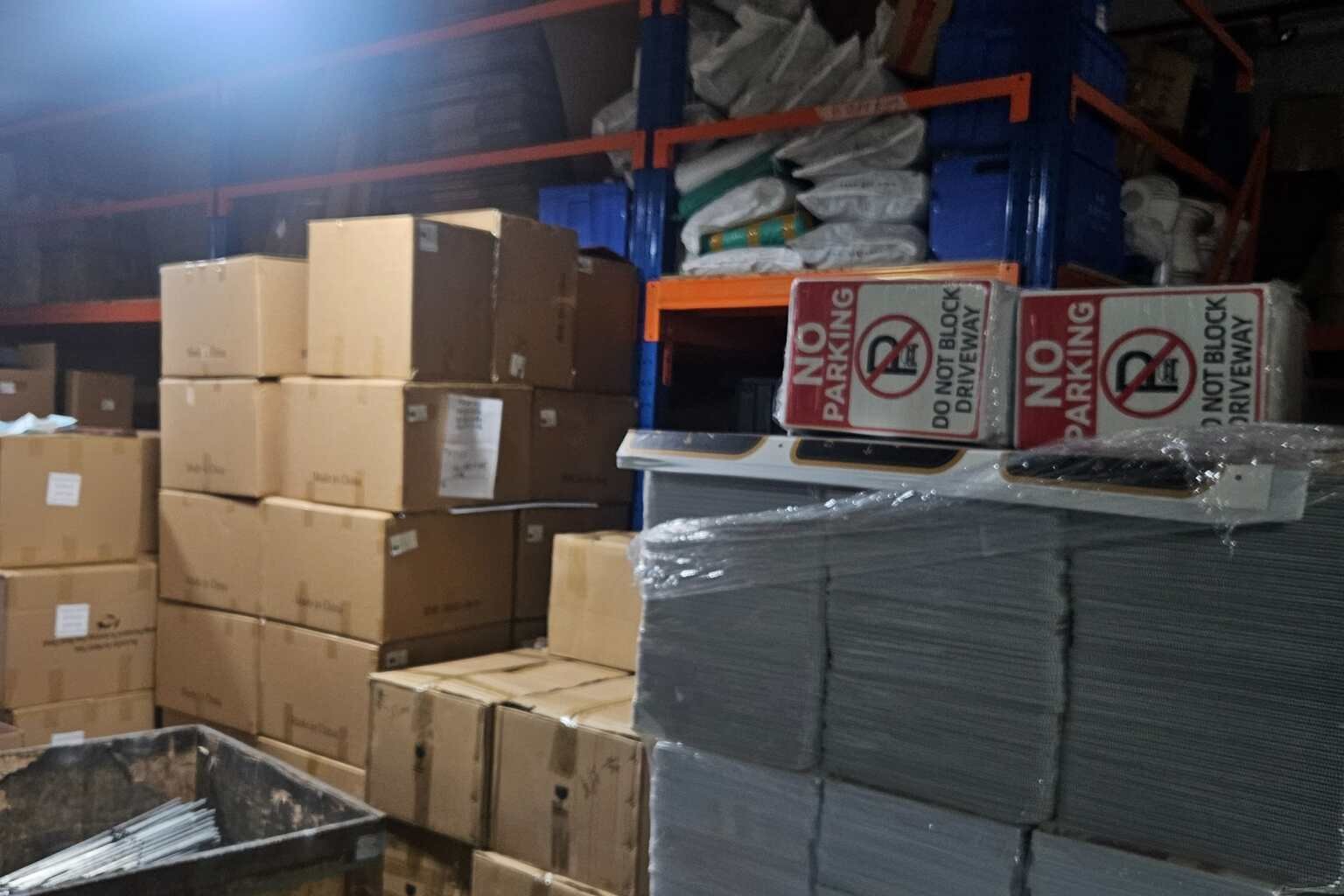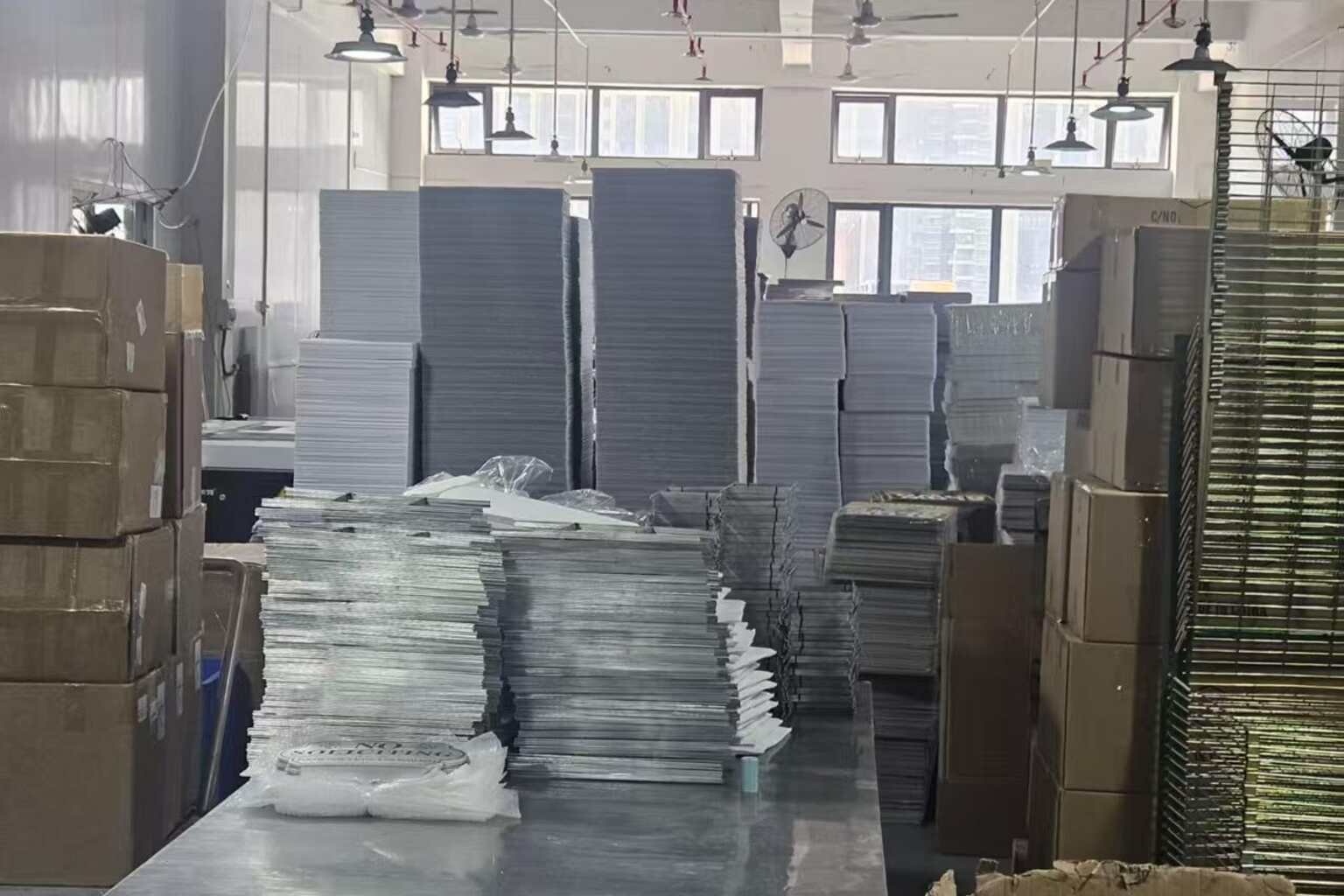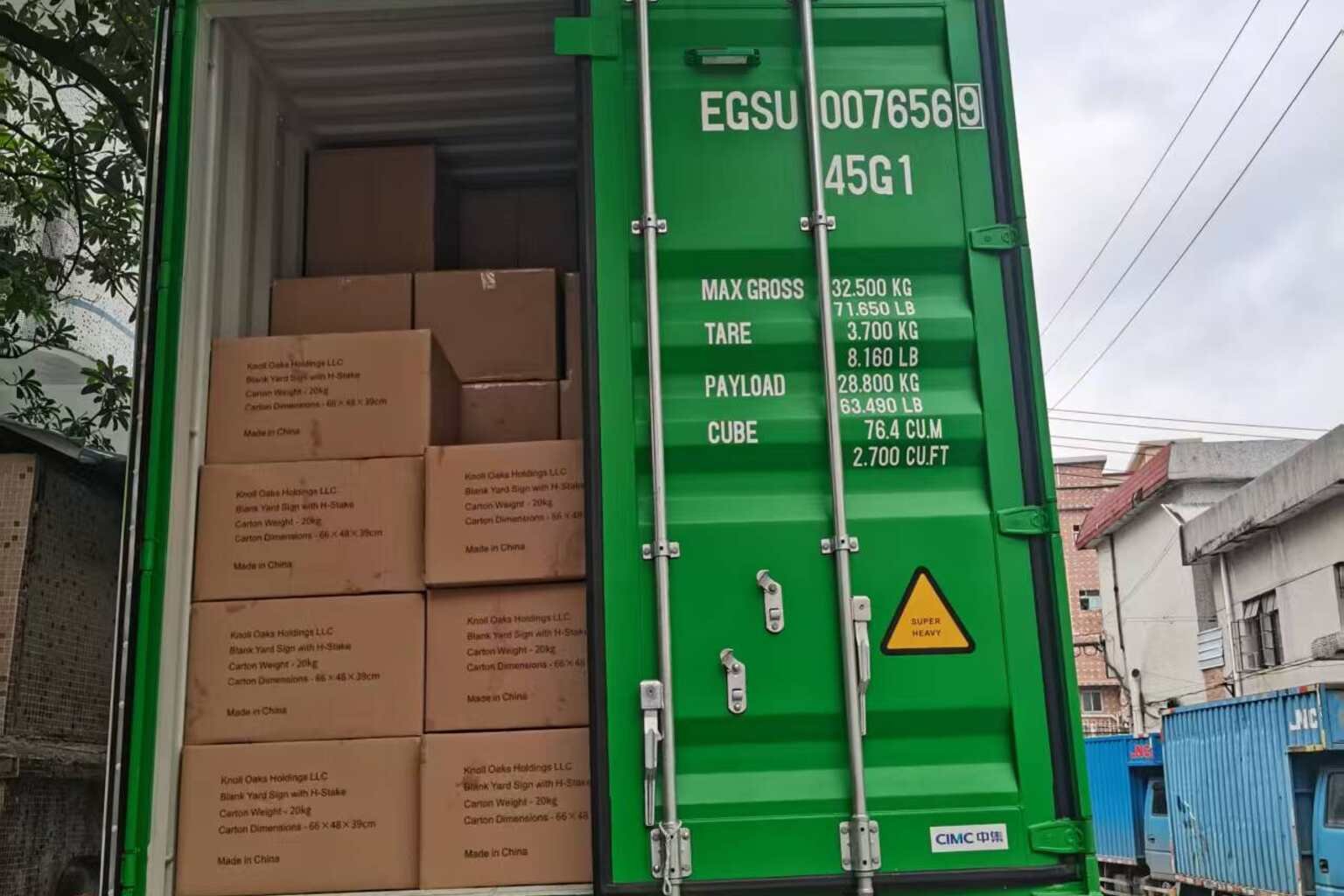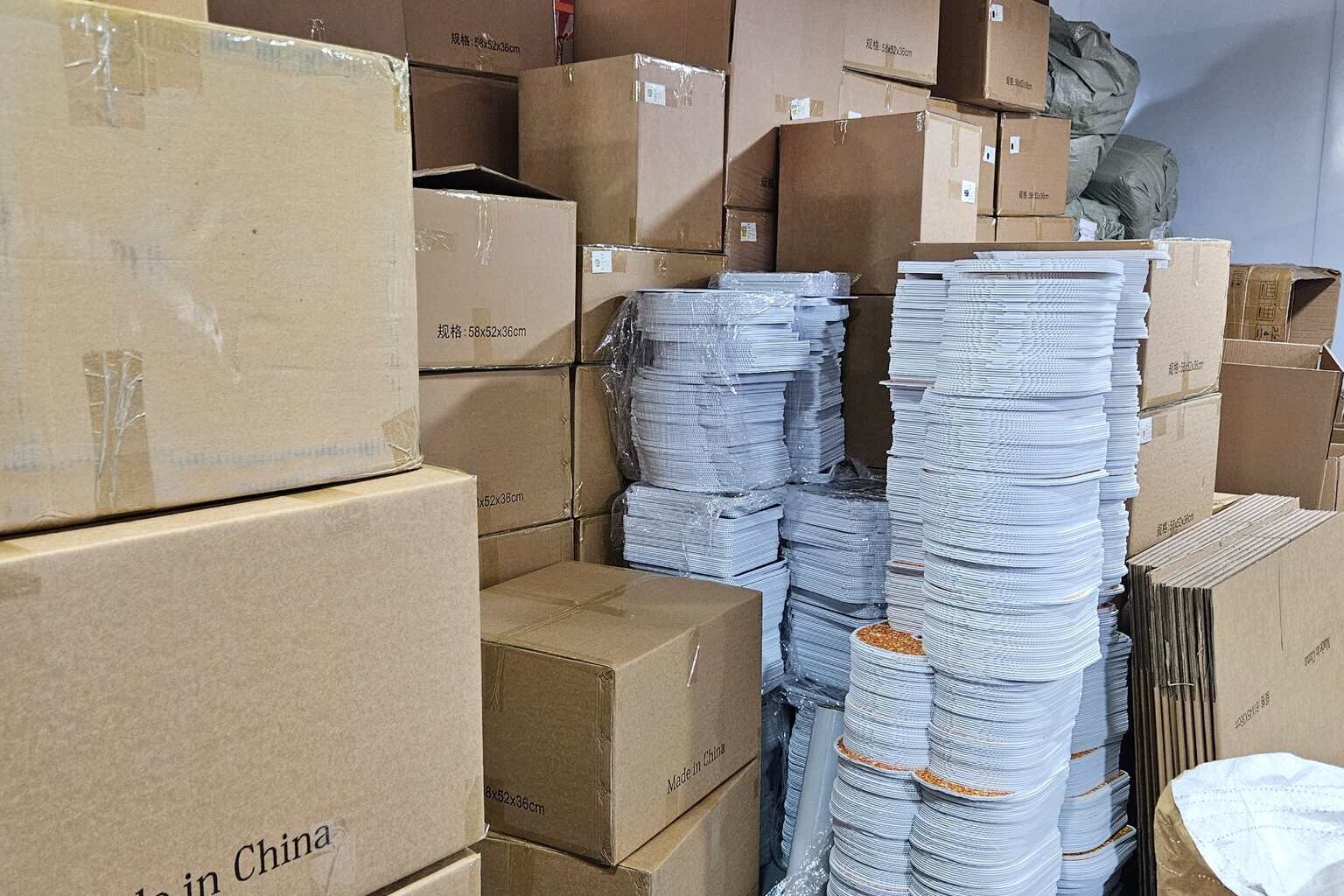
How to Build a Reliable Reorder Plan for Bulk Yard Signs

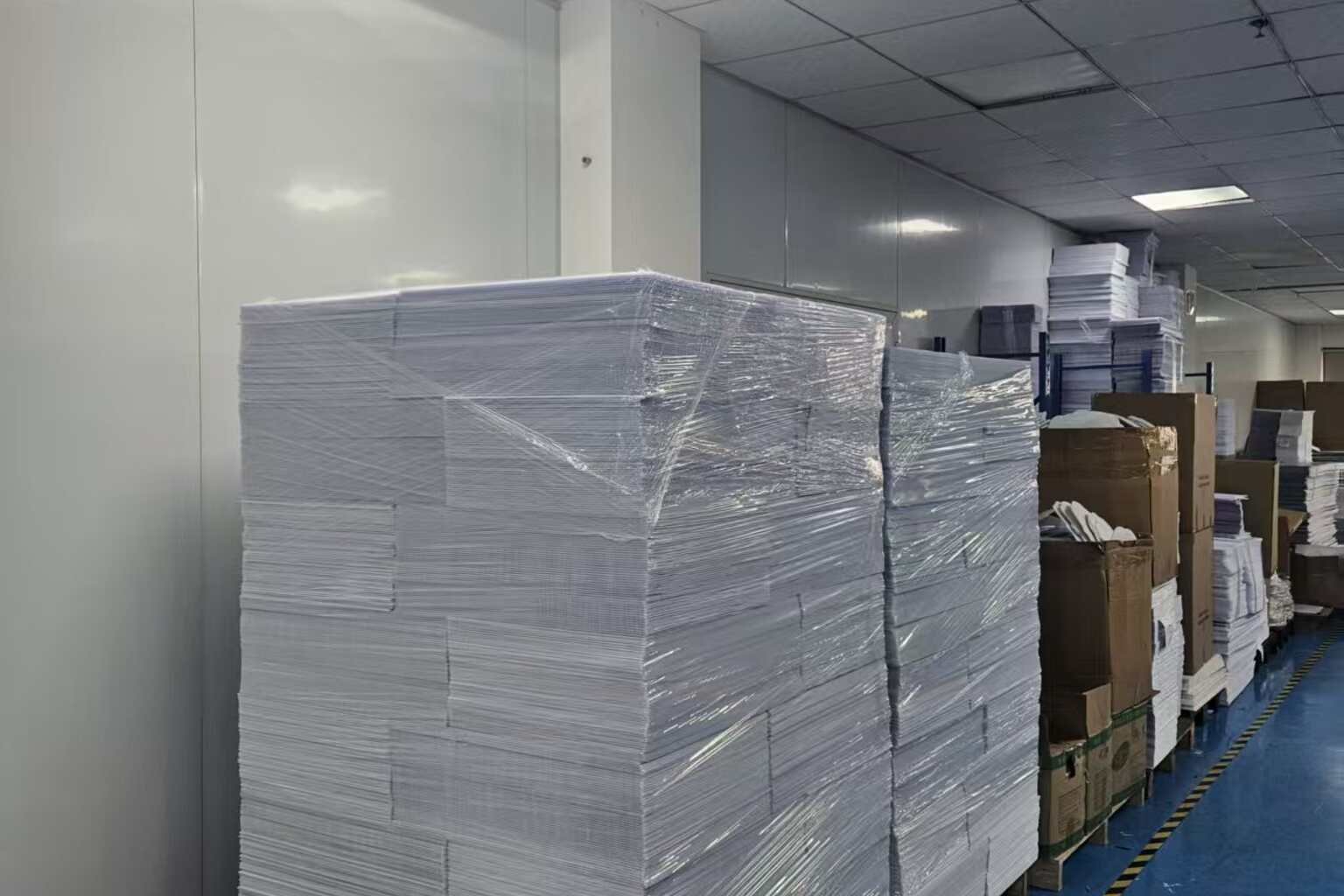
A better approach is to plan replenishment around sales volume, production time, shipping time, seasonal demand, and safety stock.
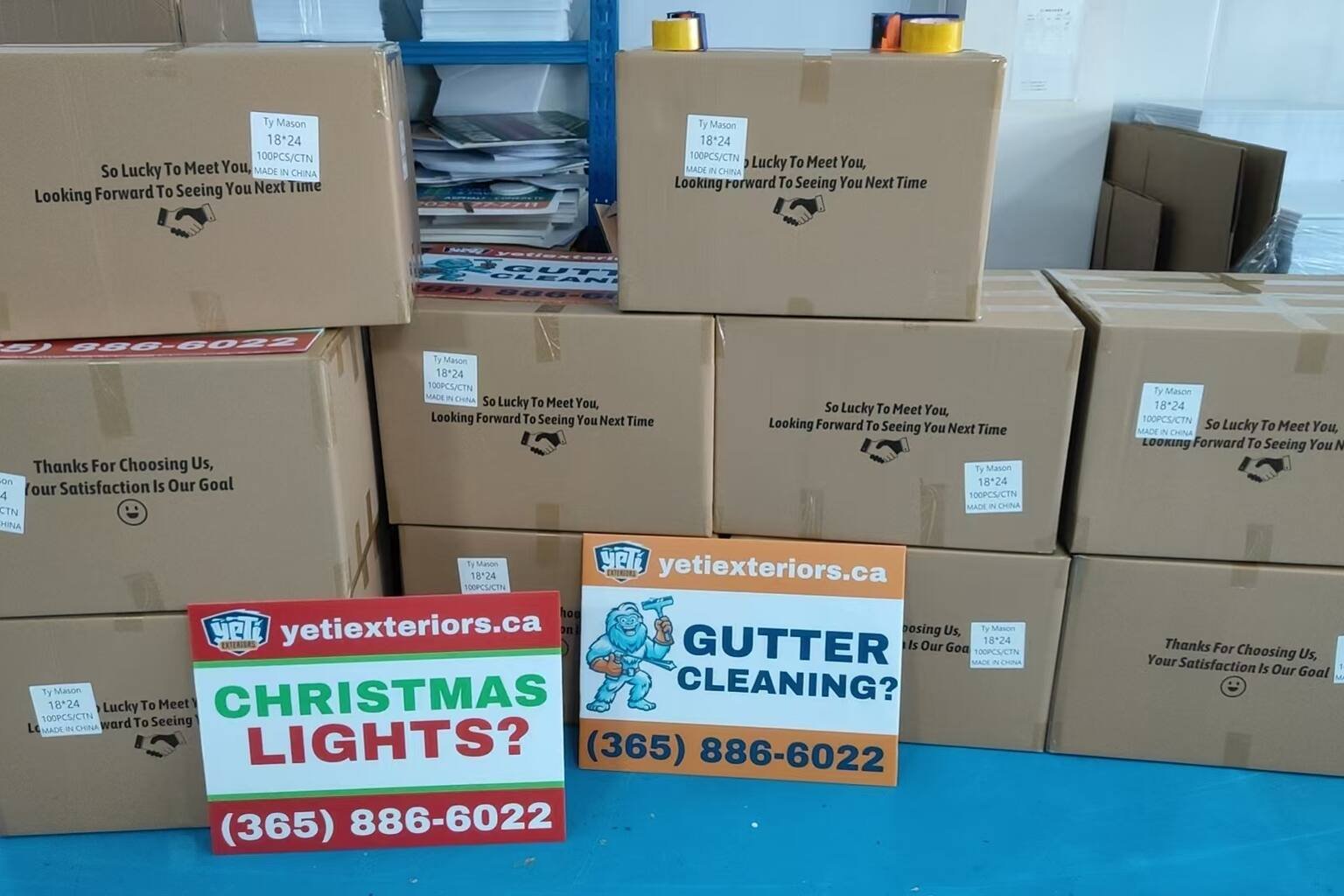
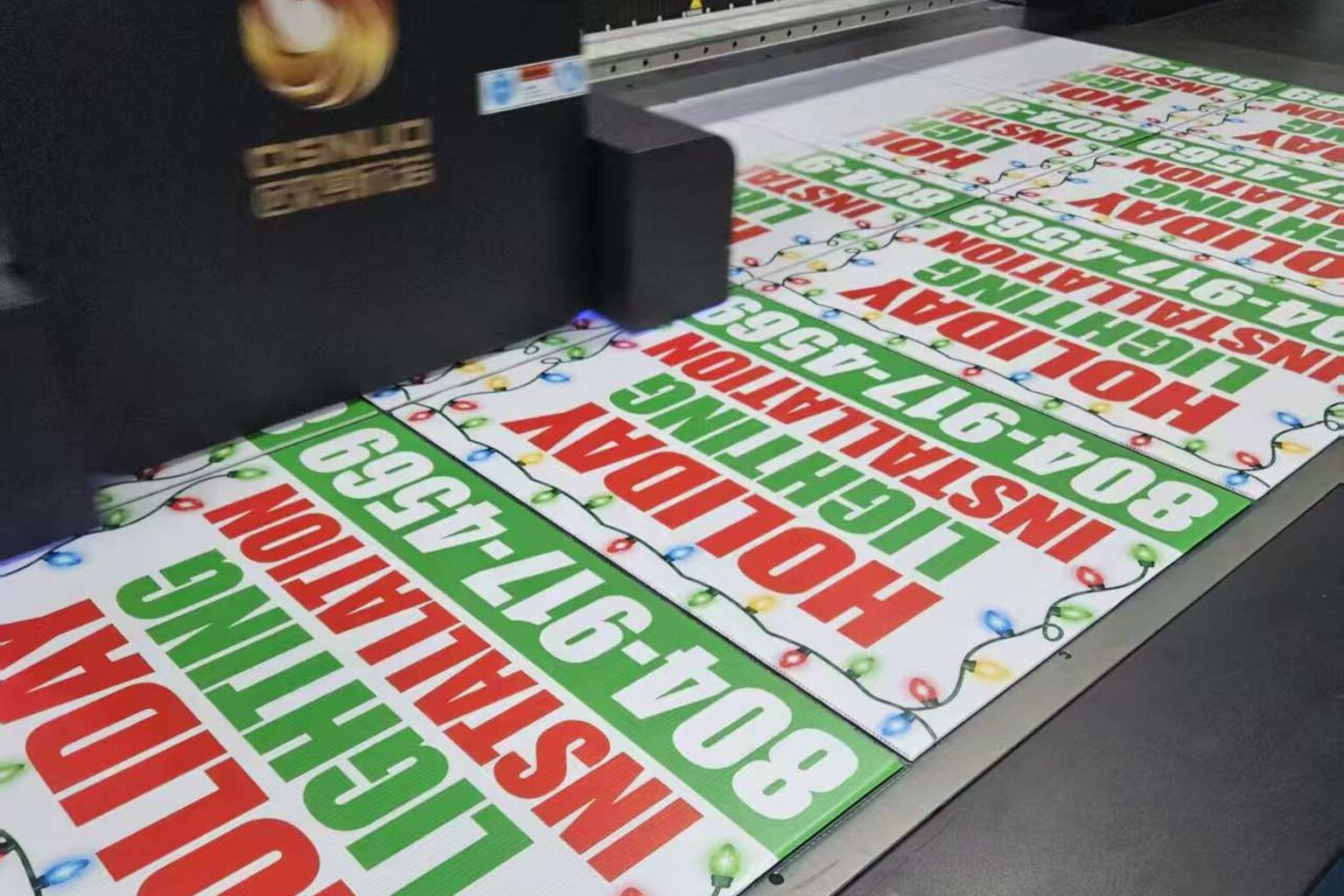
iYardSign supports bulk custom yard sign orders for US, Canadian, and international business buyers that need repeat supply for different customers, locations, campaigns, and service projects.
Quick answer: A reliable yard sign reorder plan should identify average usage, seasonal demand, production lead time, shipping time, safety stock, and the reorder point. Buyers should reorder before inventory reaches the level required to cover the next production and delivery cycle.
Why Do Bulk Yard Sign Buyers Need a Reorder Plan?
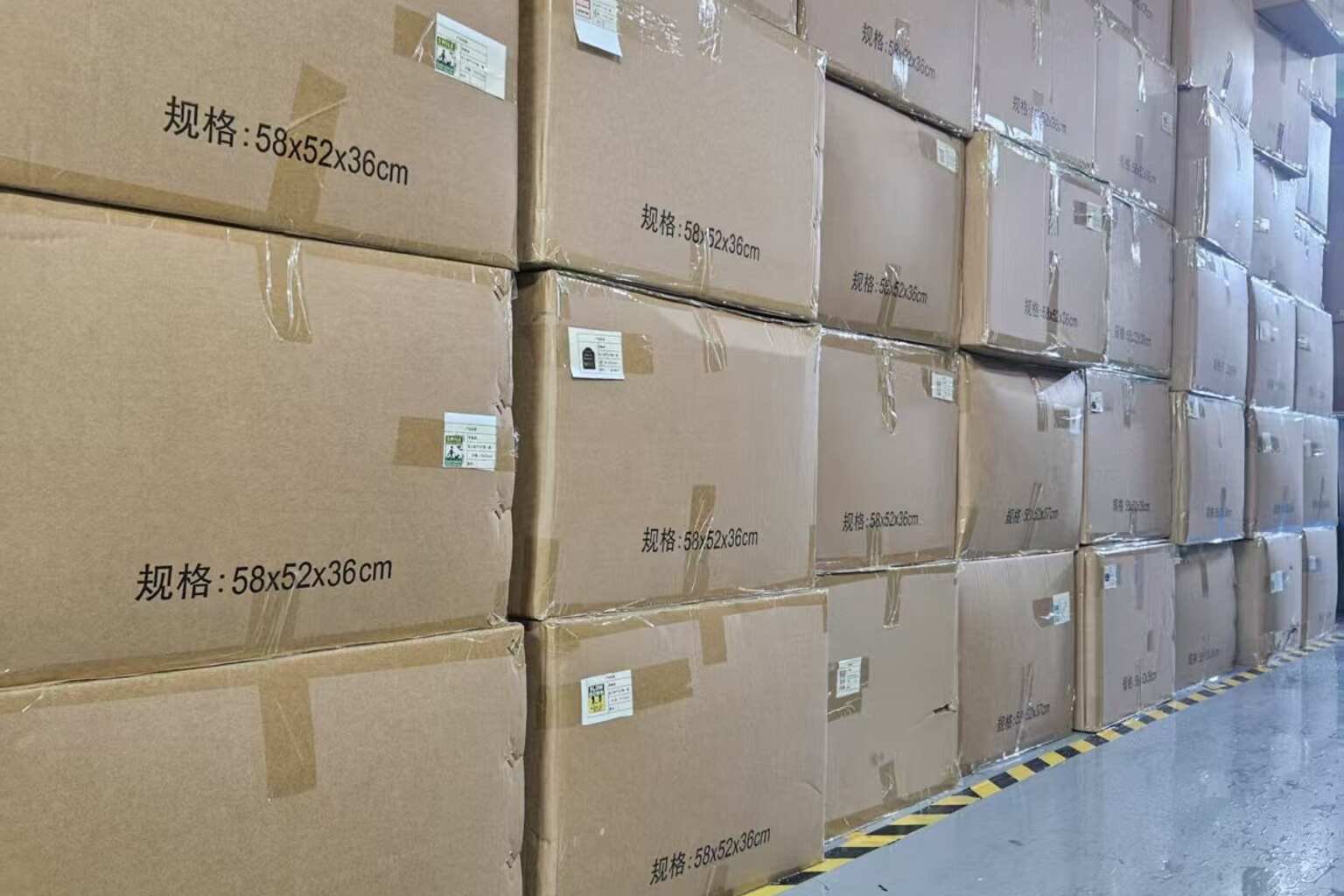
A business may receive a large order of yard signs and assume that the inventory will last for a long time. However, demand can change quickly when several customers place orders at the same time.
A distributor may need signs for multiple local service companies. A print shop may receive several campaign or real estate orders in one week. A franchise brand may add new locations that require the same branded signs.
Without a reorder plan, the buyer may experience:
- Stockouts before the next shipment arrives
- Urgent air freight or expedited production costs
- Missed customer delivery dates
- Incomplete orders caused by missing designs or stakes
- Loss of sales during seasonal demand
- Unplanned production pressure
- Different product specifications in emergency replacement orders
A reorder plan is not only an inventory tool. It also helps the buyer protect customer service, delivery performance, and profit margins.
Step 1: Separate Yard Signs by SKU and Design
The first step is to organize inventory by SKU instead of counting all yard signs as one product.
Different designs may have different sales speeds. A political campaign sign may be used only during a specific election period, while a pressure washing or lawn care sign may be reordered throughout the year.
Each SKU record should include:
- Design name
- Customer or brand
- Finished size
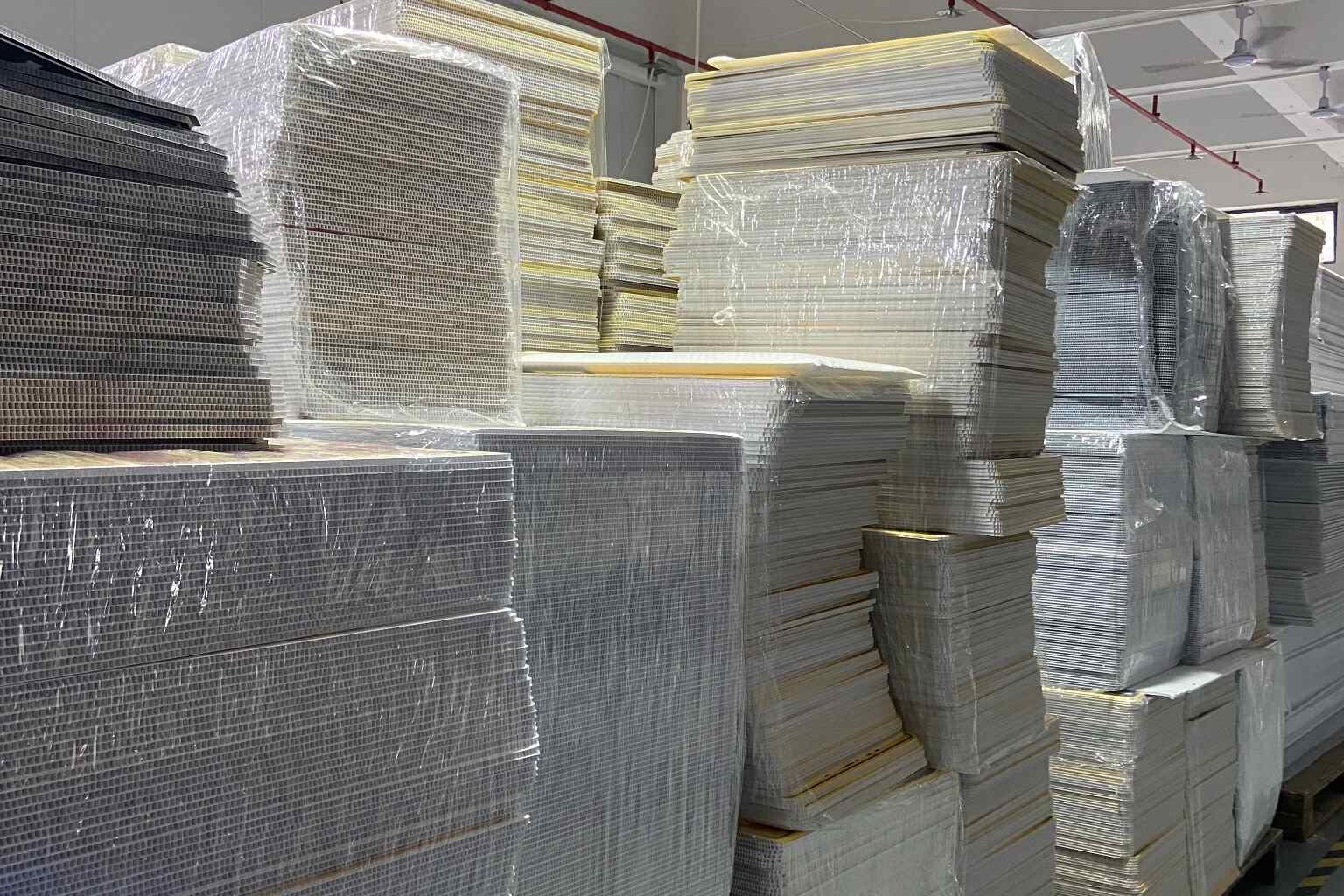
- Material thickness
- Printing side
- H-stake requirement
- Quantity currently in stock
- Average monthly usage
- Last order date
- Expected next order date
For a print shop or distributor, SKU-level inventory control is particularly important because one popular design can become out of stock while other designs remain unused.
Step 2: Calculate Average Yard Sign Usage
Buyers should calculate average usage based on actual sales or installation data whenever possible.
A simple formula is:
Average Monthly Usage = Total Units Used During the Review Period ÷ Number of Months
For example, if a distributor used 2,400 signs over the last six months:
2,400 ÷ 6 = 400 signs per month
The buyer should calculate this separately for each important SKU or customer group.
Historical usage is useful, but it should not be the only factor. Buyers should also consider upcoming projects, new customers, campaign schedules, franchise expansion, and seasonal demand.
Step 3: Identify Seasonal Demand Changes
Yard sign demand is rarely the same every month.
Political campaigns may create demand before elections. Real estate activity may change with local market conditions. Lawn care, roofing, pressure washing, cleaning, and landscaping businesses may order more signs during their busiest service season.
Common demand changes may come from:
- Election and campaign seasons
- Spring and summer home-service demand
- Real estate listing activity
- Franchise openings
- Grand openings and local events
- Promotional campaigns
- New customer contracts
- Regional advertising programs
Important: Do not use the quietest month as the basis for your reorder plan. A low-demand month may be followed by a sudden seasonal increase that requires additional production and shipping time.
Step 4: Calculate the Reorder Point
The reorder point is the inventory level at which the buyer should place the next order.
A basic formula is:
Reorder Point = Expected Usage During Lead Time + Safety Stock
Expected usage during lead time includes the number of signs the business may use while the new order is being produced and delivered.
Lead time may include:
- Artwork confirmation
- Production scheduling
- Material preparation
- Printing and cutting
- Quality checking
- Carton packing
- International transportation
- Customs clearance and final delivery
For example, if a business uses 400 signs per month and the next shipment may take approximately two months to arrive, the buyer may need at least 800 signs to cover expected usage during the replenishment period.
Safety stock should then be added according to the risk of demand changes or transportation delays.
Step 5: Choose the Right Safety Stock Level
Safety stock provides protection against unexpected demand or supply changes.
The correct amount depends on:
- How quickly the SKU is sold
- How important the product is to customers
- Whether the product is seasonal
- How reliable the delivery schedule is
- Whether emergency replacement is available
- Whether air freight is financially acceptable
- Whether the design can be produced quickly
A distributor with many repeat customers may need more safety stock than a business ordering signs only for occasional internal use.
High-volume SKUs should normally receive more attention than slow-moving designs.
Step 6: Plan Reorders by Customer Type
Different customers may require different reorder rules.
| Customer Type | Typical Reorder Concern | Recommended Planning Focus |
|---|---|---|
| Print Shop | Several customer orders may arrive at the same time. | Track fast-moving designs and standard product specifications. |
| Distributor | Needs stock available for different resellers and regions. | Use SKU-level inventory and planned replenishment cycles. |
| Political Campaign Supplier | Demand may rise sharply before a fixed election date. | Order early and maintain campaign-specific safety stock. |
| Local Service Brand | Different branches may need signs at different times. | Plan by location, service season, and campaign schedule. |
| Reseller | Needs enough stock without creating excessive inventory. | Compare sales speed, margin, and minimum reorder quantity. |
Step 7: Decide the Reorder Quantity
The reorder quantity should be large enough to cover expected demand but not so large that slow-moving inventory occupies the warehouse.
Consider the following factors:
- Average monthly usage
- Expected seasonal demand
- Supplier minimum order quantity
- Available warehouse space
- Shipping cost per unit
- Number of active designs
- Customer contracts or confirmed projects
- Expected price changes
- Available working capital
For many B2B buyers, placing one planned larger order may be more efficient than repeatedly placing small urgent orders. However, the correct quantity depends on the buyer’s actual demand and storage capacity.
Step 8: Lock the Approved Product Specification
A reorder should be based on a documented approved specification.
The reorder record should identify:
- Finished dimensions
- Material type and thickness
- Printing side
- Color requirements
- Approved artwork file
- H-stake specification
- Carton packing method
- Labeling requirements
- Quantity by design
- Approved reference sample when applicable
This helps prevent a reorder from becoming a completely new product discussion.
It also makes it easier for the factory and buyer to confirm whether the new production should match a previous approved order.
Step 9: Set a Regular Inventory Review Schedule
Inventory should be reviewed at a fixed frequency instead of only when a customer asks for an item that is already out of stock.
A review may be completed weekly or monthly depending on sales volume.
During each review, check:
- Current stock by SKU
- Open customer orders
- Confirmed upcoming projects
- Average usage
- Seasonal changes
- Open purchase orders
- Estimated delivery dates
- Damaged or unusable inventory
- Slow-moving designs
- Items approaching the reorder point
A regular review gives the buyer more time to select ocean freight, combine designs, confirm artwork, and plan warehouse space.
Bulk Yard Sign Reorder Planning Checklist
Before placing a repeat order, buyers should confirm:
- Which SKUs need replenishment
- Current inventory by design
- Average monthly usage
- Upcoming seasonal demand
- Confirmed customer projects
- Required safety stock
- Production lead time
- Estimated shipping time
- Quantity required by design
- Approved artwork version
- H-stake requirements
- Packaging and labeling requirements
- Delivery address
- Required arrival date
Buyer note: A reorder should be started before inventory becomes critical. Waiting until the last few cartons are used may leave no practical time for production, transportation, and delivery.
How iYardSign Supports Repeat Bulk Orders
iYardSign is a China-based custom yard sign manufacturer supporting repeat orders for sign companies, print resellers, distributors, campaigns, local service businesses, and multi-location brands.
For a repeat order, buyers can provide the previous order information or confirm the approved specifications, including:
- Previous design files
- Required quantity by SKU
- Material and finished size
- Printing requirements
- H-stake quantity
- Carton packing instructions
- Delivery destination
- Required delivery date
The iYardSign team can help buyers review the planned quantity, production schedule, packing requirements, and shipping arrangement for the next bulk order.
Frequently Asked Questions
What is a yard sign reorder point?
The reorder point is the inventory level at which a buyer should place the next order. It should cover expected usage during production and delivery, plus an appropriate safety stock.
How often should a business review yard sign inventory?
High-volume buyers should review inventory regularly, often weekly or monthly. The correct frequency depends on sales volume, SKU quantity, seasonal demand, and customer order patterns.
Should every yard sign design have the same safety stock?
Not necessarily. Fast-moving designs and important customer SKUs may require more safety stock than slow-moving or occasional-use designs.
When should a print shop reorder bulk yard signs?
A print shop should reorder before its inventory reaches the level needed to cover the next production and delivery cycle. The calculation should include expected customer demand and possible seasonal increases.
How can distributors avoid yard sign stockouts?
Distributors should track inventory by SKU, monitor fast-moving designs, calculate reorder points, maintain safety stock, and review upcoming customer orders before placing replenishment orders.
Can repeat yard sign orders use the same artwork?
Yes. If the artwork, size, material, printing, and other specifications remain unchanged, the buyer can provide the approved previous file and order information for review.
Is it better to place one large order or several small orders?
The answer depends on demand, warehouse space, cash flow, shipping cost, and supplier requirements. Planned larger orders may reduce urgent purchasing pressure, but buyers should avoid ordering more inventory than they can reasonably sell or use.
Can iYardSign help plan a repeat bulk yard sign order?
Yes. Buyers can provide their required quantity, design list, previous specifications, destination, and desired delivery date so the order schedule and shipping options can be reviewed.
Need to Reorder Bulk Custom Yard Signs?
Send iYardSign your previous specifications, current inventory, required quantity by design, H-stake requirements, delivery address, and target arrival date.
We can help you prepare a repeat-order quotation and review the production and shipping schedule for your next bulk yard sign order.