How to Choose the Right Flute Direction for Yard Signs with H-Stakes

iYardSign manufactures custom corrugated plastic yard signs with compatible H-stake options for overseas businesses, real estate companies, events, campaigns, distributors, and local service providers.
Quick Answer: Which Direction Should Coroplast Flutes Run?
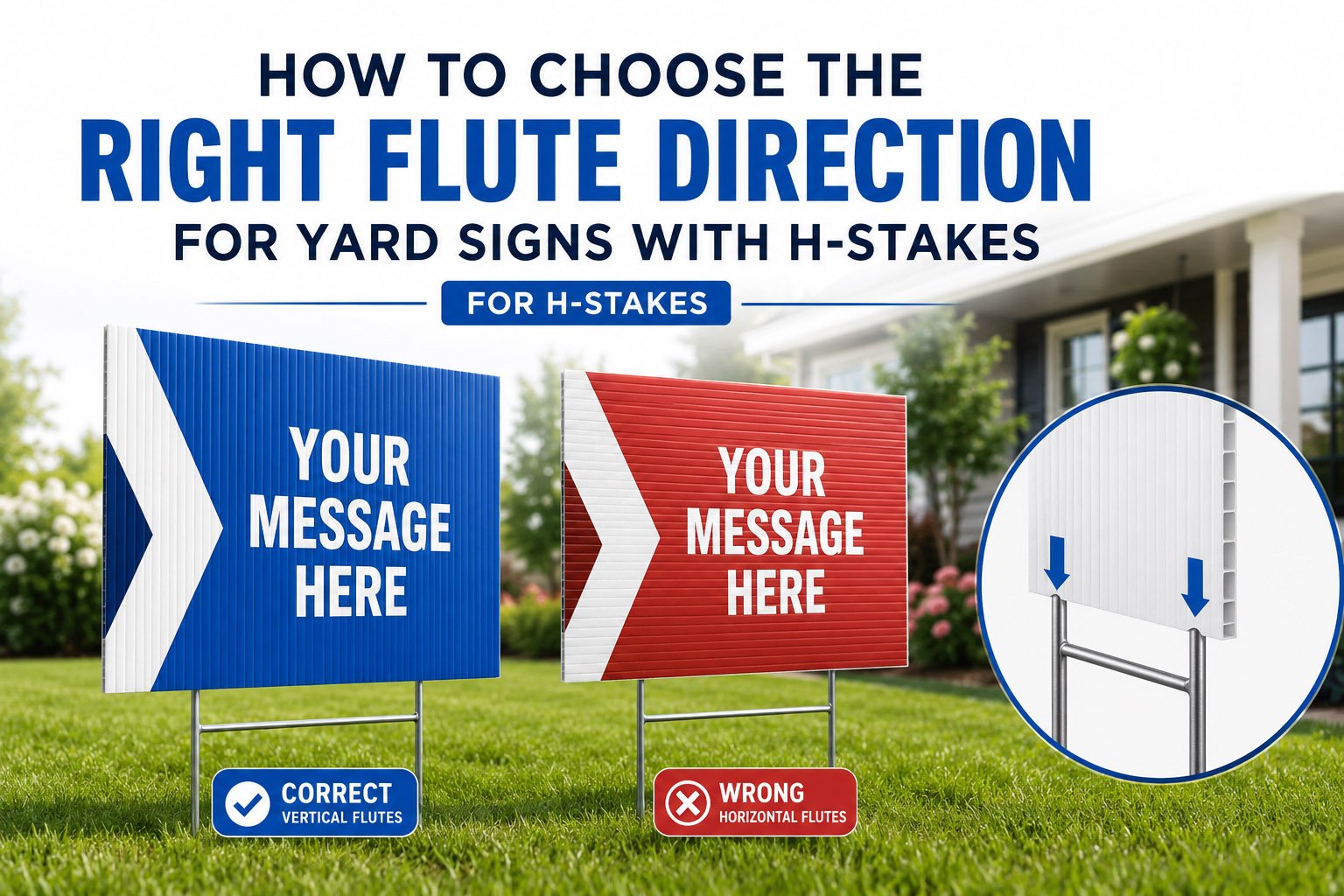
When a standard wire H-stake is inserted through the bottom of a corrugated plastic yard sign, the flutes should generally run vertically.
For a 24-inch-wide × 18-inch-high landscape sign, the flutes should run along the 18-inch vertical dimension. For an 18-inch-wide × 24-inch-high portrait sign, they should run along the 24-inch vertical dimension.
Always test the actual sign material and H-stake together because flute dimensions and stake construction can vary.
What Are Coroplast Flutes?
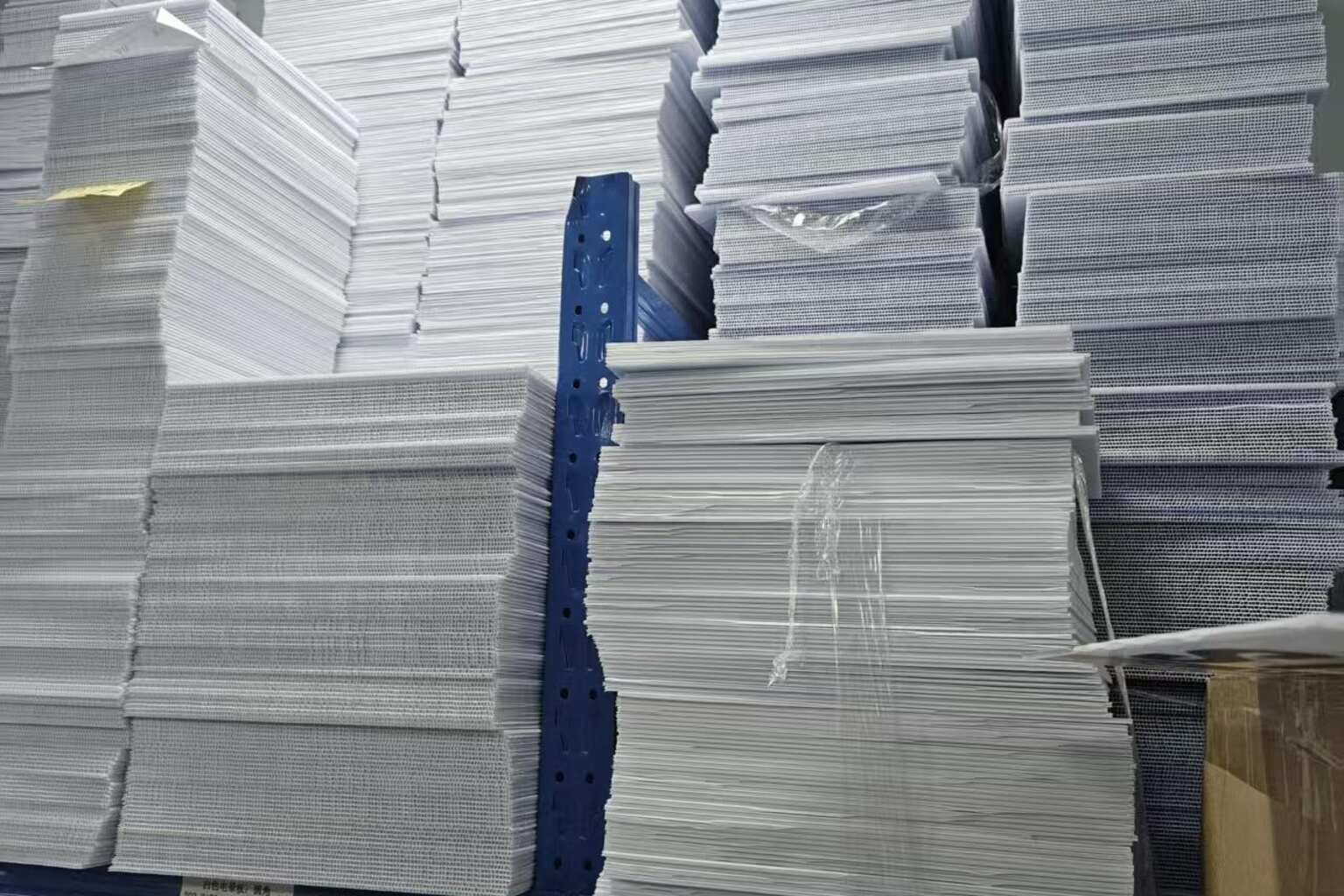
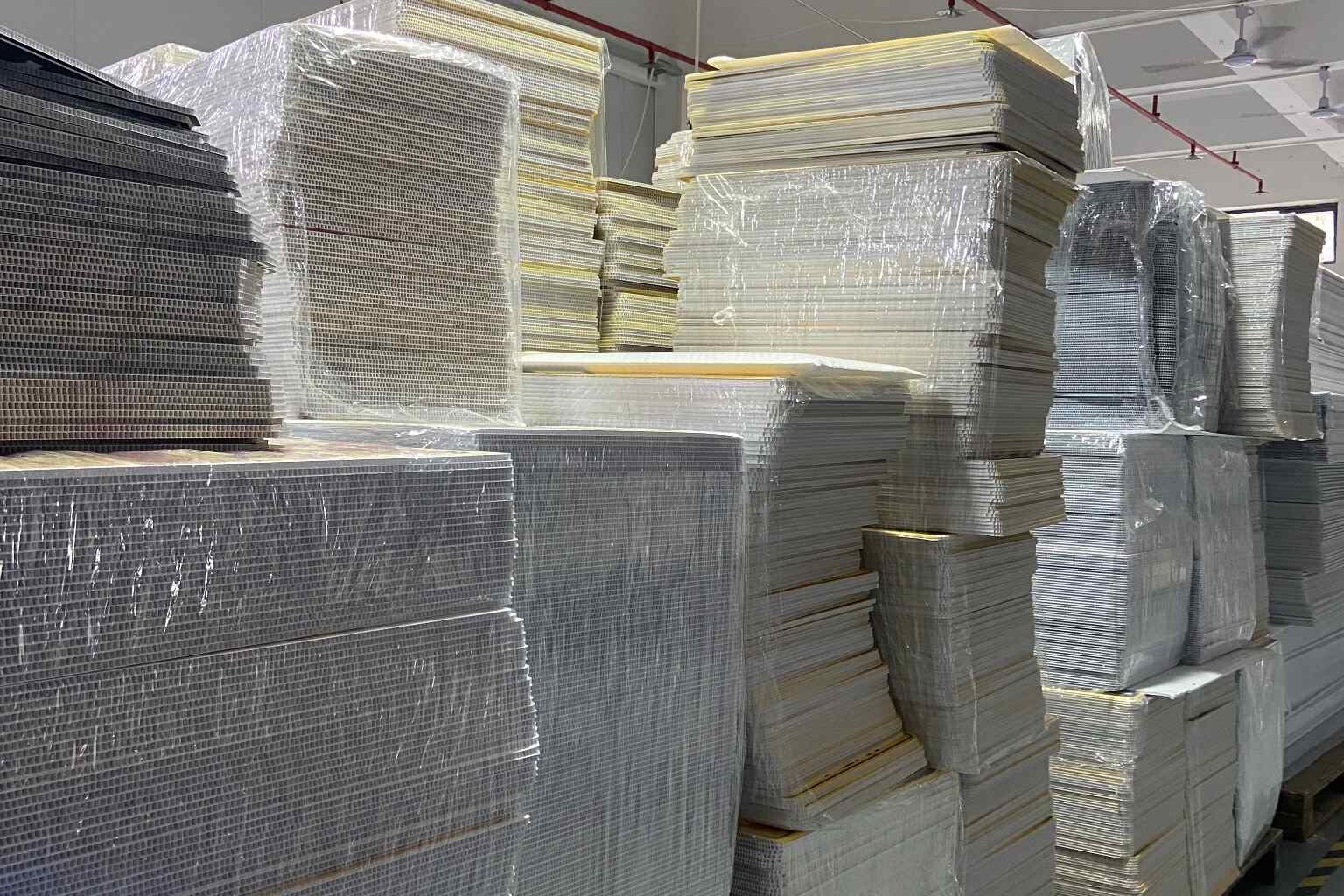
Corrugated plastic sheets contain two flat outer surfaces connected by internal ribs. The open channels between these ribs are commonly called flutes.
The flutes contribute to:
- Sheet stiffness
- Material weight
- Bending direction
- Cutting behavior
- H-stake compatibility
- Finished sign orientation
When viewed from an open sheet edge, the flute channels appear as a row of narrow openings. The wires at the top of an H-stake are designed to slide into selected channels.
Why Vertical Flutes Are Required for H-Stakes
A standard H-stake is inserted upward through the bottom edge of the sign. The wires need continuous internal channels running in the same direction.
With vertical flutes:
- The stake wires can enter through the bottom edge
- The sign can slide down onto the stake
- The sign remains in the intended upright orientation
- The internal channels help guide the wires
- Installation can be completed without cutting new holes
With horizontal flutes, the channels run from one side edge to the other. A wire pushed upward from the bottom encounters internal ribs instead of continuous channels.
Important: Do not force an H-stake into a sign with horizontal flutes. Forcing the wires can crush the internal ribs, bend the stake, puncture the printed surface, or produce an unstable installation.
Vertical vs Horizontal Flute Direction
| Flute direction | Channel orientation | Standard H-stake use |
|---|---|---|
| Vertical | Top to bottom | Generally suitable when the stake enters from the bottom |
| Horizontal | Side to side | Generally unsuitable for direct insertion from the bottom |
How Flute Direction Works on 18×24 Yard Signs
The term “18×24 yard sign” can create confusion because some buyers list height first while others list width first.
Instead of writing only “18×24,” use a complete description:
- Landscape: 24 inches wide × 18 inches high, vertical flutes running along the 18-inch height
- Portrait: 18 inches wide × 24 inches high, vertical flutes running along the 24-inch height
This wording confirms both the finished orientation and the direction of the internal channels.
For more information about this standard format, read the 18×24 corrugated plastic yard sign and H-stake buying guide.
Why Flute Direction Can Be Wrong During Production
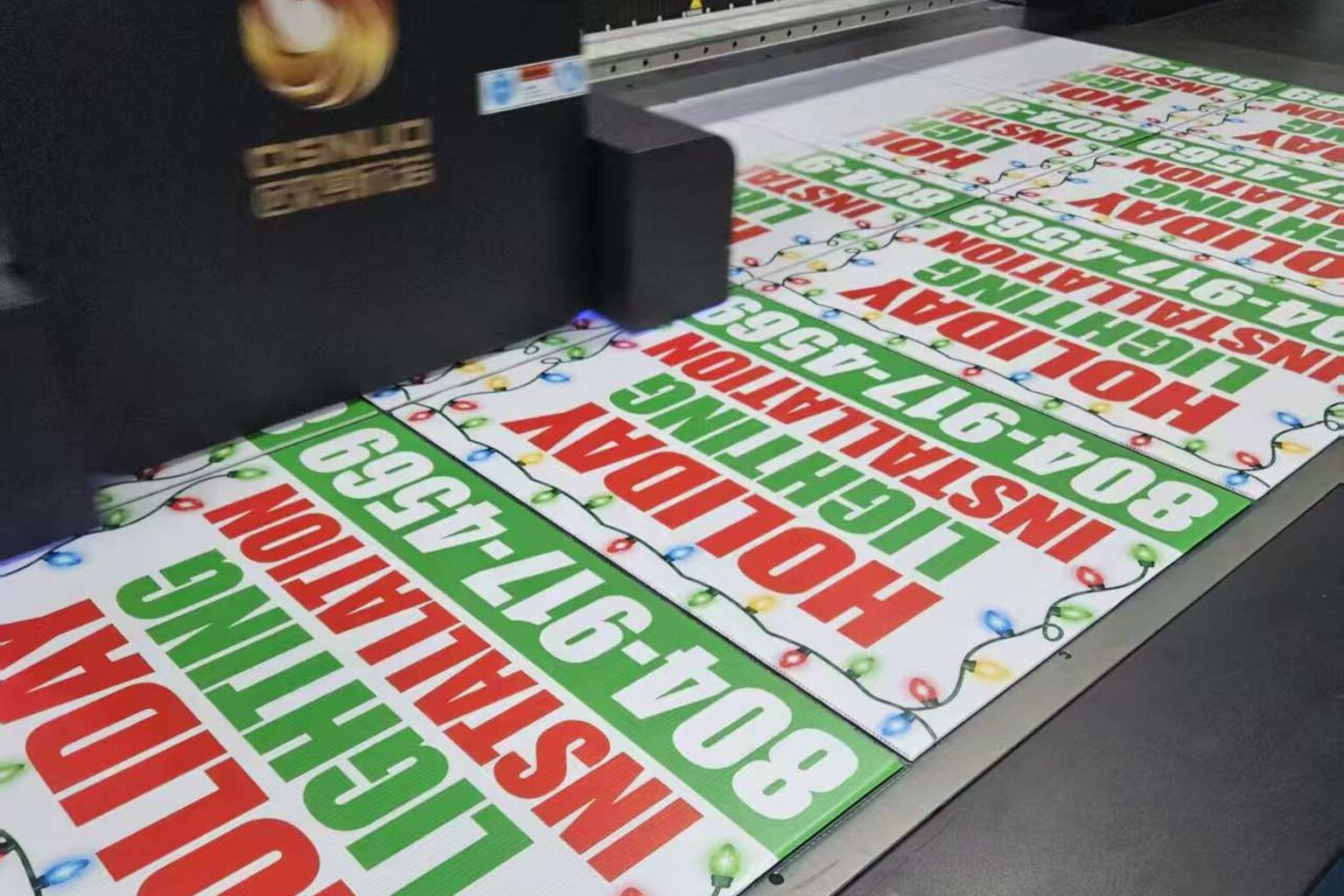
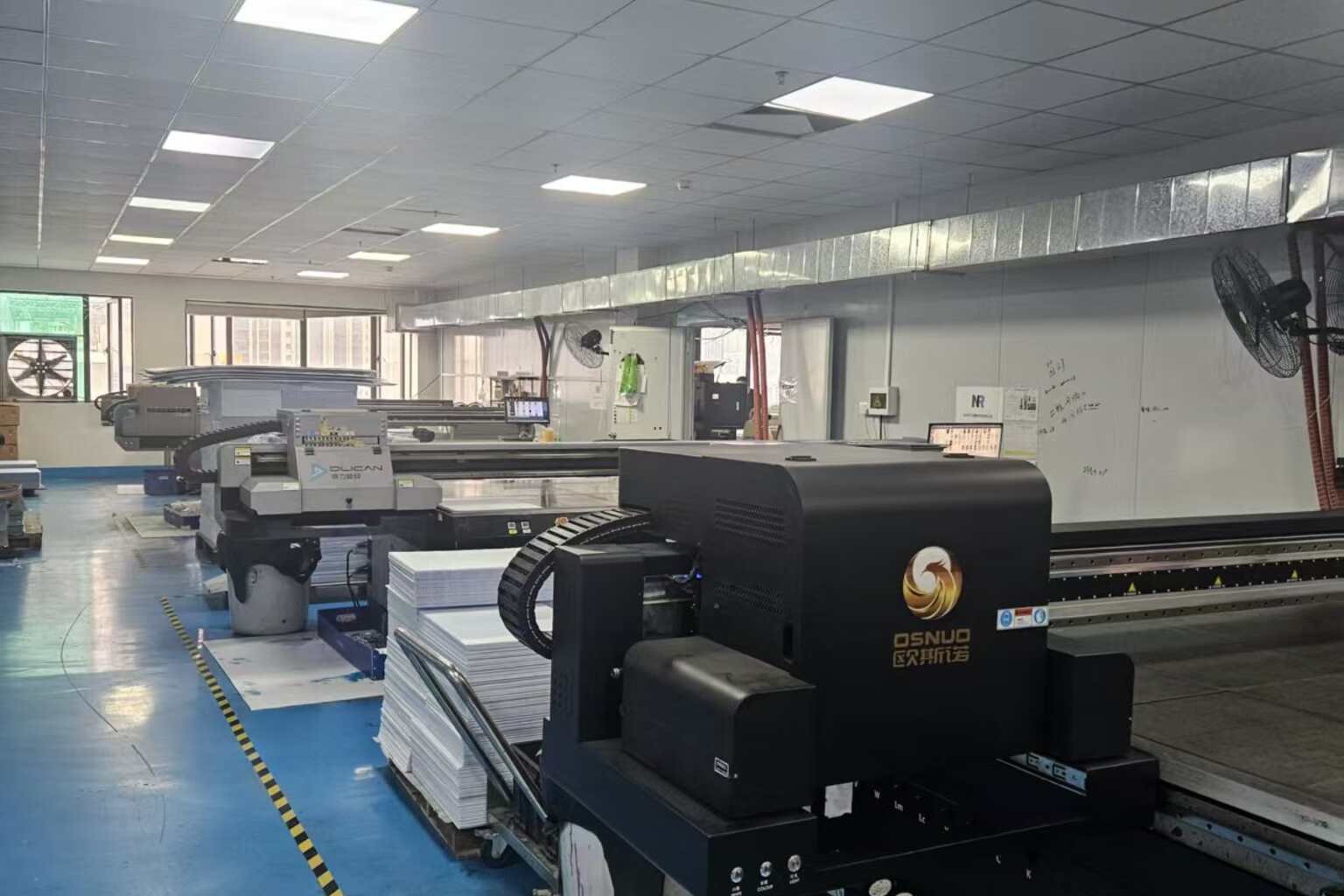
Corrugated plastic sheets are often arranged to use material efficiently. If the production team rotates the artwork or cutting layout without preserving the required flute direction, the finished sign may have horizontal channels.
This risk can increase when:
- The sign uses an unusual dimension
- The artwork can be visually rotated without appearing different
- The order contains landscape and portrait designs
- The signs use custom contours
- The purchase specification does not mention flute direction
- The supplier does not know which mounting hardware will be used
- The buyer orders printed signs and stakes from different suppliers
The cutting plan should save material without changing the installation requirement.
How to Specify Flute Direction in a Purchase Order
Do not rely on a general phrase such as “standard yard signs.” Include a written requirement in the quotation, artwork proof, purchase order, and production specification.
A clear specification can state:
Flute direction: Vertical from the top edge to the bottom edge. The approved H-stake must enter through the bottom of the finished sign.
The specification should also include:
- Finished width and height
- Landscape or portrait orientation
- Top and bottom edges
- Stake insertion edge
- Number of stakes per sign
- Stake dimensions and wire spacing
- Single-sided or double-sided printing
Use this bulk yard sign specification sheet guide to organize production requirements.
Flute Direction and H-Stake Compatibility Are Different Checks
Correct vertical flutes do not automatically guarantee that every H-stake will fit. Buyers must also compare the internal channels with the stake wires.
Compatibility can be affected by:
- Corrugated plastic thickness
- Flute width and spacing
- Stake wire thickness
- Distance between the upper wires
- Number of stake wires
- Finished sign size
- Installation height
The most reliable test is to insert the selected production stake into a sample made from the actual sign material.
How to Test H-Stake Fit
- Place the sample sign in its correct upright orientation.
- Identify the open flute channels along the bottom edge.
- Align the upper H-stake wires with suitable channels.
- Insert both sides evenly without excessive force.
- Check that the wires remain inside the sheet.
- Confirm that the printed surface is not punctured.
- Install the complete sign in suitable ground.
- Review its height, straightness, and stability.
If installation requires excessive force, stop and review the sheet and stake specifications.
Additional hardware checks are available in the bulk yard signs with H-stakes buyer guide.
Does Material Thickness Change Flute Direction?
Changing from one nominal sheet thickness to another does not change the basic requirement: the channels still need to align with the stake insertion direction.
However, changing material can affect:
- Internal channel dimensions
- Stake fit
- Sheet stiffness
- Sign weight
- Packaging quantity
- Shipping cost
Whenever the material specification changes, repeat the stake compatibility test. Review the comparison between 4mm and 5mm coroplast yard signs before selecting material.
Flute Direction for Custom-Shaped Yard Signs
Custom shapes require additional planning because the design may not have an obvious rectangular top and bottom.
The buyer and manufacturer should confirm:
- The intended upright orientation
- The ground-facing edge
- Position of the stake
- Vertical flute direction
- Balance of the finished shape
- Whether narrow sections can support the stake
- Whether one or two stakes are required
A custom shape may look correct in a digital proof but lean or rotate after installation if the stake position is not properly planned.
Flute Direction for Double-Sided Signs
Double-sided printing does not change the requirement for vertical flutes, but it introduces additional artwork checks.
Confirm:
- The top of both printed sides
- Correct front and back orientation
- Arrow direction on each side
- Stake insertion through the intended bottom edge
- Whether the two sides use identical or different artwork
A sign can have correct vertical flutes but incorrect back-side artwork. Flute direction and artwork orientation should be inspected separately.
Flute Direction for Signs Without H-Stakes
Not every corrugated plastic sign uses a wire H-stake. Signs may also be installed in frames, attached to fences, mounted on walls, suspended, or displayed indoors.
When no H-stake is used, flute direction may be selected according to:
- Required stiffness
- Finished dimensions
- Cutting layout
- Mounting holes
- Frame construction
- Custom shape strength
Even when stake insertion is not required, flute direction should still be documented if it affects product performance.
How to Inspect Flute Direction Before Mass Production
Do not wait until the complete order arrives. Flute direction should be checked during sample approval.
Inspect the physical sample by:
- Identifying the top and bottom edges
- Looking at the open channels along the bottom
- Confirming that channels continue toward the top
- Inserting the selected H-stake
- Checking the front and back artwork orientation
- Photographing the approved sample and installed result
Follow the yard sign sample approval checklist before authorizing mass production.
How to Inspect Flute Direction During Production
The factory should verify flute direction at more than one stage:
- Before arranging artwork on the material
- Before printing or cutting
- During first-piece inspection
- During production sampling
- Before packaging
The inspection should compare the finished sign with the approved artwork, specification, and H-stake sample.
What If the Finished Signs Have Horizontal Flutes?
If signs intended for standard H-stakes are produced with horizontal flutes, do not force the stakes into the material.
Possible next steps depend on the product and application:
- Stop installation and document the issue
- Photograph the sheet edges and stake
- Compare the product with the approved specification
- Contact the manufacturer before modifying the signs
- Evaluate whether an alternative frame or mounting system is practical
- Determine whether replacement production is required
Do not cut improvised channels or holes without testing, as this may damage the print or weaken the finished sign.
Packaging Considerations for Signs and H-Stakes
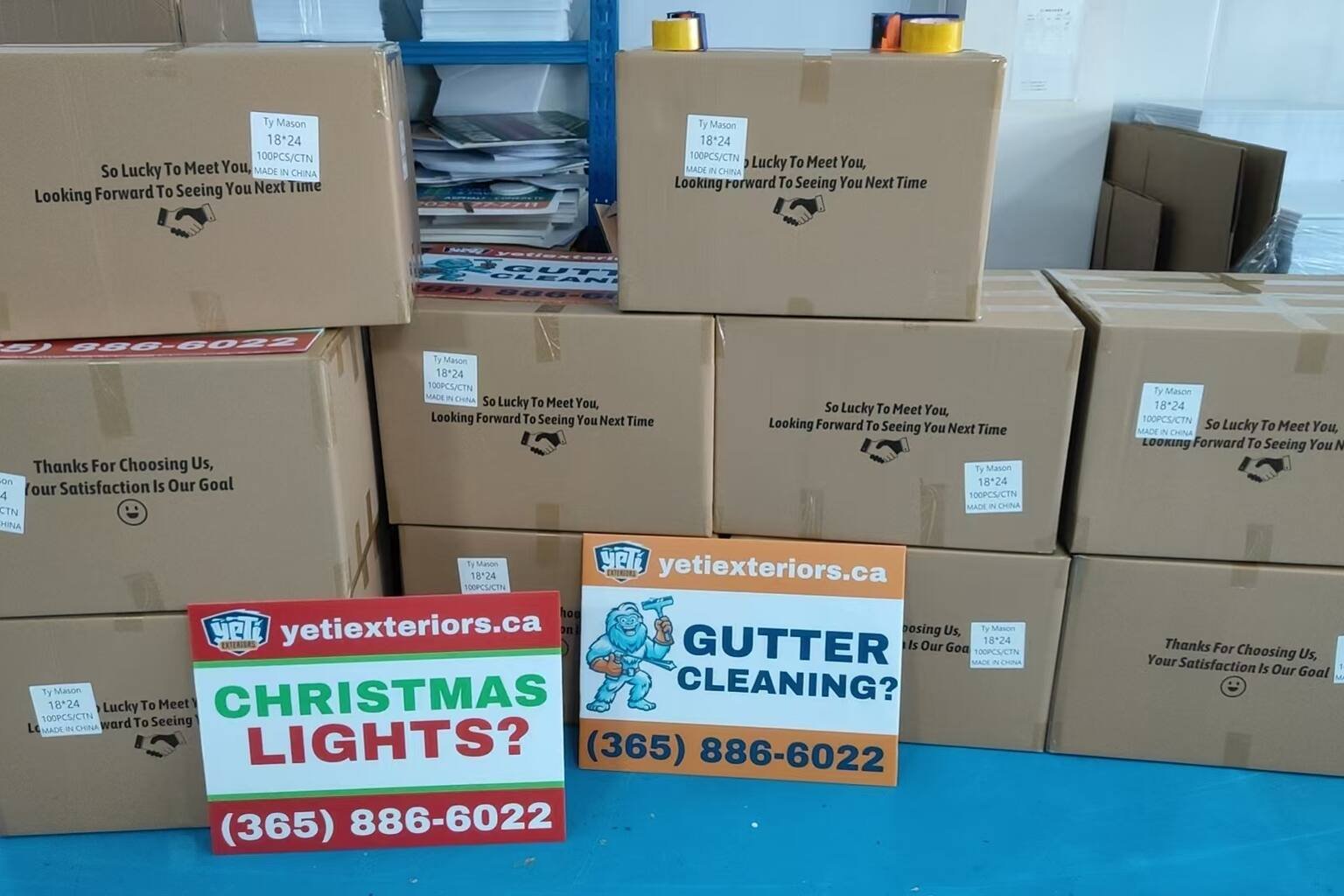
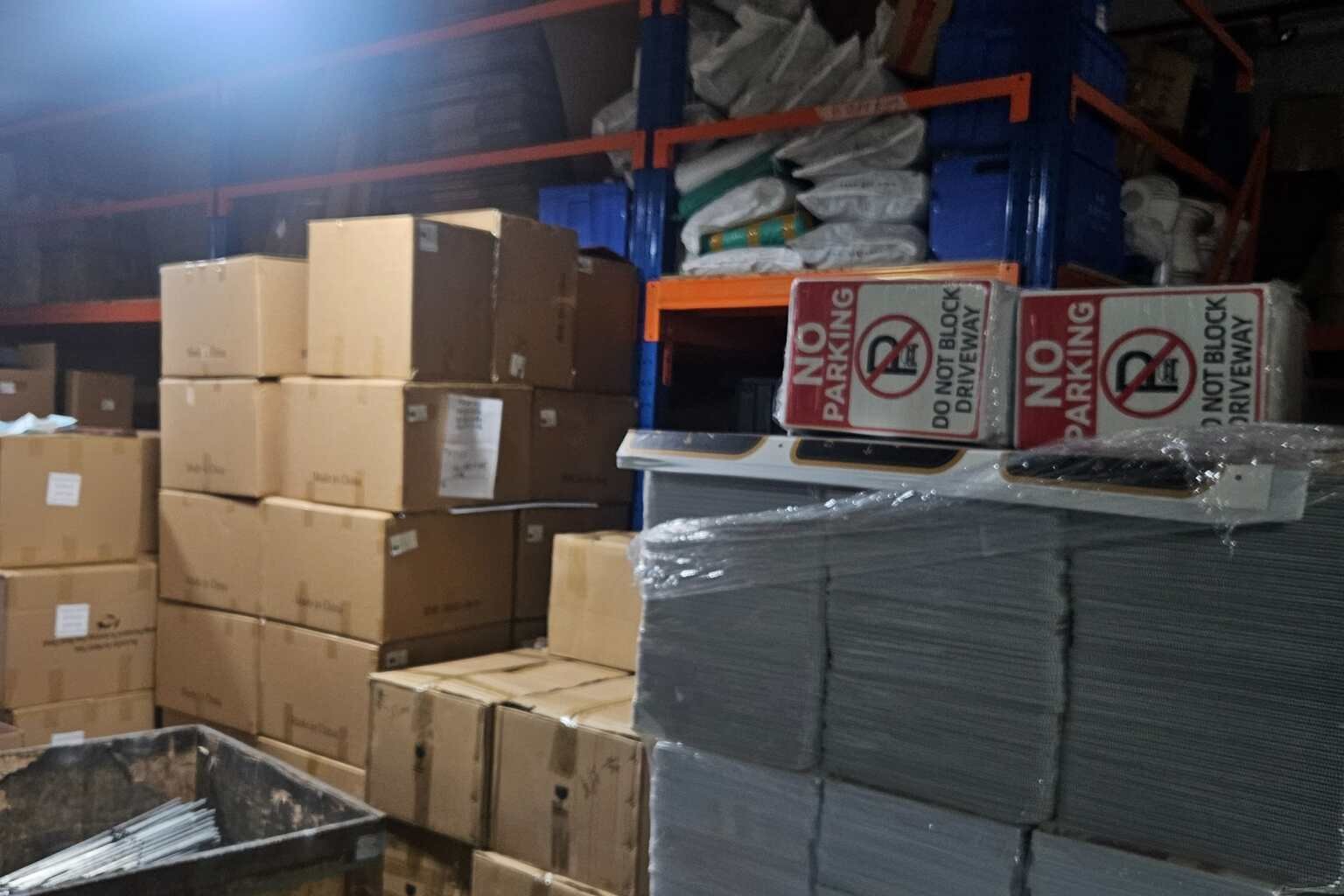
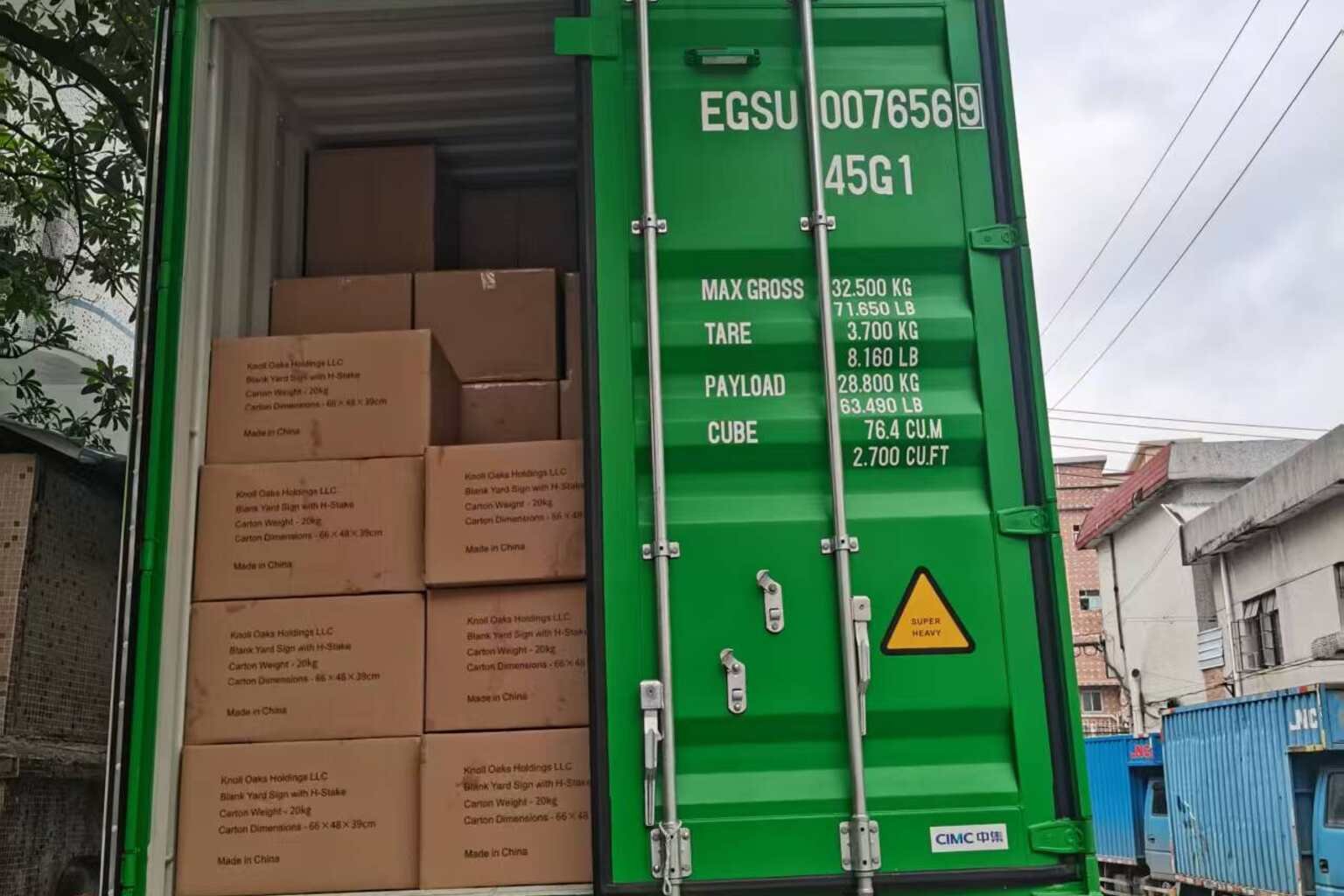
Correct flute direction does not protect signs from shipping damage. Metal stakes should be separated from printed surfaces and secured inside reinforced cartons.
Buyers should confirm:
- Signs per carton
- Stakes per carton
- Protection between signs and hardware
- Carton weight
- Design labels
- Packing list quantities
- Carton numbering
Clear packaging also helps the receiver match the correct number of stakes with each sign design.
Questions to Ask Your Yard Sign Manufacturer
- Which direction will the flutes run?
- Which edge is the bottom of the finished sign?
- Is the selected H-stake compatible with the material?
- Can you test the actual stake with a production sample?
- How will flute direction be shown on the proof?
- How will landscape and portrait designs be separated?
- Does the custom shape require one or two stakes?
- How will flute direction be inspected during production?
- How will signs and stakes be packed?
- Can you provide sample installation photographs?
Flute Direction Buyer Checklist
- Finished width and height stated clearly
- Landscape or portrait orientation confirmed
- Top and bottom edges identified
- Flutes specified to run vertically
- Stake insertion edge identified
- Material thickness confirmed
- H-stake dimensions confirmed
- Physical stake fit tested
- Custom shape balance reviewed
- Front and back artwork orientation checked
- Sample installation approved
- Production inspection requirement recorded
- Signs and stakes packed separately and safely
Frequently Asked Questions
Which direction should yard sign flutes run?
For most corrugated plastic signs installed with standard H-stakes inserted from the bottom, the flutes should run vertically from top to bottom.
Can an H-stake fit a sign with horizontal flutes?
Not through normal bottom insertion. The horizontal internal channels do not align with the upward stake wires. Another mounting system may be required.
Do thicker coroplast sheets have different flutes?
They may have different internal channel dimensions and construction. Whenever material changes, the actual H-stake should be tested again.
How do I specify flute direction for a 24×18 sign?
Write “24 inches wide × 18 inches high, landscape orientation, vertical flutes running along the 18-inch height, with stake insertion through the bottom edge.”
Does flute direction affect printing?
It mainly affects construction, bending behavior, cutting layout, and installation. However, production artwork must be arranged so the finished print orientation remains correct while preserving the required flutes.
Can iYardSign supply signs with compatible H-stakes?
Yes. iYardSign can review the sign size, material, flute direction, stake specification, artwork, quantity, packaging, and delivery requirements before production.
Confirm Flute Direction Before Production
Correct artwork and print quality are not enough if the finished signs cannot accept the intended H-stakes. Include flute direction in the quotation, proof, specification, sample approval, and production inspection.
Contact iYardSign for custom yard signs with compatible H-stakes.