10 Mistakes to Avoid When Ordering Custom Yard Signs Online

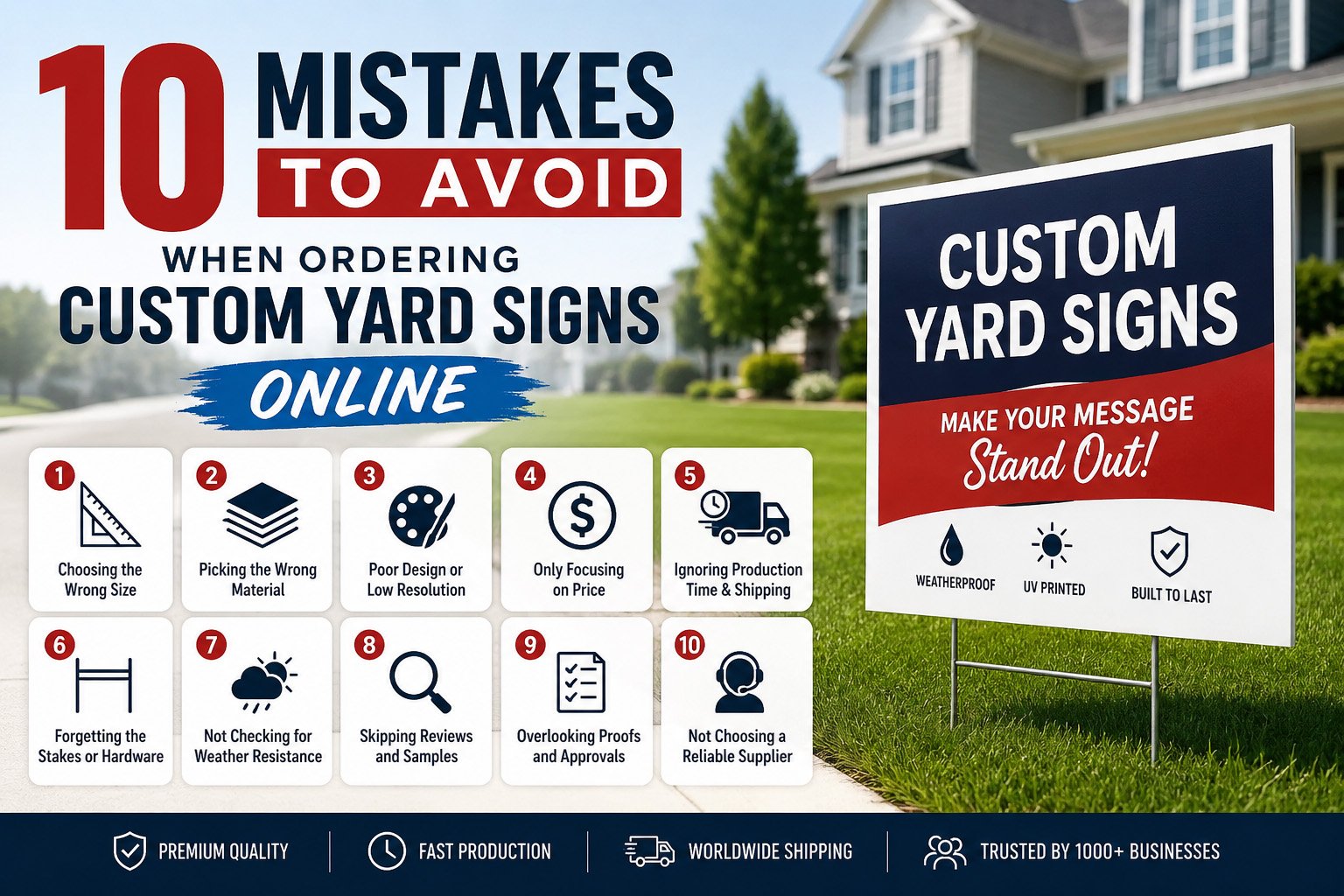
Ordering custom yard signs online should be simple, but many buyers still worry about making mistakes before production starts. The design may look good on screen but print too small. The sign size may not fit the display location. Stakes may not be included. Shipping may take longer than expected. For bulk orders, even one small detail can affect hundreds or thousands of signs.
For overseas buyers, these concerns are even more important. When you order custom yard signs from a factory, you need clear specifications, reliable communication, proper artwork checking, and packaging that protects the signs during shipping.
This guide explains the most common mistakes customers make when ordering custom yard signs online and how to avoid them before production begins.
Why Custom Yard Sign Orders Go Wrong
Most yard sign order problems happen because important details are not confirmed early enough. Yard signs may look simple, but every order includes several decisions: size, material, thickness, printing side, quantity, artwork, stakes, packaging, and delivery time.
If one detail is unclear, the final product may not match the buyer’s expectations. This is especially true for bulk yard sign orders, campaign signs, real estate signs, contractor signs, and event signs with fixed deadlines.
A professional yard sign supplier should help you confirm these details before printing, not after the signs are finished.
Mistake 1: Choosing the Wrong Yard Sign Size
One of the most common mistakes is choosing a sign size without thinking about viewing distance. A small sign may be affordable, but it may not be readable from the road. A large sign may improve visibility, but it may need stronger stakes or frames.
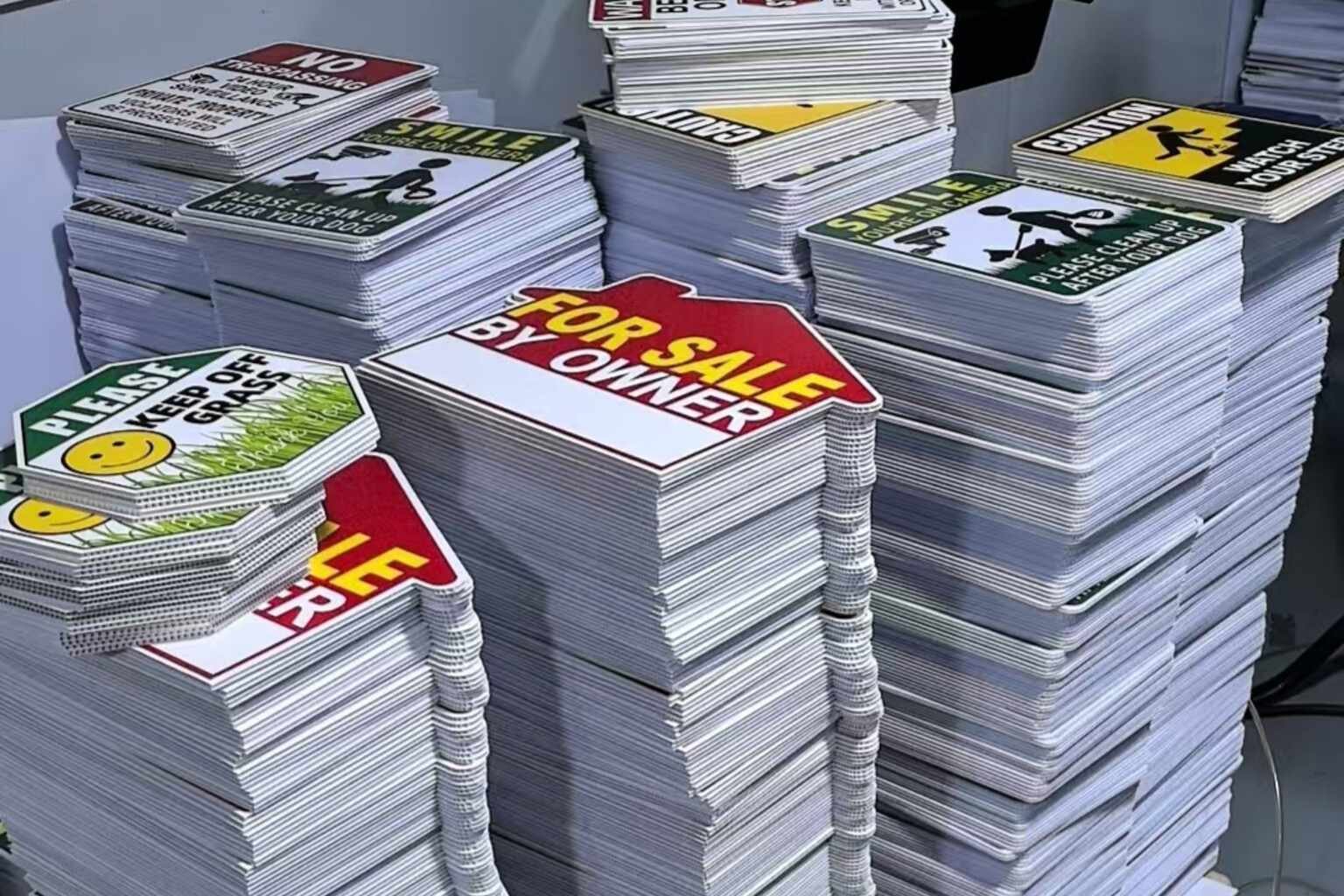
The most common yard sign size is 18″ x 24″. It works well for many lawn signs, political signs, real estate signs, contractor signs, school signs, and local business promotions.
Common yard sign sizes include:
- 12″ x 18″ for small directional signs or close-range messages.
- 18″ x 24″ for standard lawn signs and general outdoor advertising.
- 24″ x 36″ for better roadside visibility.
- Custom sizes for special campaigns, events, or brand requirements.
Before ordering, think about where the sign will be placed, how far away people will be, and how fast they will pass by.
Mistake 2: Using Too Much Text on the Sign
A yard sign is not a flyer or brochure. Most people only have a few seconds to read it. If the design includes too much information, the message becomes hard to understand.
A good yard sign should have one clear message. It may include a headline, business name, phone number, website, or QR code, but it should not try to explain every detail of your product or service.
For better readability:
- Use large fonts.
- Keep the message short.
- Use strong color contrast.
- Focus on one call to action.
- Leave enough white space around important text.
If the sign will be seen from a car, simple design is usually more effective than a crowded layout.
Mistake 3: Sending Low-Resolution Artwork
Artwork quality directly affects print quality. A logo or image that looks fine on a phone or computer screen may not be suitable for large-format printing.
Low-resolution artwork can cause blurry logos, rough edges, unclear text, and poor overall appearance. This is a serious issue for real estate agents, contractors, franchises, campaigns, and businesses that need professional brand presentation.
Before sending artwork, check:
- Logo resolution.
- Final print size.
- Bleed area.
- Safe area for text.
- Color mode if required.
- Spelling, phone number, website, and QR code.
For the best result, use vector files when possible. If you are not sure whether your file is print-ready, ask your supplier to review it before production.
Mistake 4: Forgetting Bleed and Safe Area
Bleed and safe area are important for printed signs. Bleed gives the printer extra image area beyond the final cut size. Safe area keeps important text and logos away from the edge.
If the artwork has no bleed, there may be unwanted white edges after cutting. If important text is too close to the edge, it may look cramped or risk being trimmed.
A reliable yard sign factory should provide artwork guidance or a proof template when needed. This is especially helpful for buyers ordering multiple designs or bulk yard signs.
Mistake 5: Not Confirming the Material
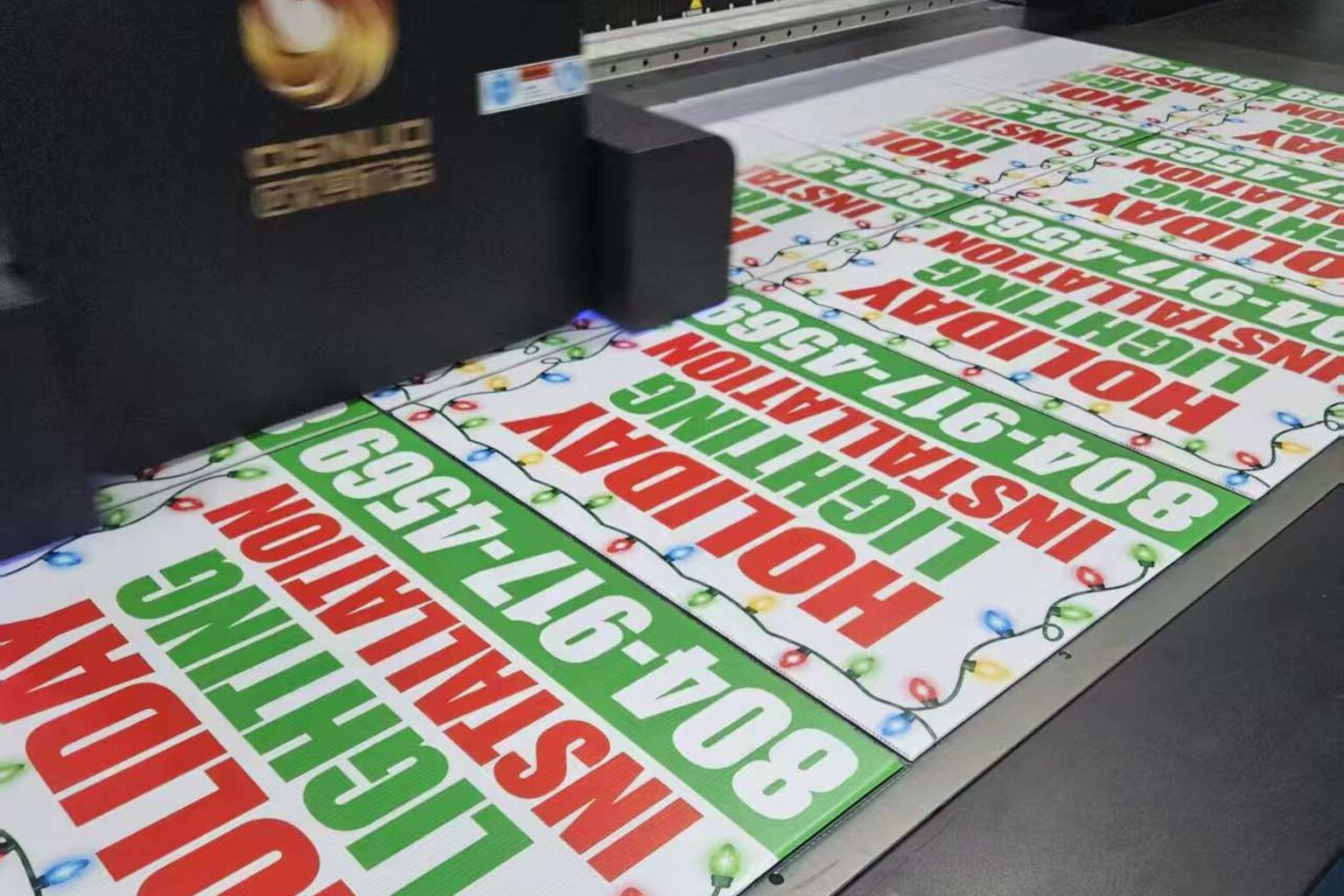
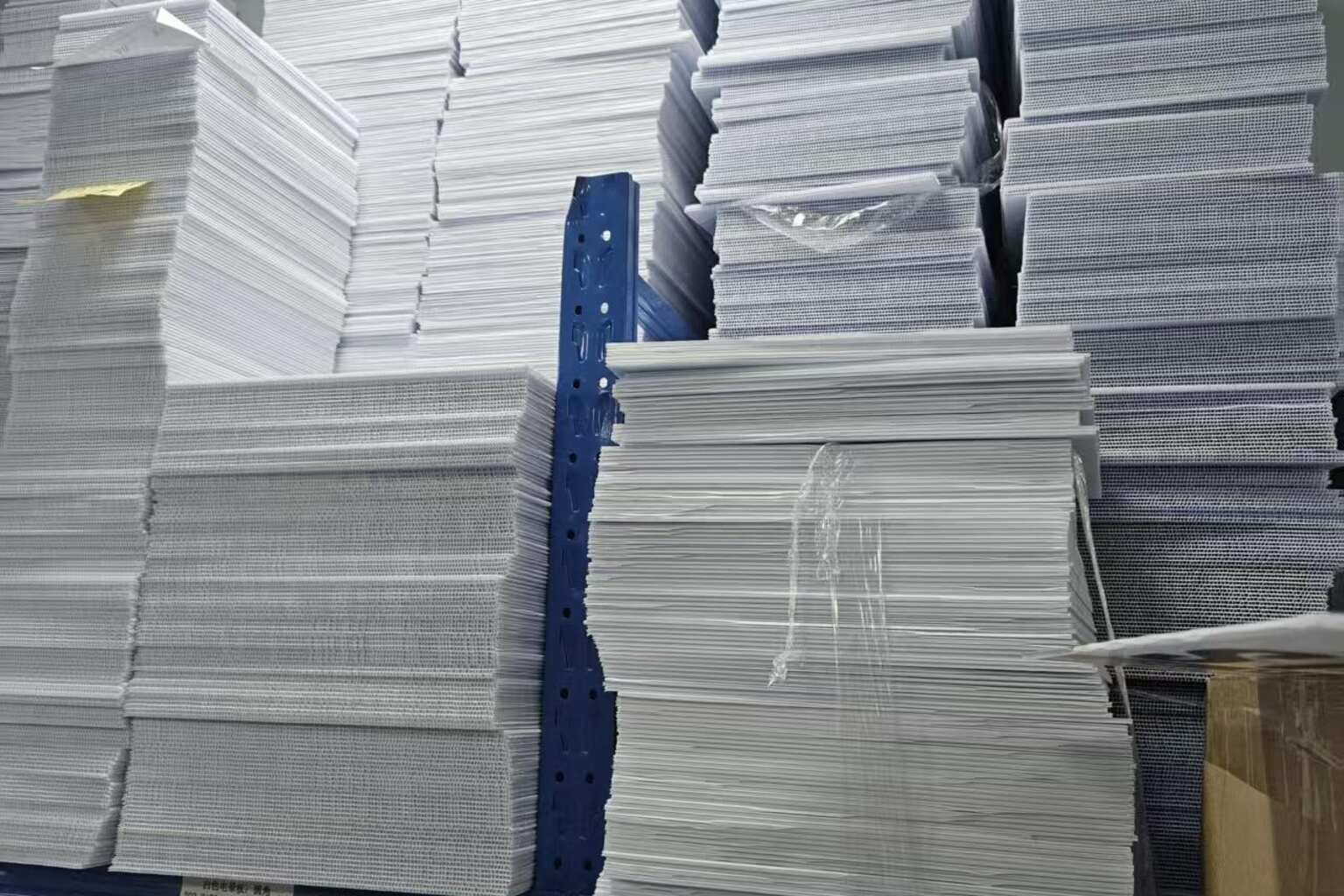
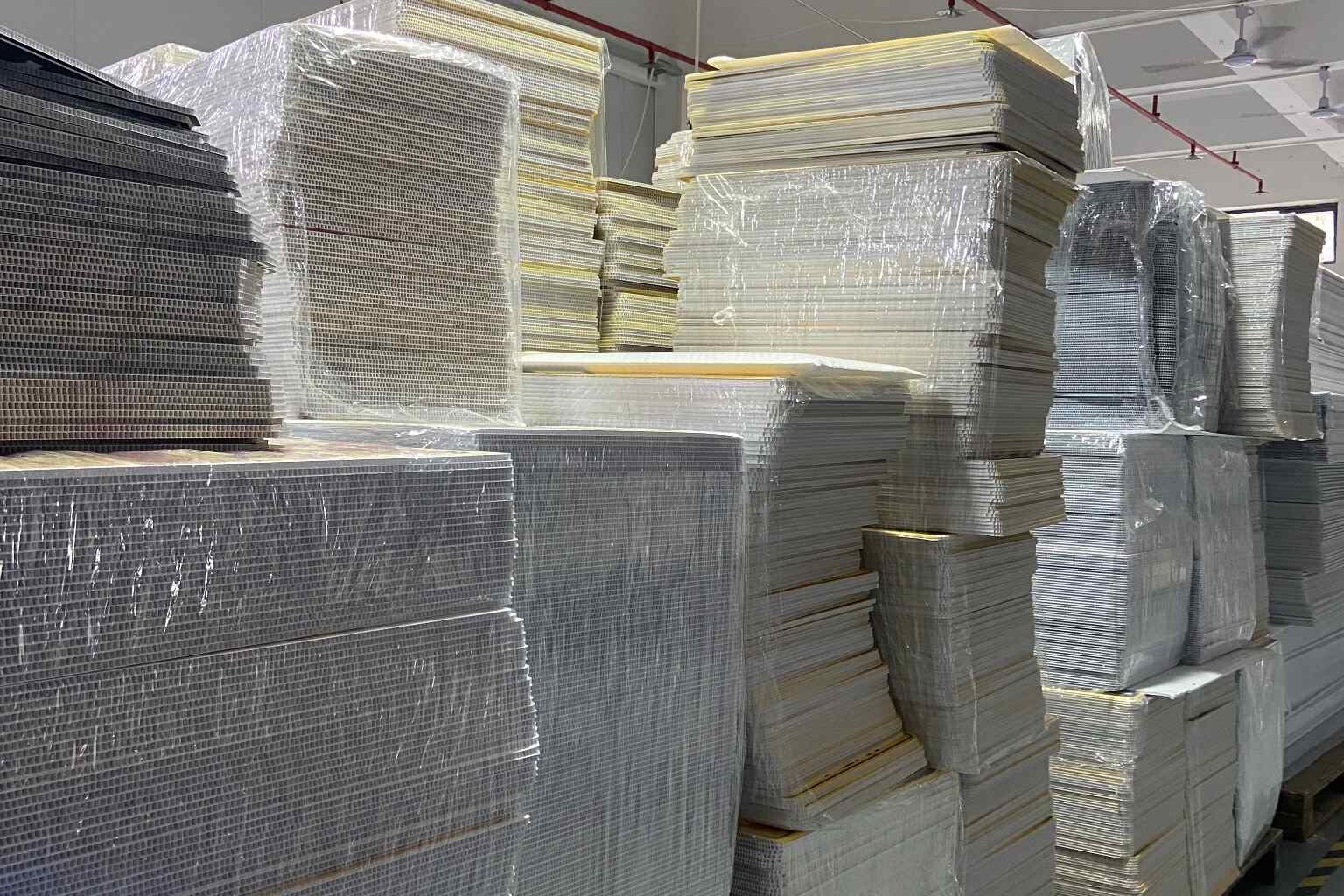
Many customers simply ask for “yard signs” without confirming the material. The most common material is corrugated plastic, also called coroplast. It is lightweight, water-resistant, affordable, and easy to install with metal H-stakes.
Coroplast is a good choice for temporary outdoor signs, campaign signs, real estate signs, job site signs, and event signs. However, it may not be the best option for every situation.
Material choices may include:
- Corrugated plastic for standard temporary yard signs.
- Thicker coroplast for larger or stronger signs.
- Aluminum for long-term outdoor display.
- PVC for smooth display panels or special use cases.
Before ordering, tell your supplier how long the signs will be used and where they will be placed.
Mistake 6: Not Checking Single-Sided vs Double-Sided Printing
Single-sided and double-sided printing are different order options. If you need people to see your message from both directions, double-sided printing is usually the better choice.
Double-sided yard signs are useful for:
- Roadside advertising.
- Real estate open houses.
- Contractor job sites.
- Event entrances.
- Political campaigns.
- Business promotions near sidewalks or driveways.
Single-sided signs may be enough when the sign is placed against a wall, fence, building, or one-way viewing area.
Mistake 7: Forgetting H-Stakes or Frames
Some customers order printed signs but forget to order stakes. This can delay installation, especially for events, campaigns, and real estate promotions with fixed schedules.
Most standard corrugated plastic yard signs use metal H-stakes. The stakes slide into the vertical flutes of the sign and push into the ground.
Before production, confirm:
- Are H-stakes included?
- How many stakes are needed?
- Are the signs printed with vertical flutes?
- Are the stakes packed with the signs or separately?
- Do larger signs need frames instead of standard stakes?
For bulk orders, stake quantity should be checked as carefully as sign quantity.
Mistake 8: Ignoring Outdoor Durability
Yard signs are often used outdoors, so they need to handle rain, sunlight, wind, and normal handling. Choosing the cheapest option without considering durability can lead to signs that fade, bend, or look poor too quickly.
For temporary outdoor use, UV-printed corrugated plastic is usually a practical choice. For long-term display, a stronger material such as aluminum may be better.
Buyers should consider:
- Expected display time.
- Weather conditions.
- Wind exposure.
- Sign size.
- Installation method.
A good supplier will recommend material and mounting options based on real use, not just the lowest price.
Mistake 9: Waiting Too Long to Place the Order
Many yard sign orders are connected to deadlines. Political campaigns, open houses, community events, grand openings, and seasonal promotions all need signs to arrive on time.
Production cannot begin until artwork and specifications are approved. If artwork changes happen late, the schedule can become tight.
To avoid delays, confirm early:
- Final artwork.
- Quantity.
- Material.
- Size.
- Printing side.
- Stake requirements.
- Shipping destination.
- Required delivery date.
If your signs are needed for a fixed date, tell your supplier before placing the order.
Mistake 10: Not Confirming Packaging for Shipping
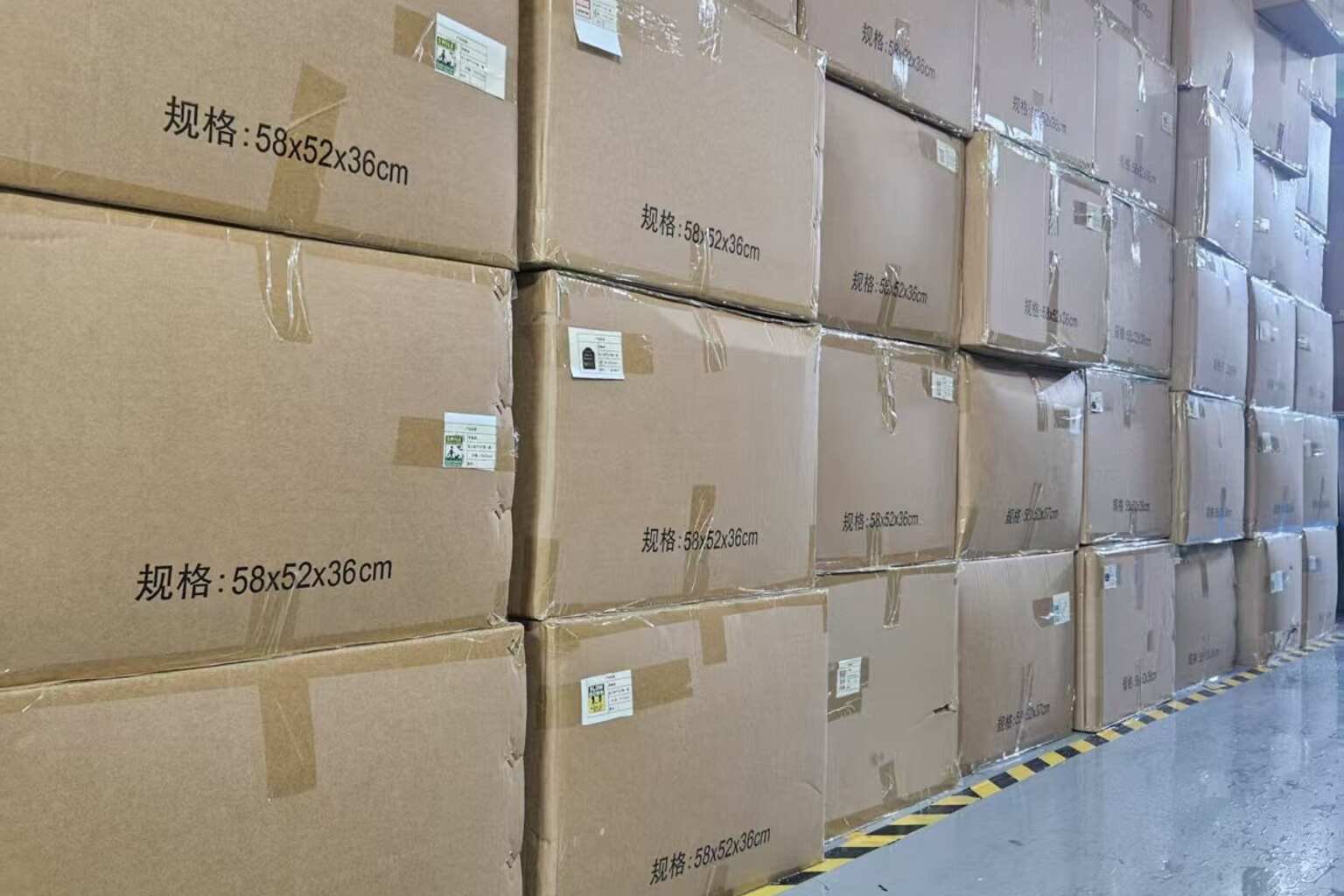
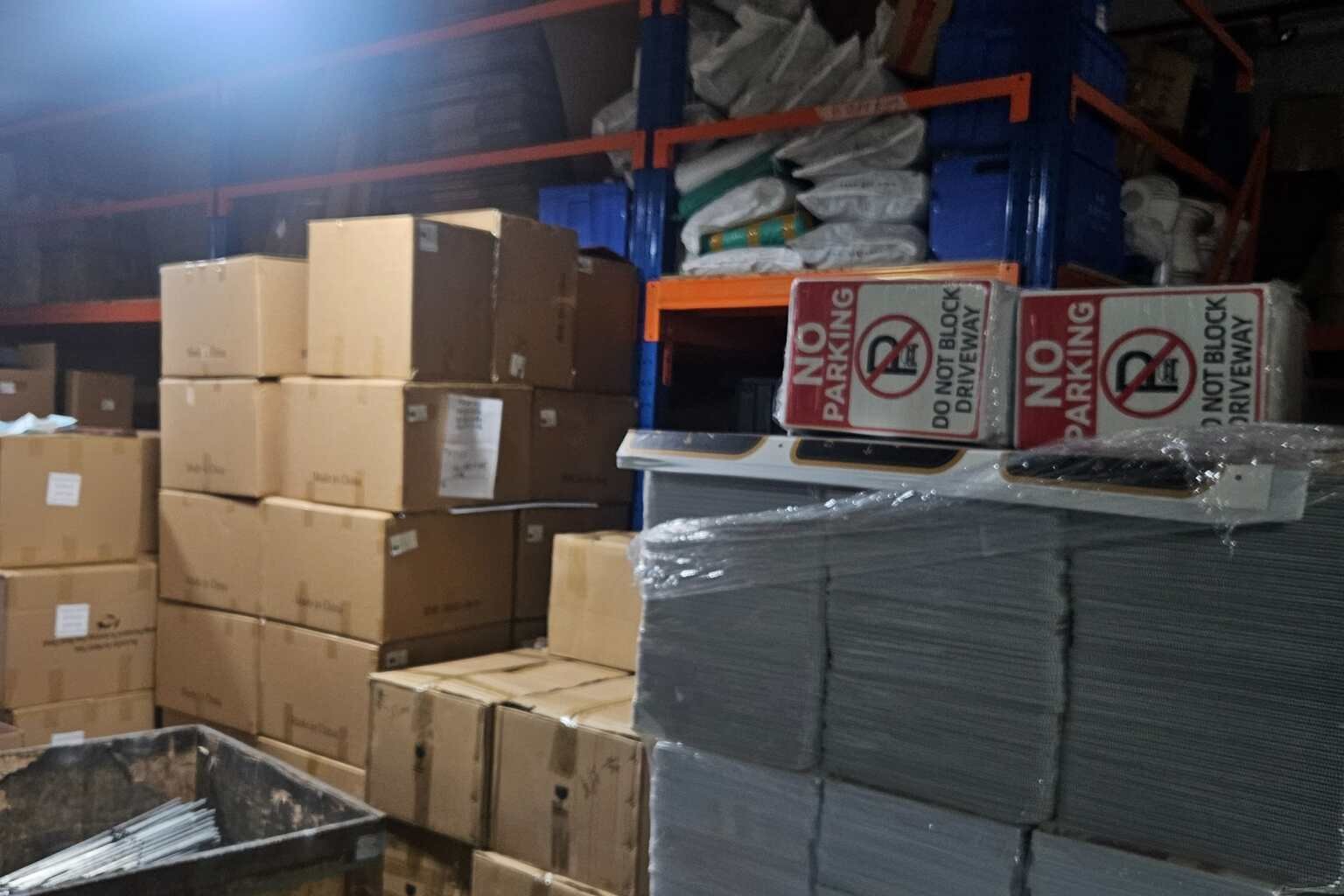
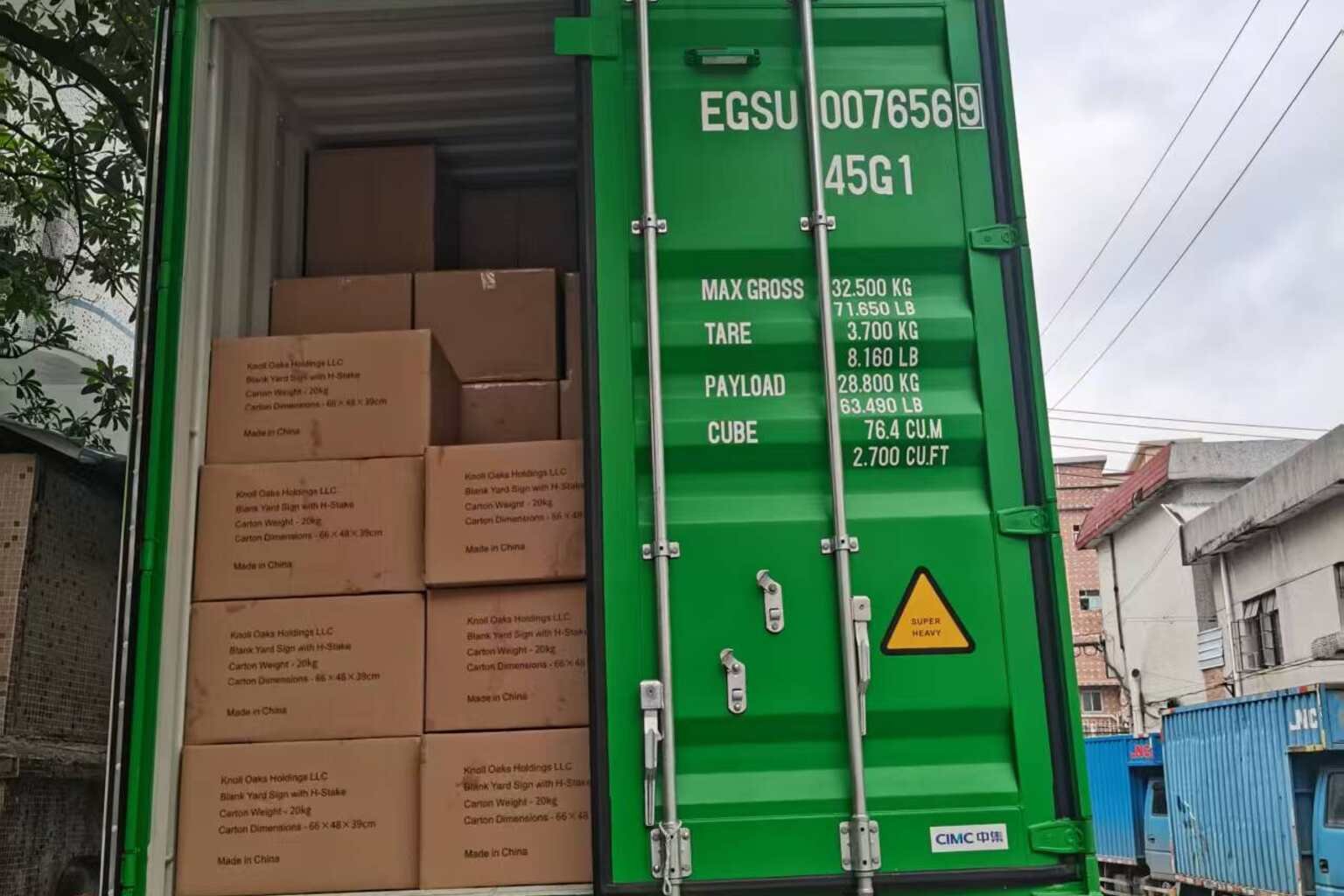
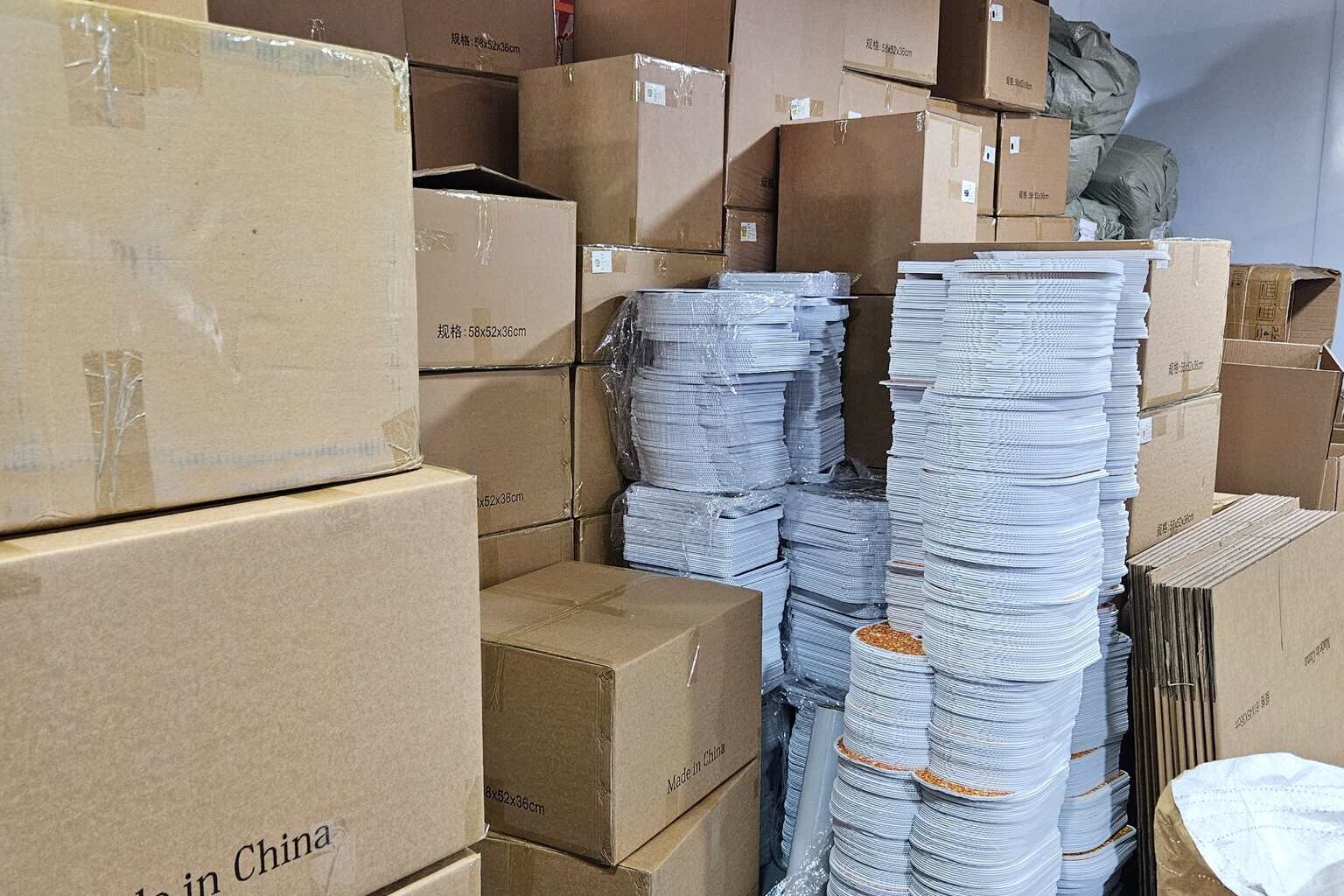
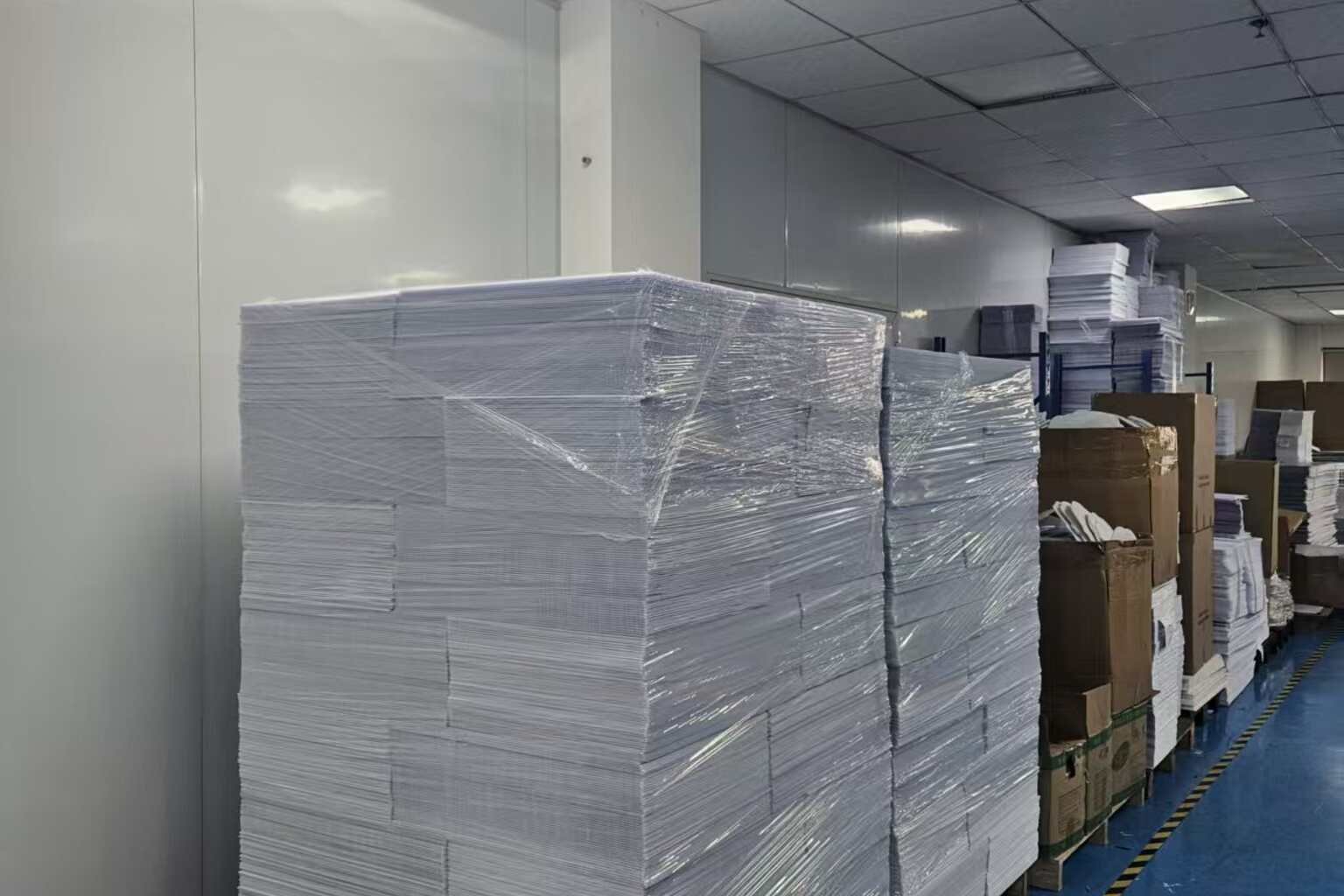
Packaging matters, especially for overseas shipments and bulk orders. Poor packaging can cause scratched surfaces, bent corners, mixed designs, missing stakes, or damaged cartons.
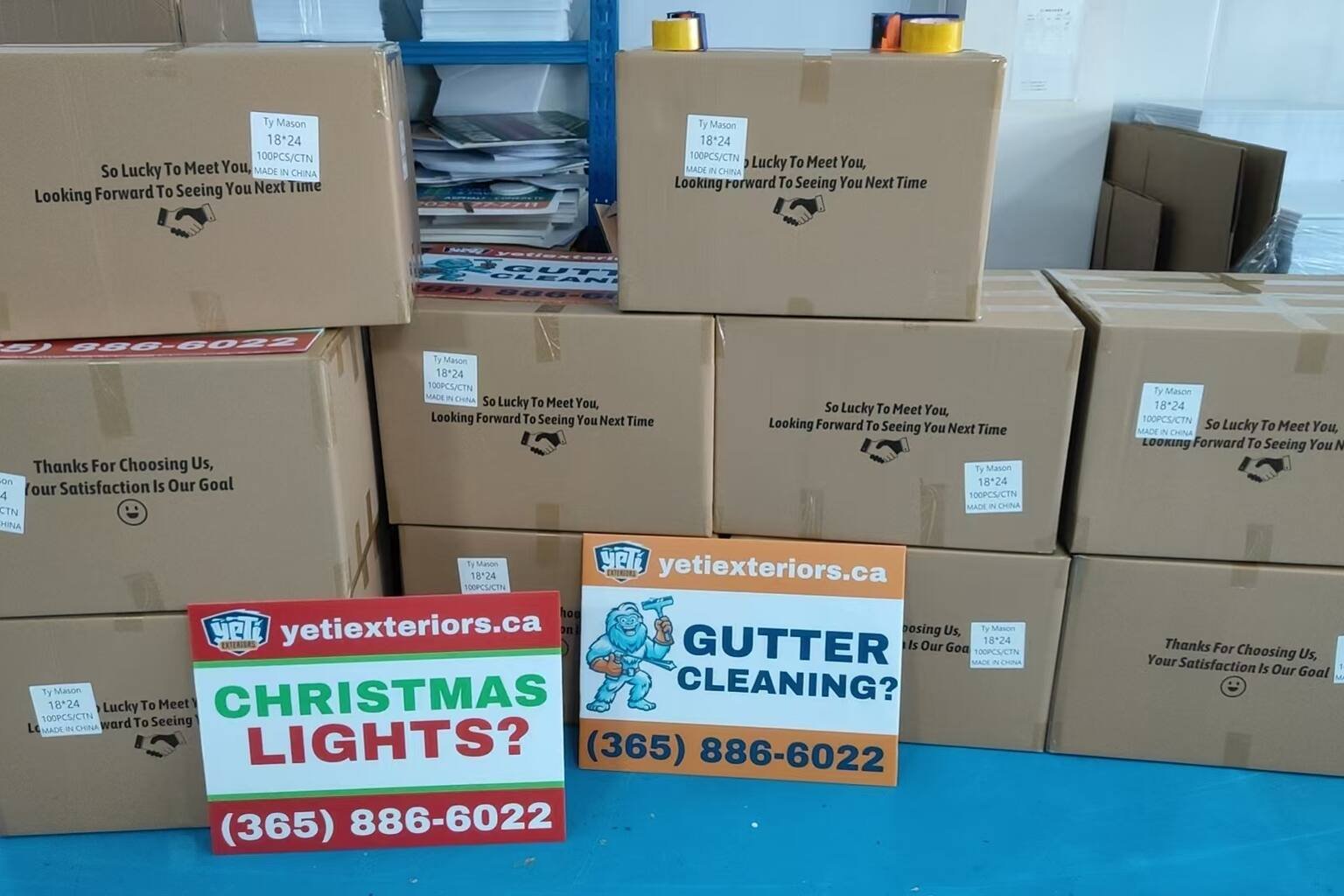
Before shipping, ask how the signs will be packed. For bulk orders, confirm the number of signs per carton and whether stakes are packed separately.
Good packaging should protect the signs during handling and make it easy for the buyer to count, store, and distribute them after delivery.
Custom Yard Sign Order Checklist
Before approving production, use this checklist:
- Final sign size confirmed.
- Material and thickness confirmed.
- Single-sided or double-sided printing confirmed.
- Artwork proof approved.
- Bleed and safe area checked.
- Spelling, phone number, website, and QR code checked.
- Quantity confirmed for each design.
- H-stakes or frames confirmed.
- Packaging method confirmed.
- Production time and shipping time confirmed.
This simple checklist can prevent many common yard sign ordering problems.
Why Work With a Professional Yard Sign Factory
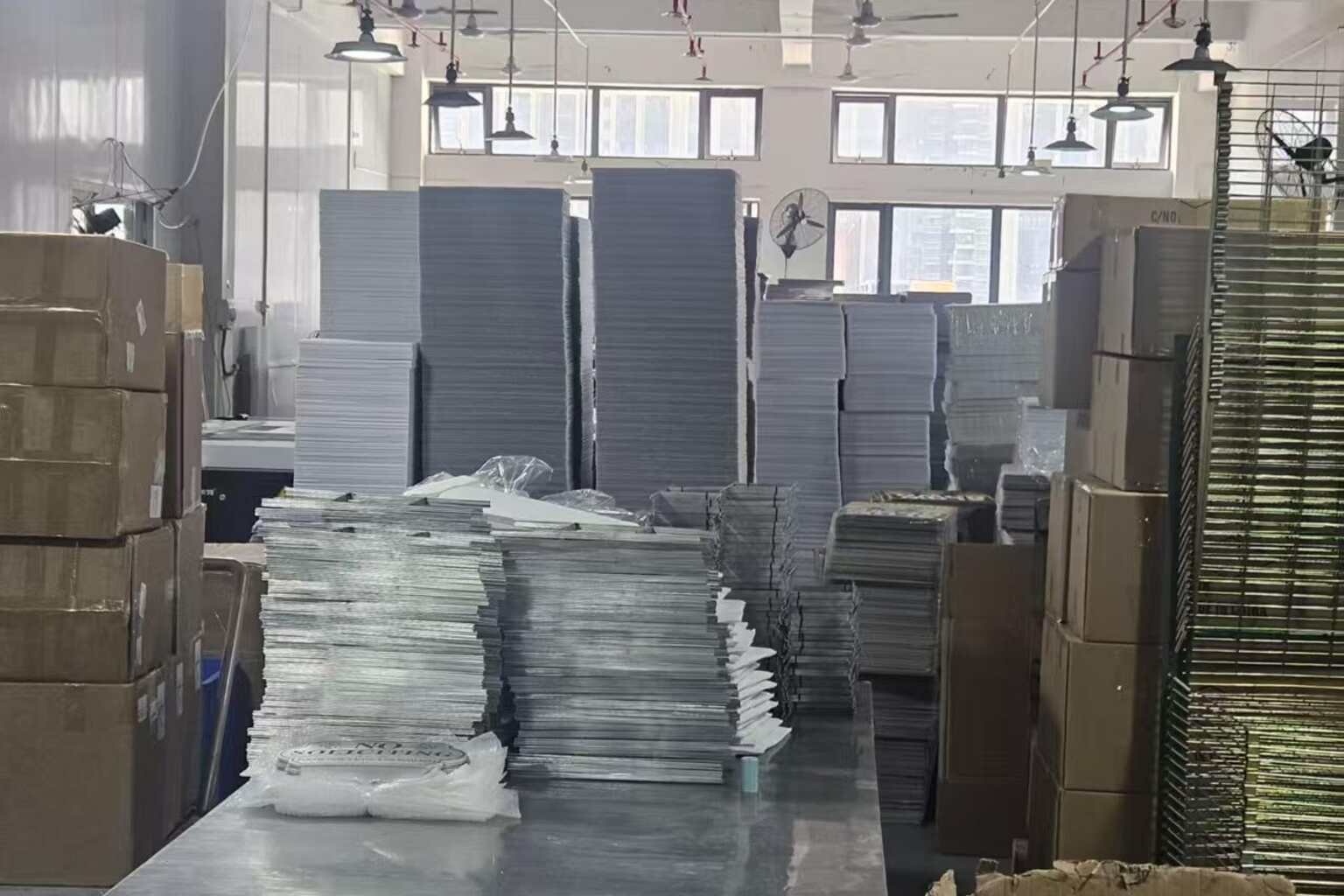
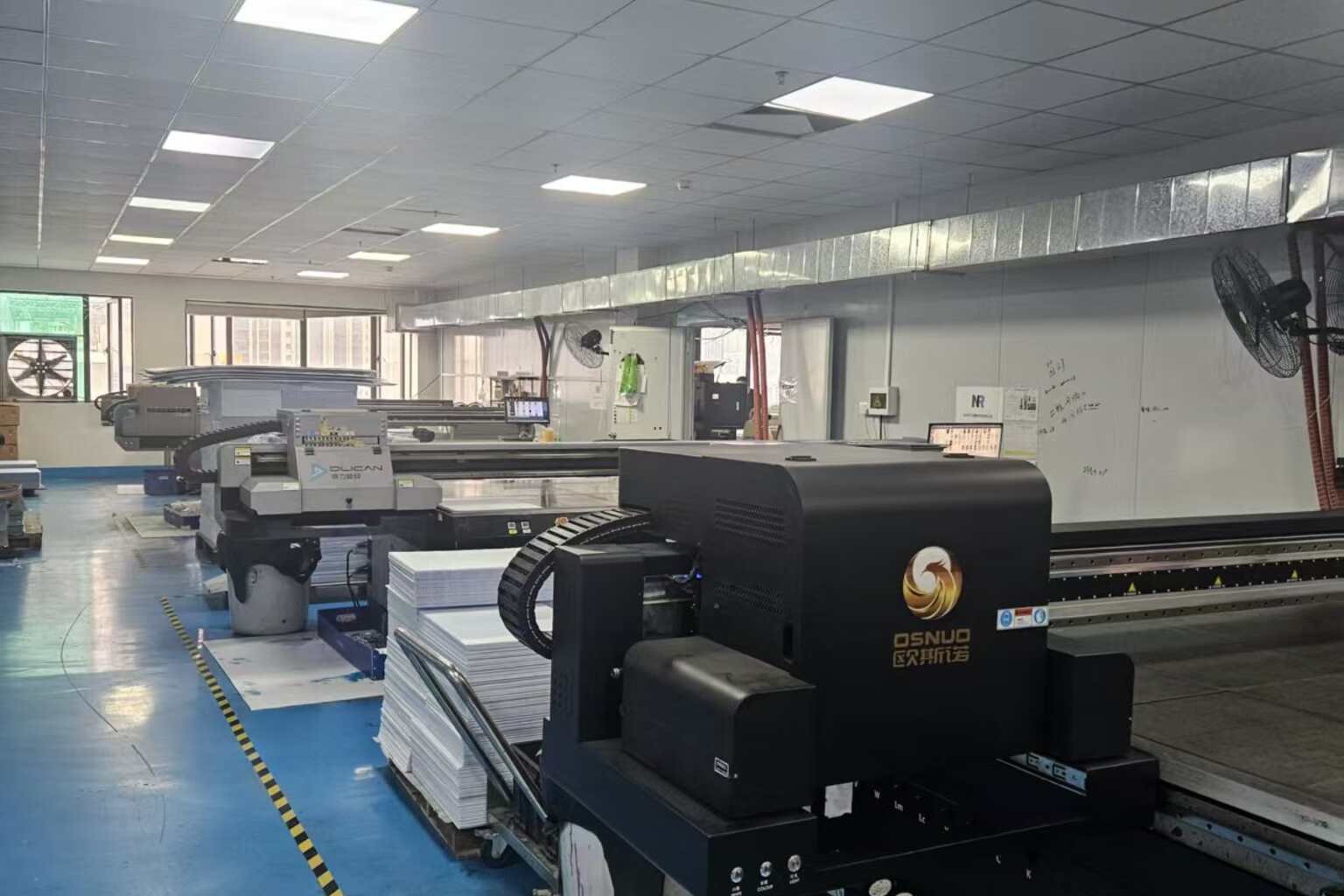
A professional yard sign factory can help buyers avoid mistakes before they become expensive. This is especially important for overseas customers and bulk order buyers.
Factory support can include:
- Material recommendations.
- Artwork checking.
- Digital proof confirmation.
- Bulk order planning.
- Stake and accessory support.
- Packaging guidance.
- Repeat order consistency.
At iYardSign, we help customers confirm the details that matter before production begins. Our goal is to make custom yard sign ordering easier, clearer, and more reliable for overseas buyers, resellers, campaigns, and local businesses.
Final Thoughts
Custom yard signs are simple products, but ordering them correctly requires attention to detail. Size, material, artwork, printing side, stakes, packaging, and delivery time all affect the final result.
By checking these details before production, you can avoid common mistakes and receive signs that are easier to install, easier to read, and better suited for outdoor use.
If you are planning a custom yard sign order, iYardSign can help you choose the right specifications, review artwork, and prepare signs for practical outdoor advertising, events, campaigns, real estate, and bulk business use.
FAQ
What is the most common mistake when ordering custom yard signs?
One common mistake is not confirming all specifications before production, including size, material, artwork, printing side, stakes, and delivery requirements.
What is the best material for custom yard signs?
Corrugated plastic, also called coroplast, is the most popular material for temporary outdoor yard signs because it is lightweight, affordable, water-resistant, and easy to install with H-stakes.
What size should I choose for yard signs?
18″ x 24″ is the most common size for standard yard signs. Larger sizes such as 24″ x 36″ may be better for roadside visibility.
Do custom yard signs come with stakes?
Some suppliers include H-stakes, while others sell them separately. Always confirm stake quantity and packing before ordering.
Should yard signs be single-sided or double-sided?
Double-sided signs are better when people can see the sign from both directions, such as near roads, sidewalks, driveways, lawns, and event entrances.
How can I make sure my yard sign artwork is print-ready?
Check resolution, bleed, safe area, text size, spelling, phone number, website, QR code, and logo quality. Ask your supplier to review the artwork before production.
How early should I order yard signs before an event?
Order as early as possible, especially for bulk orders or fixed event dates. Production and shipping time should be confirmed before placing the order.
Why choose a yard sign factory instead of a general print supplier?
A yard sign factory understands material options, H-stakes, outdoor use, bulk production, packaging, and repeat order consistency, which can help reduce ordering mistakes.