Enterprise Vendor Onboarding Checklist for a Yard Sign Supplier

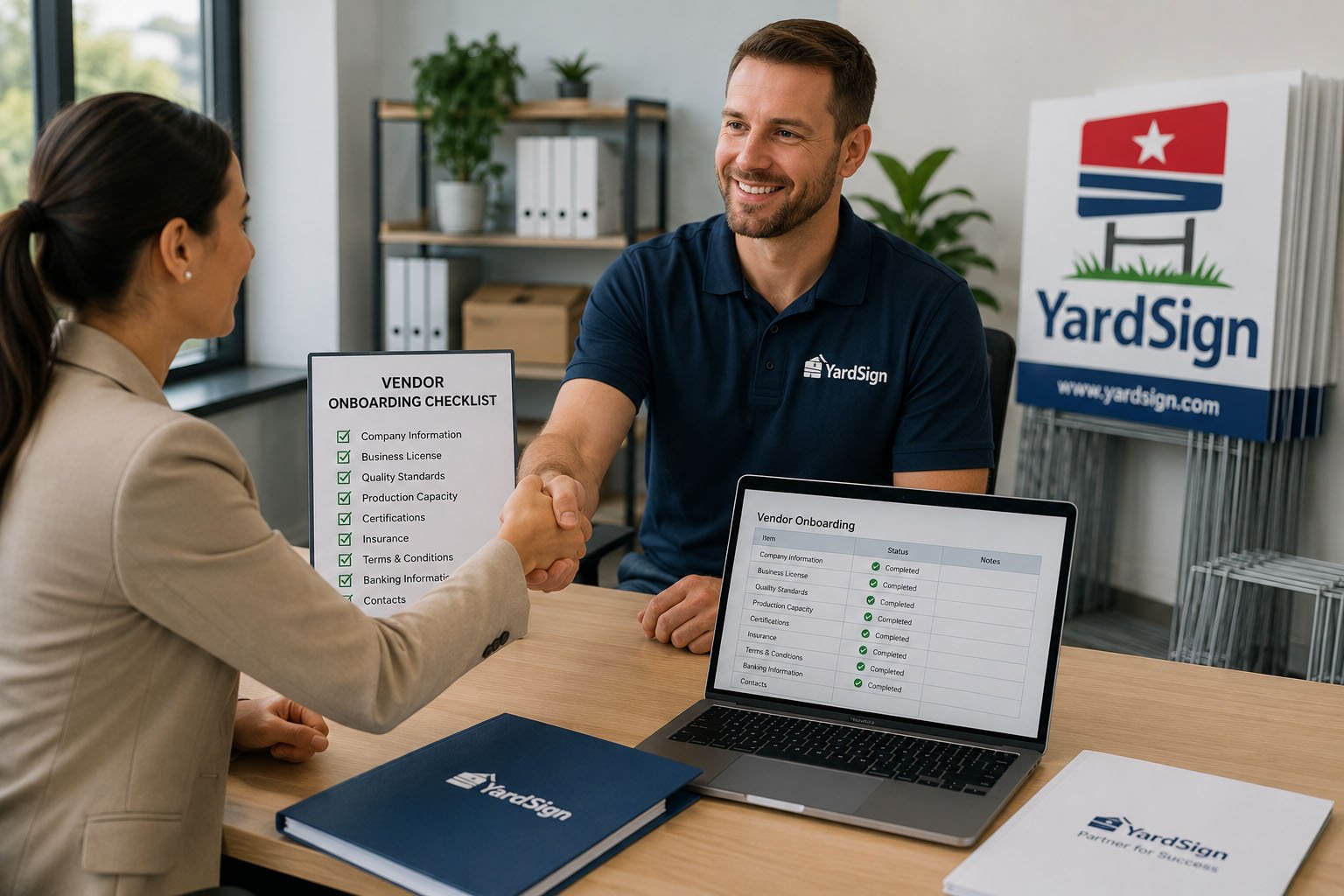
Vendor onboarding helps procurement teams determine whether a supplier can consistently support the intended product, order volume, delivery model, and business risk.
The process should verify more than documents. It should connect the supplier’s claims to the actual legal entity, manufacturing site, production process, quality records, product specification, and shipment workflow.
Quick answer: A yard sign supplier onboarding checklist should verify the legal entity, manufacturing location, bank beneficiary, ownership and contacts, production processes, quality controls, product specifications, material traceability, capacity, compliance evidence, information security, logistics capability, insurance, commercial terms, and escalation procedure. High-risk claims should be validated rather than accepted only from a questionnaire.
Use a Risk-Based Onboarding Process
Not every yard sign purchase requires the same level of supplier review.
The onboarding process should consider:
- Annual purchase value
- Order volume
- Number of artwork versions
- Campaign deadline
- Brand exposure
- Private-label requirements
- Number of delivery locations
- Use of confidential artwork or data
- Need for product or material claims
- Availability of alternative suppliers
- Cost of a late or defective delivery
- Expected length of the supplier relationship
A one-time order for a small local event may use a simpler review. A national franchise program involving thousands of signs, private artwork, warehouse routing guides, and repeated shipments normally requires stronger controls.
The objective is not to collect the largest possible number of documents. The objective is to determine whether the supplier can perform the actual program and whether changes or failures can be detected early.
Buyer note: Every onboarding document should have an owner, review status, and expiration or renewal date when applicable. A large folder of expired or unreviewed documents creates false confidence.
Verify the Legal Supplier Entity
The buyer should know which legal entity is quoting, contracting, invoicing, receiving payment, and taking responsibility for the order.
Request and verify:
- Registered legal company name
- Company registration number
- Registered address
- Operating address
- Manufacturing address
- Registration status
- Authorized representative
- Tax information required by the buyer
- Ownership or control information when required
- Official company contact details
The company shown on the quotation may not always be the same organization operating the factory. This does not automatically make the arrangement unacceptable, but the relationship should be transparent.
If a trading company, export company, or related entity is involved, confirm:
- Which company owns or controls production
- Which company employs the production team
- Which company purchases materials
- Which company performs inspection
- Which company is responsible for defects
- Which company appears on shipping documents
- Which company receives payment
Verify Bank and Payment Information
Payment fraud and unauthorized bank-account changes are serious procurement risks.
The buyer should confirm that:
- The beneficiary name matches the approved supplier or disclosed payment entity
- The bank location is consistent with the commercial structure
- Payment instructions are issued through an authorized channel
- Bank-account changes require independent verification
- Invoice details match the approved purchase order
- Currency and payment milestones are documented
- Refund and credit procedures are understood
Do not approve a bank-account change based only on an unexpected email.
Verify the change using a previously known phone number or another independent contact method. The person requesting the change should not be the only person confirming it.
Important: A legitimate-looking invoice does not prove that the payment instructions are legitimate. Supplier onboarding should define how bank information is approved and how future changes are authenticated.
Confirm the Actual Manufacturing Location
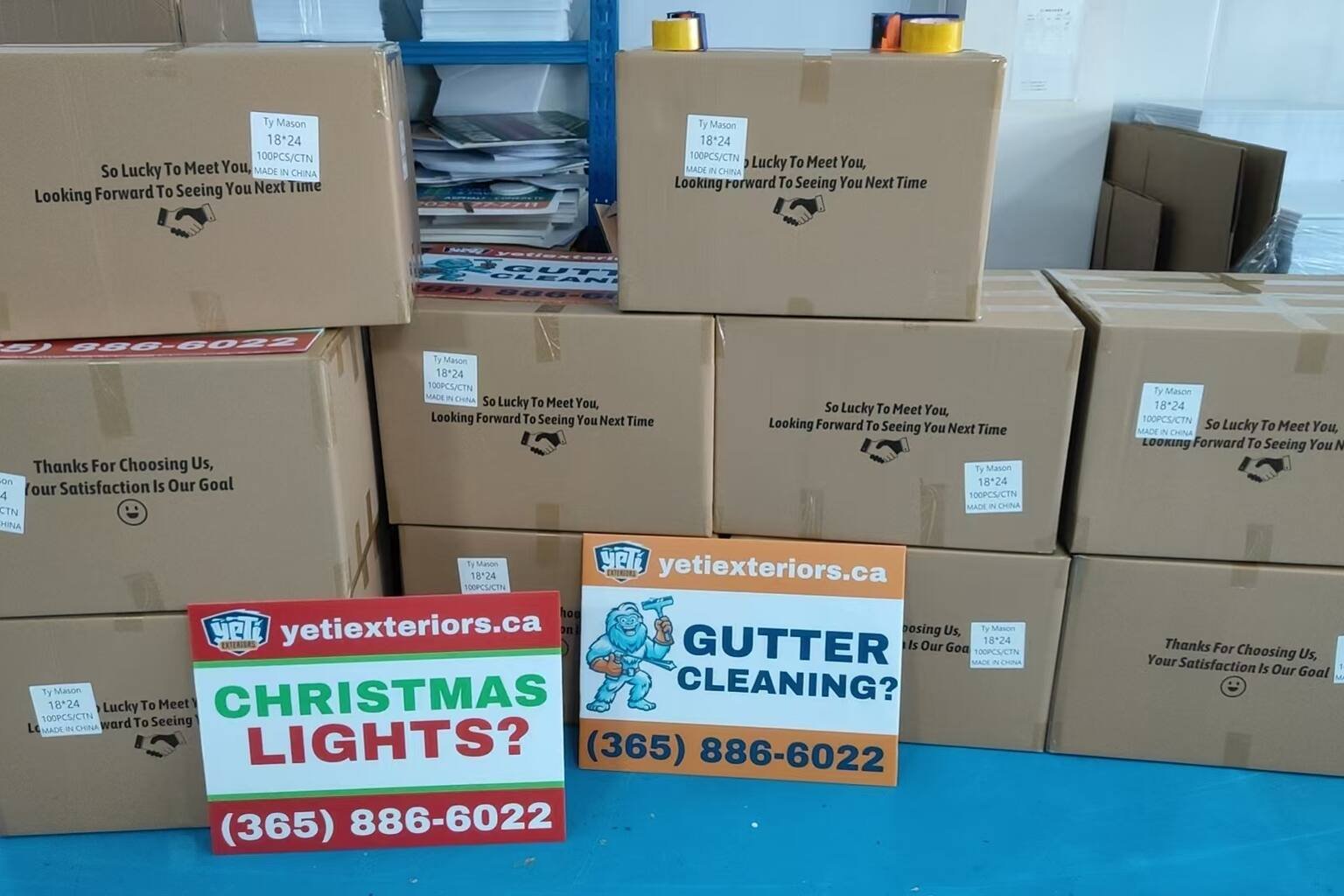
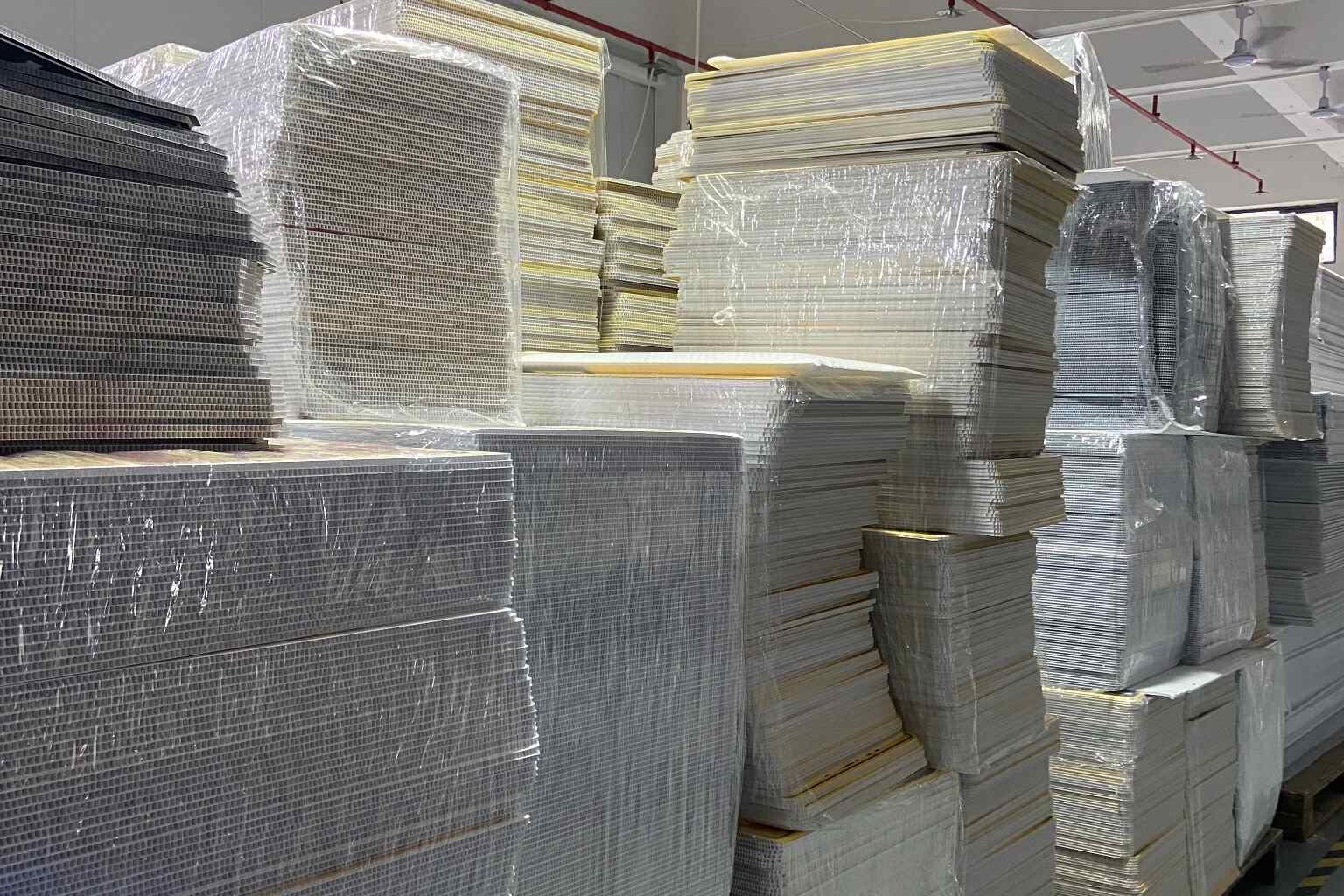
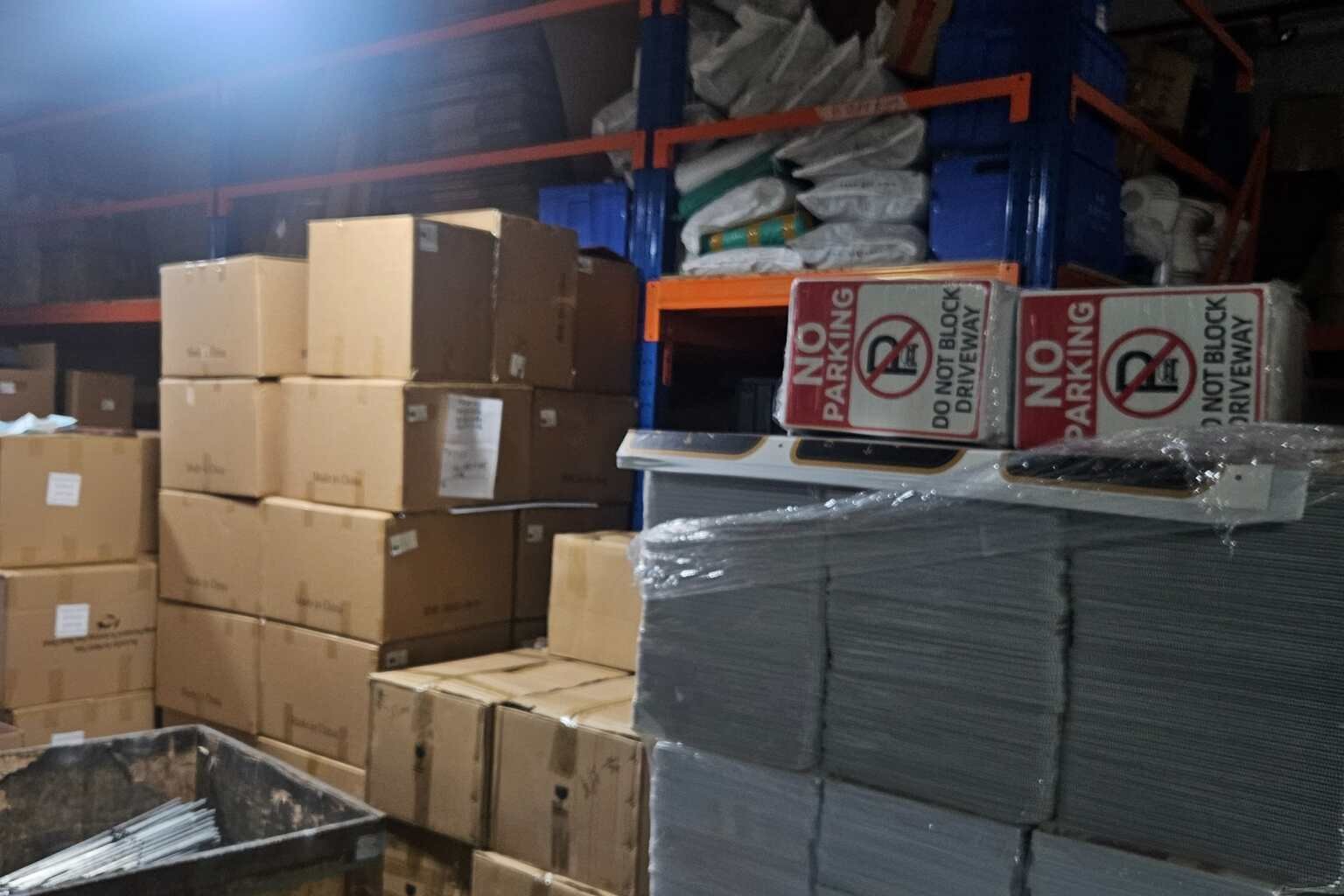
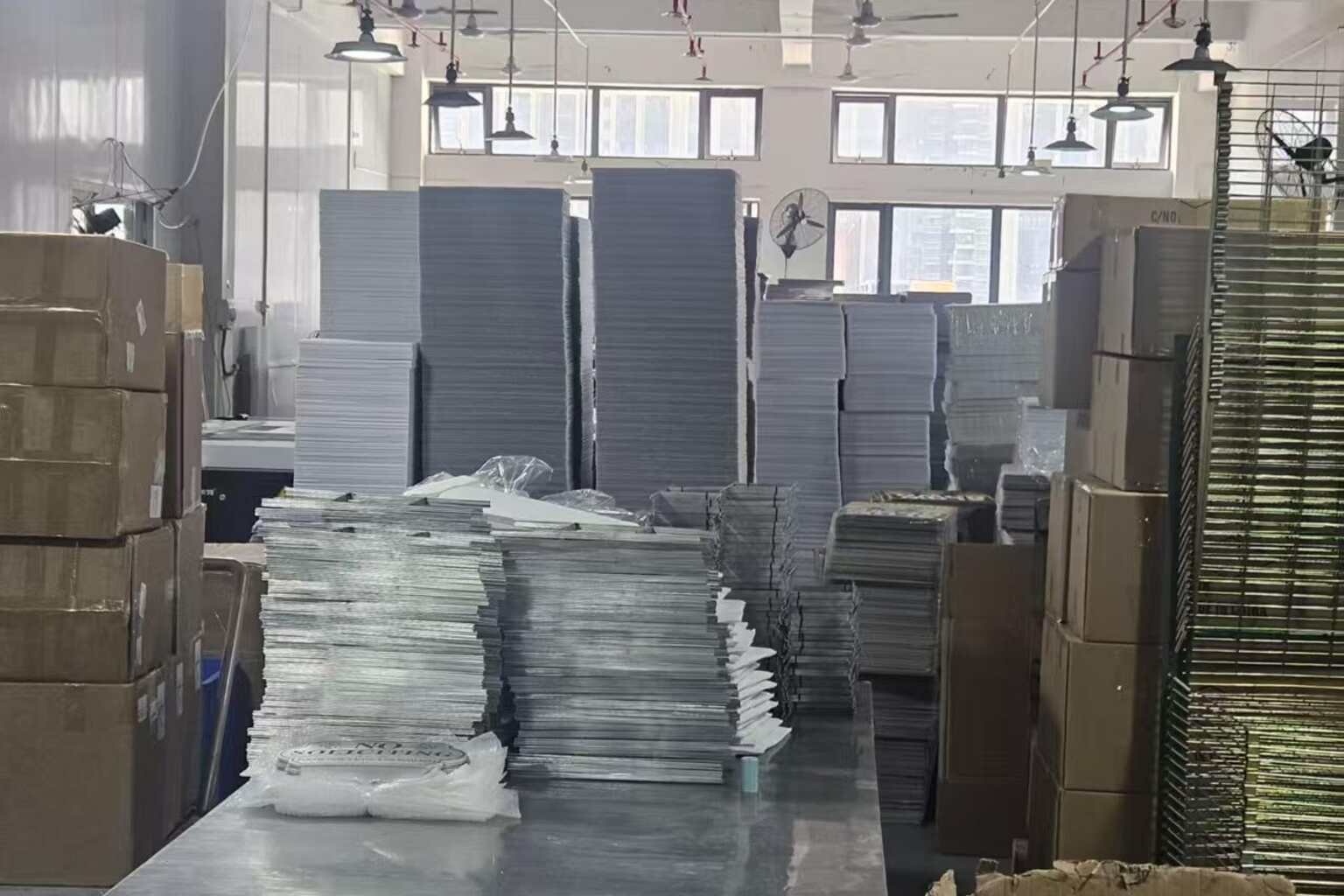
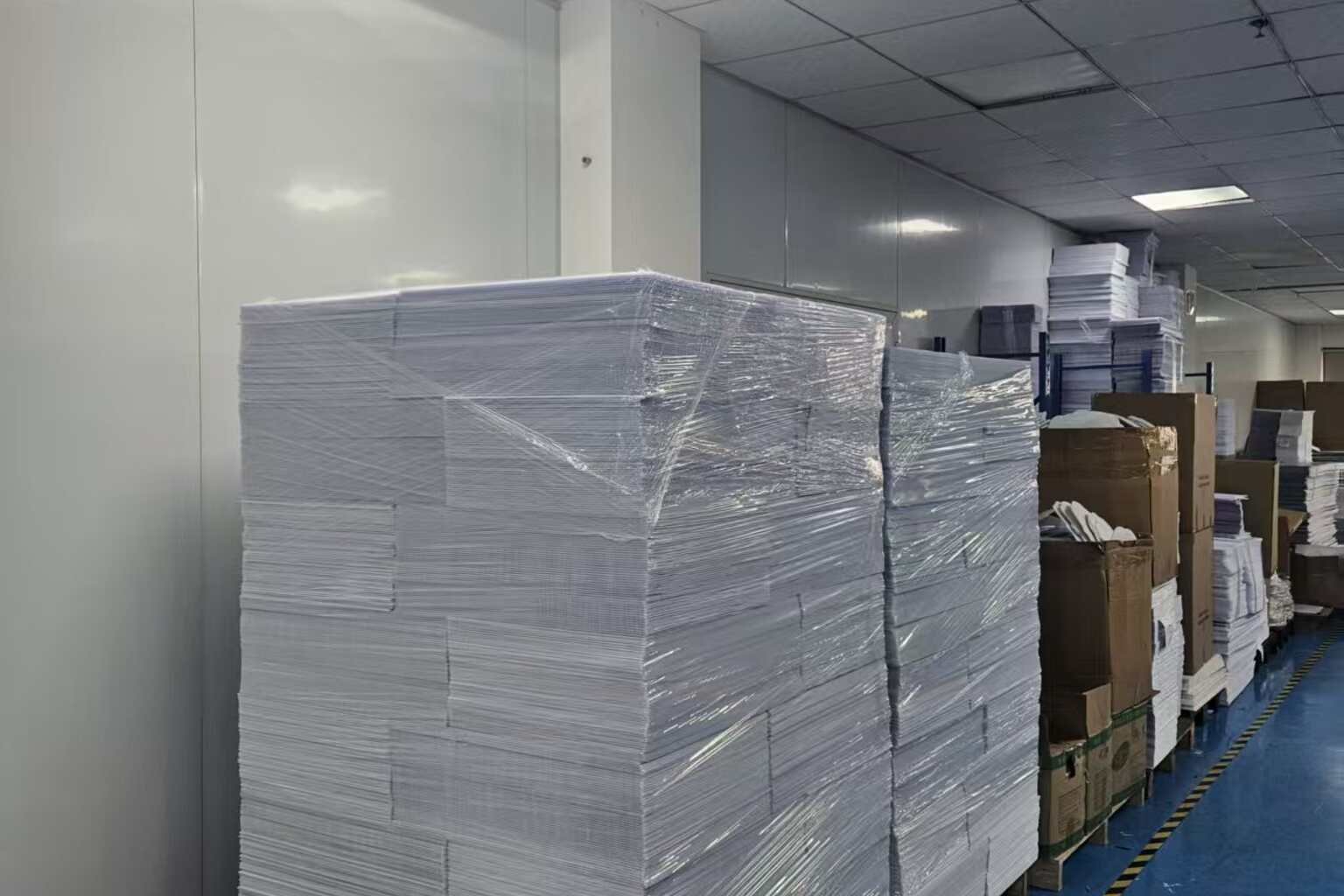
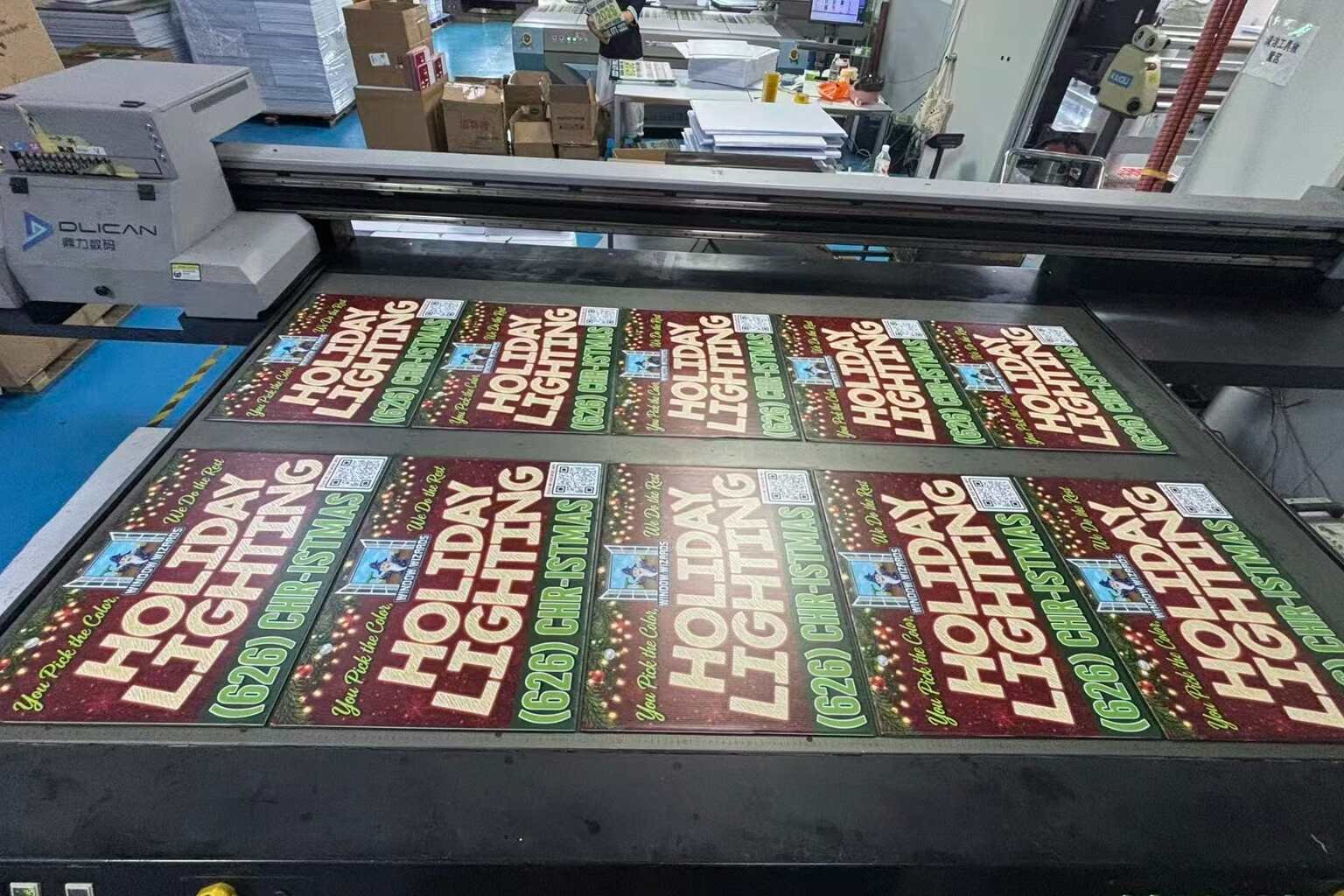
The buyer should verify where the yard signs will be printed, cut, inspected, packed, and stored.
Ask the supplier to identify:
- Main production site
- Additional production sites
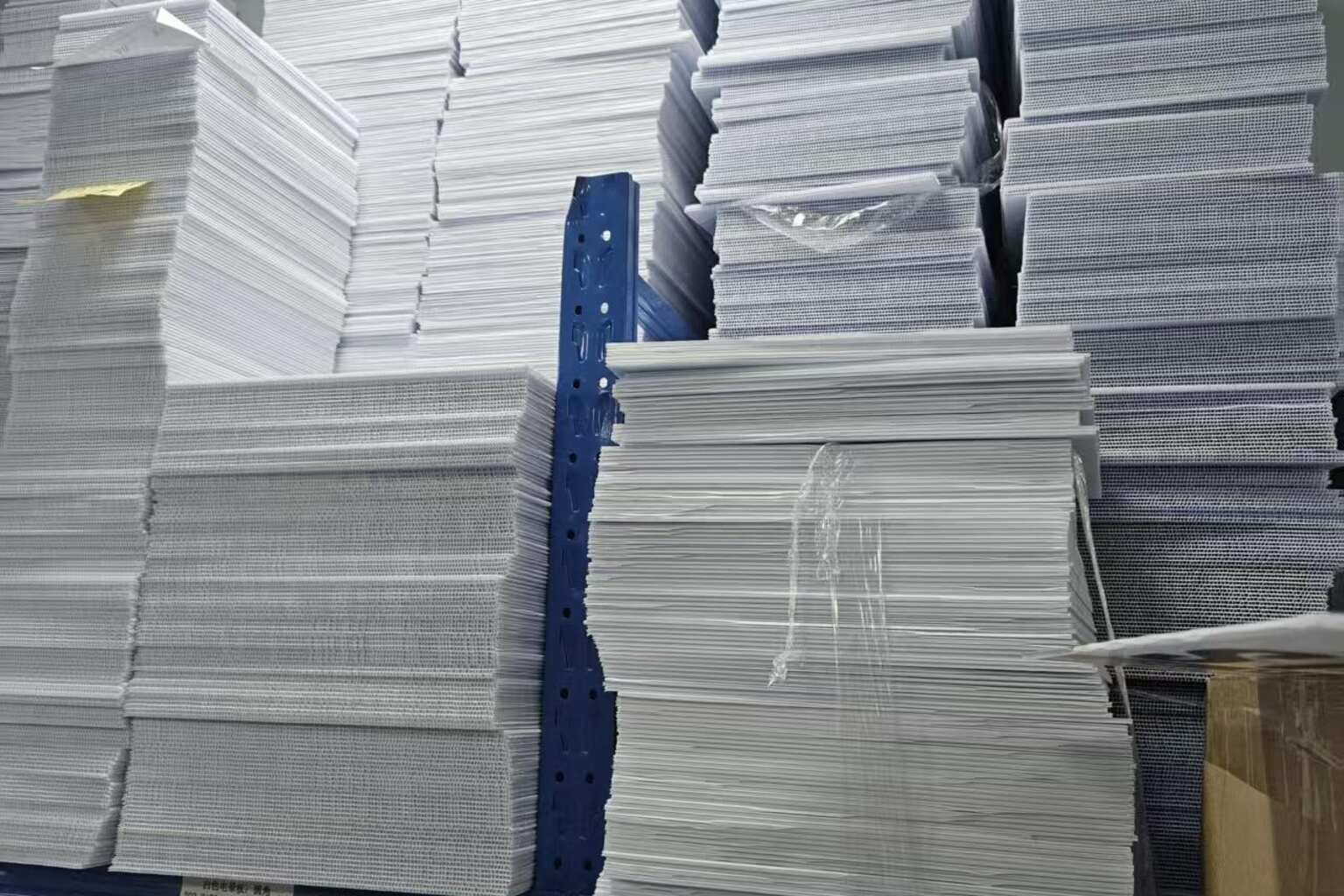
- Raw-material storage location
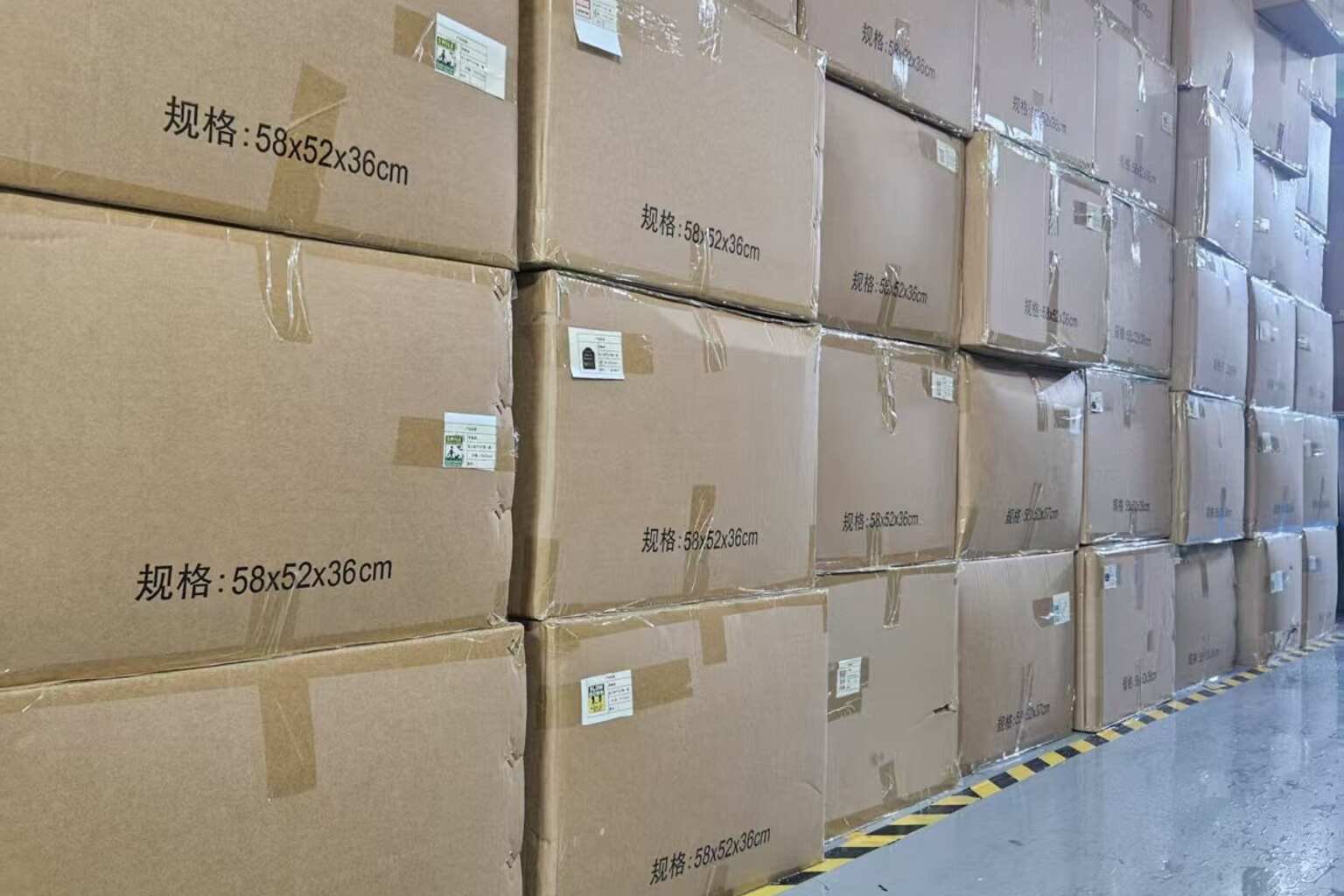
- Finished-goods storage location
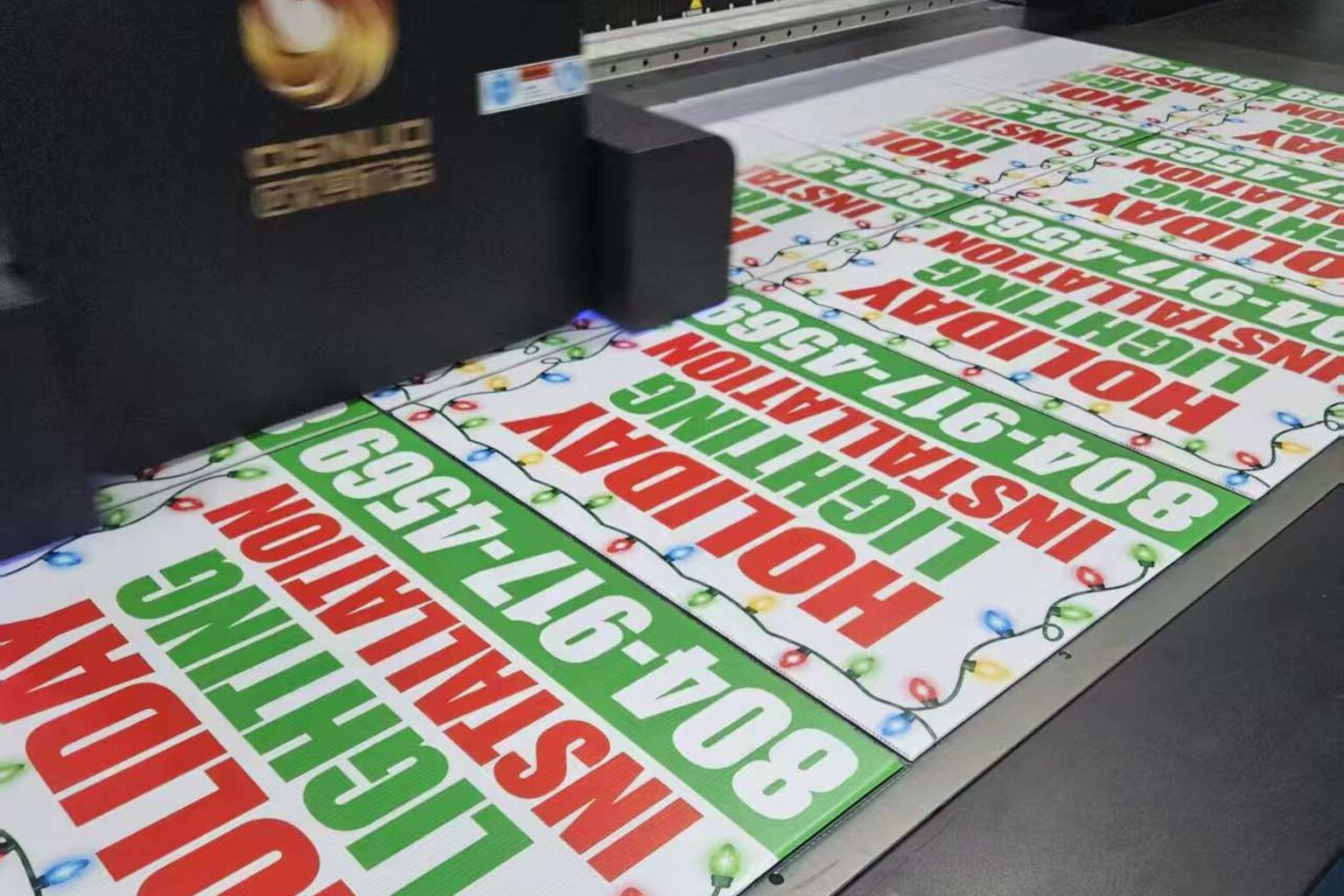
- Printing equipment
- Cutting equipment
- Packing area
- Inspection area
- Subcontracted processes
- Backup production arrangements
A factory tour, live video review, audit, or third-party verification may be appropriate depending on the order risk.
The buyer should understand which processes are performed in-house and which are outsourced. Subcontracting is not automatically a problem, but unapproved or uncontrolled subcontracting can create quality, confidentiality, traceability, and delivery risks.
For additional factory-verification steps, review how to verify a yard sign factory before placing a bulk order.
Review the Production Process
Ask the supplier to explain how an order moves from inquiry to shipment.
The process should cover:
- Quotation review
- Product specification confirmation
- Artwork preflight
- Proof approval
- Material preparation
- Production scheduling
- Printing
- Cutting and finishing
- Stake preparation
- In-process inspection
- Final inspection
- Quantity reconciliation
- Packing
- Labeling
- Shipment release
- Loading and shipping documentation
The process should identify responsible roles and control points.
For example, the person approving artwork should be identifiable, the production team should receive only released files, and the packing team should be able to connect each finished design to the correct quantity and destination.
Evaluate the Quality Management Controls
A supplier does not need to use the buyer’s exact terminology, but it should have repeatable methods for controlling quality.
Review how the supplier manages:
- Incoming materials
- Approved suppliers
- Product specifications
- Artwork revisions
- Pre-production samples
- Production setup
- In-process inspection
- Final inspection
- Measuring equipment
- Calibration or verification
- Nonconforming products
- Rework
- Corrective action
- Customer complaints
- Retention samples
- Quality-record retention
Ask for examples related to yard signs rather than accepting only a general quality manual.
Useful evidence may include:
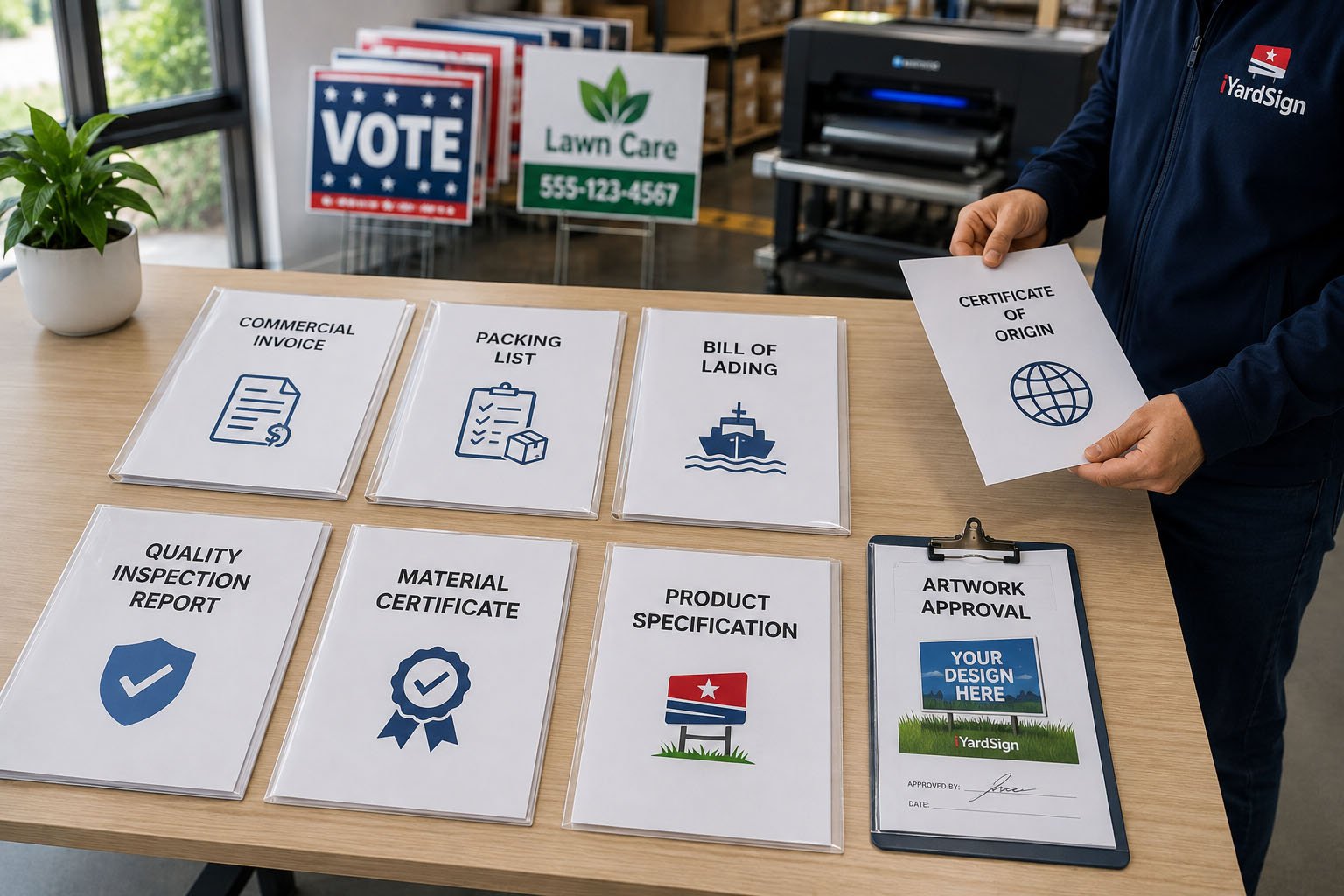
- Completed inspection reports
- Dimension records
- Artwork approval records
- Color-control records
- Stake assembly checks
- Packing inspection records
- Nonconformance reports
- Corrective-action examples
- Traceability records
Approve a Product Specification
Supplier onboarding should result in an approved yard sign specification—not only an approved company.
The product specification should define:
- Finished dimensions
- Corrugated plastic construction
- Nominal thickness
- Flute direction
- Printing method
- Single-sided or double-sided printing
- Color requirements
- Cutting and finishing
- Stake type and dimensions
- Workmanship requirements
- Inspection method
- Defect definitions
- Packing quantities
- Carton specification
- Carton labels
- Pallet requirements
When appropriate, approve a physical sample and identify it with the SKU, revision, approval date, and approver.
A sample should represent the intended production specification. A visually attractive sample is not sufficient if it uses a different material, printing process, or support system from mass production.
Establish Supplier Change-Control Rules
A supplier may perform well during onboarding and later change the material, production site, equipment, subcontractor, or packing method.
The supply agreement should identify changes requiring buyer notification or approval.
Possible controlled changes include:
- Corrugated plastic supplier
- Material grade or formulation
- Material thickness
- Ink system
- Printing process
- Production equipment
- Cutting method
- Stake supplier or specification
- Manufacturing location
- Subcontractor
- Carton construction
- Pallet configuration
- Key quality personnel
The buyer should define whether a change requires notification, documentation review, a new sample, testing, inspection, or full requalification.
Vendor onboarding is incomplete if the supplier can silently change the product or production process after approval.
Validate Production Capacity
A statement such as “we can produce 10,000 signs per day” should be supported by realistic assumptions.
Capacity review should consider:
- Available machine hours
- Number and type of printing machines
- Printing speed
- Artwork changeover time
- Cutting capacity
- Expected production yield
- Maintenance downtime
- Labor availability
- Material availability
- Quality inspection time
- Packing capacity
- Competing production commitments
- Seasonal workload
Ask the supplier to prepare a milestone plan for a representative large order.
The plan should show artwork approval, material readiness, production start, printing completion, inspection, packing, shipment booking, and required departure date.
Procurement principle: Capacity should be evaluated at the required quality level and within the required delivery window. Maximum theoretical machine speed is not the same as reliable order capacity.
Review Material Traceability
The supplier should be able to connect incoming material to production and finished shipments at a level appropriate to the buyer’s risk.
Traceability records may include:
- Material supplier
- Material description
- Purchase order
- Incoming lot or delivery reference
- Receiving date
- Inspection status
- Production job number
- Production date
- Finished SKU
- Artwork revision
- Carton or shipment reference
Traceability helps investigate material variation, print problems, thickness discrepancies, and repeat-order inconsistency.
The buyer should define how long relevant production, inspection, sample, and shipment records must be retained.
Review Compliance and Test Evidence
Compliance requirements depend on the destination, intended application, product claims, customer requirements, and contract.
Do not request every available certificate without determining whether it applies to the actual product.
When evidence is required, review:
- Exact product or material covered
- Manufacturer and production site
- Sample description
- Testing laboratory
- Test method
- Test date
- Test results
- Report number
- Limitations and exclusions
- Certificate or report expiration
A general supplier certificate may demonstrate a capability or management system, but it may not prove that the exact yard sign material ordered meets a specific customer requirement.
Buyers should obtain legal or compliance advice for requirements affecting their destination and intended use.
Protect Artwork and Business Information
A yard sign supplier may receive information that is commercially sensitive before a campaign is launched.
This may include:
- Unreleased artwork
- Campaign dates
- Branch openings
- Local customer lists
- Pricing information
- QR-code destinations
- Distribution quantities
- Retailer routing guides
- Private-label information
Supplier onboarding should define:
- Confidentiality obligations
- Authorized users
- Approved file-transfer methods
- Subcontractor access
- File-storage location
- Artwork-retention period
- Deletion or return procedure
- Overrun and rejected-sign disposal
- Incident-notification requirements
- Restrictions on photography and marketing use
A supplier should not display private-label artwork, samples, or customer information on social media, at trade shows, or in sales materials without written authorization.
Evaluate Logistics Capability
A supplier that produces good signs may still be unsuitable for an enterprise program if it cannot meet the buyer’s logistics requirements.
Review the supplier’s ability to:
- Follow warehouse routing guides
- Pack by SKU or destination
- Apply custom carton labels
- Prepare pallet labels
- Control carton sequence numbers
- Prepare accurate packing lists
- Prepare commercial invoices
- Coordinate with the buyer’s forwarder
- Transmit shipment data when required
- Provide loading photographs
- Track shipments
- Respond to delivery exceptions
- Support shortage and damage investigations
The supplier should identify the primary logistics contact and a backup contact for urgent shipments.
Review Commercial and Service Terms
Commercial onboarding should clarify how the supplier and buyer will operate after the first purchase order.
Confirm:
- Quotation validity
- Currency
- Payment terms
- Minimum order quantities
- Sample charges
- Artwork charges
- Production lead time
- Inspection requirements
- Overrun and underrun policy
- Incoterms rule and named place
- Freight responsibility
- Claims notification process
- Replacement or credit process
- Confidentiality requirements
- Change-notification obligations
- Dispute and governing-law terms
Contractual and legal provisions should be reviewed by qualified advisers for the relevant jurisdictions.
Run a Controlled Pilot Order
A pilot order should test more than the physical sign.
The pilot can evaluate:
- Quotation accuracy
- Response time
- Specification review
- Artwork preflight
- Proof accuracy
- Sample quality
- Production communication
- Inspection reporting
- Quantity control
- Carton labels
- Packing quality
- Shipping documents
- Delivery coordination
- Issue escalation
The pilot should represent the intended program closely enough to reveal operational weaknesses.
A simple order containing one design and one carton may not test a future program containing 50 designs, custom labels, and deliveries to several warehouses.
Use a Supplier Approval Scorecard
A scorecard helps procurement teams make a documented decision.
| Evaluation Area | What to Verify | Possible Decision |
|---|---|---|
| Legal and payment | Entity, address, beneficiary, authorized contacts, and commercial structure. | Approved, conditional, or rejected. |
| Manufacturing | Production site, equipment, capacity, in-house processes, and subcontracting. | Approved product and order-volume scope. |
| Quality | Specifications, inspections, defect control, traceability, and corrective action. | Approved quality plan or corrective actions required. |
| Capacity and continuity | Realistic throughput, material availability, backup plans, and milestone control. | Approved maximum order scope. |
| Compliance and security | Applicable evidence, confidentiality, file access, retention, and incident handling. | Approved markets and data scope. |
| Logistics and service | Packing, labels, documents, shipment data, delivery, and escalation. | Approved delivery model. |
A supplier may receive conditional approval while completing defined corrective actions.
Conditional approval should include:
- Required corrective action
- Responsible owner
- Due date
- Verification method
- Temporary purchase limit
- Restrictions on products or destinations
- Final approval authority
Maintain the Supplier After Approval
Vendor onboarding is not a one-time document exercise.
Review supplier status based on:
- On-time delivery
- Inspection results
- Complaint rate
- Repeated defect types
- Artwork errors
- Quantity discrepancies
- Document accuracy
- Warehouse noncompliance
- Corrective-action effectiveness
- Responsiveness
- Cost changes
- Unapproved process changes
Supplier approval should be refreshed after material changes such as a new production site, ownership change, major quality failure, serious delivery failure, unapproved subcontracting, or expired compliance evidence.
Yard Sign Supplier Onboarding Checklist
| Onboarding Area | Minimum Review | Approval Evidence |
|---|---|---|
| Company | Legal name, registration, address, ownership, and authorized contacts. | Verified company record. |
| Payment | Beneficiary, currency, terms, invoice requirements, and change verification. | Approved vendor payment record. |
| Factory | Site, equipment, capacity, processes, storage, and subcontracting. | Audit, live review, or verified capability file. |
| Product and quality | Specification, sample, inspection, traceability, defects, and change control. | Approved specification and quality plan. |
| Compliance and security | Applicable evidence, confidentiality, access, retention, and incident process. | Reviewed reports and signed requirements. |
| Logistics | Packing, labels, pallets, documents, carrier coordination, and delivery support. | Approved logistics plan or pilot result. |
| Ongoing monitoring | Quality, delivery, service, change, and document performance. | Supplier scorecard and review schedule. |
How iYardSign Supports Enterprise Buyers
iYardSign is a China-based custom yard sign manufacturer supporting distributors, franchise groups, real estate organizations, home service brands, resellers, event companies, and multi-location promotional programs.
Enterprise buyers can discuss:
- Company and factory information
- Production-process review
- Artwork approval workflows
- Product specifications
- Pre-production samples
- Material and printing requirements
- Inspection planning
- Multi-SKU production
- Design-based packing
- Custom carton labels
- Pallet and shipping requirements
- Repeat-order coordination
Clear supplier onboarding helps both the buyer and manufacturer understand the requirements before the first major purchase order is released.
First-time importers can also review the first-time overseas yard sign buying checklist.
For clearer production communication, review how to communicate yard sign requirements to a China manufacturer.
Frequently Asked Questions
What documents should a buyer request from a yard sign supplier?
The required documents depend on risk, but commonly include company registration, factory information, bank details, product specifications, inspection records, applicable test evidence, commercial terms, logistics information, and confidentiality requirements.
Is a factory audit always required?
No. The level of verification should match the order risk. High-value, private-label, deadline-critical, regulated, or long-term programs may justify a formal factory audit or stronger third-party verification.
Can a trading company be approved as a yard sign supplier?
Yes, if the commercial role, manufacturing location, quality controls, traceability, subcontracting, payment structure, and responsibility for defects are transparent and acceptable to the buyer.
How can a buyer verify production capacity?
Review equipment, available machine hours, expected yield, changeover time, labor, material availability, maintenance, inspection time, packing capacity, competing orders, and a realistic production schedule.
Should the supplier notify the buyer before changing materials?
For an approved product, the supply agreement should identify which material, process, site, equipment, subcontractor, and packaging changes require notification or written approval.
How often should supplier onboarding information be reviewed?
Review frequency should be based on risk. Update the file after expired evidence, ownership or site changes, major quality failures, delivery failures, unapproved changes, or significant changes to the purchasing program.
Evaluating a Supplier for a Bulk Yard Sign Program?
Send the product specification, artwork requirements, expected quantities, quality requirements, packing instructions, warehouse routing guide, destination, and delivery schedule.
iYardSign can help organize the product specification, sample process, artwork approvals, quality checkpoints, packing requirements, and bulk-order workflow for your supplier review.