4mm vs 5mm Coroplast Yard Signs: Which Should Bulk Buyers Choose?

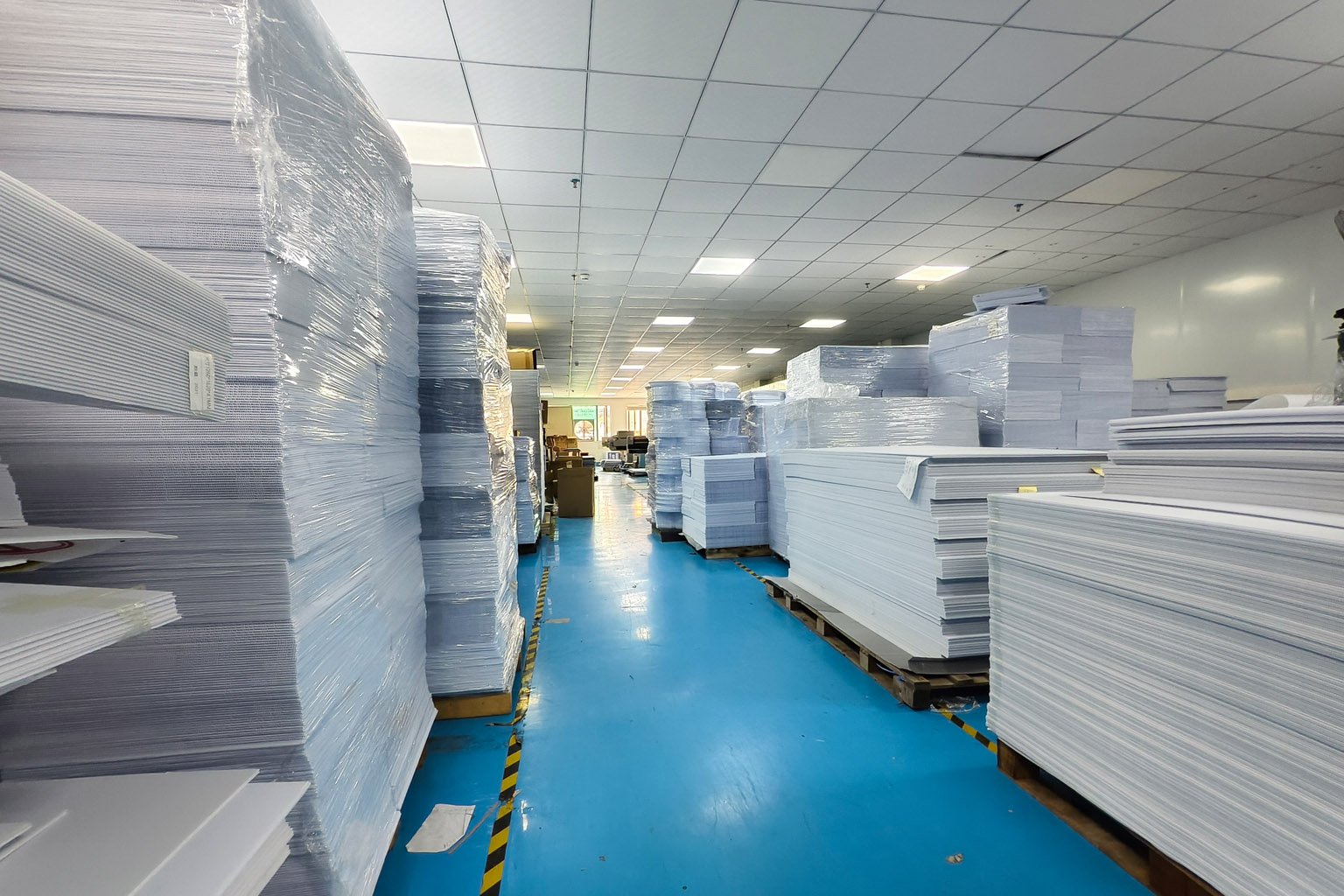
iYardSign manufactures custom corrugated plastic yard signs for bulk orders, including standard sizes, custom dimensions, full-color printing, H-stakes, packaging, and overseas delivery coordination.
Quick Answer: Should You Choose 4mm or 5mm Coroplast?
Choose 4mm coroplast for standard-sized, temporary outdoor yard signs when lightweight handling, common H-stake compatibility, efficient packaging, and competitive cost are priorities.
Consider 5mm coroplast when the finished sign is larger, additional stiffness is helpful, or the project has a specific construction requirement that has been tested with the selected hardware.
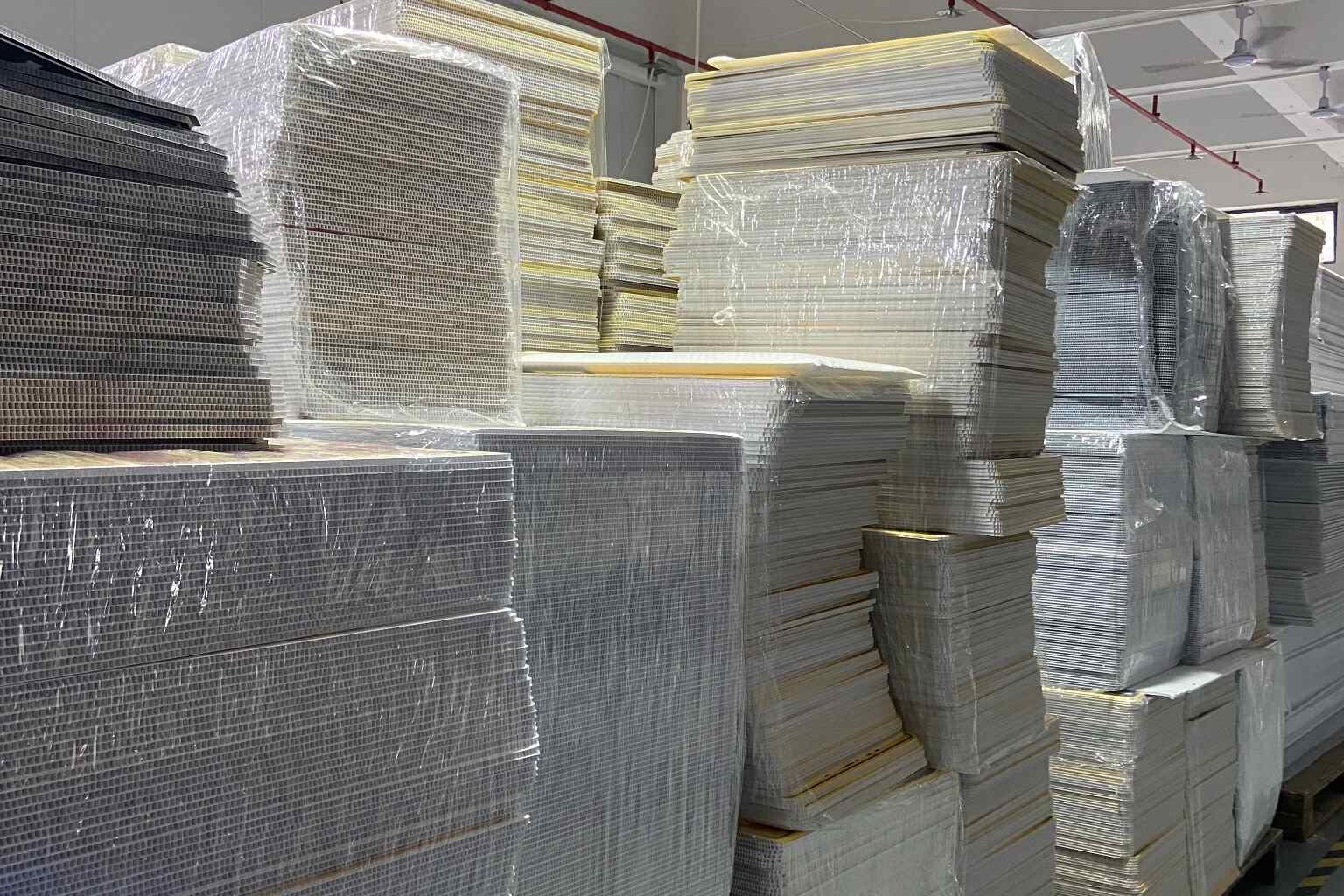
Always review an actual sample because sheets with the same stated thickness can differ in weight, stiffness, flute structure, and overall quality.
What Are 4mm Coroplast Yard Signs?
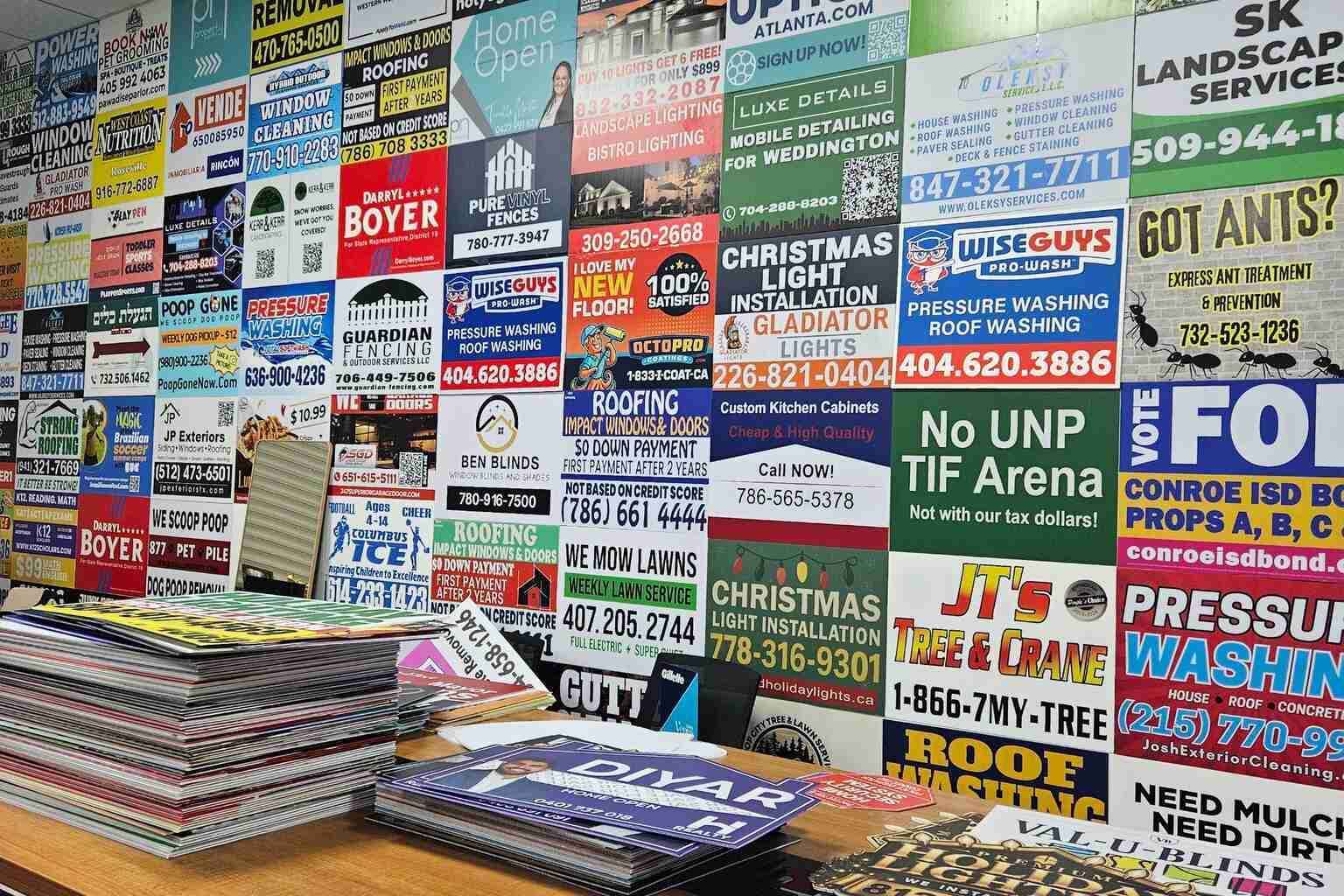
4mm coroplast yard signs are made from corrugated plastic sheets with a nominal thickness of approximately four millimeters. This specification is commonly used for business advertising, real estate signs, event directions, campaigns, cleaning services, lawn care promotions, and other temporary outdoor displays.
Common benefits include:
- Practical balance between stiffness and weight
- Compatibility with many standard wire H-stakes
- Efficient bulk printing and cutting
- Relatively easy handling and installation
- Suitable for single-sided or double-sided printing
- More efficient packaging than many heavier sign materials
- Competitive cost for high-volume orders
However, not every sheet described as 4mm has identical strength or weight. Buyers should request the complete specification rather than relying on thickness alone.
What Are 5mm Coroplast Yard Signs?
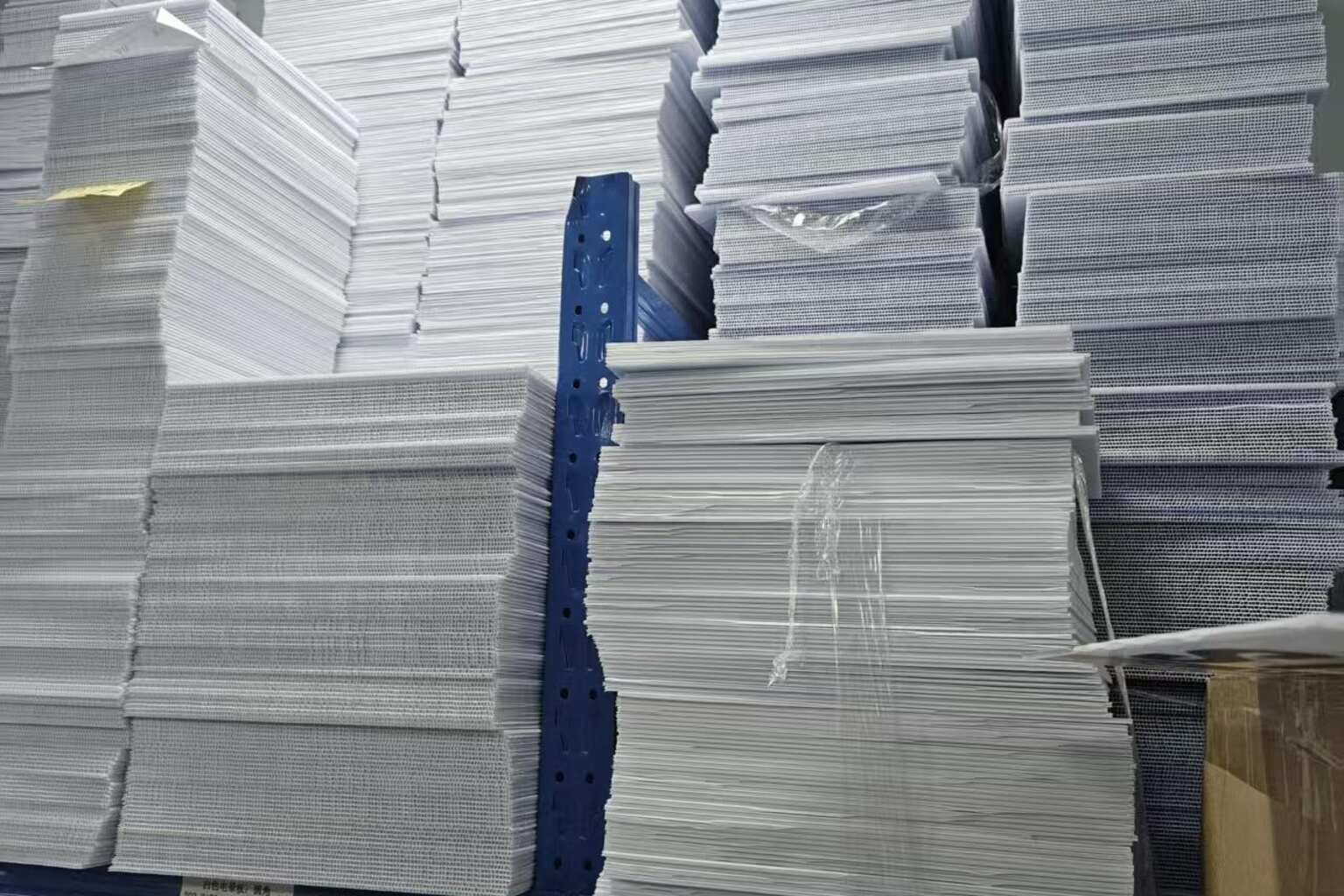
5mm coroplast signs use a nominally thicker corrugated plastic construction. Depending on how the sheet is manufactured, it may provide additional stiffness compared with a lighter 4mm sheet.
A buyer may consider 5mm material when:
- The sign is larger than a standard yard sign
- Additional panel stiffness is desired
- The product specification specifically requires 5mm material
- The signs use a compatible frame or support system
- A finished sample has demonstrated better performance
- The additional material and shipping cost are justified
Because 5mm sheets and their flute dimensions can vary, hardware compatibility should be confirmed before production.
4mm vs 5mm Coroplast: Side-by-Side Comparison
| Buying factor | 4mm coroplast | 5mm coroplast |
|---|---|---|
| Common application | Standard yard signs and temporary outdoor promotions | Projects requesting additional thickness or stiffness |
| Weight | Generally lighter when other specifications are comparable | May be heavier depending on sheet construction |
| Stiffness | Practical for many standard-sized signs | May provide additional stiffness, depending on construction |
| H-stake compatibility | Compatible with many common yard sign stakes | Must be tested against the selected stake |
| Packaging | Can allow more signs per carton | May reduce the number packed per carton |
| Shipping | Generally more efficient for large-volume orders | May increase weight or shipment volume |
| Material cost | Usually more economical when specifications are comparable | May carry a higher material cost |
Thickness Is Not the Same as Sheet Quality
One of the most common purchasing mistakes is assuming that all 4mm sheets are identical and all 5mm sheets are automatically stronger.
Corrugated plastic performance can also depend on:
- Sheet weight per unit area
- Material density
- Flute spacing
- Internal rib construction
- Surface flatness
- Consistency between production batches
- Resistance to crushing
- Quality of the plastic resin
A well-constructed 4mm sheet may perform better than a lightweight 5mm sheet. For this reason, buyers should compare samples and written specifications instead of comparing only nominal thickness.
Read the complete guide explaining how coroplast thickness affects yard sign durability and cost.
Which Thickness Is Better for 18×24 Yard Signs?
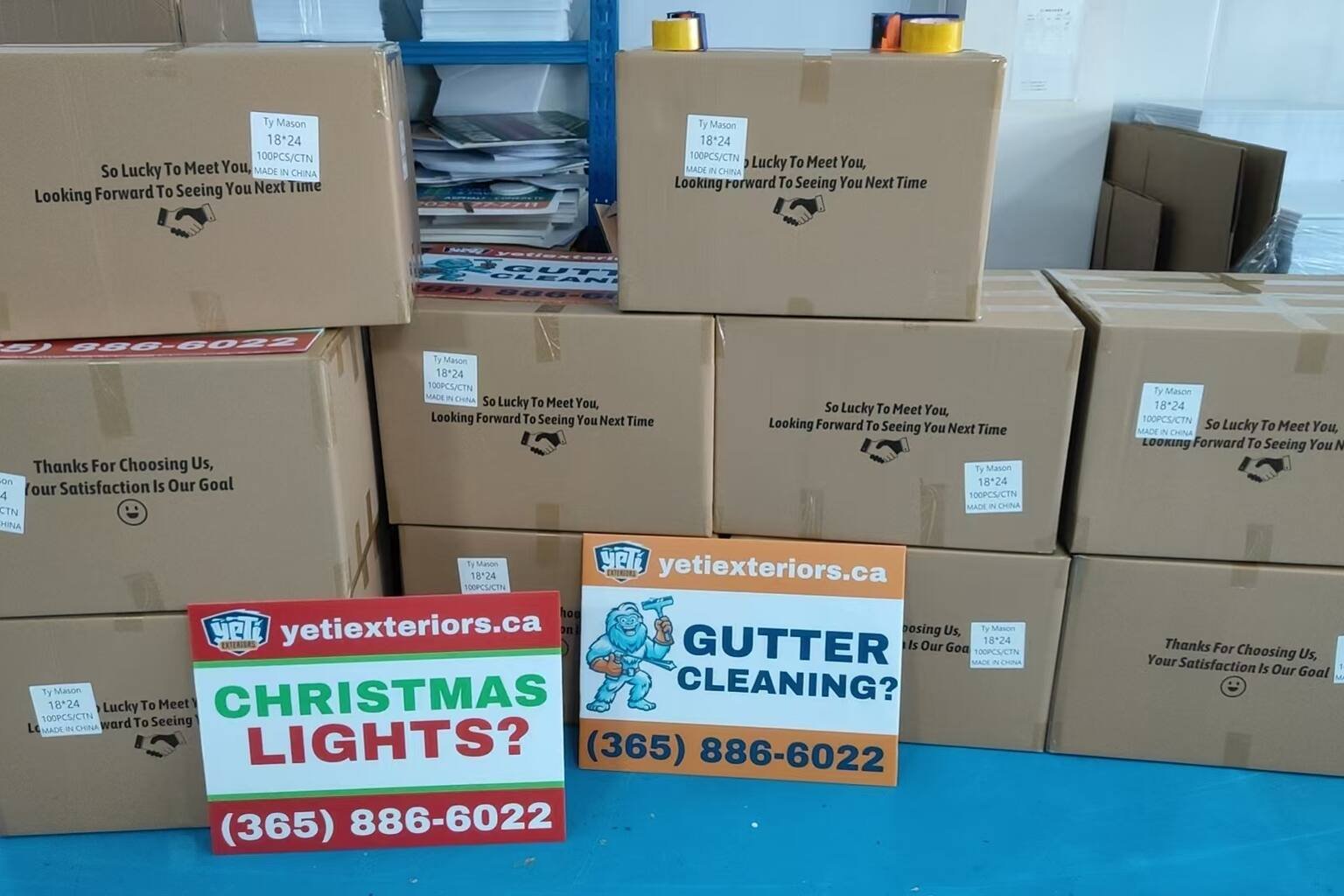
For many standard 18×24-inch yard sign applications, 4mm corrugated plastic provides a practical balance of visibility, stiffness, weight, hardware compatibility, packaging, and cost.
Common applications include:
- Real estate signs
- Cleaning service signs
- Landscaping signs
- Roofing and contractor signs
- Open house signs
- Event directional signs
- Campaign signs
- Graduation signs
- Local business promotions
A 5mm sheet may be considered if the buyer requires a particular material specification or has tested it successfully for the intended installation.
For a complete standard-size buying guide, see 18×24 corrugated plastic yard signs with H-stakes.
Which Thickness Is Better for Large Signs?
As sign dimensions increase, the panel has more unsupported surface area and catches more wind. A thicker or heavier sheet may provide additional stiffness, but it is not the only possible solution.
Large signs may also require:
- More than one stake
- A stronger metal frame
- Reduced installation height
- A more protected location
- Additional mounting points
- A different sign material
Simply increasing sheet thickness without reviewing the support system may not solve the installation problem.
How Thickness Affects H-Stake Installation
H-stakes are inserted into the internal flutes of corrugated plastic signs. The stake must match the flute structure and sign orientation.
Before approving 4mm or 5mm material, check:
- Whether the flutes run vertically
- Whether the stake wires fit the internal channels
- Whether the sign can be installed without crushing the flutes
- Whether the stake supports the finished sign size
- Whether the sign remains reasonably straight
- Whether one or two stakes are required
A standard stake that works with one 4mm sheet may not work correctly with every 5mm sheet. The material and hardware should be tested together.
Review this yard sign H-stake compatibility checklist before placing a bulk order.
Does 5mm Coroplast Last Longer Outdoors?
Not necessarily. Outdoor life is influenced by more than sheet thickness.
Relevant factors include:
- Sunlight exposure
- Wind conditions
- Temperature
- Sign dimensions
- Stake strength
- Installation depth
- Ground conditions
- Printing and ink system
- Repeated handling
- Storage between uses
A properly installed 4mm sign in a protected location may perform better than a poorly supported 5mm sign in an exposed area.
Printing on 4mm and 5mm Coroplast
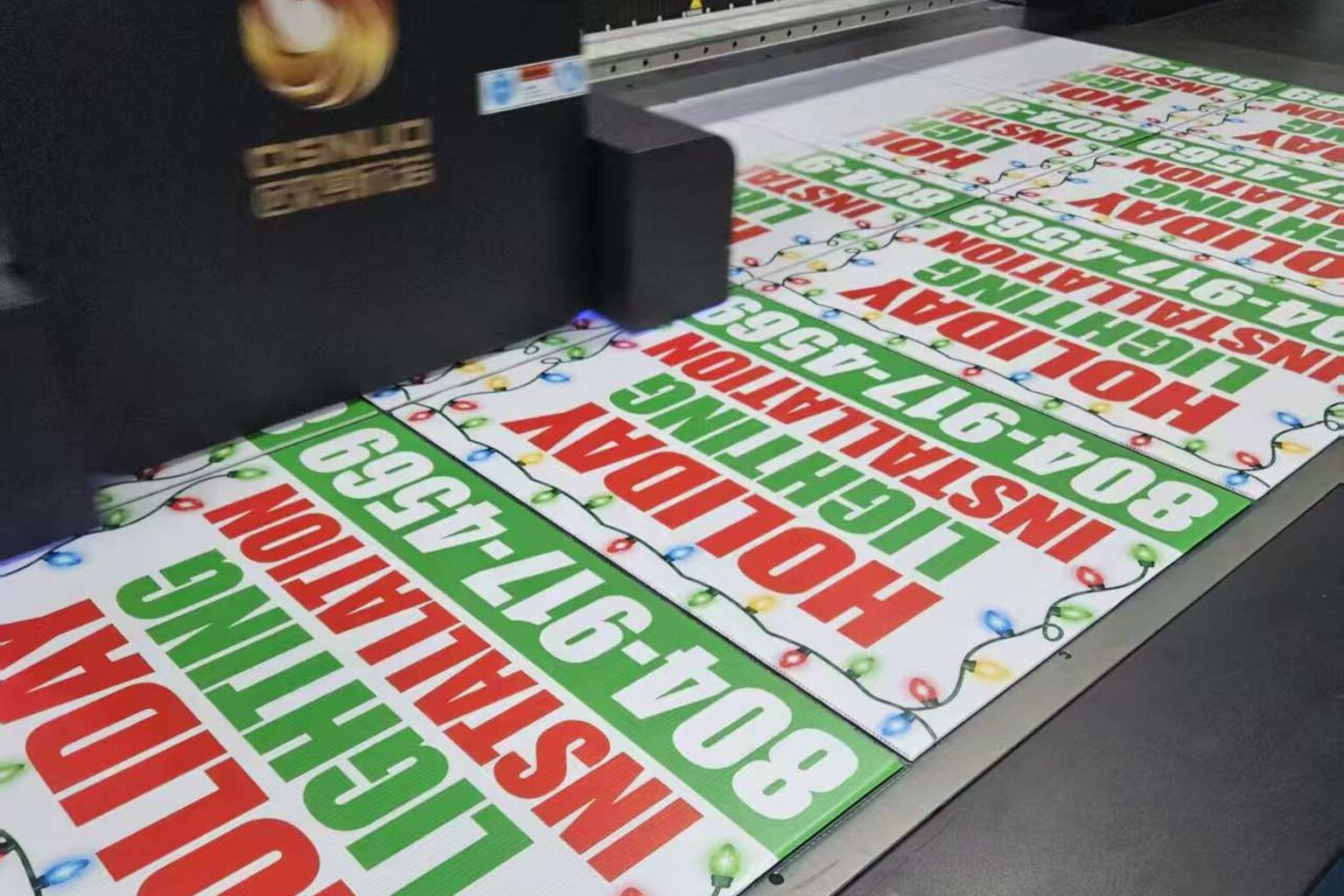
Both material thicknesses may be suitable for custom printing when the sheet surface is compatible with the selected printing process.
Full-color UV printing can support:
- Company logos
- Photographs
- Gradients
- QR codes
- Phone numbers
- Detailed graphics
- Single-sided or double-sided designs
Print quality depends more directly on surface quality, material consistency, artwork resolution, color management, and printing equipment than on the difference between 4mm and 5mm alone.
How Thickness Affects Packaging
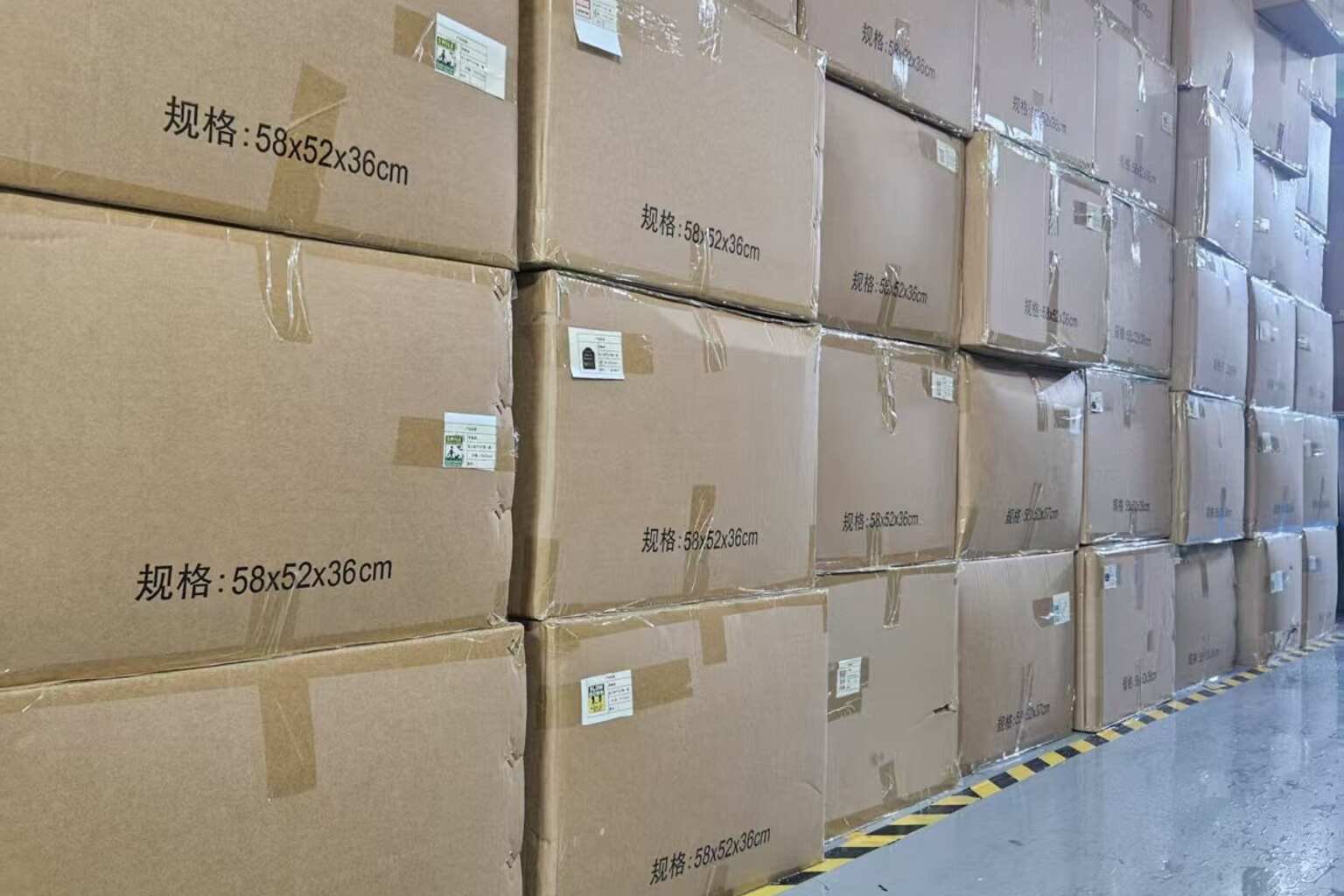
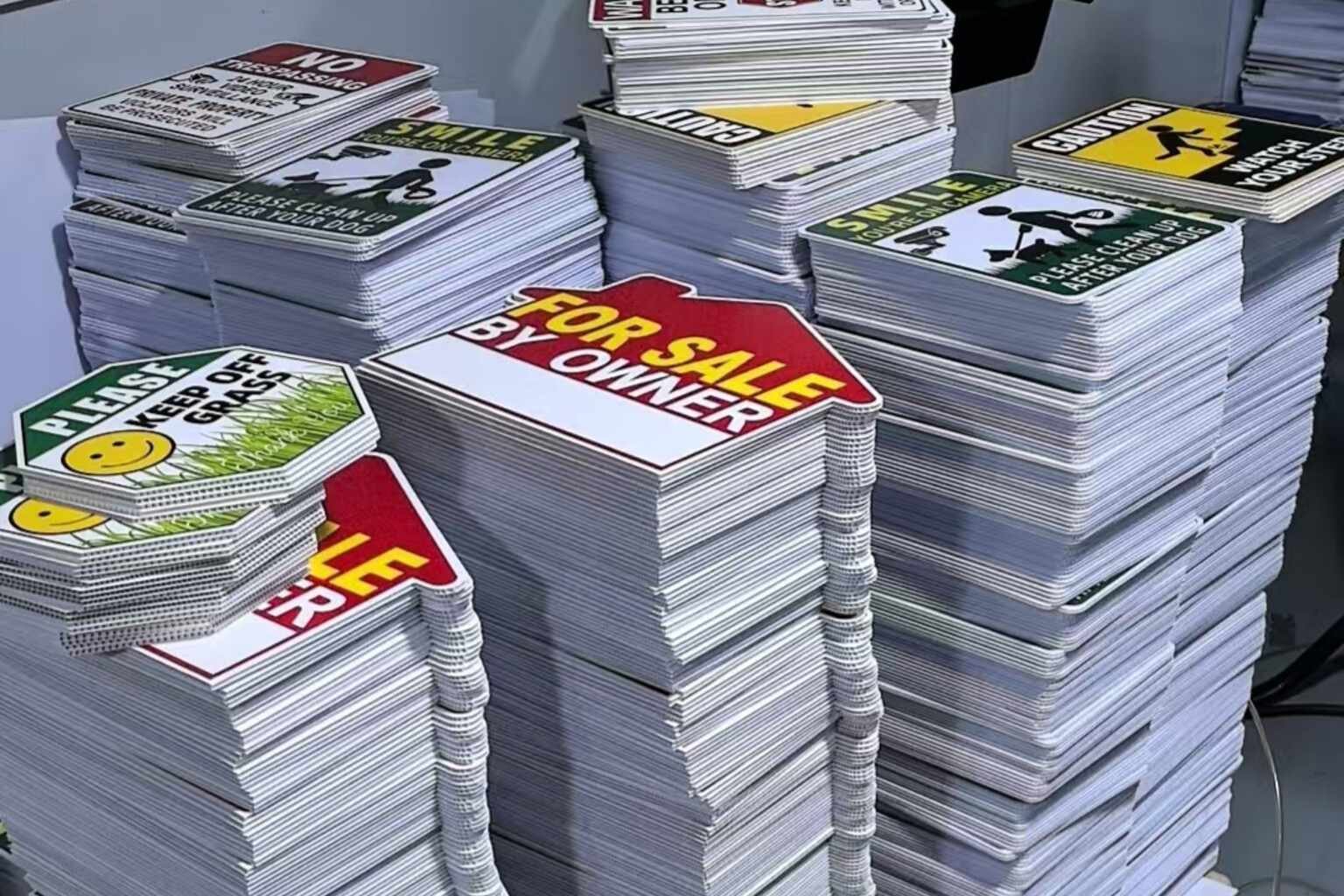
If all other dimensions remain equal, thicker sheets may reduce the number of signs that fit inside each carton. This can increase carton count and shipment volume on large orders.
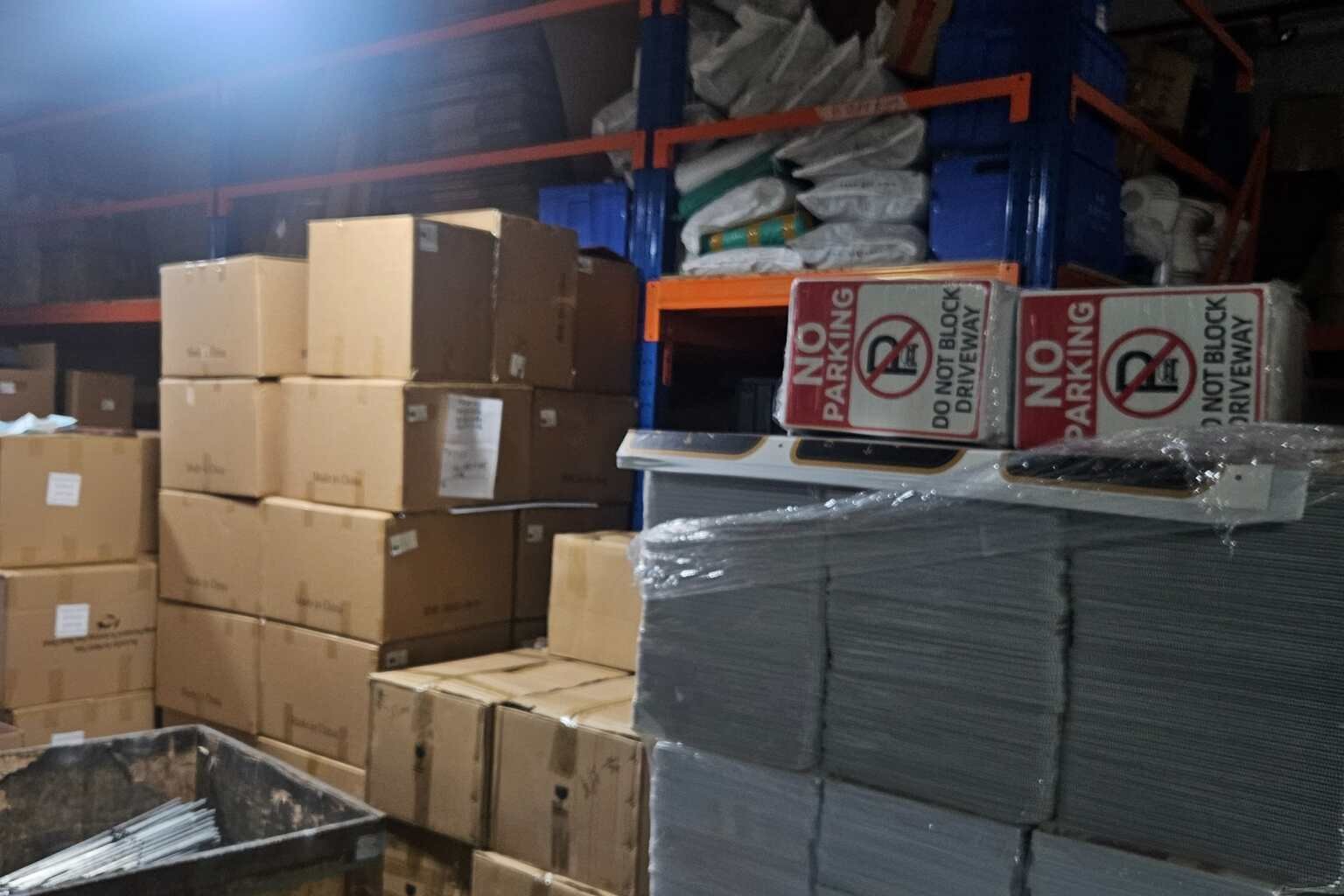
Packaging should also protect:
- Printed surfaces from scratching
- Edges and corners from crushing
- Flutes from compression
- Signs from contact with metal stakes
- Multiple designs from being mixed
Metal H-stakes should be packed so that their ends cannot puncture or scratch the printed signs.
See how to prevent damage and missing stakes in wholesale yard sign shipments.
How Thickness Affects Shipping Cost
International freight can be calculated using actual weight, volumetric weight, shipment dimensions, or a combination of these factors.
A change from 4mm to 5mm may affect:
- Weight per sign
- Number of signs per carton
- Total number of cartons
- Carton dimensions
- Pallet requirements
- Air or sea freight cost
- Final delivery handling
For a large order, even a small weight increase per sign can become significant when multiplied across hundreds or thousands of pieces.
How Thickness Affects Total Order Cost
The thicker material may have a higher raw material cost, but buyers should compare the complete delivered order rather than only the sign price.
Total cost may include:
- Material
- Printing
- Artwork preparation
- Cutting
- H-stakes or frames
- Packaging
- Quality inspection
- International freight
- Customs-related costs
- Final delivery
A more expensive material is worthwhile only when it provides a relevant benefit for the application.
When 4mm Coroplast Is Usually Practical
- Standard 18×24-inch yard signs
- Temporary outdoor advertising
- Local business promotions
- Real estate and open house signs
- Events and directional signs
- Campaign and fundraiser signs
- Projects using common H-stakes
- Large orders where shipping efficiency matters
When 5mm Coroplast May Be Considered
- The purchasing specification requires 5mm material
- The sign is larger than a common yard sign
- Additional stiffness has been verified through testing
- The selected hardware is compatible
- The project can accept additional weight and cost
- A physical sample has been approved
Why Buyers Should Approve a Physical Sample
A physical sample allows the buyer to compare more than a specification written on a quotation.
Use the sample to check:
- Actual material thickness
- Sheet weight and stiffness
- Surface quality
- Print appearance
- Cutting accuracy
- Flute direction
- H-stake fit
- Finished sign dimensions
Follow the custom yard sign sample approval process before starting mass production.
Questions to Ask Your Manufacturer
- What sheet specification is included in the quote?
- Is the thickness nominal or measured?
- What is the sheet weight or relevant material specification?
- How does the 4mm option compare with the 5mm option?
- Which option is suitable for the finished sign size?
- Are the flutes compatible with the selected H-stake?
- Can you provide a finished sample?
- How many signs will be packed in each carton?
- How will changing the thickness affect shipping cost?
- Would another material be more appropriate for the application?
4mm vs 5mm Buyer Checklist
- □ Finished sign size confirmed
- □ Expected use period confirmed
- □ Installation environment reviewed
- □ Complete sheet specification obtained
- □ Material weight and stiffness compared
- □ Flute direction confirmed
- □ H-stake compatibility tested
- □ Printing sides confirmed
- □ Physical sample reviewed
- □ Packaging method confirmed
- □ Carton count and weight estimated
- □ Delivered cost compared
Frequently Asked Questions
Is 4mm coroplast thick enough for yard signs?
For many standard 18×24-inch temporary yard sign applications, 4mm corrugated plastic is a practical and widely used option. Installation, sheet construction, sign size, and weather exposure must still be considered.
Is 5mm coroplast stronger than 4mm?
It may provide additional stiffness when other construction factors are comparable. However, nominal thickness alone does not determine strength. Sheet weight, flute construction, material quality, and sign dimensions also matter.
Can standard H-stakes fit 5mm coroplast?
Compatibility should be tested. Flute dimensions and wire spacing vary, so buyers should approve the actual material and stake combination before production.
Does 5mm coroplast cost more to ship?
It may increase actual weight, carton count, or shipment volume. The effect depends on the sheet construction, sign size, quantity, packaging, and shipping method.
Which thickness is best for bulk yard signs?
The best option balances stiffness, sign size, hardware, installation, printing, packaging, freight, and cost. Standard 4mm material is suitable for many common applications, while 5mm should be selected when it provides a verified project benefit.
Can iYardSign recommend a coroplast specification?
Yes. iYardSign can review the sign size, quantity, printing, installation method, H-stakes, packaging, destination, and expected use before recommending a production option.
Choose the Right Coroplast Specification
The best material is not automatically the thickest. Buyers should select a specification that provides suitable stiffness, printing, hardware compatibility, packaging efficiency, and delivered cost.
Explore iYardSign’s custom yard sign manufacturing services for material selection, full-color printing, custom sizes, H-stakes, packaging, and international delivery support.
Contact iYardSign for a coroplast sample and bulk yard sign quote.