How Coroplast Thickness Affects Yard Sign Durability and Cost

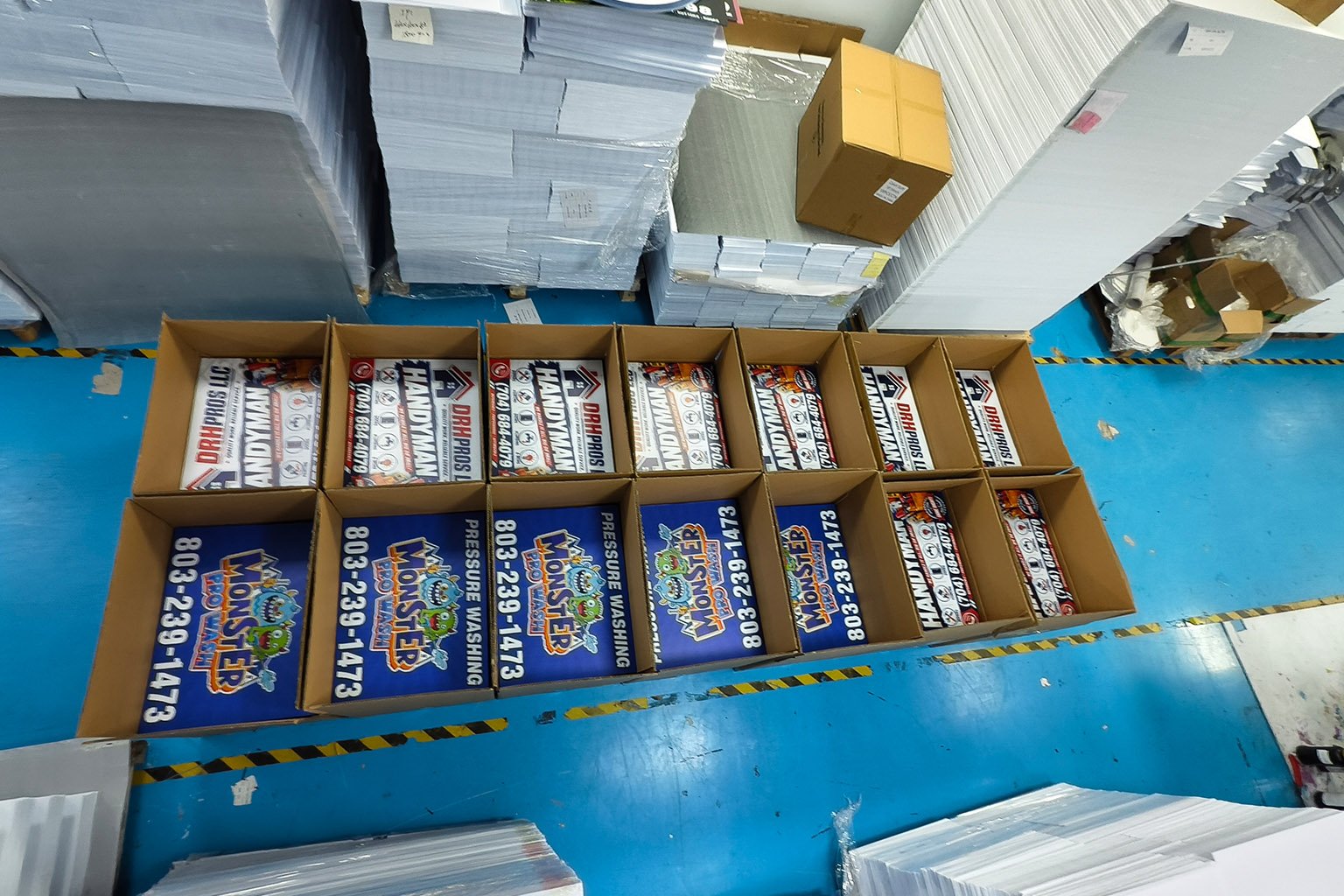
For most bulk buyers, the goal should not be to order the thickest available sheet. The goal is to select a material specification that fits the sign size, installation method, expected use period, weather exposure, shipping plan, and budget.
iYardSign produces custom corrugated plastic yard signs for business advertising, real estate, events, campaigns, distributors, and other overseas bulk orders.
Quick Answer: What Thickness Is Best for Yard Signs?
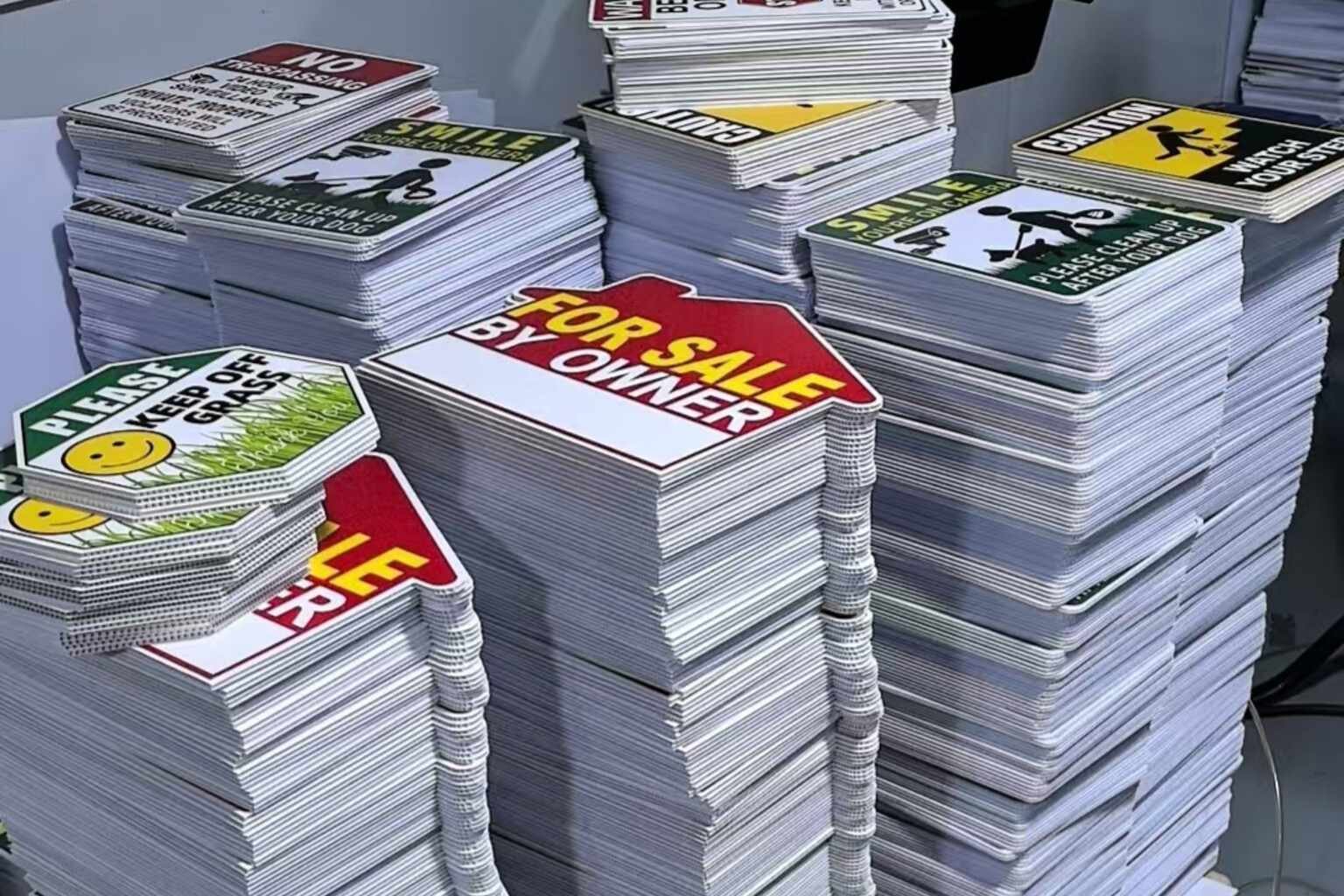
Around 4mm corrugated plastic is widely used for standard yard signs because it offers a practical balance of weight, stiffness, printability, H-stake compatibility, and cost.
However, the best specification depends on the finished size, installation method, wind exposure, duration of use, stake design, packaging, and transportation requirements.
Buyers should confirm the complete sheet specification and request a sample when material performance is important.
What Is Coroplast?
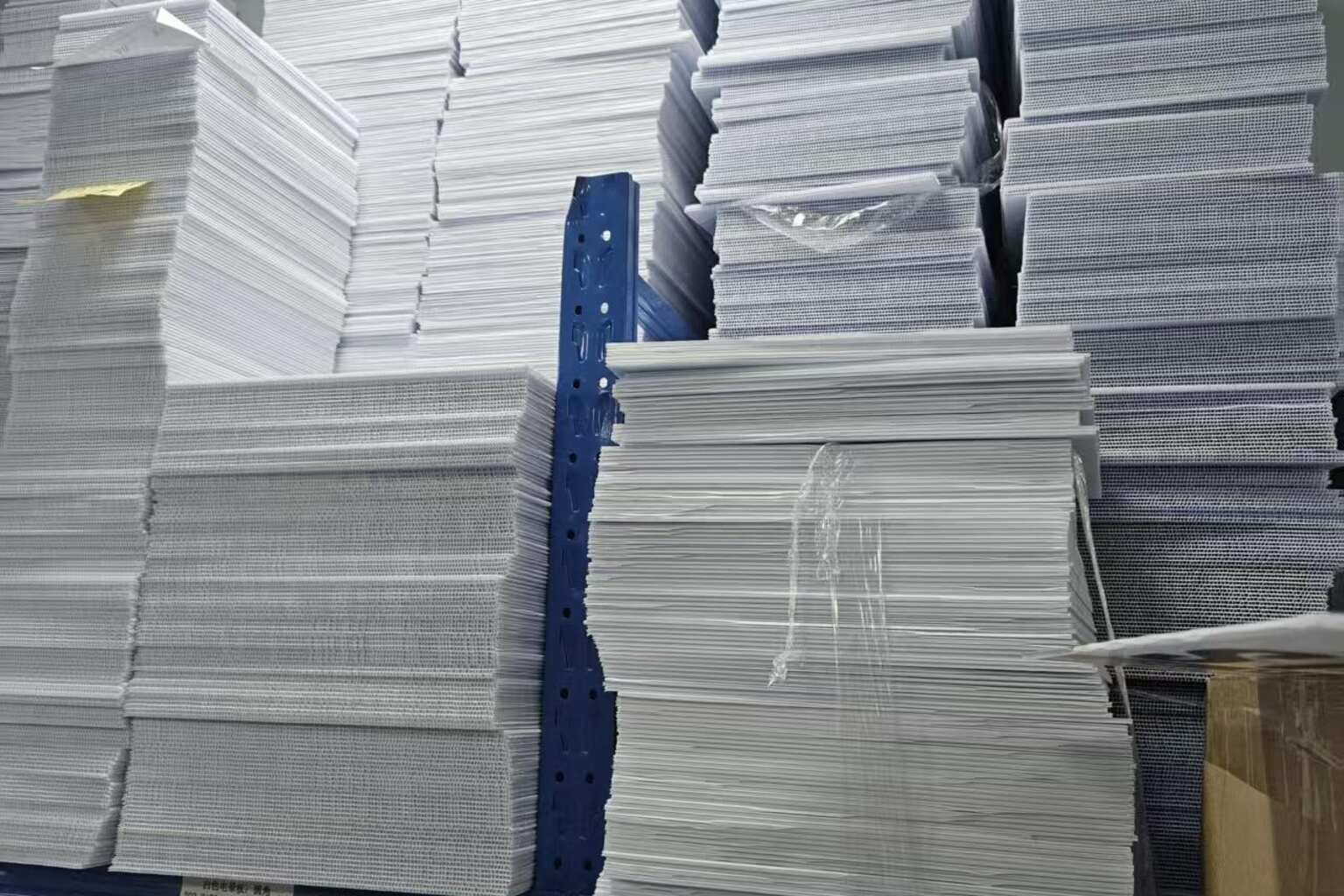
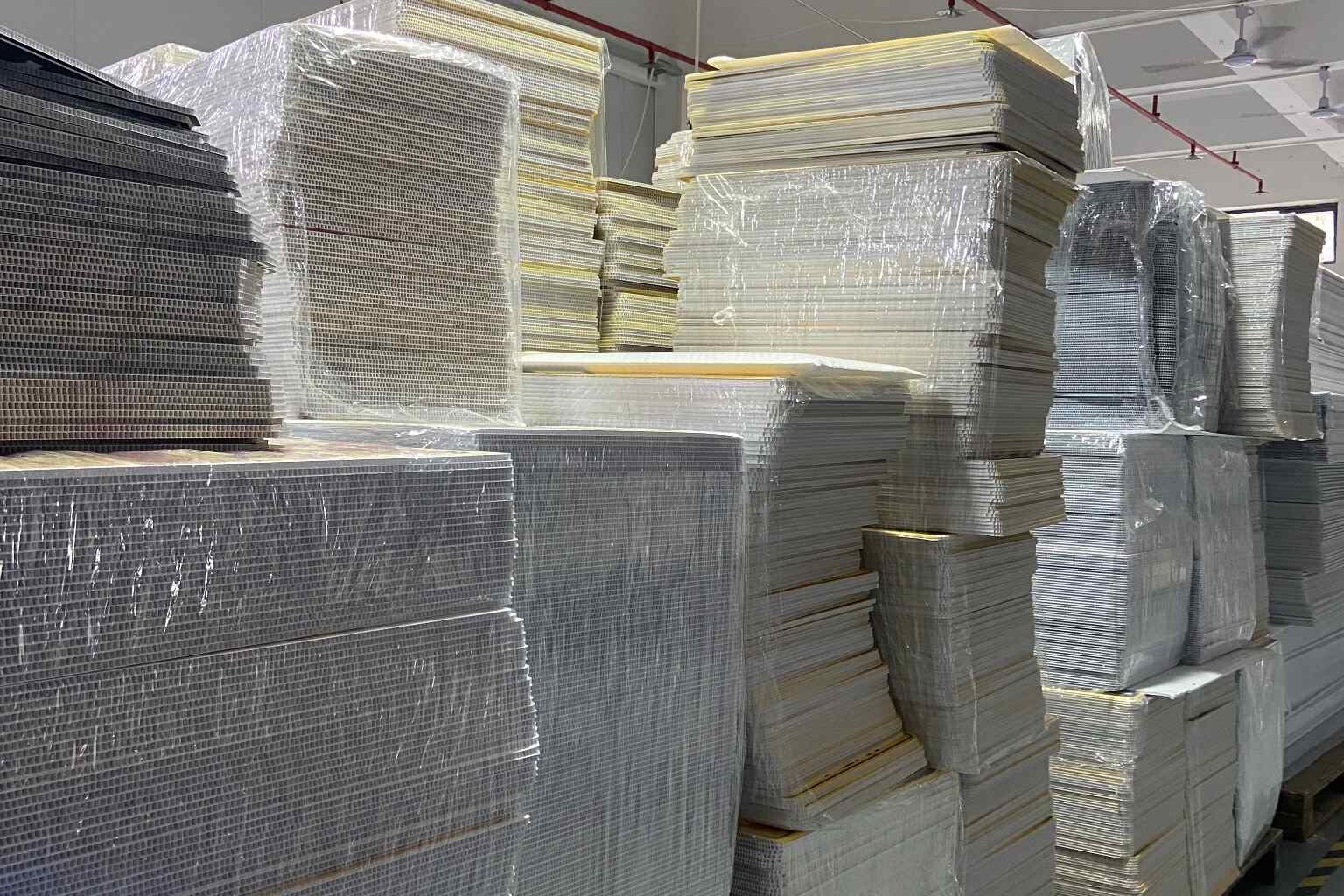
Coroplast is a commonly used market name for corrugated plastic sheet. The material generally consists of two flat plastic surfaces connected by internal ribs or channels called flutes.
Corrugated plastic is popular for yard signs because it is:
- Lightweight
- Water-resistant
- Suitable for direct printing
- Easy to cut into standard or custom shapes
- Compatible with wire H-stakes
- Practical for bulk production
- Relatively economical to pack and ship
For a broader overview of material selection, read the custom coroplast yard sign material guide for bulk buyers.
What Does Coroplast Thickness Mean?
Coroplast thickness refers to the approximate distance between the two outer surfaces of the corrugated plastic sheet. Common sign specifications may be described in millimeters, but nominal thickness should not be treated as the only quality measurement.
A buyer comparing two sheets should also consider:
- Sheet weight
- Material density
- Flute spacing and construction
- Surface flatness
- Stiffness
- Resistance to crushing
- Consistency between sheets
- Compatibility with printing and hardware
Important: A thicker sheet is not automatically a stronger or better sheet. Material construction and total sheet specification matter alongside nominal thickness.
How Thickness Affects Yard Sign Stiffness
Thickness can influence how easily a sign bends during handling and installation. A thicker or more substantial sheet may feel more rigid, particularly across larger sign areas.
However, stiffness also depends on:
- The direction of the internal flutes
- Overall sheet weight
- Width and spacing of internal ribs
- Sign dimensions
- Temperature
- Number and placement of stakes
- How deeply the stake is installed
A small sign may perform well with a standard specification, while a larger sign using the same sheet may bend more easily because of its greater surface area.
Does Greater Thickness Always Improve Durability?
No. Thickness is only one part of durability.
Outdoor yard sign performance can also be affected by:
- Wind speed and exposure
- Sunlight
- Temperature changes
- Repeated installation and removal
- Ground conditions
- Stake strength
- Sign size
- Printing and ink system
- Storage conditions
- Physical impact or vandalism
A thicker sign installed on an unsuitable stake in an exposed location may perform worse than a properly specified standard sign installed in a protected area.
How Thickness Affects H-Stake Compatibility
Wire H-stakes are commonly inserted into the vertical flutes of corrugated plastic signs. Compatibility depends on both the sheet and the stake.
Before ordering, buyers should confirm:
- Flute direction
- Internal channel dimensions
- Stake wire spacing
- Stake wire thickness
- Sign orientation
- Number of stakes required per sign
- Installation height
A thicker sheet may use different flute dimensions, so the buyer should not assume that every H-stake works with every sheet.
For hardware details, see what overseas buyers should confirm when ordering yard signs with H-stakes.
Why Flute Direction Matters
For standard H-stake installation, the flutes normally need to run vertically from the top to the bottom of the sign. This allows the upper wires of the stake to enter through the bottom edge.
If the flutes run horizontally:
- The H-stake may not enter the sign
- The installer may damage the sheet
- The printed sign may require different hardware
- The complete order may be difficult to use as intended
Flute direction should be stated in the written order specification and checked during sample approval.
How Sign Size Changes the Material Requirement
The same material can behave differently at different finished sizes. As the sign becomes larger, its surface catches more wind and has a greater unsupported area.
| Sign format | Material consideration | Installation consideration |
|---|---|---|
| Small directional sign | Standard lightweight material may be sufficient | Confirm visibility and mounting method |
| Standard 18×24 yard sign | Common corrugated plastic specifications are usually practical | Confirm vertical flutes and H-stake fit |
| Larger yard sign | Additional stiffness or support may be needed | Wind exposure and number of supports become more important |
| Custom shape sign | Narrow sections can affect strength even when the sheet is thicker | Stake position and shape balance should be tested |
The material should therefore be selected after the final dimensions and shape are confirmed.
How Thickness Affects Printing
Thickness does not directly determine whether an attractive image can be printed, but the overall sheet quality affects the printing surface.
Relevant factors include:
- Surface flatness
- Surface treatment
- Sheet color
- Opacity
- Consistency across the sheet
- Compatibility with the printing equipment
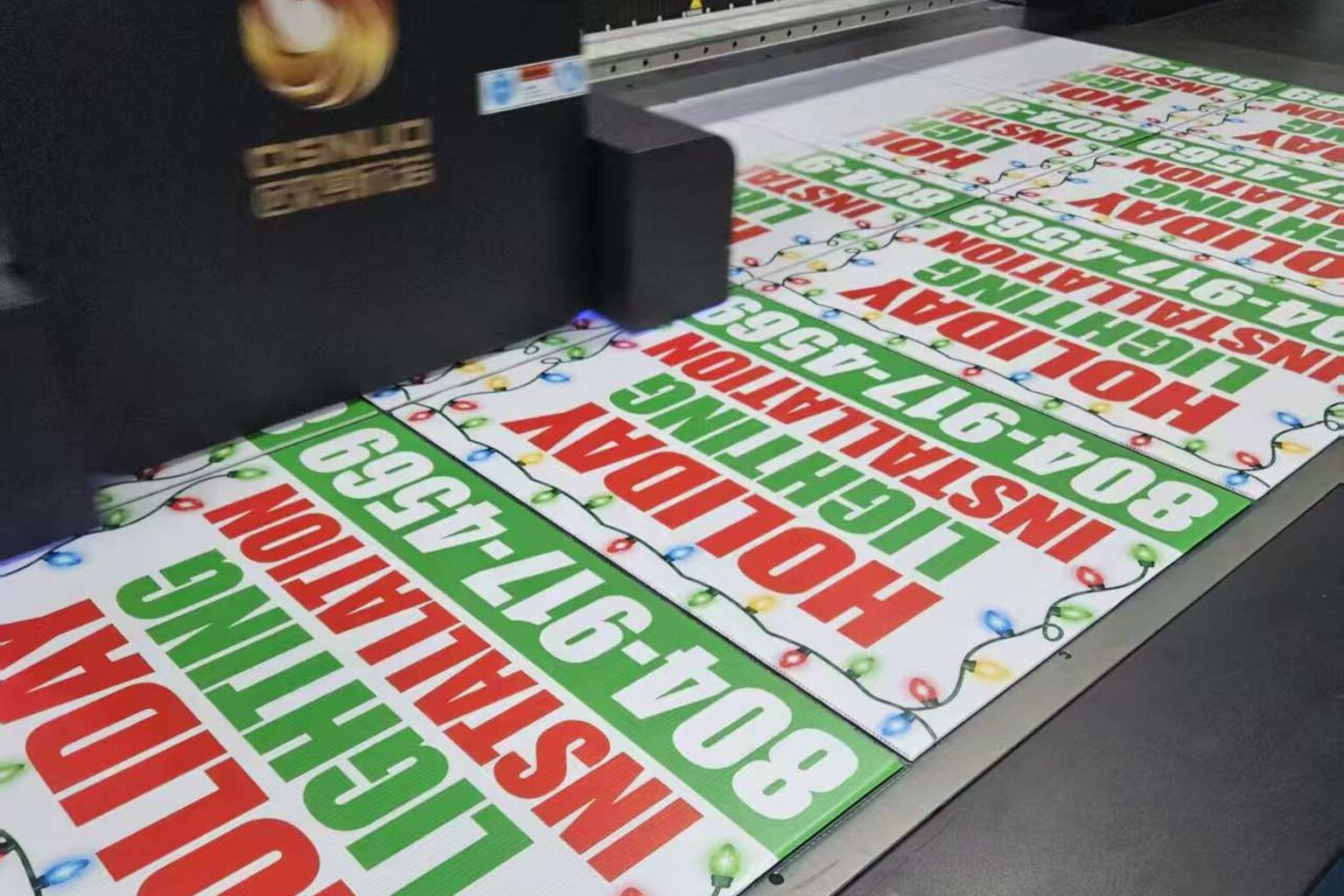
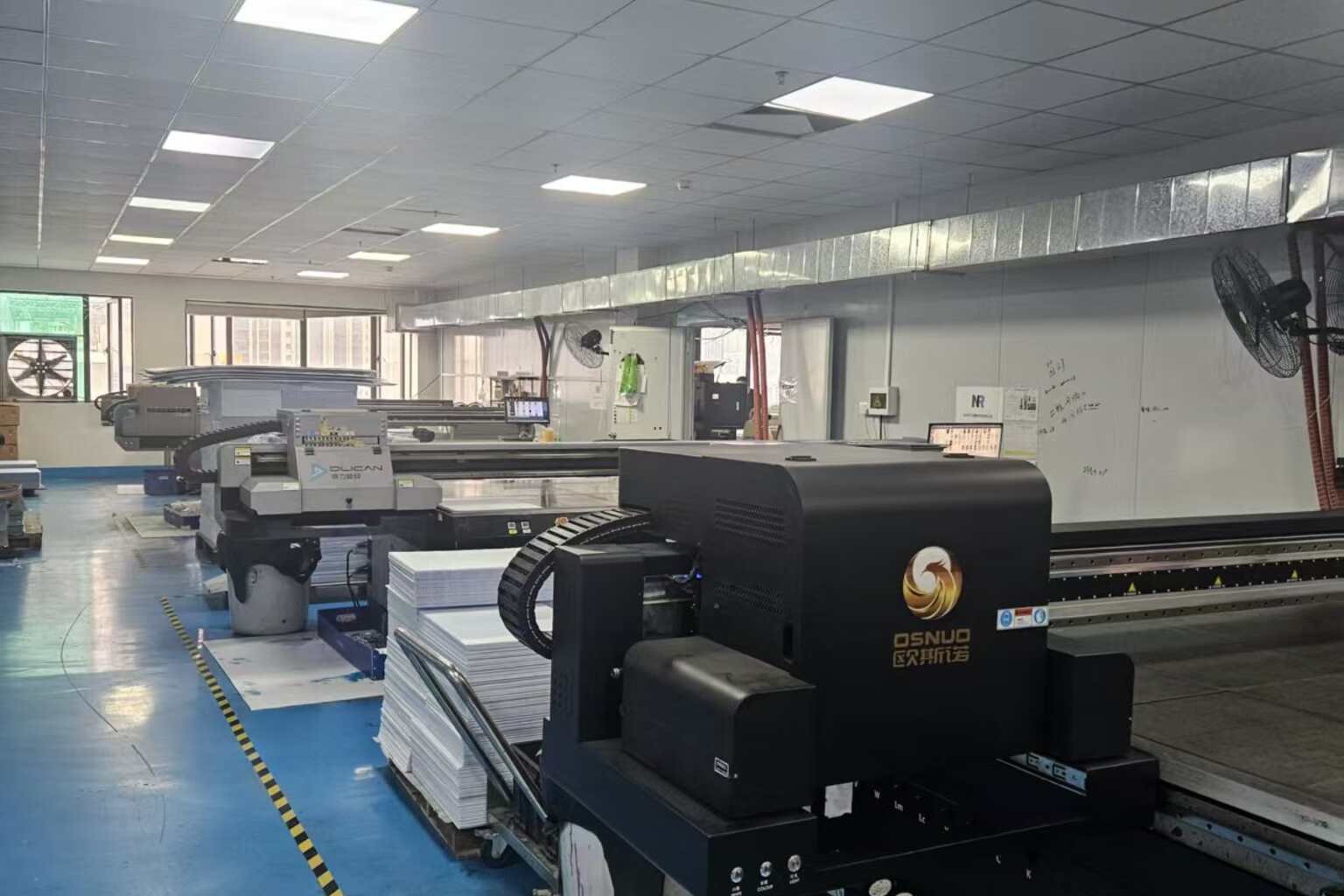
Full-color UV printing can reproduce logos, photographs, gradients, detailed graphics, and QR codes on suitable corrugated plastic sheets.
Buyers comparing printing options can review UV printing versus screen printing for bulk coroplast yard signs.
How Coroplast Thickness Affects Cost
Thicker or heavier material generally requires more raw material, but the material price is only one part of the total yard sign cost.
The complete order cost may include:
- Corrugated plastic sheets
- Printing
- Artwork preparation
- Cutting and finishing
- H-stakes or frames
- Quality inspection
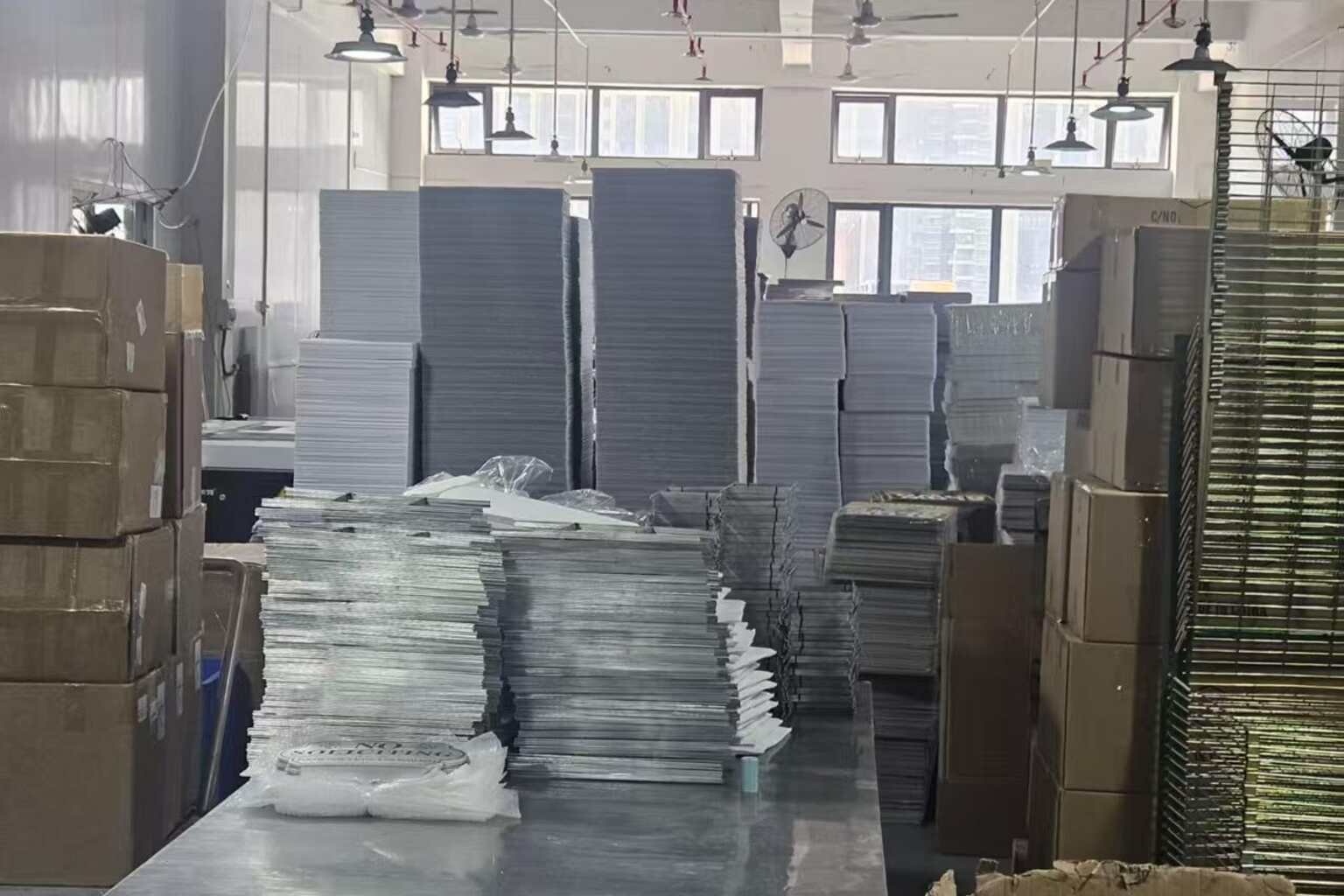
- Packaging
- International freight
- Customs and final delivery
Choosing a thicker material can increase both product cost and shipment weight. The effect is more noticeable on large-volume orders.
How Thickness Affects Shipping Cost
Bulk yard sign freight can be affected by both actual weight and shipment volume. A thicker material may:
- Increase the weight of each sign
- Reduce the number of signs packed in one carton
- Increase carton dimensions
- Increase pallet or shipment volume
- Change handling requirements
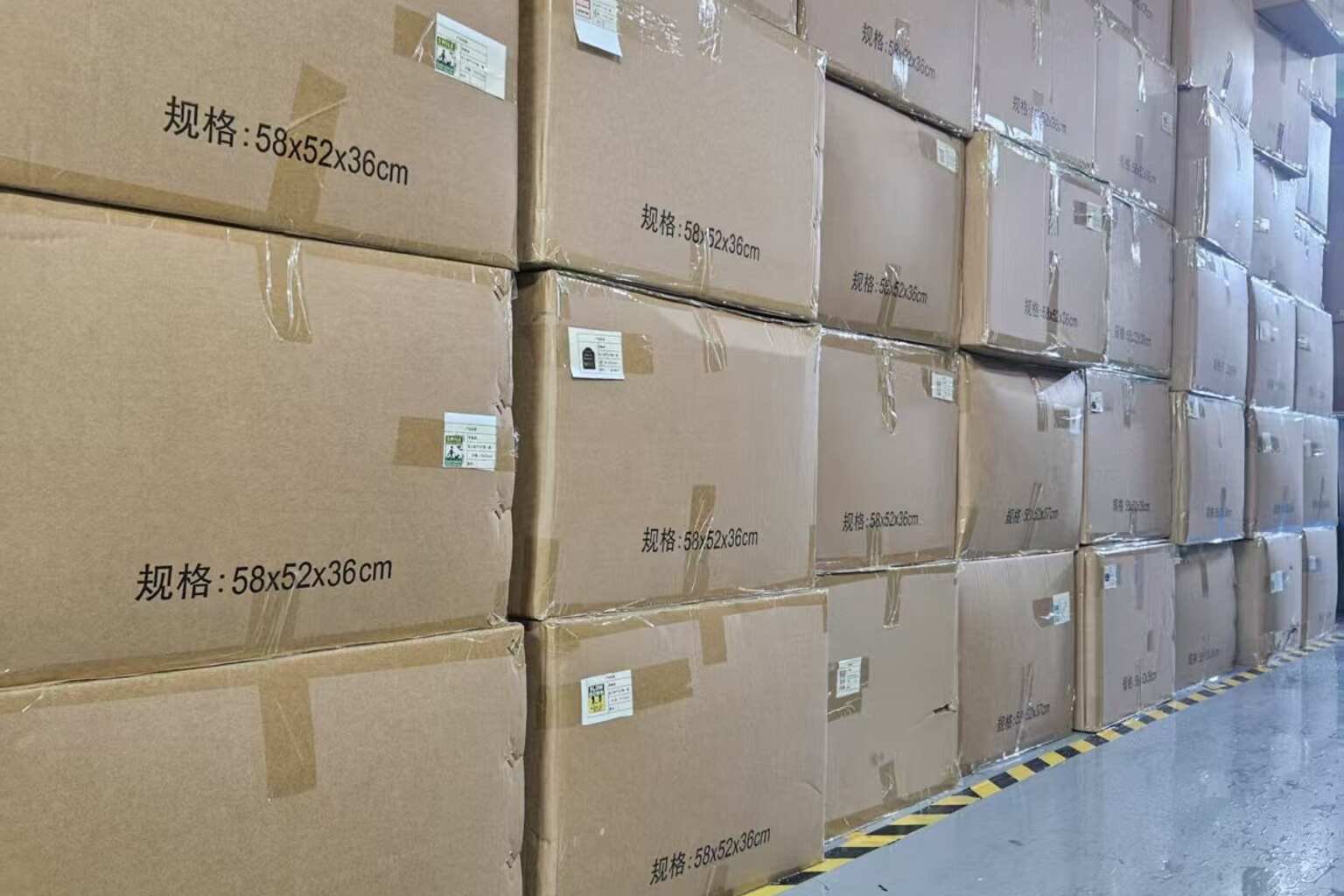
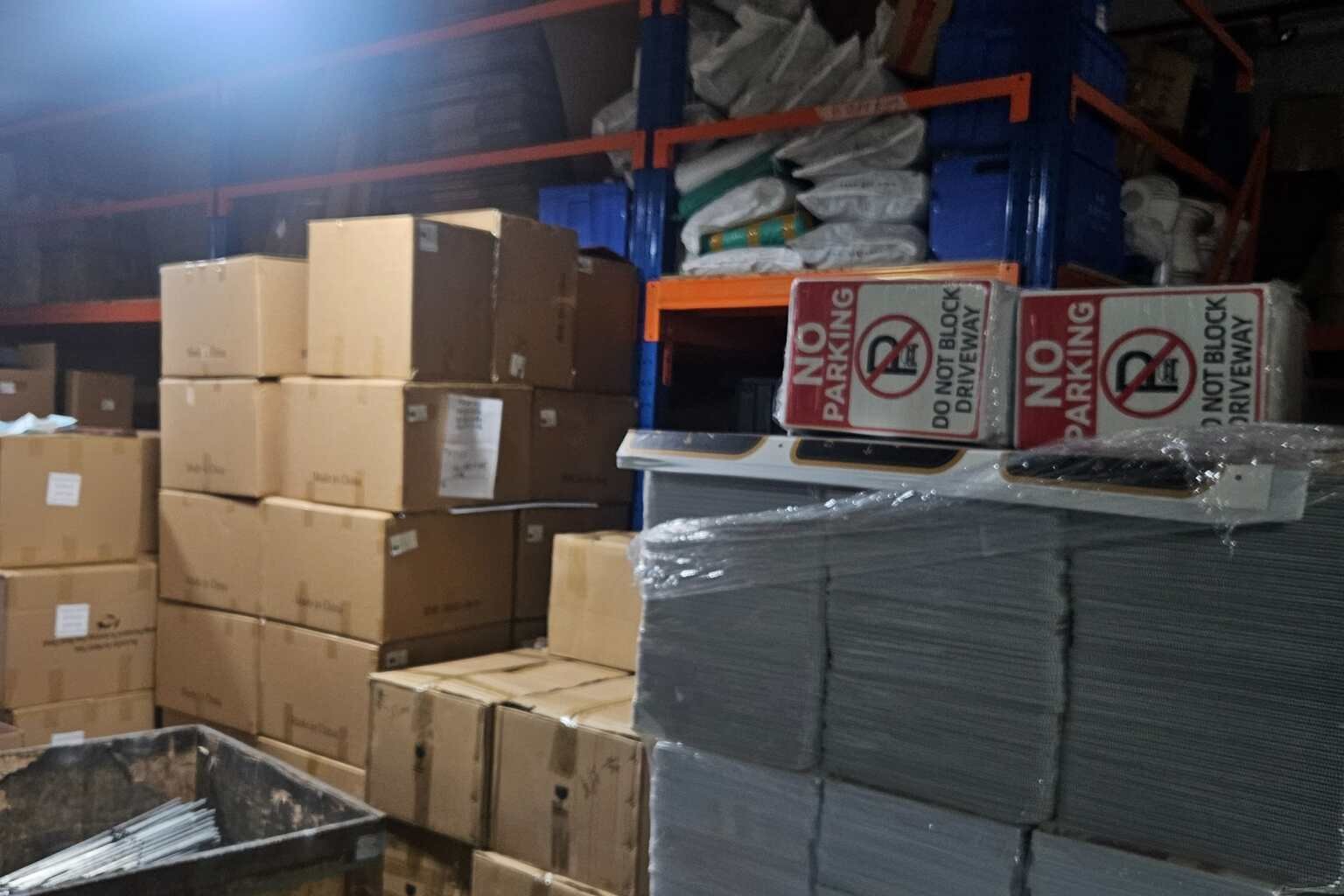
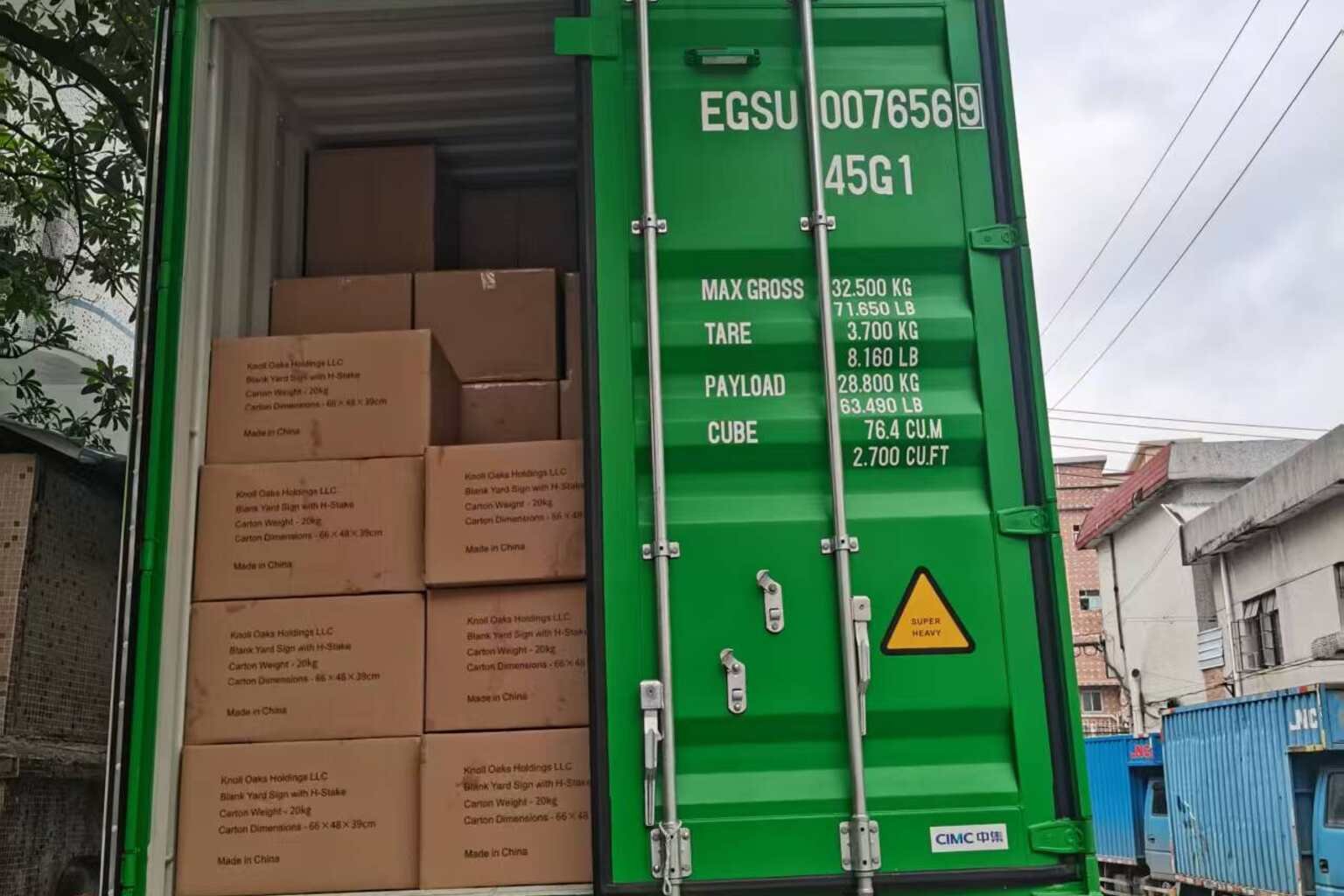
Metal H-stakes can add substantial weight as the order quantity increases. Buyers should request the estimated carton count, carton dimensions, gross weight, and shipping method before approving production.
How Thickness Affects Packaging
Thicker material is not immune to packaging damage. Corners can still be crushed, surfaces can be scratched, and flutes can be damaged by poorly packed metal stakes.
Packaging should account for:
- Quantity per carton
- Sign dimensions
- Total carton weight
- Protection between signs and metal hardware
- Edge and corner protection
- Multiple-design sorting
- Carton labeling
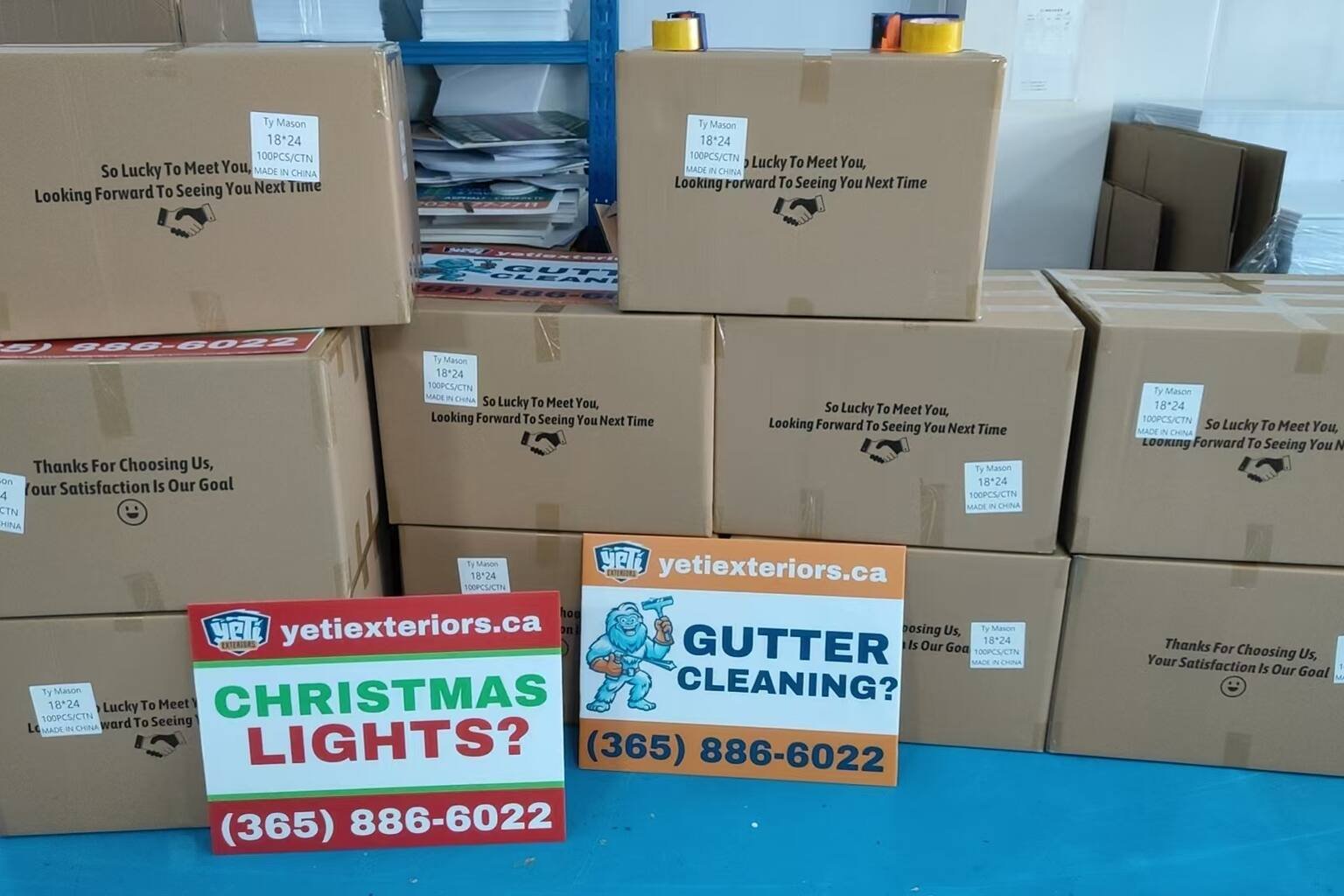
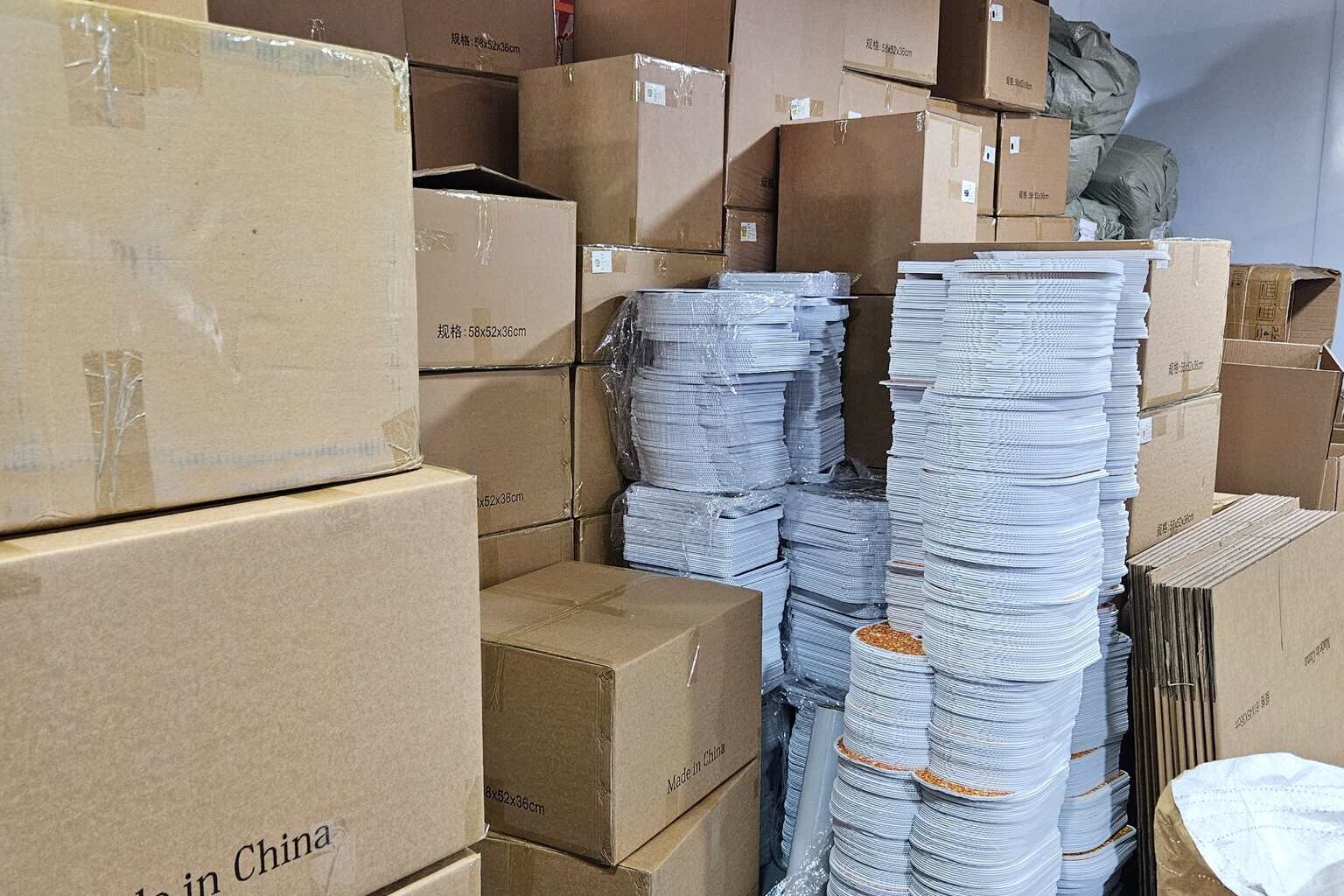
Use this wholesale yard sign packaging guide to reduce damaged signs and missing stakes.
Standard Yard Signs vs Long-Term Outdoor Signs
Standard corrugated plastic yard signs are commonly used for temporary or campaign-based outdoor communication. Examples include:
- Open house signs
- Local business advertising
- Cleaning service signs
- Lawn care promotions
- Event directions
- Campaign messages
- Graduation and birthday displays
If a sign will remain outdoors for a longer period or in a demanding environment, the buyer should discuss the entire construction rather than requesting only “thicker coroplast.”
The supplier may need to evaluate:
- A different sheet specification
- Additional supports
- A stronger stake or frame
- A smaller finished size
- A different sign material
- A more protected installation position
How to Compare Material Quotes Correctly
Two supplier quotations that both state “4mm corrugated plastic” may not describe identical products.
Ask each supplier to confirm:
- Nominal sheet thickness
- Relevant sheet weight or material specification
- Finished sign dimensions
- Flute direction
- Single-sided or double-sided printing
- H-stake specification
- Quantity per carton
- Total carton count and shipping weight
- Sample availability
- Quality inspection process
Comparing only the price per sign can hide important differences in material, printing, hardware, packaging, and delivery.
Should You Request a Material Sample?
A material or finished sign sample is useful when:
- You are changing suppliers
- You are uncertain about the sheet specification
- The sign is larger than your previous order
- The signs require a particular H-stake
- The order quantity is substantial
- The signs use a custom shape
- Material stiffness is commercially important
When possible, evaluate the sample together with the actual stake or frame. Follow the yard sign sample approval process before authorizing mass production.
Questions to Ask a Coroplast Sign Manufacturer
- What material specification do you recommend for this sign size?
- Is the quoted thickness nominal or measured?
- How does the sheet specification affect stiffness and weight?
- Are the flutes suitable for the selected H-stake?
- Which direction will the flutes run?
- Can you supply a material or finished sign sample?
- How many signs will be packed per carton?
- What are the estimated carton dimensions and gross weight?
- Would another material be better for the expected environment?
- How will material consistency be checked during production?
Coroplast Thickness Selection Checklist
- □ Finished sign size confirmed
- □ Standard rectangle or custom shape confirmed
- □ Expected outdoor use period considered
- □ Installation environment reviewed
- □ Nominal thickness confirmed
- □ Complete material specification reviewed
- □ Sheet stiffness evaluated
- □ Flute direction confirmed
- □ H-stake compatibility tested
- □ Single-sided or double-sided printing confirmed
- □ Sample requirement confirmed
- □ Packaging method reviewed
- □ Shipment weight and volume considered
- □ Total delivered cost compared
Frequently Asked Questions
What is the standard coroplast thickness for yard signs?
Around 4mm corrugated plastic is widely used for standard yard signs. However, buyers should confirm the complete material specification, finished size, stake compatibility, and expected use rather than relying only on nominal thickness.
Is thicker coroplast always more durable?
No. Thickness can affect stiffness, but durability also depends on sheet construction, weight, flute design, sign size, installation hardware, weather exposure, and handling.
Can standard H-stakes fit every coroplast thickness?
Not necessarily. Stake compatibility depends on the internal flute dimensions, flute direction, wire spacing, and wire thickness. Test the selected stake with the actual material.
Does thicker coroplast cost more to ship?
It can increase shipment weight and may reduce the number of signs that fit in each carton. The actual freight effect depends on quantity, sign size, packaging, stakes, and shipping method.
Is 4mm coroplast suitable for 18×24 yard signs?
It is a commonly used specification for standard 18×24 yard signs. The final choice should still consider installation, expected duration, wind exposure, stake design, and buyer requirements.
Can iYardSign help buyers select a material specification?
Yes. iYardSign can review the sign dimensions, quantity, artwork, installation method, hardware, packaging, destination, and expected use before recommending a production option.
Choose Coroplast by Specification, Not Thickness Alone
The thickest sheet is not automatically the most practical choice. A successful bulk order requires the right balance of stiffness, printing, stake compatibility, packaging, freight, and cost.
Explore iYardSign’s custom yard sign manufacturing and material support for corrugated plastic signs, UV printing, custom cutting, H-stakes, packaging, and overseas delivery coordination.
Contact iYardSign for a material recommendation and bulk yard sign quote.