Open House Yard Signs: How to Guide Buyers to the Right Property

Open House Yard Signs: How to Guide Buyers to the Right Property
An open house can be well planned, beautifully staged, and properly advertised online, but if buyers cannot find the property easily, the showing experience starts with frustration. Real estate agents often focus on digital listings, social media posts, and email reminders, but physical signage still plays an important role on open house day.
Custom open house yard signs help guide buyers from nearby roads, intersections, parking areas, and neighborhood entrances to the correct property. They also make the agent look more organized and help the listing stand out in the local area.
At iYardSign, we manufacture custom real estate yard signs, open house signs, directional signs, and yard signs with stakes for real estate professionals and sign buyers. This guide explains how to use open house yard signs more effectively.
Quick Answer: Why Are Open House Yard Signs Important?
Open house yard signs help buyers find the property, confirm they are at the right location, follow directional routes, notice the listing from the street, and remember the agent’s brand. They are especially useful in neighborhoods with multiple turns, similar-looking homes, limited parking, or low online map accuracy.
A good open house sign system usually includes main property signs, directional arrow signs, parking signs, and agent branding signs.
Why Open House Signage Still Matters
Many buyers use GPS, but GPS does not solve every problem. In some neighborhoods, addresses are hard to see, driveways are hidden, street parking is limited, and properties may look similar from the road.
Open house yard signs can help solve problems such as:
- Buyers missing the correct turn
- Visitors parking in the wrong area
- People arriving late because they cannot find the home
- Low street visibility for the listing
- Neighbors not knowing about the open house
- Agents answering repeated direction calls during the event
Good signage makes the open house easier for buyers and less stressful for agents.
1. Start with a Main Open House Sign
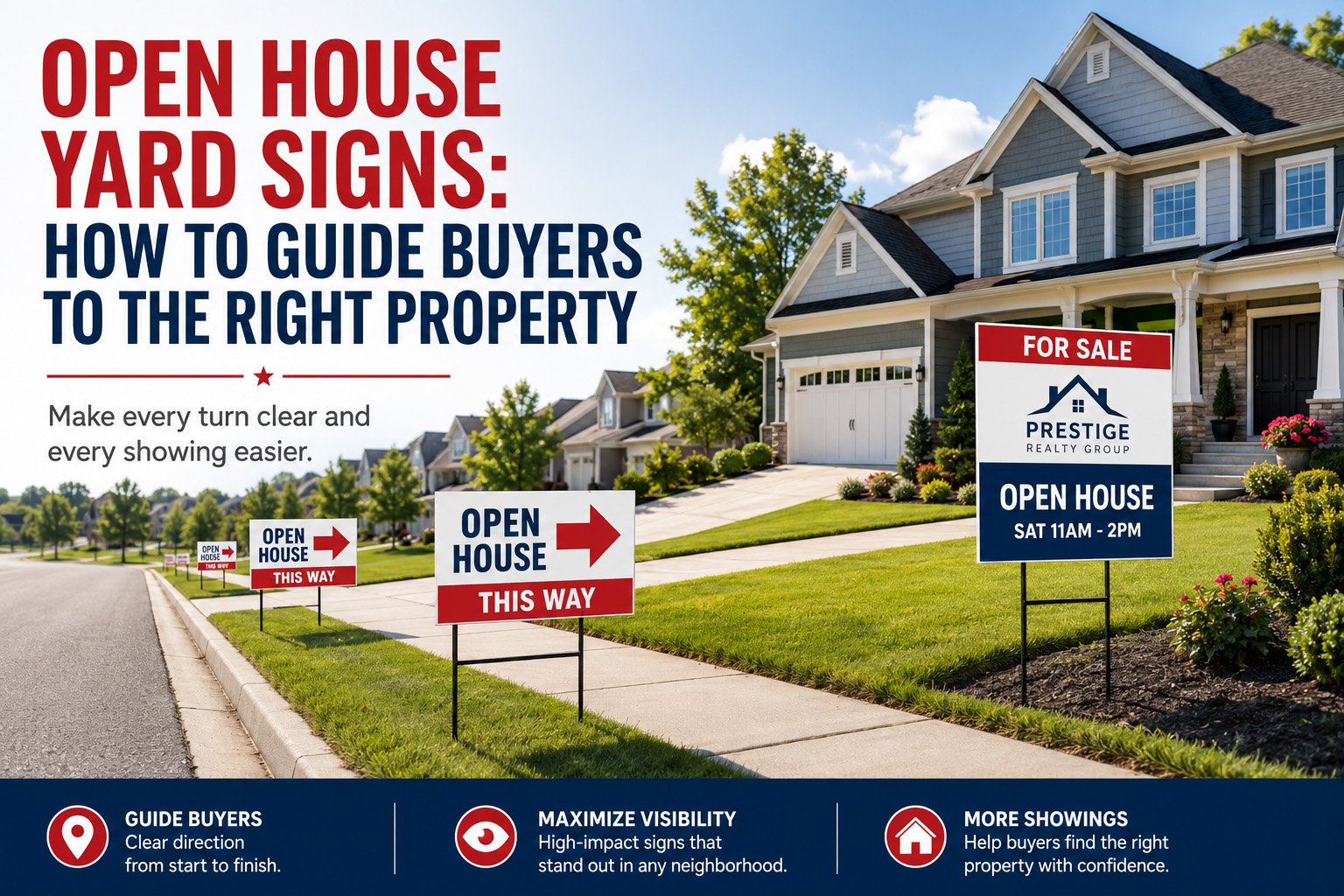
The main open house sign should be placed near the property where buyers can easily confirm they have arrived. This sign should be simple, visible, and clearly connected to the listing.
A main open house sign may include:
- “Open House” message
- Agent name
- Brokerage logo if required
- Phone number
- QR code for property details
- Time or date if needed
The message should be easy to read from the street. Avoid overcrowding the sign with too many details.
2. Use Directional Arrow Signs Before the Property
Directional signs are often more important than agents realize. A buyer may know the address but still need visual confirmation along the route.
Directional signs can be placed near:
- Main road entrances
- Neighborhood intersections
- Street corners
- Long driveways
- Parking entrances
- Community gates where allowed
For directional signs, arrows must be large and clear. If the signs are double-sided, check both sides carefully before printing. Wrong arrow direction can confuse visitors and reduce trust.
3. Keep the Message Short
Open house signs are usually seen while people are driving or walking. Long text will not be read. The best messages are short and direct.
Effective sign messages include:
- Open House
- Open Today
- This Way
- Tour Today
- Parking
- For Sale
- Scan for Details
If you need to include more information, use a QR code that links to the listing page instead of putting too much text on the sign.
4. Make Agent Branding Clear but Not Overcrowded
Open house signs are also a branding tool. Even people who do not attend the open house may notice the agent’s name and brand in the neighborhood.
However, the sign must still be readable. If the logo, agent photo, phone number, QR code, property message, and brokerage information all compete for attention, the sign may become difficult to understand.
A balanced real estate sign should include:
- Clear open house message
- Agent or team name
- Readable contact information
- Clean brand colors
- Simple layout
Design should support visibility, not fight against it.
5. Use QR Codes Carefully
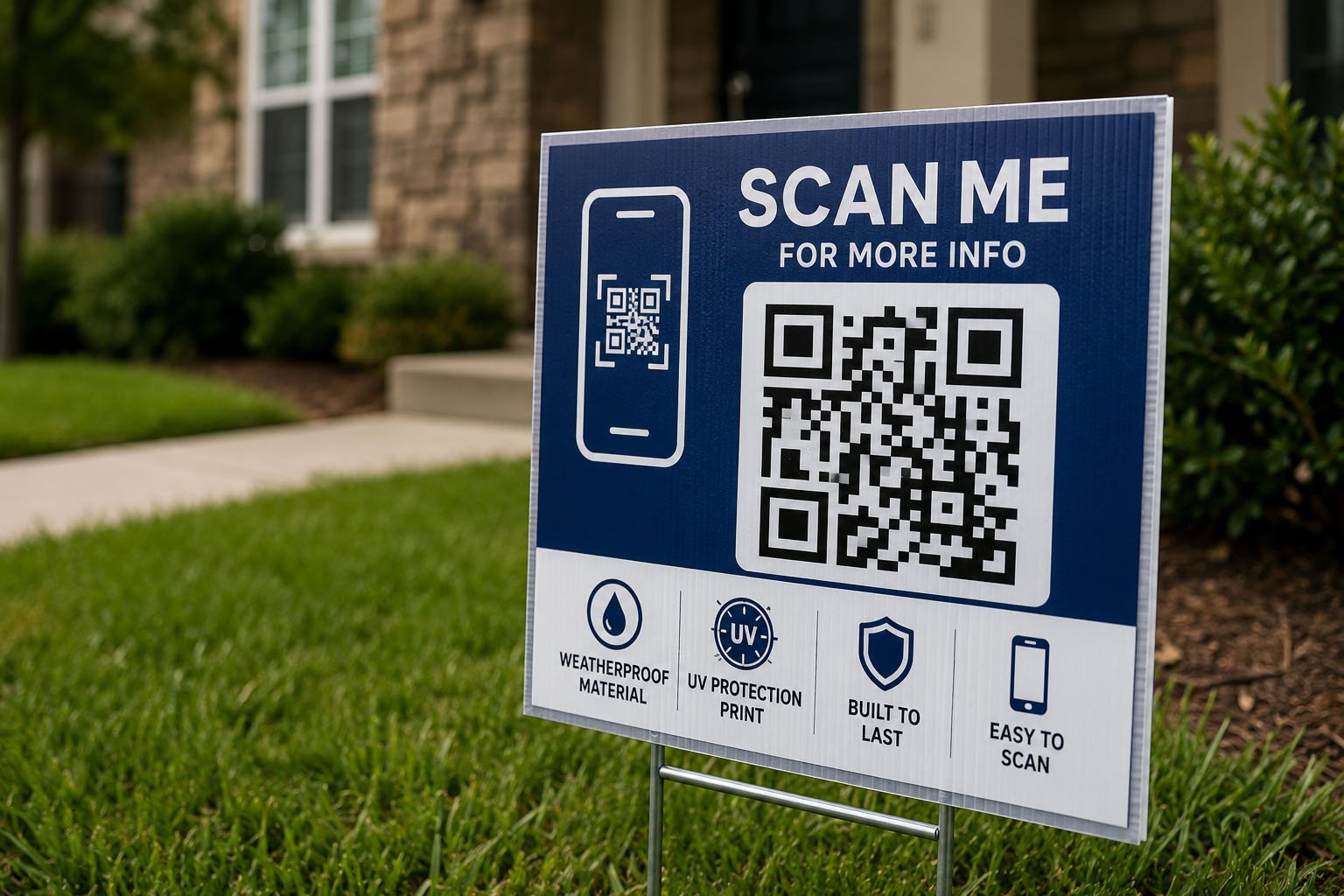
QR codes can be useful on open house signs because they allow buyers to access property details, photos, maps, appointment forms, or agent contact pages.
But a QR code only works if it is large enough and placed in a practical location. A buyer driving past will not scan a small code. QR codes work better near the property entrance, check-in area, or sidewalk where people can stop safely.
Before printing, always test the QR code with a phone.
6. Choose the Right Size for Open House Signs
A common size for open house yard signs is 18 x 24 inches. This size is easy to install with H-stakes and works well for many residential settings.
Larger signs may be useful when:
- The road is busy
- The property sits far from the street
- The neighborhood entrance needs stronger visibility
- The sign includes more branding or a QR code
For directional signs, simple 18 x 24 inch signs are often enough if the arrow and message are bold.
7. Use Durable Material for Outdoor Use
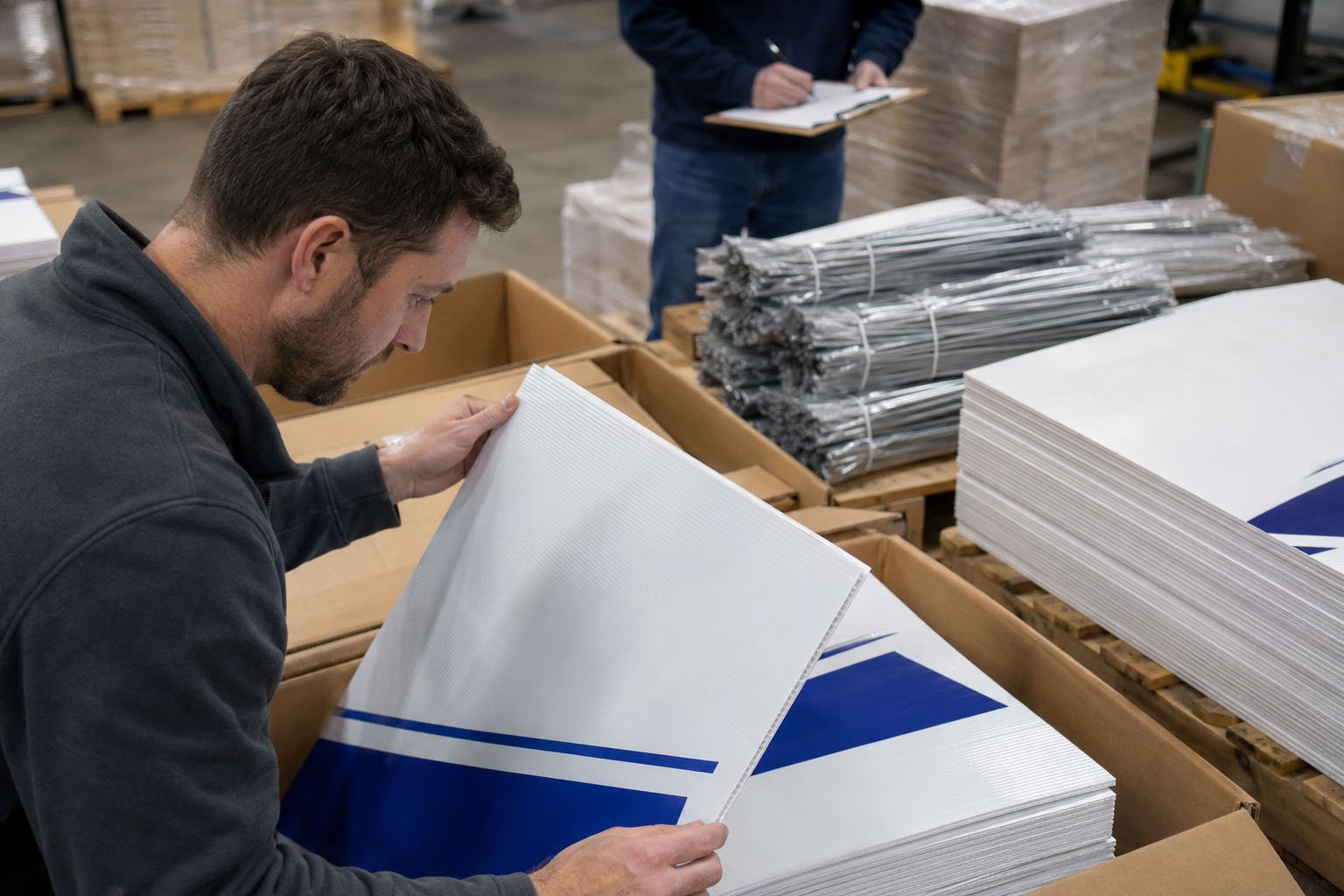
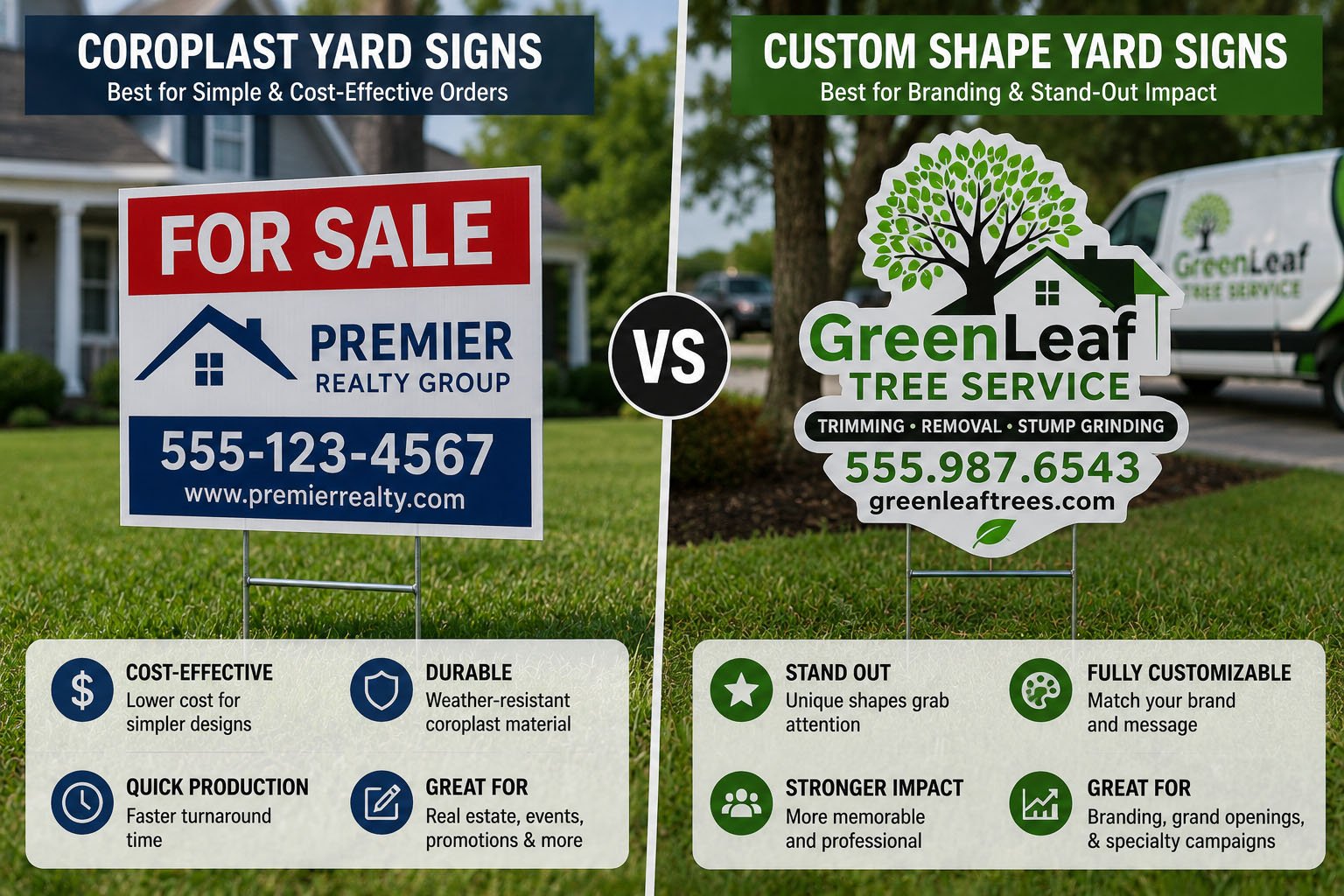
Open house signs are often used outdoors in sun, wind, light rain, and changing weather. Corrugated plastic, also known as coroplast, is a common choice because it is lightweight, affordable, weather-resistant, and easy to install with H-stakes.
For agents who host open houses regularly, durable signs can be reused many times if the message is not date-specific. For example, “Open House” and “This Way” signs can be reused across multiple listings.
8. Plan Sign Placement Before Open House Day
Waiting until the last minute can lead to poor placement. It is better to plan where each sign will go before the event begins.
Before placing signs, consider:
- Where buyers are most likely to enter the neighborhood
- Which turns may be confusing
- Where parking should be directed
- Whether local rules or HOA restrictions apply
- Where signs can be seen without blocking visibility
- How signs will be removed after the event
Always follow local signage rules and property guidelines. Placement permission may be required in some areas.
9. Prepare Enough Signs for the Route
One sign near the house may not be enough. Buyers may need several signs along the route, especially in large neighborhoods or areas with multiple turns.
A basic open house sign set may include:
- 1-2 main open house signs near the property
- 3-10 directional arrow signs
- 1-2 parking signs if needed
- 1 sign-in or QR code sign near the entrance
For agents handling multiple listings, ordering reusable directional signs can be more efficient than creating new signs every time.
10. Match Signs with the Property and Market
A luxury listing may need a cleaner, more premium-looking sign design. A family neighborhood open house may need friendly and highly visible signage. A busy urban property may need bold directional signs and simple parking instructions.
Good sign design should match the property, the agent brand, and the local market. The goal is not only to attract attention, but also to create confidence.
Open House Yard Sign Checklist
Before your next open house, use this checklist:
- Main open house sign prepared
- Directional arrow signs ready
- Parking signs prepared if needed
- Agent name and contact information checked
- Brokerage logo or compliance details confirmed
- QR code tested
- Sign route planned
- Local rules or HOA guidelines checked
- H-stakes packed
- Signs removed after the event
FAQ About Open House Yard Signs
Do open house signs still work?
Yes. Open house signs still help guide buyers, increase neighborhood visibility, and support agent branding. They work best when used with online listings and clear event promotion.
How many open house signs do I need?
The number depends on the property location and route. Many agents use one main sign near the property plus several directional signs at key turns and neighborhood entrances.
What size is best for open house yard signs?
18 x 24 inches is a common size for open house yard signs. Larger signs may be useful for busy roads, long driveways, or stronger visibility.
Should open house signs be double-sided?
Double-sided signs are useful when people approach from both directions. Directional signs should be checked carefully to make sure arrows point correctly on each side.
Do open house yard signs need H-stakes?
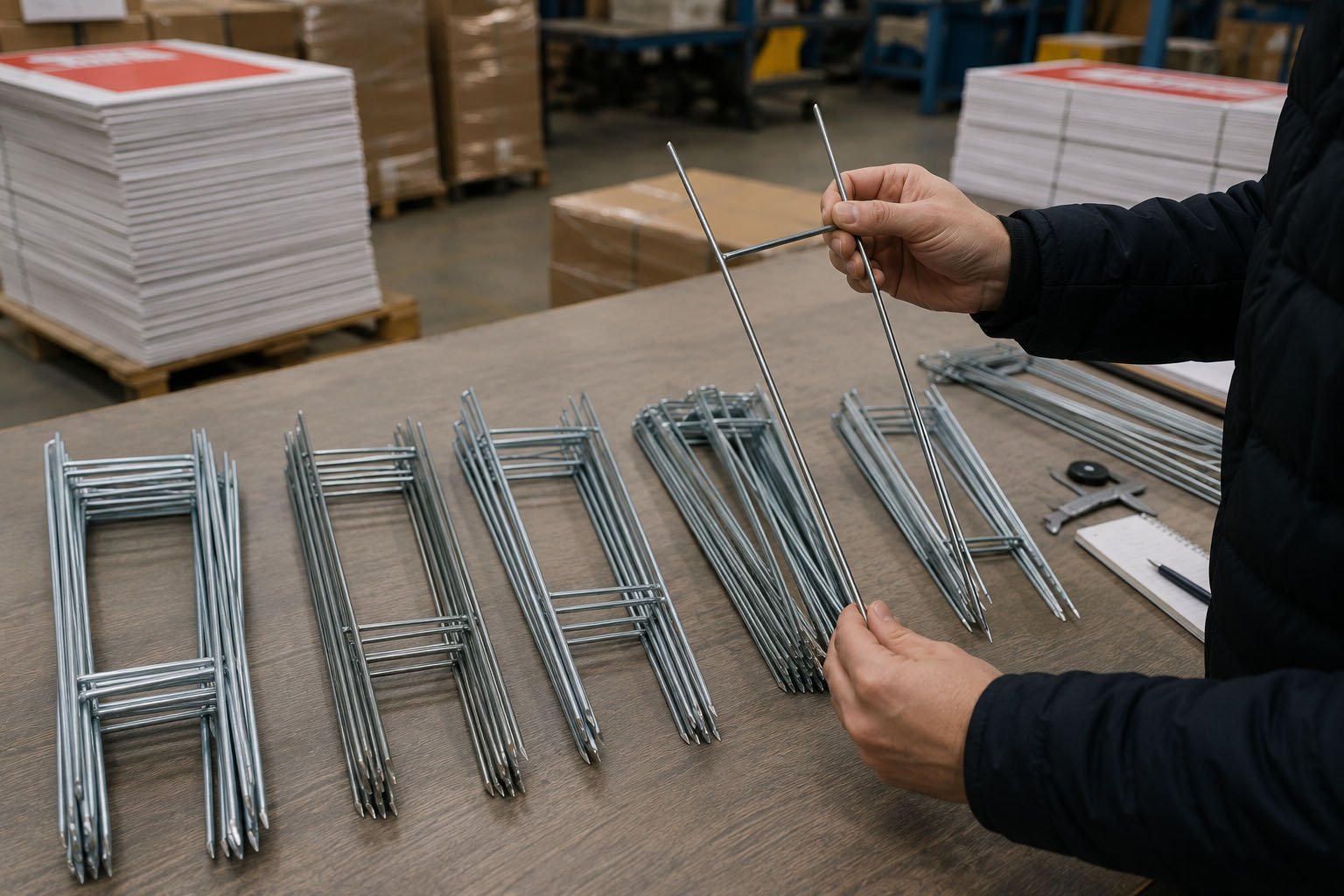
Many open house yard signs use H-stakes for lawn installation. Buyers should confirm sign flute direction and stake quantity before ordering.
Custom Open House Yard Signs from iYardSign
Open house yard signs help real estate agents guide buyers, improve street visibility, reduce confusion, and create a more professional showing experience. The best signs are simple, readable, correctly placed, and easy to install.
iYardSign manufactures custom real estate yard signs, open house signs, directional signs, property signs, and yard signs with H-stakes. We support full-color printing, custom sizes, reusable sign sets, bulk orders, artwork review, and shipping coordination.
Need open house signs for your real estate business? Send iYardSign your design, size, quantity, and delivery requirements to get a factory quote.