How to Choose the Right Quantity for Bulk Custom Yard Signs

That is why bulk custom yard sign quantity should be planned based on real use, not only the lowest unit price. A good quantity decision balances budget, campaign length, number of designs, H-stake needs, shipping cost, storage space, and reorder timing.
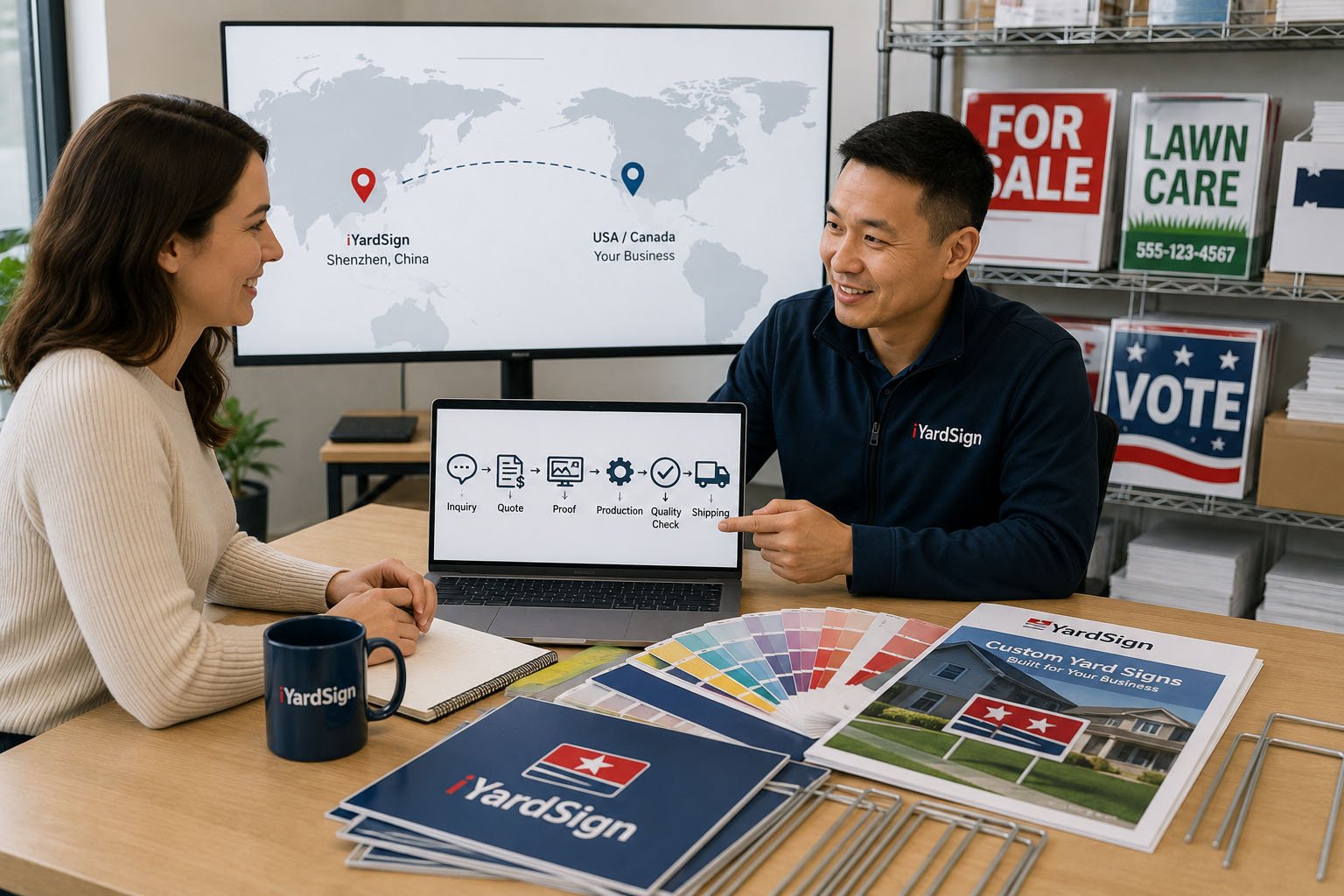
iYardSign is a China-based custom yard sign manufacturer supporting bulk custom yard signs, corrugated plastic signs, H-stakes, OEM orders, artwork review, packaging planning, and international shipping support for US and Canada buyers.
Quick Answer: How Many Custom Yard Signs Should Buyers Order?
The right quantity depends on how the signs will be used. A local contractor testing a new service area may start with a smaller order. A real estate team, event organizer, print reseller, or ecommerce seller may need larger quantities because signs are used repeatedly or sold to customers.
Buyers should choose quantity by reviewing these factors:
- Campaign goal
- Number of locations
- Number of designs
- Expected use period
- H-stake requirements
- Storage space
- Shipping cost per unit
- Reorder lead time
- Budget and cash flow
The cheapest unit price is not always the best decision. The best quantity is the one that supports the campaign without creating unnecessary waste or delay.
Why Quantity Affects Yard Sign Pricing
Bulk yard sign pricing usually improves as quantity increases because some production costs are spread across more units. Artwork checking, production setup, material preparation, packing setup, and export handling all become more efficient at higher volumes.
However, quantity is only one part of the price. Two orders with the same total quantity can have different costs if one order has many designs, special packaging, double-sided printing, or H-stakes included.
For example:
- 500 signs with 1 design is usually easier than 500 signs with 50 designs
- 500 signs without stakes is different from 500 signs with 500 H-stakes
- 500 signs shipped to one warehouse is different from 500 signs split across many addresses
- 500 double-sided signs require different production planning than 500 single-sided signs
So buyers should think about quantity together with the full order structure.
1. Start with the Actual Use Case
The first question is not “What is the minimum quantity?” The better question is “How will these signs be used?”
Different buyers need different quantity logic:
| Buyer Type | Quantity Logic | Common Concern |
|---|---|---|
| Real estate team | Signs needed per agent, listing, open house, and branch | Running out during active listing periods |
| Contractor or local service business | Signs needed per service area, job site, or promotion | Ordering too many before testing response |
| Event organizer | Signs needed for parking, arrows, entrances, booths, and sponsors | Missing directional signs on event day |
| Print reseller | Expected monthly customer demand and reorder frequency | Holding slow-moving inventory |
| Ecommerce seller | Test quantity first, then scale winning SKUs | Over-ordering unproven designs |
This use-case approach gives buyers a more realistic quantity than simply choosing the lowest unit price.
2. Count Designs Before Counting Total Signs
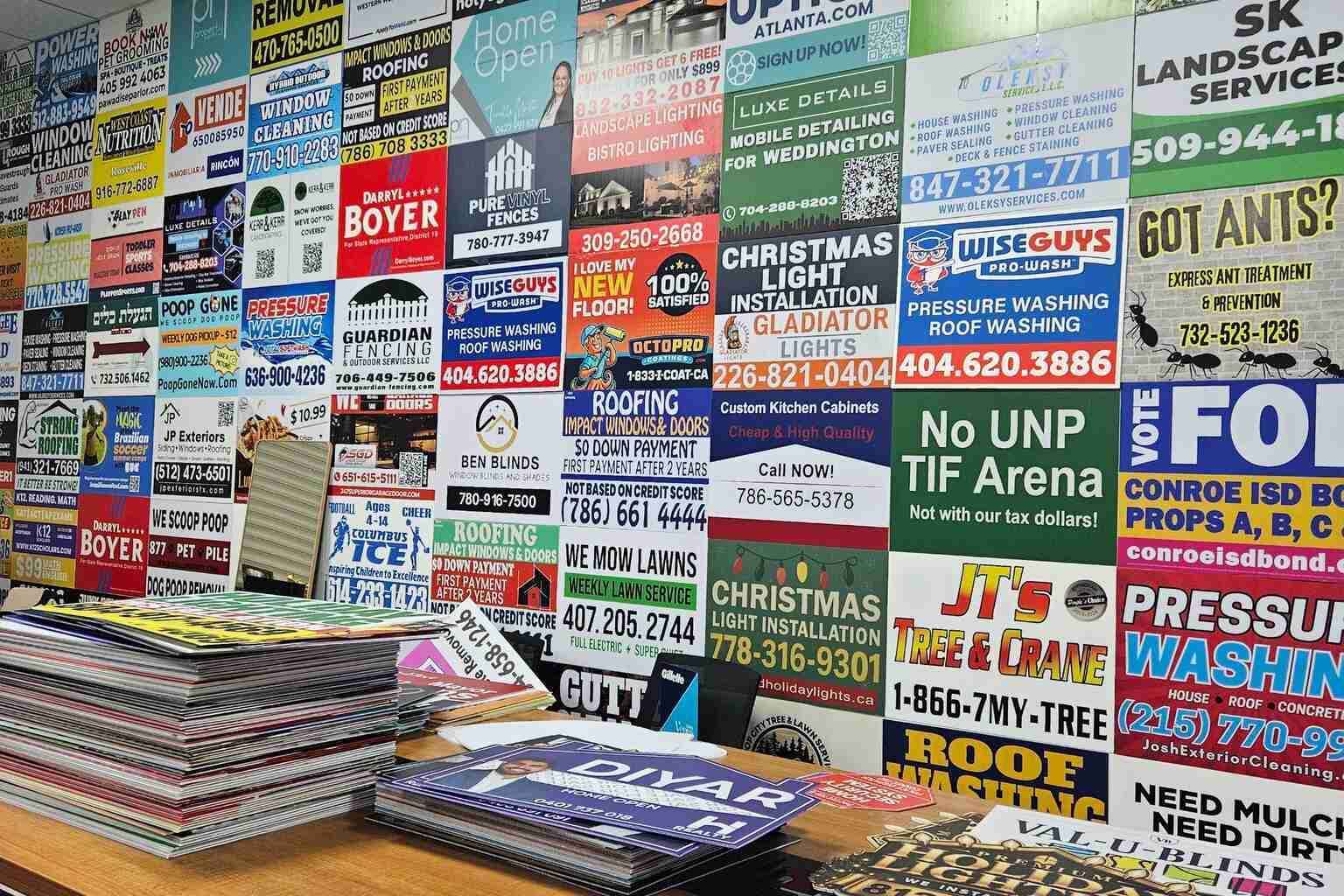
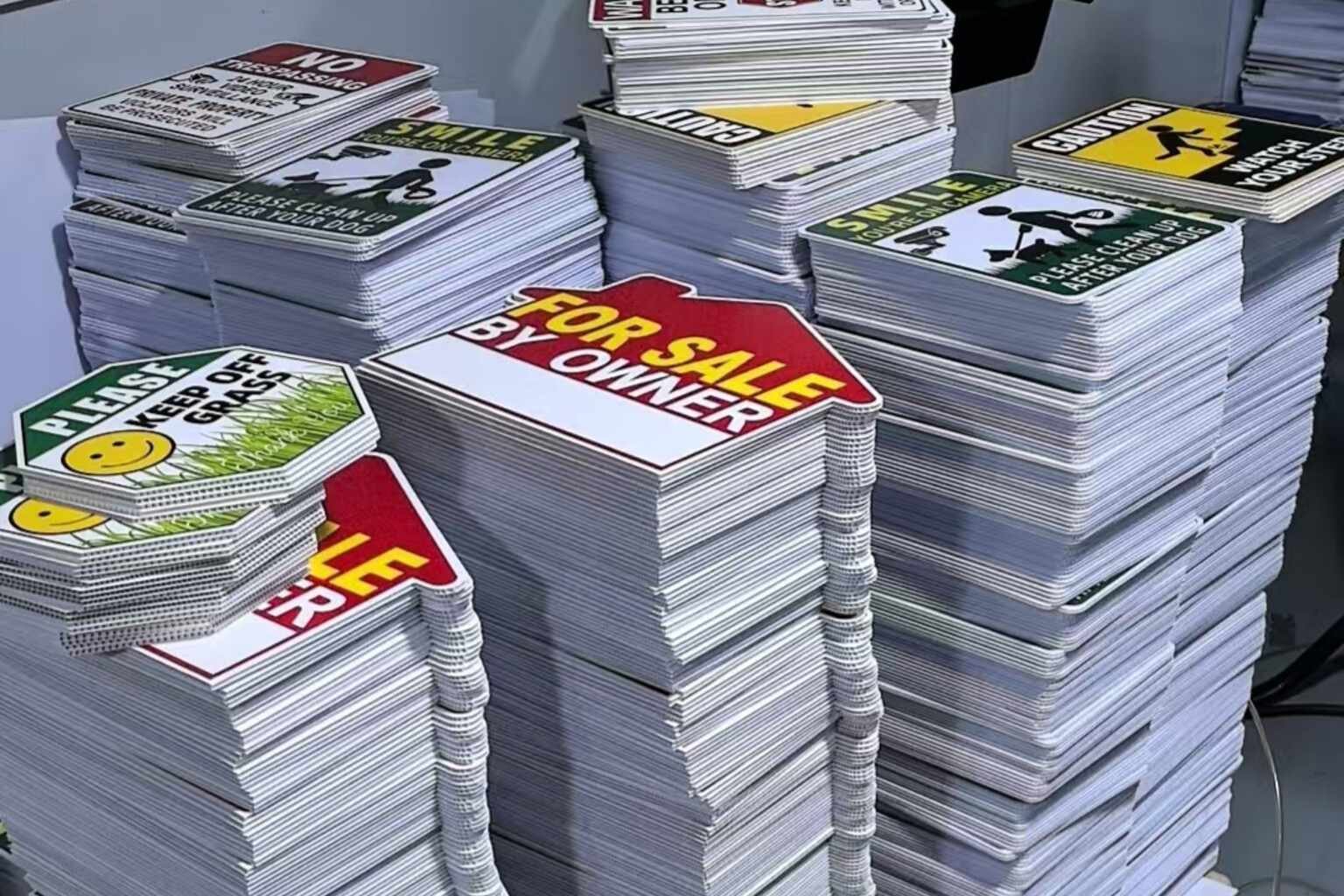
A common mistake is looking only at total quantity. For production, the number of designs matters. An order of 1,000 signs with one design is different from 1,000 signs divided among 100 designs.
Buyers should calculate:
- Total quantity
- Number of different designs
- Quantity per design
- Whether each design needs separate packing
- Whether each design needs different H-stake counts
For example, a buyer may think “1,000 signs” is a large order. But if it includes 100 designs with only 10 pieces per design, the production and packing process becomes more complex.
If buyers have many designs, they should prepare a simple design quantity list before requesting a quote.
3. Match Quantity with H-Stake Requirements
For many yard sign orders, H-stakes are just as important as the signs. If the buyer orders 1,000 signs but only 500 stakes, half of the signs may not be ready for lawn installation.
Before finalizing quantity, buyers should decide:
- Does every sign need one H-stake?
- Do some signs need no stakes?
- Are extra replacement stakes needed?
- Should stakes be packed with signs or separately?
- Will signs be installed in grass, soil, or another location?
For standard lawn use, many buyers choose one H-stake per sign. But event signs, retail signs, wall-mounted signs, or indoor signs may not need stakes at all.
Buyers can review standard options through yard signs with H-stakes.
4. Consider Shipping Cost per Unit
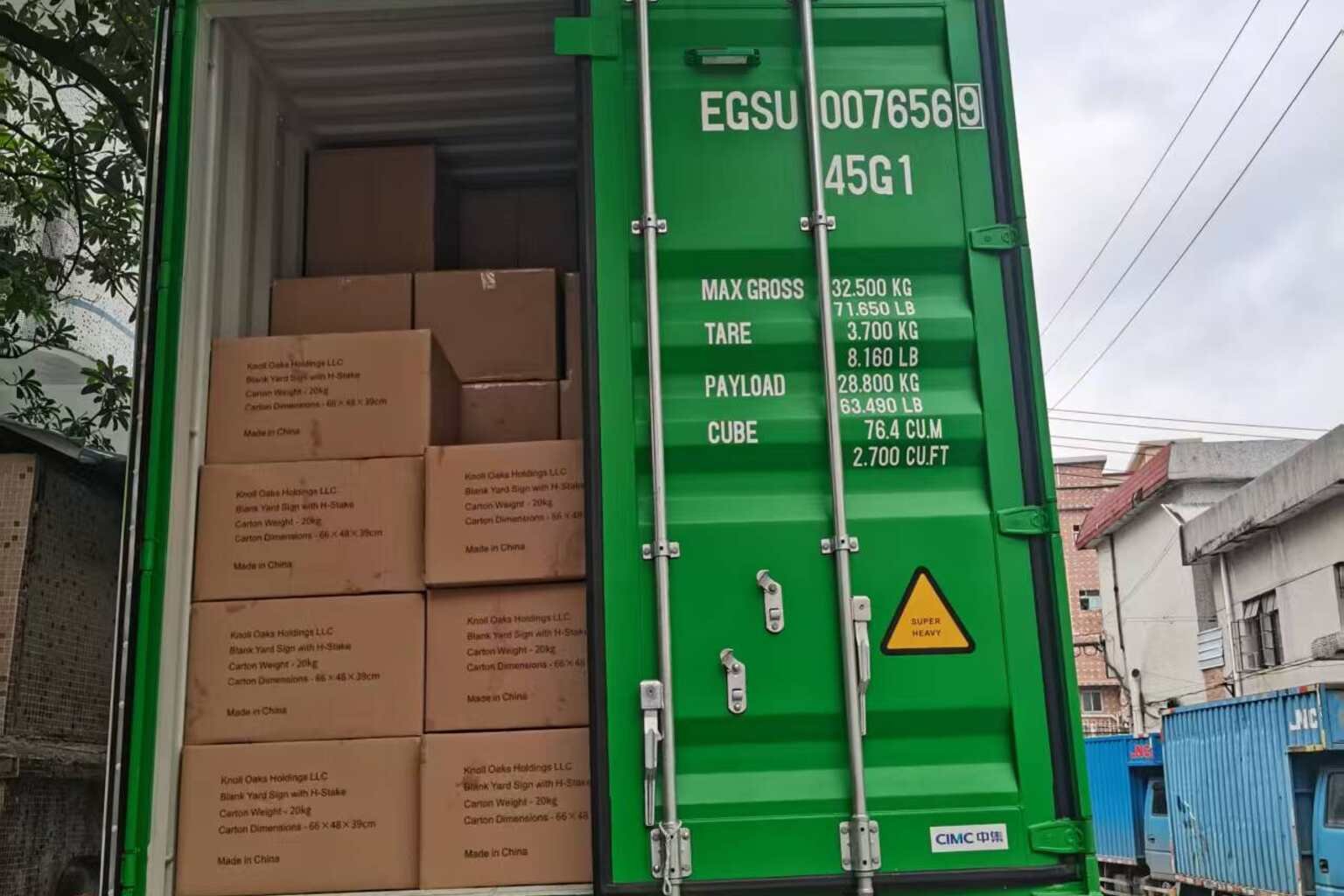
Shipping can change the real cost of a yard sign order. Sometimes a slightly larger quantity can reduce the shipping cost per unit because the freight is used more efficiently. Other times, ordering too much may increase storage and handling problems.
Buyers should compare delivered cost, not only product unit price. Delivered cost includes:
- Product cost
- H-stakes or accessories
- Packaging
- Freight cost
- Customs or duties if applicable
- Local delivery or warehouse receiving cost
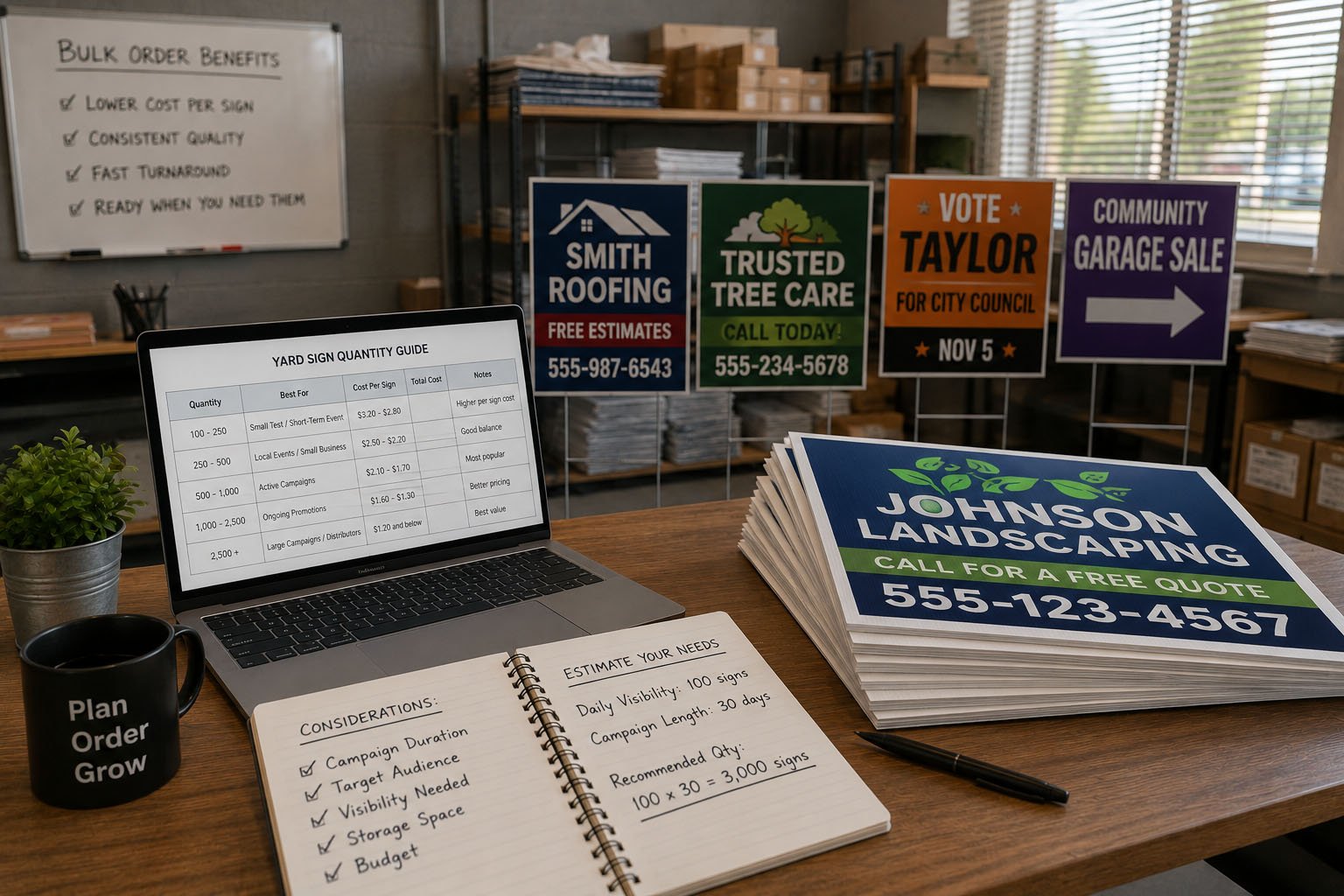
For overseas buyers, the best quantity is often found by comparing several quote levels, such as 100, 250, 500, 1,000, and 2,000 pieces. This helps buyers see where the cost becomes more efficient.
5. Think About Storage and Handling
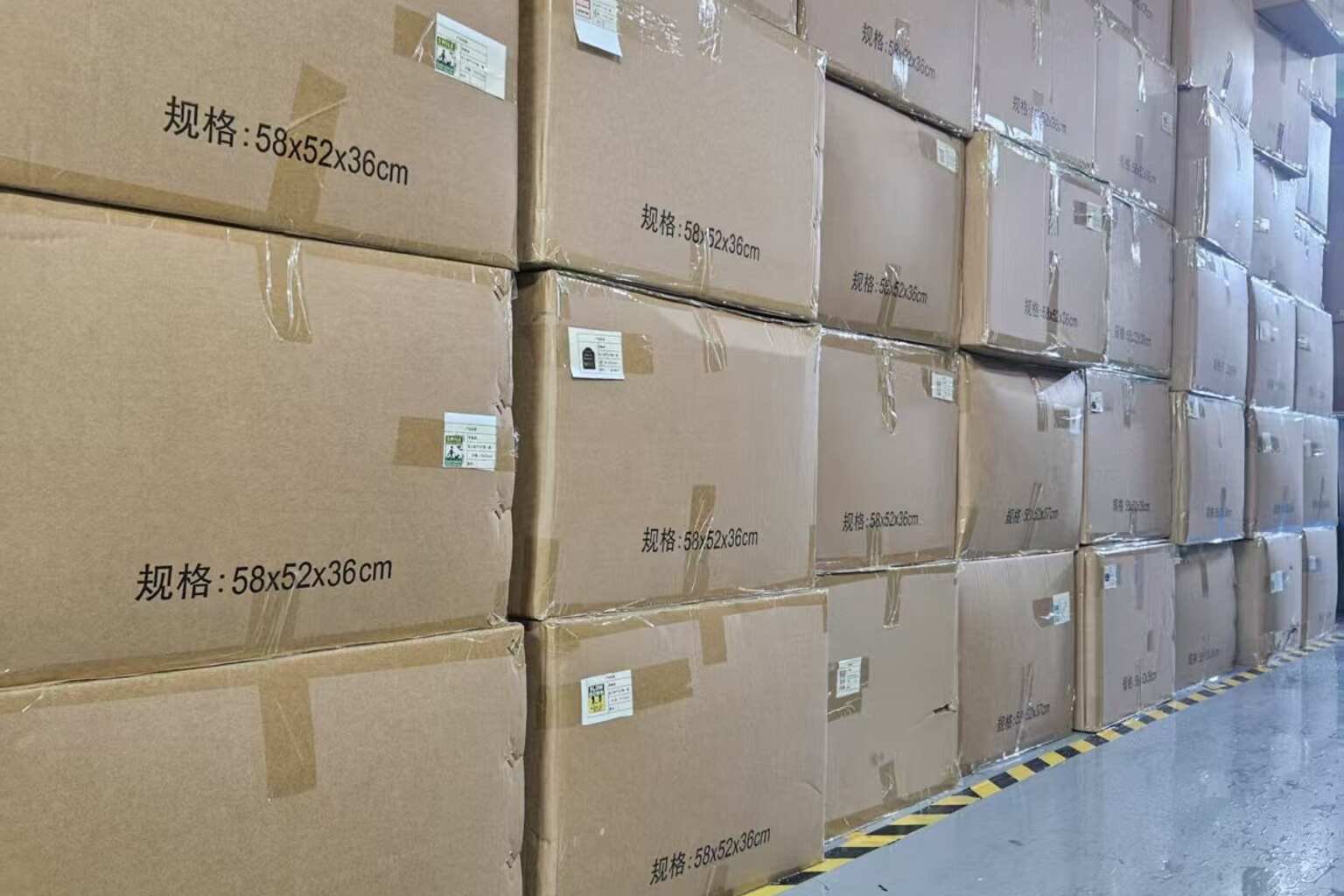
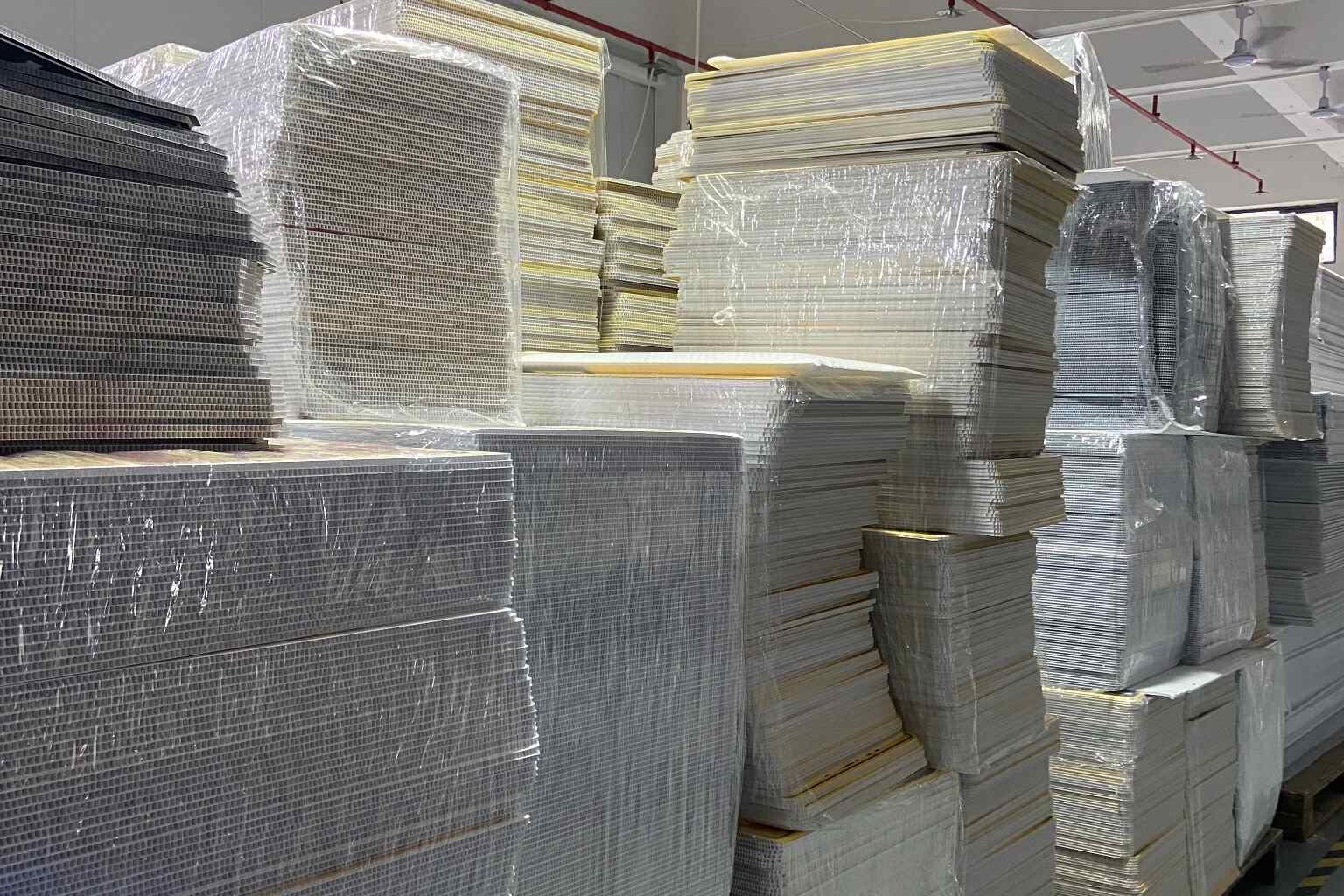
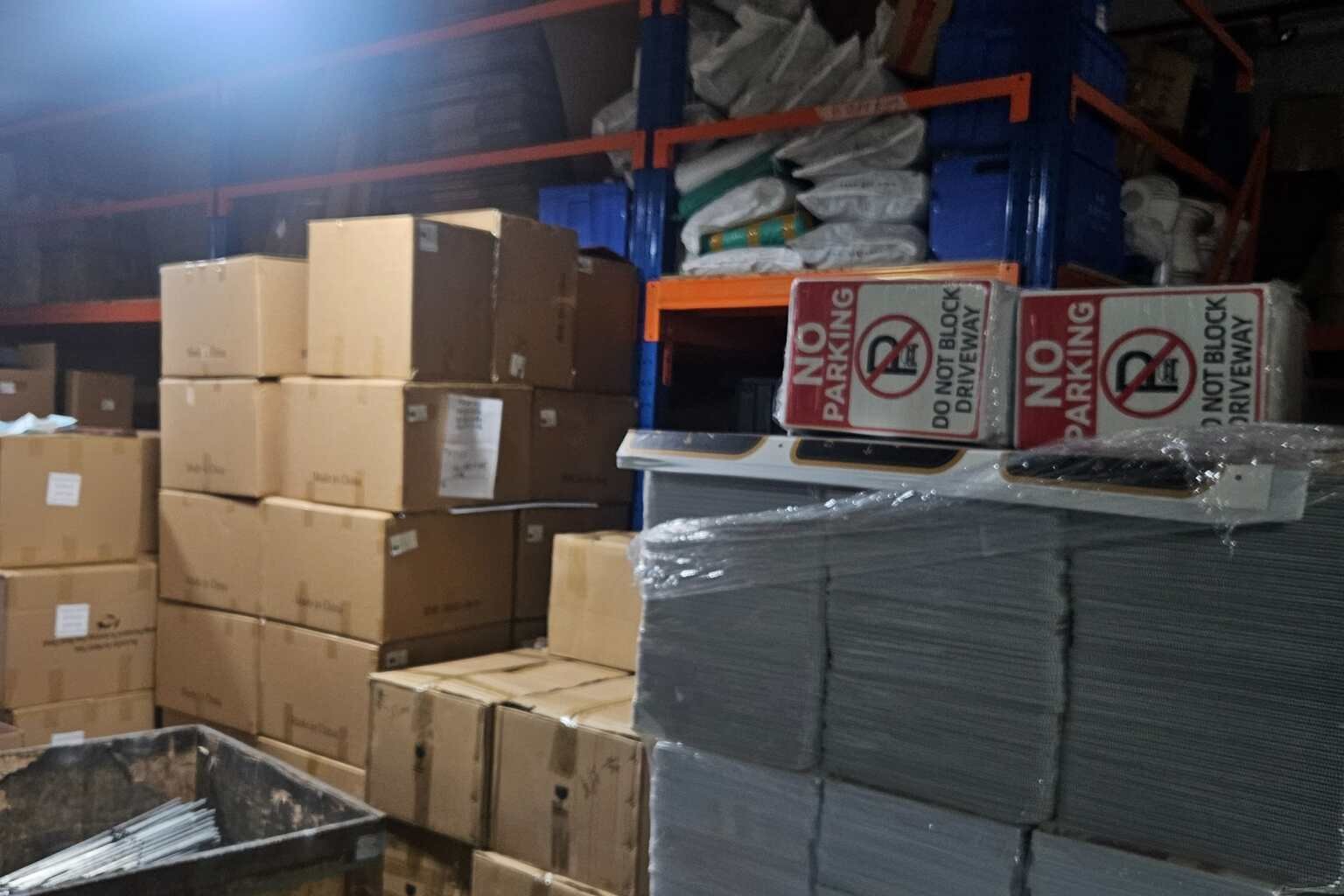
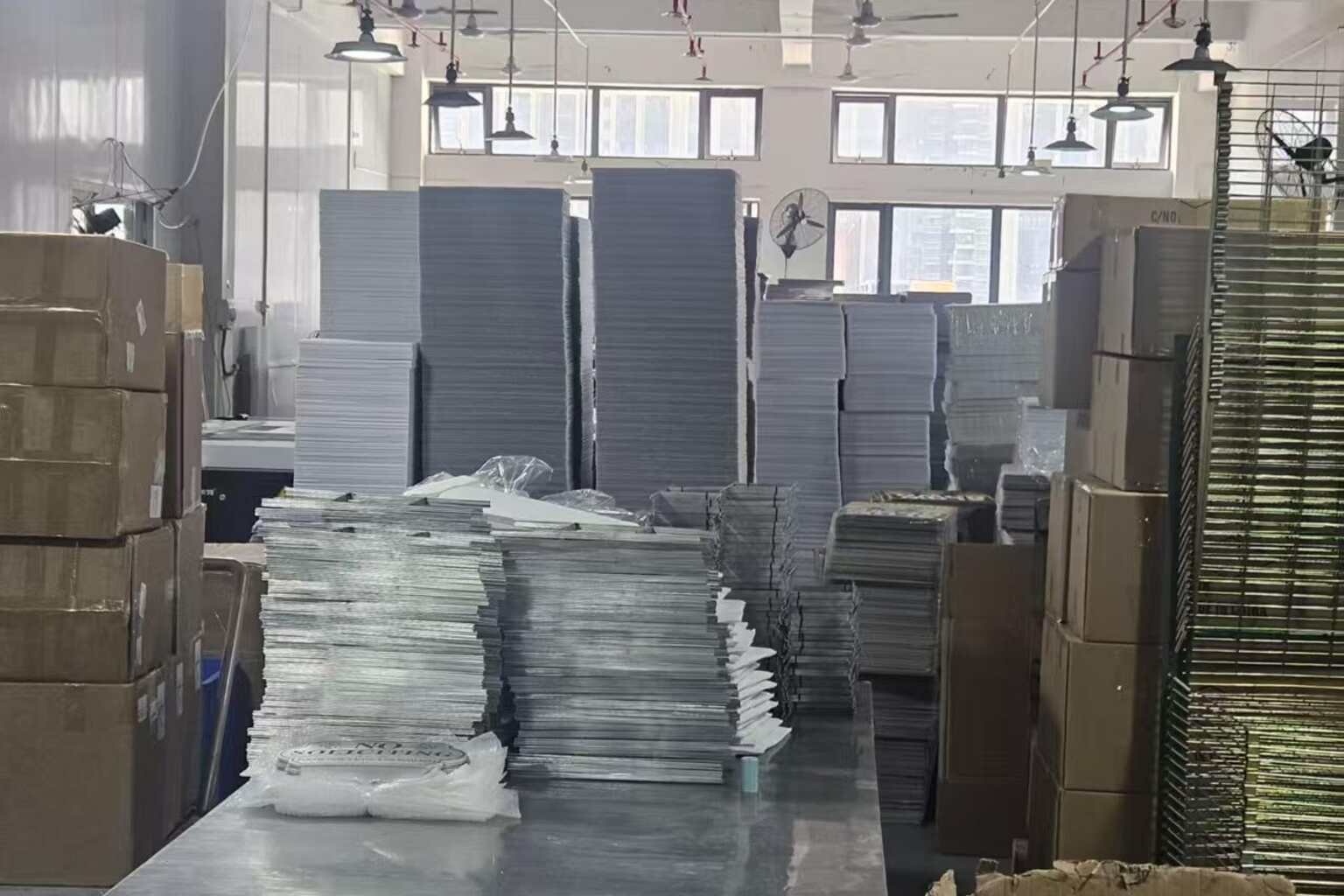
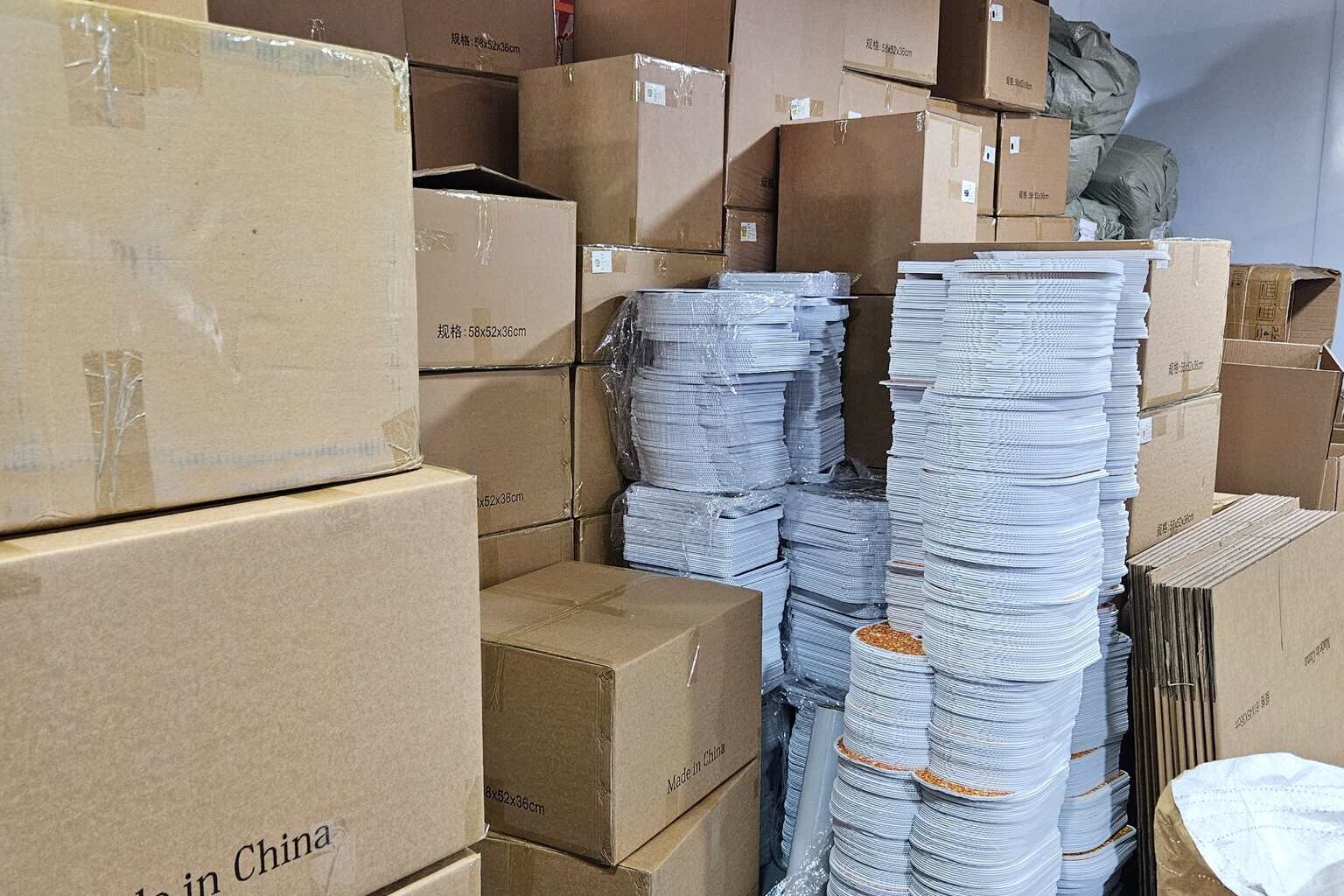
Bulk yard signs are lightweight, but they still take space. H-stakes also require storage. Buyers should consider where the signs will be kept after delivery.
Before ordering a large quantity, ask:
- Do we have enough storage space?
- Will signs be stored flat and protected?
- Do we need cartons labeled by design?
- Will different branches or teams need separate quantities?
- Do we need to avoid storing outdated campaign messages?
For buyers with limited storage, a smaller initial order plus a planned reorder may be safer than one very large order.
6. Use Test Orders for New Designs or New Markets
If the buyer is testing a new product, new service area, or new retail design, a smaller test order can reduce risk. This is especially useful for ecommerce sellers, print resellers, contractors entering a new market, or brands testing a local campaign.
A test order can help buyers learn:
- Which designs perform best
- Whether customers prefer H-stakes included
- Whether the size is right
- Whether packaging needs improvement
- Whether the signs are easy to install
- Whether customers reorder
After the test order, the buyer can scale the winning design instead of guessing.
7. Order More When the Design Is Stable
Some yard signs are safe to order in larger quantities because the message does not change often. These include standard brand signs, generic directional signs, common event signs, real estate open house signs, and evergreen business promotion signs.
Larger orders may make sense when:
- The design has been used successfully before
- The buyer expects repeat use
- The message is not time-sensitive
- Storage is available
- The shipping cost per unit improves
- The buyer wants stable supply for a season
For buyers with repeat needs, keeping approved artwork and order records makes future replenishment easier.
8. Avoid Over-Ordering Time-Sensitive Signs
Some yard signs should not be over-ordered because they may expire. These include signs with dates, temporary offers, seasonal messages, political campaign names, event schedules, or location-specific details.
Examples of time-sensitive signs include:
- Event signs with a fixed date
- Holiday signs for one season
- Campaign signs for one election cycle
- Promotional signs with limited-time offers
- Real estate signs with specific agent details that may change
For these products, buyers may choose a more conservative quantity and plan a reorder if demand is strong.
9. Plan Reorder Lead Time Before You Run Out
Many buyers wait until they are almost out of signs before reordering. That can create pressure, especially when ordering from an overseas factory.
A better approach is to set a reorder point. For example, a buyer may decide to reorder when inventory drops below 30 percent. This leaves time for artwork confirmation, production, packing, shipping, and receiving.
For repeat buyers, reorder planning should include:
- Current stock count
- Average monthly usage
- Production lead time
- Shipping lead time
- Seasonal demand changes
- Buffer stock for urgent needs
This is especially important for real estate teams, contractors, event companies, and retailers who cannot afford to run out during peak demand.
10. Ask for Several Quantity Breaks
When buyers are unsure about the best quantity, they should ask the supplier for multiple quantity options. This makes the decision more practical.
For example, buyers can request quotes for:
- 100 pieces
- 250 pieces
- 500 pieces
- 1,000 pieces
- 2,000 pieces
Comparing these options helps buyers see the relationship between quantity, unit price, shipping efficiency, and total investment.
A Simple Quantity Planning Formula
Buyers can use this simple formula as a starting point:
Estimated quantity = number of locations x signs per location x campaign period factor + backup quantity
For example, if a contractor wants signs for 20 job sites and needs 3 signs per site, the base quantity is 60 signs. If the campaign runs for several months and signs may be damaged, moved, or reused, the buyer may add 15 to 30 percent as backup.
This formula is not perfect, but it gives buyers a practical starting point instead of guessing.
How iYardSign Helps Buyers Plan Bulk Yard Sign Quantities
iYardSign helps buyers compare quantity options before production. Instead of quoting only one number, buyers can request several quantity levels to understand cost differences and choose a practical order size.
iYardSign can support quantity planning for:
- Bulk custom yard signs
- 18×24 inch corrugated plastic signs
- Yard signs with H-stakes
- Real estate and open house signs
- Contractor and local business signs
- Event and campaign signs
- Retail and ecommerce yard sign products
- Repeat order programs for US and Canada buyers
Buyers can explore product categories through iYardSign custom sign products or contact the team through iYardSign’s contact page.
Need Help Choosing a Bulk Yard Sign Quantity?
Send your use case, quantity target, number of designs, H-stake needs, packaging request, and shipping destination. iYardSign can help compare practical quantity options before production.
Final Thoughts
The right quantity for bulk custom yard signs depends on more than price. Buyers should consider use case, number of designs, H-stake needs, shipping cost, storage space, campaign timing, and reorder plans.
A smart quantity decision helps buyers avoid both problems: paying too much for very small orders and overbuying signs that may not be used. The best approach is to compare several quantity breaks and choose the level that supports the real campaign or business need.
For buyers looking for a factory-direct wholesale yard sign supplier, iYardSign can support bulk yard sign production, H-stakes, packaging planning, and repeat custom sign orders for US and Canada markets.