How to Build a Yard Sign Supplier Scorecard for Bulk Orders

Quick Answer: A yard sign supplier scorecard should evaluate six areas: product quality, quotation accuracy, production capability, shipping performance, communication, and after-sales support. For bulk orders, reliability and total purchasing risk are usually more important than the lowest unit price.
Why Use a Yard Sign Supplier Scorecard?
Bulk yard sign buyers often compare several suppliers at the same time. However, every supplier may use different terminology, packaging methods, shipping terms, and quality standards. One quotation may include stakes and delivery, while another may show only the printed sign price.
A yard sign supplier scorecard creates a consistent comparison system. It gives purchasing teams a written record of why one supplier is better suited for a specific order, customer program, or resale channel.
- It prevents price-only purchasing decisions.
- It makes supplier strengths and weaknesses easier to compare.
- It identifies risks before production begins.
- It helps different team members review suppliers consistently.
- It creates a useful reference for future reorders.
This is especially important when purchasing 500, 1,000, or more yard sign sets for multiple customers, locations, campaigns, or resale accounts.
What Should a Yard Sign Supplier Scorecard Include?
A practical scorecard should focus on factors that can directly affect your cost, delivery date, customer satisfaction, and ability to win repeat business. The following six categories cover the most important areas for bulk yard sign sourcing.
1. Product Quality and Material Standards
Start by confirming the actual product specifications. A yard sign should not be evaluated only by its appearance in a digital quotation. Buyers need to confirm the board material, thickness, printing quality, finishing, cutting accuracy, and stake configuration.
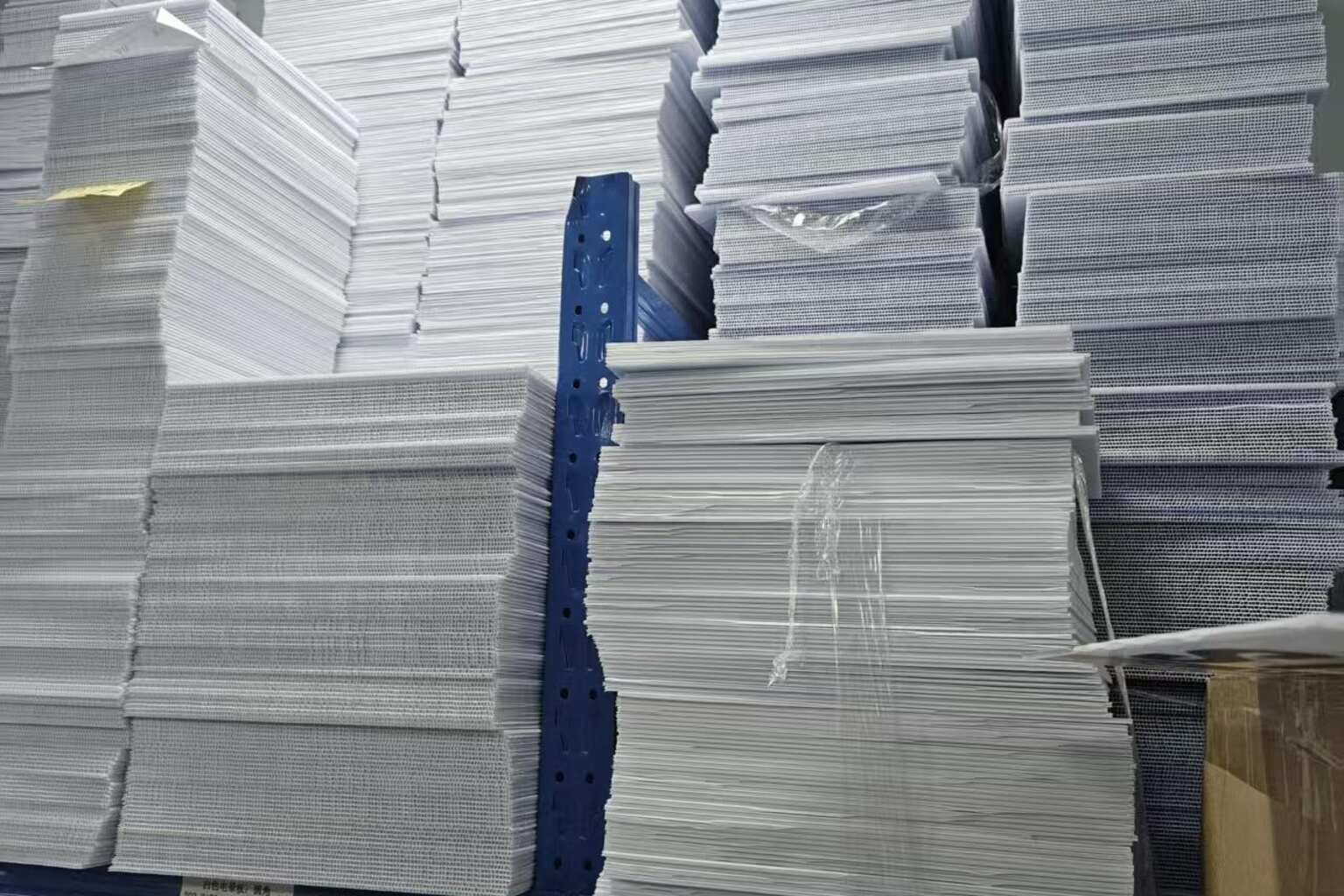
- Corrugated plastic material and thickness
- Common finished size, such as 18 × 24 inches
- Single-sided or double-sided printing
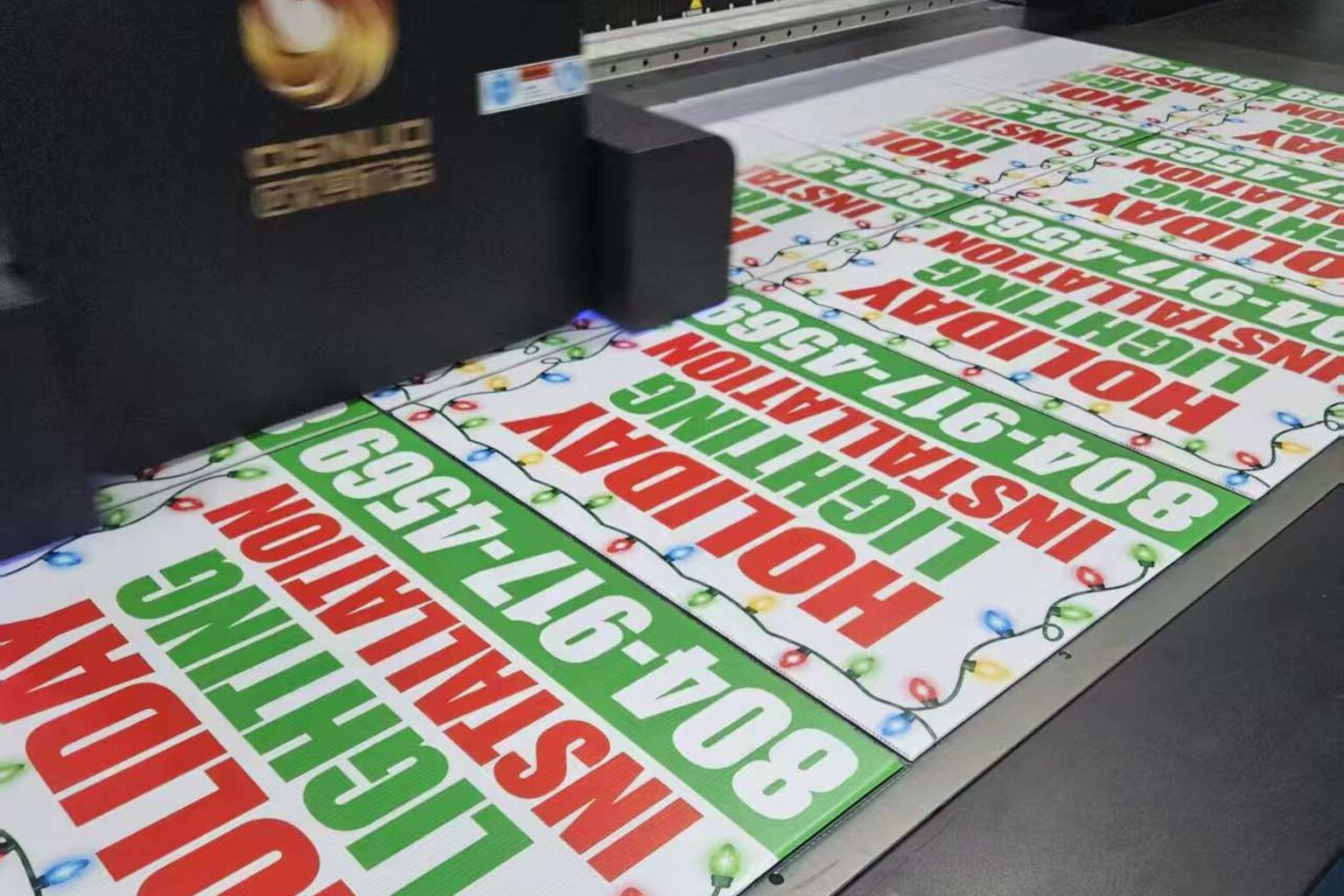
- UV printing and outdoor durability
- Color consistency between batches
- Shape cutting accuracy
- H-stake, wire stake, or other hardware options
- Sample approval before mass production
For resellers and sign companies, consistency is often more valuable than one especially good sample. The supplier should explain how the approved sample will be used as the reference for the complete production run.
2. Quotation Accuracy and Total Cost
The quotation category should measure whether the supplier provides a complete and transparent price. A low unit price may not remain low after adding artwork charges, stakes, packaging, inland transportation, customs clearance, and international delivery.
| Cost Item | What to Confirm |
|---|---|
| Product price | Does the price include the sign, printing, and finishing? |
| Stakes and accessories | Are H-stakes or other hardware included? |
| Packaging | Are cartons, labels, protective materials, and pallet fees included? |
| Shipping | Is the quotation EXW, FOB, CIF, DDP, or another shipping term? |
| Additional charges | Are there charges for artwork, samples, revisions, or mixed SKUs? |
For many North American buyers, DDP sea shipping offers a lower transportation cost but usually requires approximately 30 days in transit. Combined with 3–5 days of production, the total delivery time is commonly around 35–45 days. Air shipping is faster, but the cost is usually higher.
Buyer Tip: Ask every supplier to quote the same quantity, specifications, packaging method, destination, and shipping method. Otherwise, the prices cannot be compared fairly.
3. Production Capacity and Order Flexibility
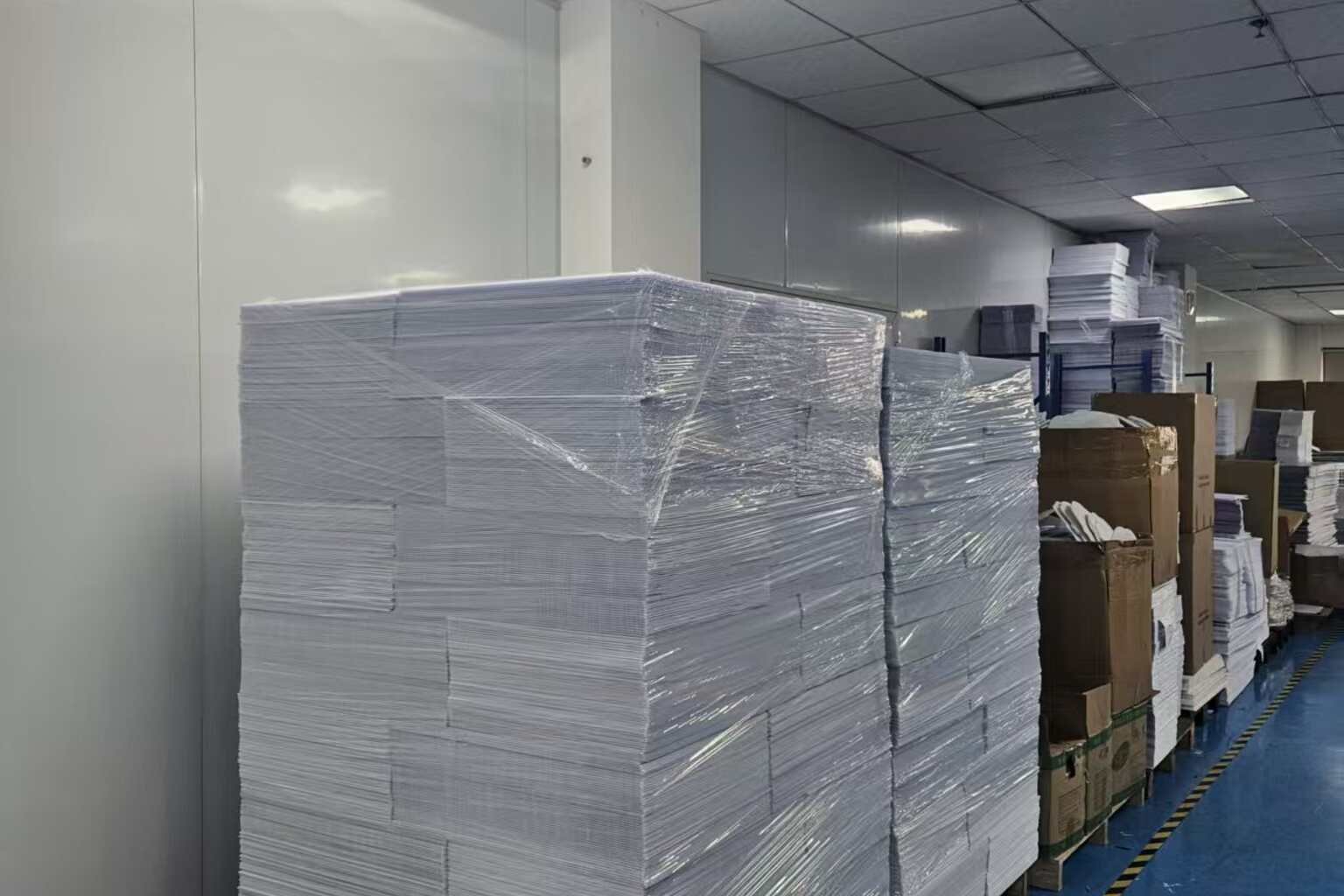
A supplier may be able to produce a small sample order but struggle with a large multi-SKU production run. Your yard sign supplier scorecard should therefore measure the supplier’s ability to handle your real order volume.
- Daily or weekly production capacity
- Number and type of printing machines
- Ability to produce multiple designs in one order
- Lead time for 500, 1,000, and 3,000 sets
- Ability to handle urgent changes before production
- Availability of backup equipment or production capacity
- Experience with repeat and seasonal orders
Ask the supplier to separate production time from shipping time. This avoids a common misunderstanding in which a “7-day delivery” statement refers only to manufacturing and does not include international transportation.
4. Quality Control and Inspection Process
Quality control should be scored according to a documented process rather than a general promise that the products will be checked. A reliable supplier should explain when inspections take place and what defects are considered unacceptable.
Important inspection points include:
- Material thickness and board condition
- Correct quantity by design and SKU
- Color, text, logo, and artwork accuracy
- Cutting shape and edge quality
- Stake quantity and installation fit
- Carton count and packaging condition
- Final product photos before shipment
For large orders, buyers should also agree on how defective or damaged products will be handled. This may include replacement quantities, credit, rework, or a documented claim process.
5. Communication and Order Management
Communication problems can create more cost than a small difference in unit price. Your scorecard should measure how clearly the supplier responds before the purchase order is confirmed.
- Response speed during quotation
- Ability to understand technical requirements
- Clarity of the production schedule
- Artwork approval and revision process
- Frequency of production updates
- Ability to identify risks early
- Availability of a responsible project contact
One useful test is to send the same detailed inquiry to every supplier. Compare whether each supplier answers the important questions directly or simply sends a low price without confirming the specifications.
6. Shipping, Packaging, and After-Sales Support
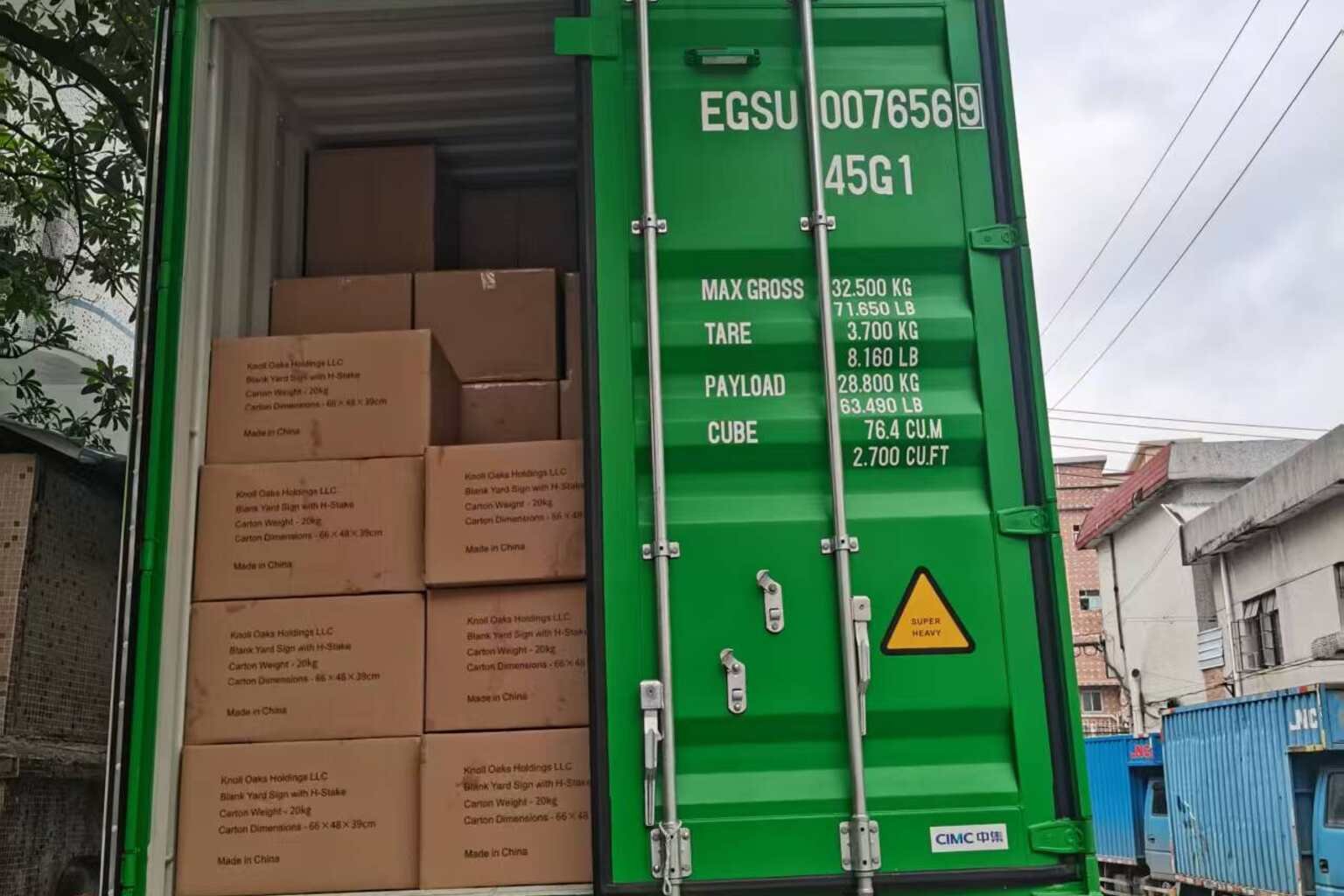
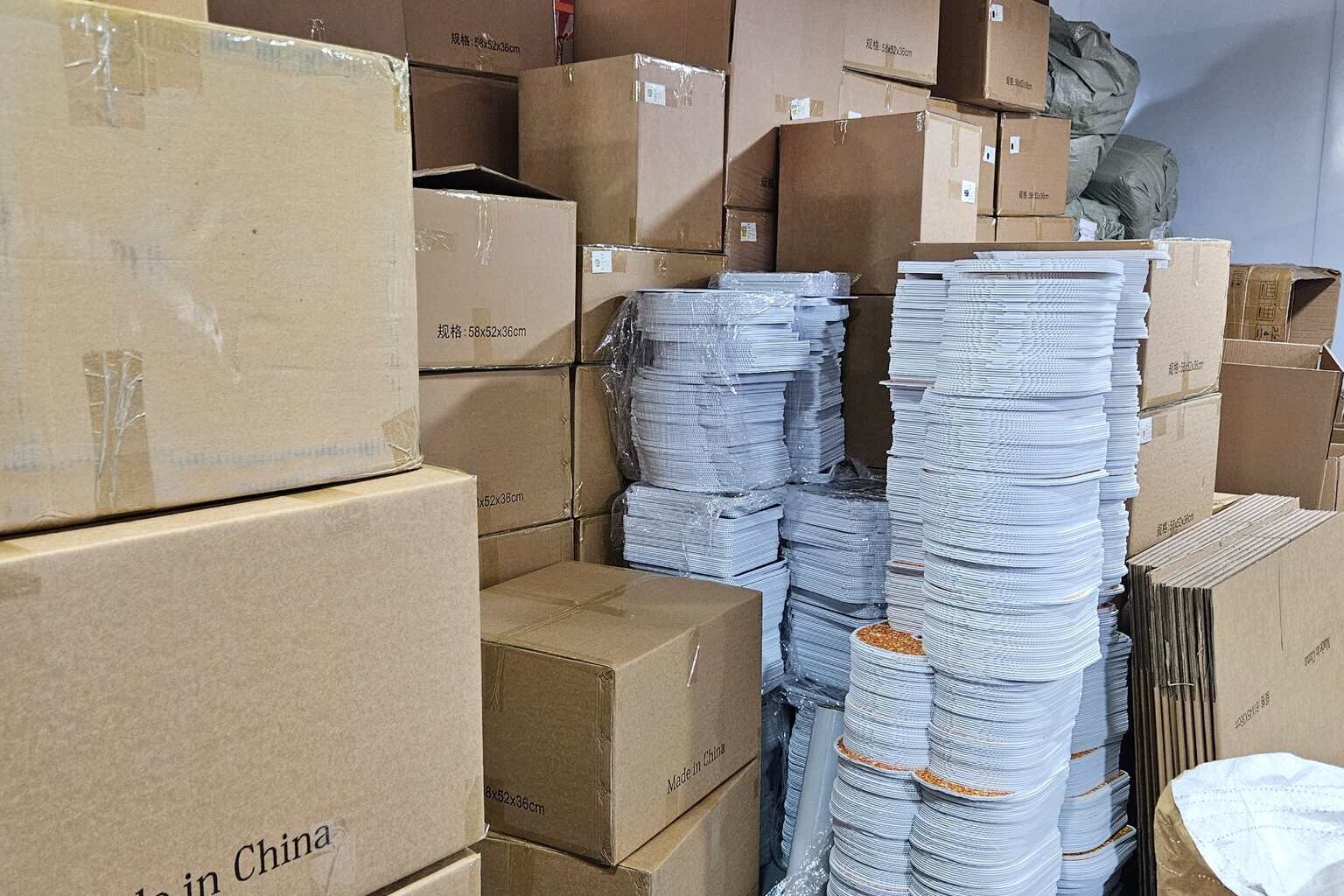
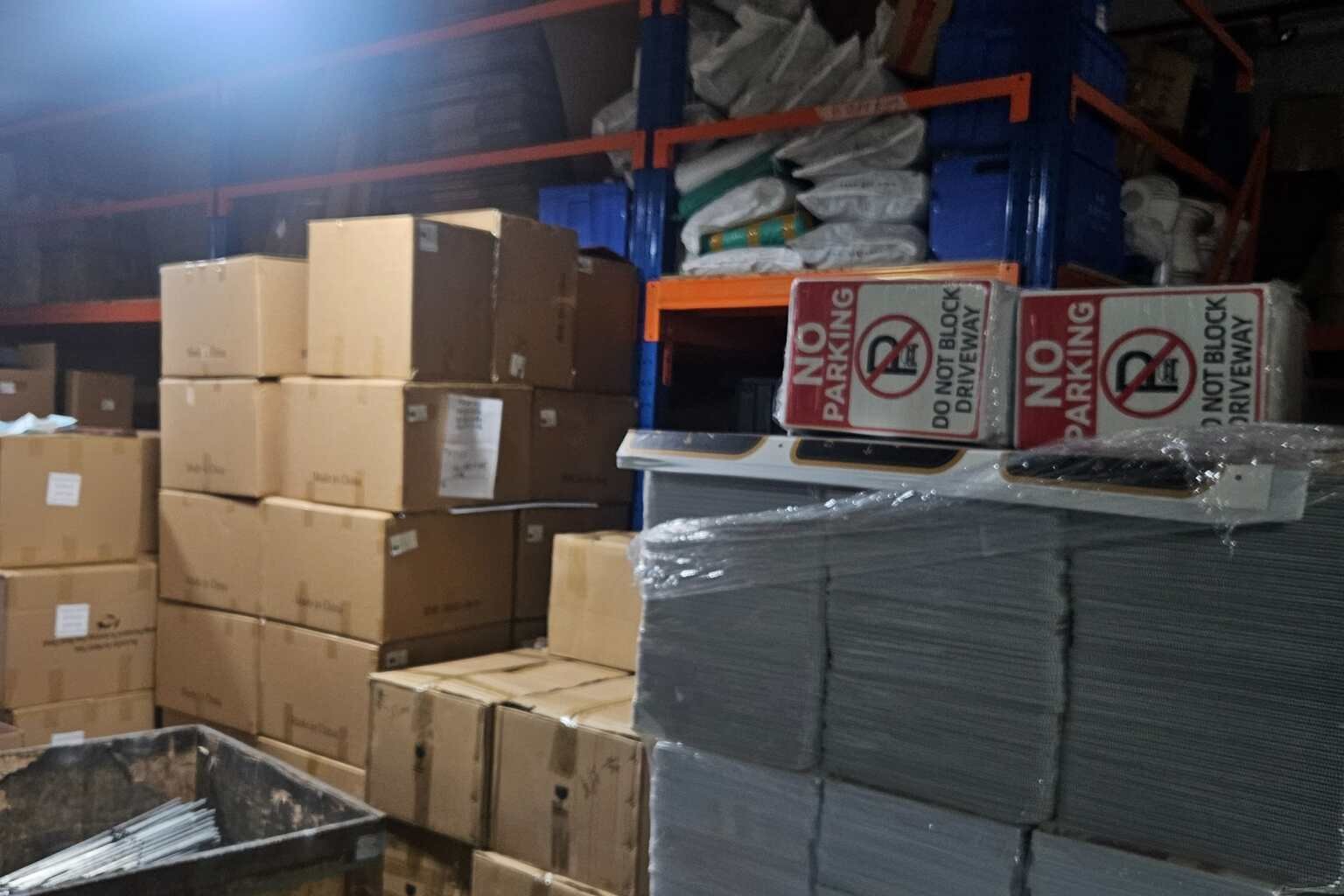
Yard signs are lightweight but can take up considerable carton space. Poor packaging or unclear shipping responsibility can lead to damaged corners, crushed cartons, missing stakes, or delivery delays.
Score the supplier on:
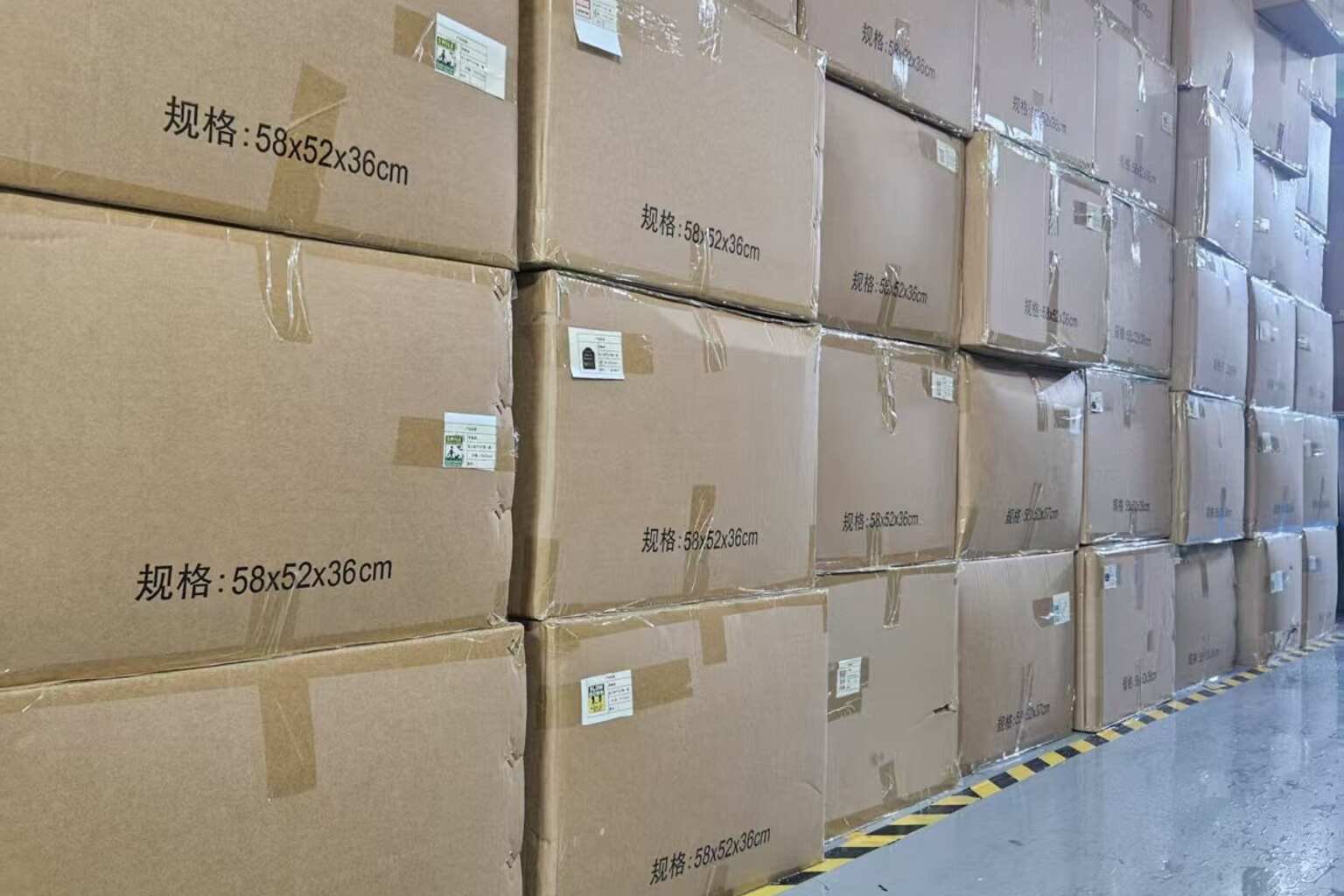
- Carton strength and internal protection
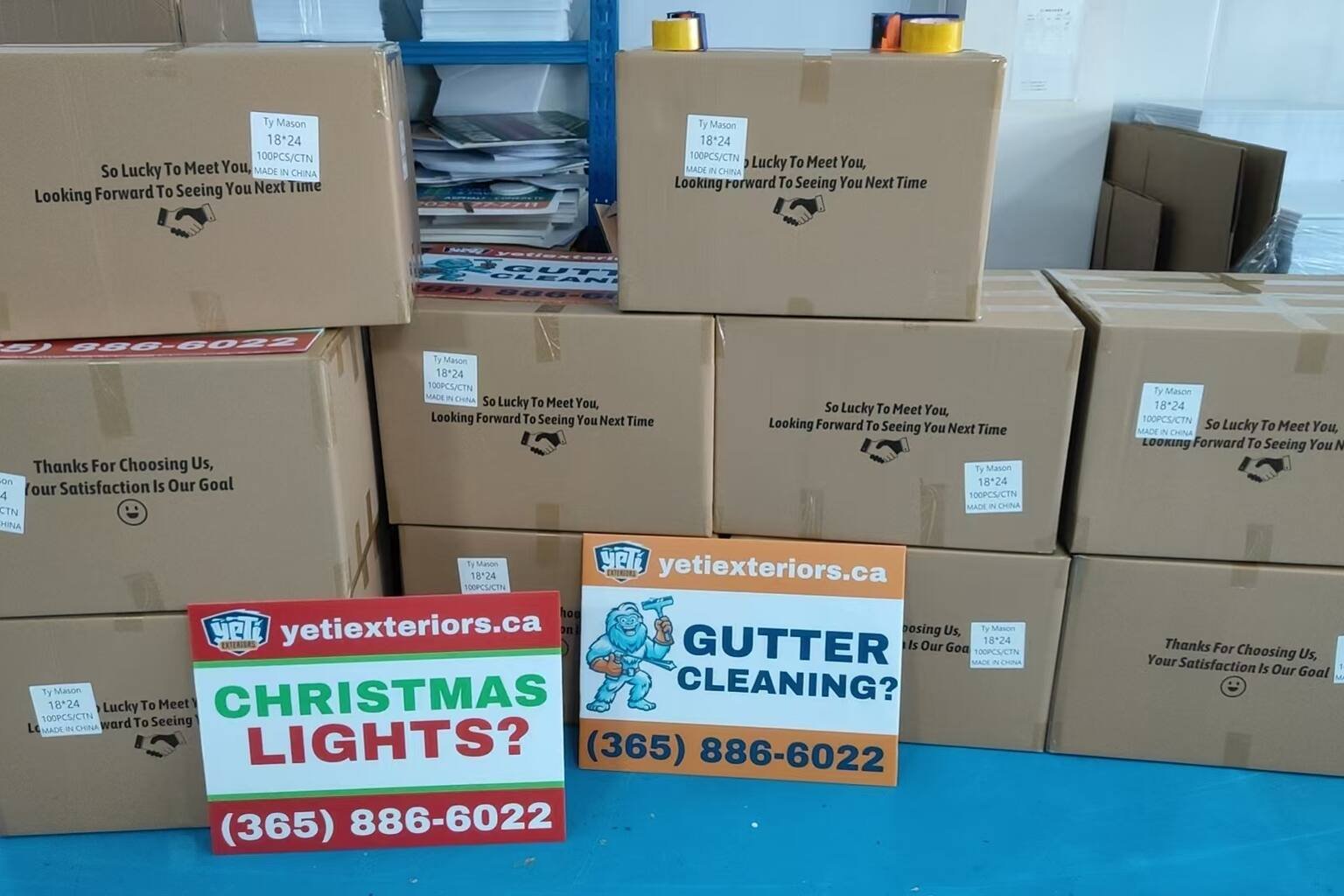
- Carton quantity and dimensions
- Pallet or container loading plan
- Shipping documents and tracking information
- Ability to ship to a warehouse, shop, or multiple locations
- Damage claim response
- Replacement or compensation policy
For distributors and print resellers, accurate carton information is also important for warehouse planning. The supplier should provide final carton counts, weights, dimensions, and product breakdowns before shipment whenever possible.
How to Score Yard Sign Suppliers
A simple 100-point system is easy for a purchasing team to use. The weights can be adjusted according to the order type, but delivery reliability and quality should receive more weight for customer-facing bulk programs.
| Evaluation Category | Suggested Weight |
|---|---|
| Product quality and specifications | 25 points |
| Quotation accuracy and total cost | 20 points |
| Production capacity and lead time | 20 points |
| Quality control | 15 points |
| Communication and order management | 10 points |
| Shipping and after-sales support | 10 points |
As a general purchasing rule, suppliers scoring below 60 points should be reviewed carefully. A supplier scoring between 60 and 80 points may be suitable for a controlled trial order. Suppliers above 80 points may be considered for repeat bulk purchasing after sample approval and successful delivery.
Important: A scorecard is a decision tool, not a substitute for product samples. Always confirm the most important specifications with an approved physical sample before placing a large production order.
Red Flags to Record on the Scorecard
In addition to positive scores, create a separate risk column. A supplier should receive a lower risk rating when it:
- Refuses to provide a complete quotation.
- Cannot explain the difference between production time and shipping time.
- Changes material or thickness without written approval.
- Does not confirm artwork before printing.
- Provides unclear payment, shipping, or claim terms.
- Cannot show evidence of handling similar bulk orders.
- Focuses only on the lowest price and avoids technical questions.
These warning signs do not automatically mean that a supplier cannot produce yard signs. They indicate that the buyer needs additional verification before committing to a large order.
How iYardSign Supports Bulk Yard Sign Buyers
iYardSign is a China-based custom yard sign manufacturer serving overseas business buyers. We support custom corrugated plastic yard signs, single- or double-sided UV printing, H-stakes, custom shapes, and bulk production for sign companies, distributors, print resellers, political campaign suppliers, and local service brands.
When reviewing a supplier, buyers can request the information needed to complete a yard sign supplier scorecard, including product specifications, quantity-based pricing, production lead time, packaging details, shipping options, and quality control arrangements.
For buyers planning 500 or 1,000+ sets, the most useful first step is to provide the expected quantity, sign size, artwork status, stake requirement, delivery location, and preferred shipping time. This allows the supplier to prepare a more realistic comparison.
Frequently Asked Questions
What is a yard sign supplier scorecard?
A yard sign supplier scorecard is a comparison tool used to evaluate suppliers based on product quality, pricing, capacity, quality control, communication, shipping, and after-sales support.
Should price receive the highest score?
Usually, no. Price is important, but product consistency, delivery reliability, and complete cost information can have a larger effect on the total profitability of a bulk order.
How many suppliers should a buyer compare?
Comparing three to five qualified suppliers is usually enough for a practical purchasing decision. The key is to send the same specifications and destination information to each supplier.
Can small buyers use this scorecard?
Yes. The same framework can be used for smaller orders, but bulk buyers should place more emphasis on production capacity, packaging, shipping, and repeat-order consistency.
What should be checked before placing a large order?
Confirm the final artwork, material, size, printing method, stake type, quantity by SKU, packaging, production schedule, shipping term, delivery address, and quality inspection process in writing.
Need a Reliable Yard Sign Supplier for Bulk Orders?
Send us your quantity, size, artwork, stake requirements, and delivery location. iYardSign can help you compare product specifications, production timing, packaging, and shipping options before you place a bulk order.