How to Evaluate Yard Sign Quality After Receiving a Bulk Order

How to Evaluate Yard Sign Quality After Receiving a Bulk Order
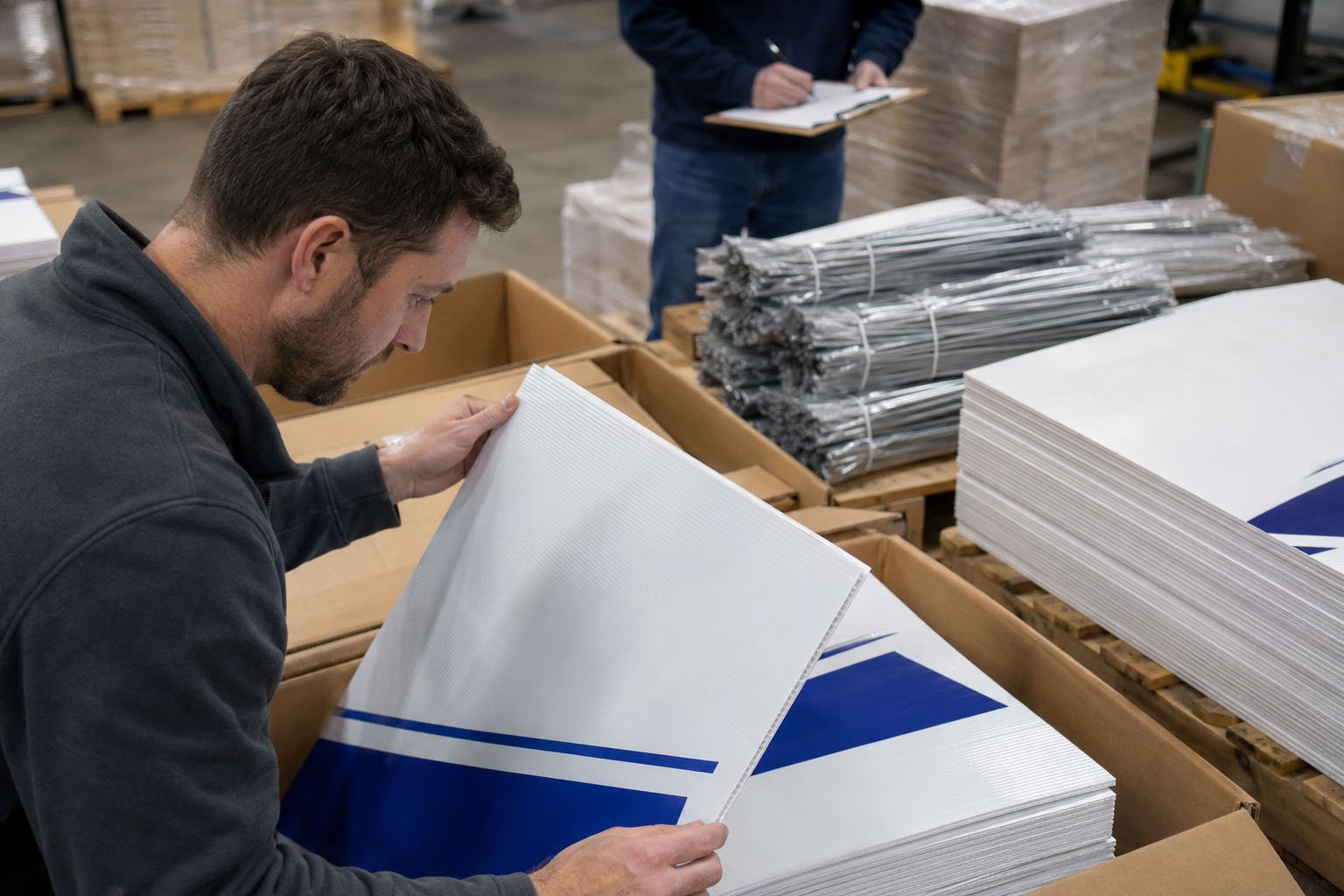
A bulk yard sign order should not move directly from the delivery truck to the warehouse shelf without a receiving check. Even when the factory has completed a pre-shipment inspection, the buyer still needs to confirm the condition and quantity after transportation.
Shipping can affect cartons, printed surfaces, corners, edges, holes, and H-stakes. A receiving inspection also helps identify shortages, mixed designs, incorrect labels, or damage before the products are distributed to customers.
This guide explains how print shops, distributors, contractors, brands, agencies, and ecommerce sellers can complete a practical bulk yard sign receiving inspection after an international or domestic delivery.
The goal is not to create unnecessary paperwork. The goal is to establish a clear record of what arrived, what condition it was in, and whether the order matches the approved specification.
iYardSign supports bulk custom yard signs, corrugated plastic printing, H-stakes, multiple designs, packaging coordination, artwork review, and international production for overseas buyers.
Quick Answer: What Should You Check After Delivery?
A receiving inspection should cover six areas:
- Carton and shipment condition
- Quantity by design and package
- Printed artwork and color appearance
- Sign dimensions and construction
- H-stakes and accessories
- Records, photos, and follow-up actions
The inspection should happen before the order is mixed with older stock or shipped to customers. Once different batches are combined, it becomes more difficult to identify which products were affected by a specific delivery.
Receive, separate, inspect, document, and only then release the order for sale or distribution.
1. Check the Shipment Before Opening Every Carton
Start with the outside condition of the shipment. The carton condition can provide useful information about whether the order experienced pressure, moisture, impact, or rough handling during transportation.
Look for:
- Crushed carton corners
- Broken or open carton tape
- Water marks or moisture exposure
- Holes, punctures, or tears
- Collapsed carton walls
- Missing or unreadable labels
- Cartons that appear different from the packing list
Photograph visible damage before opening the cartons. Include the shipping label and carton number in the photos when possible. This helps connect the condition to a specific package.
Do not assume that a damaged outer carton means every sign inside is unusable. Open and inspect the contents carefully. At the same time, do not discard damaged packaging before documenting it if a shipping claim or supplier discussion may be required.
2. Match Cartons with the Packing List
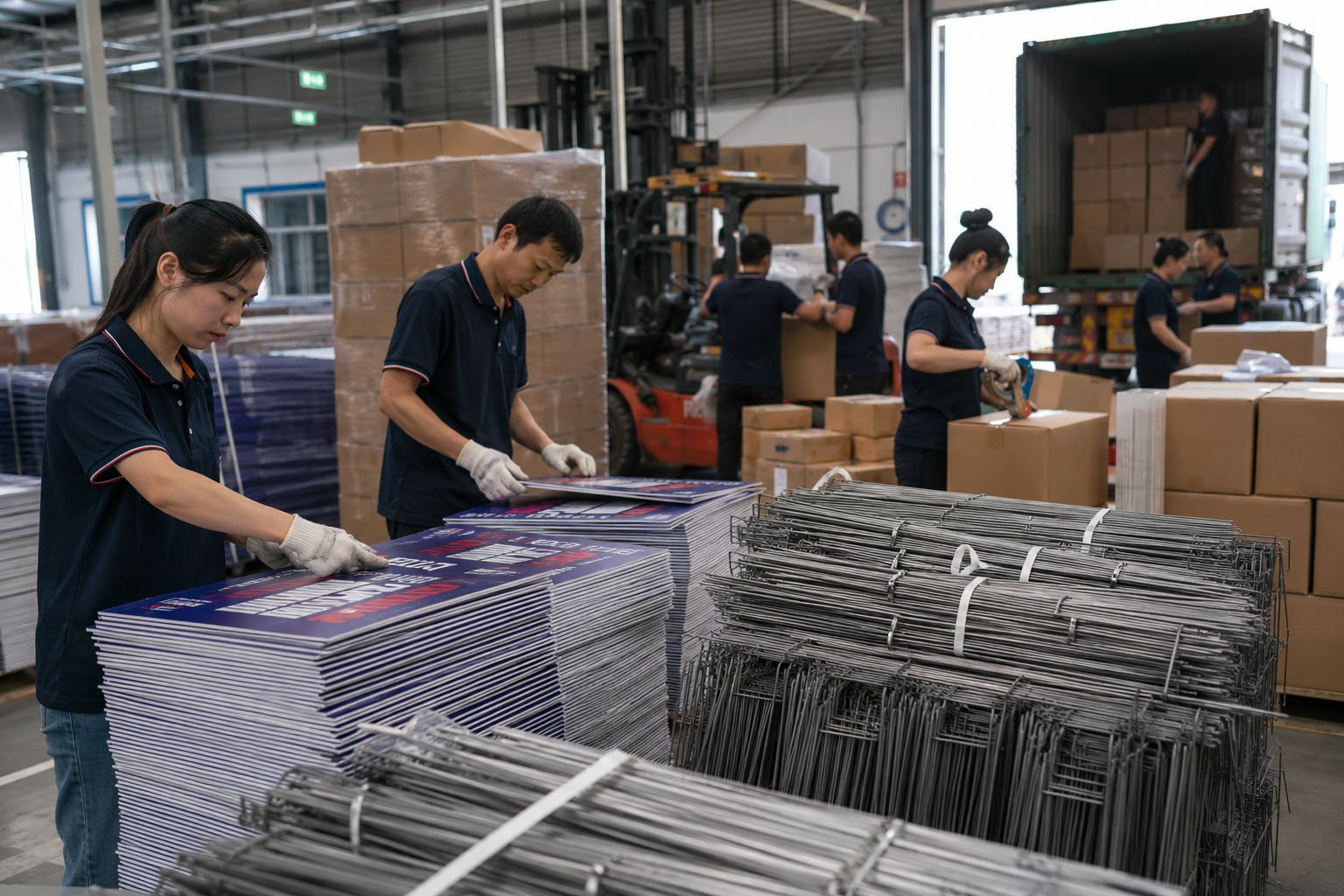
Before counting individual signs, compare the delivered cartons with the packing list or shipment record.
Confirm:
- Total number of cartons
- Carton numbers
- Design or SKU references
- Quantity per carton
- Separate H-stake cartons
- Destination or location labels
- Gross weight when listed
A shipment may contain the correct total quantity but still have the wrong allocation by design. For example, one carton may contain too many signs for Design A while another carton is short for Design B.
If the order includes several artwork versions, keep each design separated during receiving. Do not stack all signs together before checking labels and quantities.
The
bulk yard sign packaging guide
can help buyers understand how carton organization affects receiving and warehouse handling.
3. Count the Signs by Design
Counting is one of the most important parts of receiving inspection. Buyers should count signs by design, size, and specification rather than relying only on the total carton count.
A practical receiving record may include:
| Design or SKU | Expected | Received | Difference |
|---|---|---|---|
| Design A | 500 | 500 | 0 |
| Design B | 300 | 296 | -4 |
| Design C | 100 | 100 | 0 |
If the cartons are sealed in standard quantities, count the cartons first and then verify the number of signs in selected cartons. For high-value or high-risk orders, the buyer may choose to count every unit.
Keep damaged or questionable signs separate from sellable stock until the receiving review is complete.
4. Check the Artwork and Print Quality
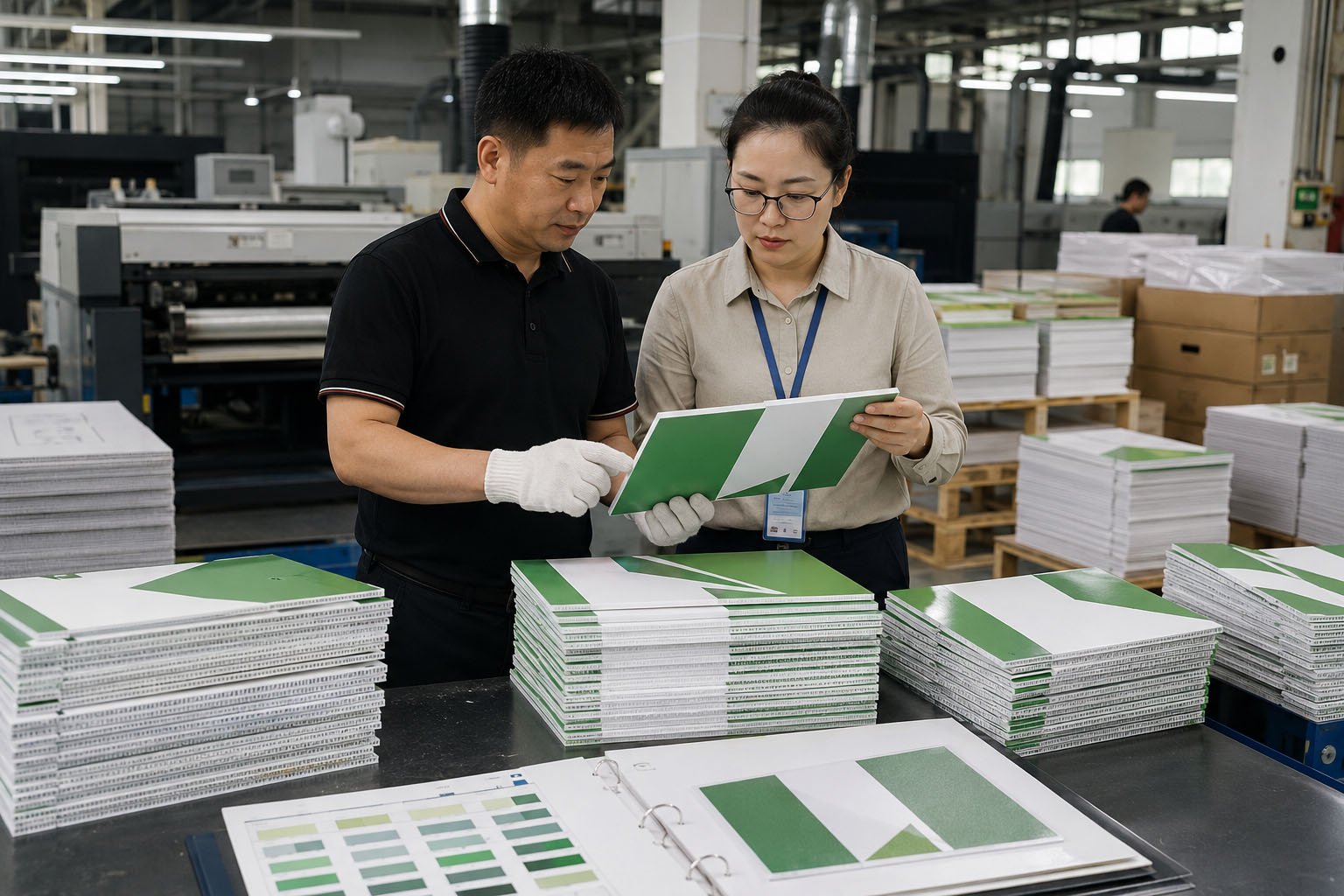
The delivered signs should be compared with the approved artwork, not only with the product listing or a low-resolution screen image.
Review:
- Company name and logo
- Phone numbers and website addresses
- QR code appearance and scanability
- Text position and orientation
- Print coverage and alignment
- Major color areas
- One-sided or double-sided printing
- Correct design version
Inspect a sample from different cartons and different positions within the cartons. This can help identify whether a problem is isolated or repeated across the shipment.
Small visual differences may occur between a digital screen and a physical printed sign. Focus first on serious issues such as incorrect text, missing artwork, wrong design, poor registration, major color problems, or unreadable contact information.
For comparison, review the
custom printed yard sign color guide
when evaluating color-related concerns.
5. Check Dimensions and Construction
A yard sign can look correct while still having a dimensional or construction issue. Use a ruler, tape measure, or caliper when the specification requires closer checking.
Confirm:
- Finished width and height
- Material thickness
- Edge condition
- Flute direction
- Hole or slot position
- Cut shape for custom outlines
- Surface condition
- Signs are flat and not excessively bent
The buyer does not necessarily need to measure every sign. A sampling approach may be sufficient for a repeat order with a stable specification, while a new product, custom shape, or large campaign may require more detailed inspection.
Record which signs were measured and from which carton they came. This creates a useful connection between the inspection result and the shipment.
6. Check H-Stakes and Other Accessories
If H-stakes are part of the order, inspect them separately from the sign boards. Missing or incompatible stakes can make an otherwise correct sign order difficult to use.
Confirm:
- Total stake quantity
- Stake material and shape
- Compatibility with sign holes or slots
- Bent or damaged stakes
- Packaging and bundling
- Stakes allocated to the correct design or kit
If the signs are sold as complete kits, assemble a small number of units during receiving inspection. This can identify problems that are not obvious when the boards and stakes are checked separately.
For orders containing stakes, review the
yard sign and H-stake packaging guide
for receiving and quantity-control considerations.
7. Use a Sampling Plan Instead of Guessing
The inspection level should match the order risk. A buyer can create a simple internal sampling plan based on product complexity, quantity, customer commitments, and the cost of a replacement.
A basic approach may be:
- Check all cartons for labels and visible damage.
- Open samples from different cartons.
- Inspect different designs and production positions.
- Measure selected pieces.
- Assemble selected sign-and-stake kits.
- Separate any questionable stock for additional review.
For a new supplier, new design, custom shape, or major campaign, use a more detailed inspection. For a stable repeat order with a documented history, a reasonable sample may be sufficient.
The purpose of sampling is to obtain useful evidence, not to create a false impression of absolute certainty. If a serious defect is found, expand the inspection before releasing the full order.
8. Separate Sellable, Repairable, and Non-Sellable Stock
Do not place every received unit into one warehouse pile. Use separate areas or labels for:
- Approved sellable stock
- Stock needing additional review
- Minor packaging damage
- Signs with visible print or construction issues
- Missing-accessory kits
- Non-sellable or replacement candidates
This prevents questionable signs from being accidentally shipped to customers. It also makes it easier to estimate the actual available inventory after receiving.
If a sign has minor carton dust or a small packaging mark, the seller can decide how to handle it based on customer expectations. A sign with incorrect artwork, missing information, or incompatible installation parts should not be released without a clear decision.
9. Document Problems Immediately
When a problem is found, create a simple evidence file. Do not rely only on a verbal description such as “some signs were damaged.”
Useful evidence may include:
- Order number
- Design or SKU
- Carton number
- Quantity affected
- Clear photographs
- Video when the issue involves assembly or printing
- Comparison with approved artwork
- Notes from the receiving inspection
- Shipping label and carton condition
Contact the supplier or carrier as soon as possible according to the applicable order and shipping terms. Early communication gives both parties a better opportunity to identify the cause and agree on the next action.
Possible solutions may include:
- Additional inspection
- Replacement pieces
- Credit or adjustment
- Rework when practical
- Packaging improvement for the next order
- Updated artwork or specification record
10. Compare the Delivery with the Original Order
A final receiving review should compare the physical delivery with the approved order document.
Check:
| Order Element | Receiving Question |
|---|---|
| Product | Is the material, size, shape, and thickness correct? |
| Artwork | Does the delivered print match the approved version? |
| Quantity | Does each design have the expected quantity? |
| Accessories | Are the correct H-stakes included and compatible? |
| Packaging | Are cartons, labels, and packing units correct? |
Only after this review should the buyer mark the order as received and release the stock for normal fulfillment.
How This Differs from a Pre-Shipment Inspection
A pre-shipment inspection checks the order before it leaves the factory. A receiving inspection checks what actually arrived after transportation and handling.
Both are useful because they answer different questions:
- Pre-shipment inspection: Was the order produced and packed according to the approved specification?
- Receiving inspection: Did the order arrive in the expected quantity and condition?
A receiving inspection does not replace factory quality control. It adds a second point of verification at the buyer’s warehouse or delivery location.
For the earlier production-stage process, review the
yard sign quality check before shipment.
A Simple Receiving Inspection Record
A useful receiving record can include:
- Supplier name
- Purchase order number
- Delivery date
- Total cartons received
- Design and SKU list
- Expected and received quantities
- H-stake quantity
- Carton condition
- Print and artwork result
- Dimensional result
- Photos or videos
- Approved, held, or disputed status
- Follow-up action
This record becomes valuable when the seller reorders the same sign, investigates a customer complaint, or compares different production batches.
How iYardSign Supports Bulk Order Quality Management
iYardSign can discuss product specifications, artwork approval, packaging, H-stakes, quantity allocation, and inspection requirements with bulk buyers before production begins.
The clearer the approved order record, the easier it is to compare the delivered products with the original requirements. Buyers should keep the quotation, approved artwork, packing list, shipment information, and receiving inspection together.
For future orders, the
long-term yard sign supplier guide
can help buyers improve communication and repeat-order consistency.
For a new project or replacement order, visit the
iYardSign custom service
and provide the product, quantity, artwork, packaging, and delivery details.
Frequently Asked Questions
When should bulk yard signs be inspected after delivery?
Inspect the order as soon as practical after delivery and before mixing it with older stock or shipping it to customers. Early inspection makes it easier to identify carton damage, shortages, and batch-related issues.
Do buyers need to inspect every yard sign?
Not always. A sampling plan may be suitable for a stable repeat order, while a new supplier, custom shape, high-value campaign, or strict customer requirement may justify a more detailed inspection.
What should I do if some signs arrive damaged?
Separate the damaged signs, photograph the cartons and products, record the affected quantity, and contact the supplier or carrier promptly according to the applicable order terms. Do not ship questionable signs before a decision is made.
How should H-stakes be checked after receiving a bulk order?
Count the H-stakes separately, inspect for bending or damage, confirm compatibility with the sign holes, and assemble a sample sign-and-stake kit to verify installation.
Why should buyers keep receiving inspection records?
Records help resolve shortages or damage, support customer service, compare production batches, improve packaging, and repeat the same approved specification in future orders.
Need a More Controlled Bulk Yard Sign Order?
Send iYardSign your approved artwork, product specifications, quantity by design, H-stake requirements, packaging needs, and delivery location. We can review the project before production and help organize the order details.